
Oahu is often overshadowed by its more famous neighbor, Maui, but this island paradise has plenty to offer for those who love nature. From lush green mountains to pristine white sand beaches, Oahu’s diverse landscapes make it an ideal destination for outdoor enthusiasts. If you’re looking to escape the hustle and bustle of city life and reconnect with nature, Oahu is a great choice. With its many hiking trails, snorkeling spots, and wildlife reserves, there’s no shortage of opportunities to explore the island’s natural beauty. In this guide, we’ll take a closer look at some of the top beaches, hiking trails, snorkeling spots, and wildlife reserves in Oahu, helping you plan your next nature escape on this incredible Hawaiian island. By the end of this article, you’ll know exactly where to go and what to do to experience the best of Oahu’s natural wonders.
Discovering Oahu’s Natural Beauty
Oahu is home to breathtaking landscapes, from lush rainforests to sun-kissed beaches and volcanic mountains that offer endless opportunities for exploration. Let’s start by exploring the island’s stunning natural beauty.
Introduction to Oahu’s Unique Landscape
Oahu is an island like no other, boasting a unique landscape that is both breathtaking and diverse. The island’s geography is characterized by towering volcanoes, lush rainforests, and stunning coastlines. The Ko’olau Mountains, which run along the eastern edge of the island, create a dramatic backdrop for the surrounding landscape. These mountains have given rise to some of Oahu’s most beautiful valleys and gorges, including the Nuuanu Pali State Park.
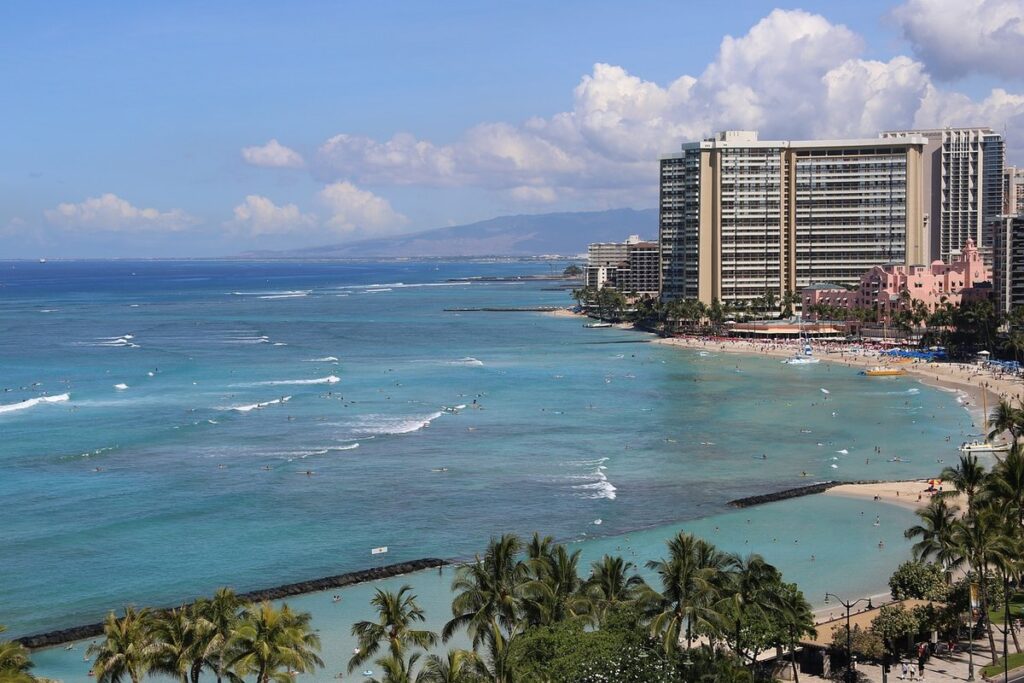
The island’s volcanic history is evident in its unique landforms. Diamond Head, one of Hawaii’s most iconic landmarks, is a 760-foot volcanic crater that offers panoramic views of Waikiki Beach and Honolulu. The island’s beaches, meanwhile, are renowned for their white sand and crystal-clear waters. From the bustling surf spots on the North Shore to the tranquil coves on the south coast, Oahu’s coastline offers something for every kind of beach lover.
The varied landscape of Oahu has given rise to a wide range of flora and fauna, including tropical rainforest plants, seabirds, and marine life. Visitors can explore this natural beauty through various outdoor activities, from hiking and surfing to snorkeling and birdwatching. Whether you’re interested in exploring the island’s natural wonders or simply relaxing on one of its stunning beaches, Oahu has something for everyone.
Top 5 Must-Visit Beaches on Oahu
Oahu is home to some of the most beautiful and iconic beaches in the world. While it’s tempting to spend all day lounging on the sand at Waikiki Beach, there are many other stunning options worth exploring. Here are five must-visit beaches on Oahu that showcase the island’s unique natural beauty.
First up is Kailua Beach, a tranquil oasis on the windward coast with crystal-clear waters and powdery white sand. Snorkelers will love exploring the beach’s calm waters, while beach volleyball enthusiasts can play in the designated court area. Next door to Kailua Beach lies Lanikai Beach, a secluded gem surrounded by lush green hills. Its turquoise waters are perfect for swimming, snorkeling, and paddleboarding.
On the North Shore, Pipeline Beach is a world-famous surf spot that’s not just for experienced riders – beginners can take lessons from local instructors. Sunset Beach, located nearby, offers breathtaking views of the ocean during the golden hour. Lastly, Makapu’u Point Lighthouse Trail leads to a stunning beach with dramatic views of the coastline and surrounding landscape.
Each of these beaches has its unique character, so be sure to explore and find your favorite spot on Oahu’s sun-kissed shores.
Outdoor Adventures in Oahu
For outdoor enthusiasts, Oahu offers a wealth of exciting activities that allow you to immerse yourself in its natural beauty. From snorkeling and surfing to hiking and camping, this island paradise has something for everyone.
Hiking Trails for Every Skill Level
Oahu offers a diverse range of hiking trails for every skill level. For those seeking an iconic experience, Diamond Head State Monument is a must-hike. This 0.8-mile loop around an extinct volcanic crater provides stunning views of Honolulu and Waikiki Beach. In contrast, the Ko’olau Summit Trail offers a more challenging 6-mile hike with breathtaking vistas of the ocean and surrounding landscape.
For those looking for something less strenuous, the Manoa Falls trail is a popular choice. This 1.6-mile hike through lush rainforests leads to a picturesque waterfall, making it an ideal option for families or those new to hiking. When choosing a trail, consider your fitness level and experience. Ask yourself about your endurance, navigation skills, and comfort with heights.
It’s essential to assess the difficulty level of each trail before embarking on your hike. The Hawaii Department of Land and Natural Resources provides ratings and descriptions for many Oahu trails. Take note of any warning signs or closures due to weather conditions or maintenance. With careful planning and preparation, you can enjoy the natural beauty of Oahu’s hiking trails while staying safe and within your comfort zone.
Surfing and Paddleboarding on the North Shore
The North Shore is a legendary destination for surfers and paddleboarders. With its massive waves, rugged coastline, and picturesque scenery, it’s an ideal spot to catch some big swells or learn to navigate the ocean on a board.
For beginners, there are plenty of surf schools and rental shops along the North Shore that offer lessons and equipment rentals. Some popular spots include Haleiwa Beach Park, Pipeline Beach, and Sunset Beach. These schools cater to all skill levels, from those who have never stepped foot in the water before to experienced riders looking to improve their technique.
When it comes to catching the best waves, timing is everything. The North Shore’s waves are generally at their peak during the winter months (November to February), when the swells are larger and more frequent. However, be aware that this is also the busiest time of year for surfers, so plan accordingly if you’re looking for a less crowded experience.
To increase your chances of catching a wave, focus on learning how to read the ocean conditions and timing your paddles with the swell’s arrival. With practice and patience, you’ll be riding the waves like a pro in no time.
Exploring Oahu’s Waterfalls and Hiking Trails
Get ready to immerse yourself in Oahu’s lush natural beauty as we delve into the island’s most breathtaking waterfalls and scenic hiking trails that await your adventure. From misty rainforests to sun-kissed coastlines, every step reveals a new wonder.
Manoa Falls: A Challenging yet Rewarding Hike
Manoa Falls is one of Oahu’s most iconic and rewarding hikes. The 1.6-mile trail winds through a lush tropical rainforest, featuring a mix of paved paths, stairs, and uneven terrain that can be challenging for even experienced hikers. Expect to spend around 2-3 hours hiking to the falls, depending on your pace and how much time you spend admiring the scenery.
The payoff is well worth the effort: Manoa Falls drops 150 feet into a crystal-clear pool surrounded by tropical foliage. Visitors can swim in the natural pool or simply take in the breathtaking views from the designated viewing area. Be sure to bring plenty of water, snacks, and sun protection – the rainforest can be hot and humid, even on overcast days.
Before attempting this hike, check the weather forecast and trail conditions. Flash flooding is a concern during heavy rainfall, so it’s essential to exercise caution and turn back if you encounter rising water levels or strong currents. Consider visiting early in the morning or later in the afternoon to avoid the crowds and make the most of your experience.
Nuuanu Pali State Park: Breathtaking Views and Waterfalls
Nuuanu Pali State Park is a nature lover’s paradise, boasting breathtaking views, stunning waterfalls, and challenging hiking trails. The park’s lush tropical landscape is dominated by towering cliffs, deep valleys, and sparkling waterfalls that cascade into the ocean below. One of the most popular spots in the park is the Nuuanu Pali Lookout, which offers a panoramic view of the coastline and the ocean.
However, safety precautions should not be taken lightly when visiting this area. Strong winds and steep drop-offs make it essential to stay behind designated guardrails and follow park rules. Visitors can also explore the park’s hiking trails, including the Nuuanu Pali Loop Trail, which takes you through a lush rainforest and offers stunning views of the coastline.
To access the park’s most popular spots, take Highway 61 from Honolulu and follow the signs to Nuuanu Pali State Park. The lookout point is easily accessible by car, but be prepared for narrow roads and steep drop-offs. If you’re planning to hike, wear comfortable shoes and bring plenty of water, as the trails can be challenging and hot in the summer months.
Snorkeling and Scuba Diving in Oahu
Get ready to dive into the incredible underwater world of Oahu, where vibrant coral reefs and colorful marine life await discovery. From snorkeling to scuba diving, we’ll cover the top spots for an unforgettable ocean adventure.
Best Spots for Beginner Snorkelers on Oahu
When exploring Oahu’s underwater world as a beginner snorkeler, it’s essential to choose locations with calm and clear waters. Hanauma Bay is an iconic spot, but its popularity means you’ll need to reserve tickets in advance to ensure entry. A more laid-back alternative is Kailua Beach, where the gentle slope of the ocean floor allows for easy access to marine life.
For first-time snorkelers, it’s crucial to use proper equipment. Renting a mask with good visibility and a comfortable fit can make all the difference. Many rental shops also offer snorkeling gear specifically designed for beginners. Don’t forget to apply sunscreen, wear a hat, and stay hydrated while in the sun.
Other beginner-friendly spots include Shark’s Cove on the North Shore and Ali’i Beach Park. Both offer shallow waters and an abundance of tropical fish to spot. When exploring these areas, be mindful of your surroundings and watch for any strong currents or marine life. Snorkeling with a buddy is always recommended, and consider taking a guided tour to gain insight into Oahu’s unique ecosystem.
Advanced Dive Sites on the North Shore
The North Shore of Oahu offers some of the most challenging and rewarding dive sites for experienced snorkelers and scuba divers. One of the top attractions is the coral reef at Sharks Cove, a site known for its strong currents and colorful marine life. For those seeking more excitement, the wrecks of the B-17 bomber and the Yukikaze ship are also popular destinations.
To tackle these dives safely, you’ll need to be certified as an advanced diver with a minimum of 20 logged dives. You should also have experience with deep diving and navigation in strong currents. In addition to your certifications, you’ll need to bring proper equipment, including a dive computer, redundant air supply, and communication devices.
Before heading out, familiarize yourself with the local weather conditions and tide tables to ensure safe diving conditions. Be aware of any restricted areas or marine life closures due to conservation efforts. When diving in Hawaii, it’s essential to respect the marine environment and follow all guidelines set by local authorities to preserve the area’s natural beauty for future generations.
Wildlife and Nature Reserves in Oahu
Oahu is home to several wildlife and nature reserves, offering a glimpse into Hawaii’s unique ecosystem. From lush forests to marine sanctuaries, we’ll highlight some of these hidden gems.
Sea Life at Hanauma Bay and Other Marine Sanctuaries
Hanauma Bay is one of the most recognizable marine sanctuaries on Oahu, and for good reason. As a protected sea turtle nesting site, it’s home to an incredible array of tropical fish, colorful coral, and even the occasional shark sighting. Snorkelers can explore the bay’s crystal-clear waters and observe these creatures up close.
But Hanauma Bay is not alone in its importance as a marine sanctuary. Other notable sites include Kaiolu Point and Mokoli’i Island, both of which offer unique opportunities for snorkeling and wildlife viewing. The Hawaiian monk seal, listed as endangered, can often be spotted basking on the shore or swimming in the waters surrounding these islands.
It’s essential to respect and preserve Oahu’s marine ecosystems, not just for their natural beauty but also for the health of our planet. Overfishing, pollution, and climate change all pose significant threats to marine life. By supporting conservation efforts and practicing responsible tourism, visitors can help protect these incredible sanctuaries for future generations.
Birdwatching on Oahu: A Paradise for Ornithologists
Oahu is a haven for bird enthusiasts, with its unique geography supporting an astonishing array of species. The island’s wetlands, forests, and coastal areas provide a perfect habitat for migratory birds to rest and refuel during their long journeys. You’ll spot native Hawaiian birds like the ‘I’iwi (scarlet honeycreeper) and the Palila (Hawaiian grouse), as well as introduced species like the Kookaburra and the Australian Magpie.
To identify these feathered friends, keep an eye out for distinct markings, songs, or behaviors. For example, the ‘I’iwi is recognizable by its bright red plumage and distinctive call, while the Palila’s song sounds like a series of whistles. To increase your chances of spotting birds, head to locations with diverse vegetation, such as the wetlands at Pearl Harbor or the lush forests of the Ko’olau Mountains.
When it comes to equipment, bring binoculars (7x or 8x magnification) and a field guide to help you identify species. A spotting scope can also be useful for getting a closer look without disturbing the birds. Consider visiting during early morning or late afternoon when birds are most active, and don’t forget your sunscreen and hat – birdwatching on Oahu’s sun-kissed trails requires some preparation!
Cultural and Historical Aspects of Oahu’s Nature
Oahu’s natural beauty is deeply rooted in its rich cultural heritage, shaped by centuries of Polynesian traditions and historical events that have left a lasting impact on the island. As you explore Oahu’s lush landscapes, consider the stories behind these stunning environments.
Native Hawaiian Culture and the Environment
Native Hawaiian culture places great emphasis on preserving and respecting the natural environment. This is evident in their traditional practices of land management, conservation, and spiritual connection with nature. For instance, the concept of “malama ‘aina” (care for the land) encourages Hawaiians to care for the land and its resources as if they were their own family members. This approach to land stewardship is not just about sustainability but also about maintaining a balance between human needs and the well-being of the environment.
In traditional Hawaiian practices, sacred sites are often associated with natural features such as waterfalls, mountains, or valleys. These areas are considered tapa’ (sacred) because they hold spiritual significance and are believed to be inhabited by ancestral spirits. To preserve these sites, Hawaiians must follow strict protocols for access and maintenance, which includes performing rituals and offerings to the land and its inhabitants.
Visitors to Oahu can learn about Native Hawaiian culture and its connection to nature by attending cultural events or workshops that focus on traditional practices such as lei making, hula dancing, or native plant identification.
Historical Sites on Oahu: Connecting with the Past through Nature
Visiting historical sites on Oahu can be a unique way to connect with the island’s natural landscape. Iolani Palace, Hawaii’s only royal palace, is situated within a lush park and surrounded by native flora. The palace’s architecture blends traditional Hawaiian design with European influences, reflecting the cultural exchange that shaped the islands’ history. Meanwhile, Pearl Harbor, a historic naval base turned memorial, serves as a poignant reminder of the island’s role in World War II.
Both sites offer educational value beyond their historical significance. Iolani Palace features gardens and a museum showcasing traditional Hawaiian art and culture, providing insight into the environment that sustained native Hawaiians for centuries. Pearl Harbor’s memorial, including the USS Arizona Memorial, honors the lives lost during the attack and offers a powerful tribute to the human impact on nature.
By visiting these sites, you can gain a deeper appreciation for Oahu’s natural beauty as well as its complex cultural heritage. Take time to explore the gardens and grounds surrounding Iolani Palace, or pay respects at Pearl Harbor’s memorial. These experiences not only provide a glimpse into Oahu’s rich history but also highlight the interconnectedness of nature, culture, and human experience on this unique island.
Frequently Asked Questions
Can I explore Oahu’s beaches and hiking trails in one day?
While it’s technically possible to visit multiple beaches or hike a few trails in a day, you’ll likely feel rushed and might miss out on the full experience. Consider dedicating at least 2-3 days to exploring different areas of the island to truly appreciate its natural beauty.
Are there any guided tours available for beginners who want to try surfing or paddleboarding?
Yes! Many surf schools and rental shops offer lessons specifically designed for beginners, including equipment rentals and instruction on basic techniques. These tours are a great way to learn while having fun in a supportive environment.
What if I’m not a strong swimmer – can I still snorkel or scuba dive safely in Oahu?
Yes! Many snorkeling and diving spots in Oahu have shallow waters and calm conditions, making it accessible for swimmers of all levels. Additionally, most rental shops and tour operators offer equipment rentals and guidance on how to stay safe while enjoying these activities.
How can I support conservation efforts at places like Hanauma Bay?
You can make a positive impact by following guidelines posted at the bay, such as not touching coral or disturbing marine life. Consider making a donation to local organizations dedicated to protecting Oahu’s marine ecosystems and supporting their mission in any way you can.
Can I bring my pet with me on hikes or beach trips in Oahu?
While some parks and beaches allow pets, it’s essential to check ahead of time to ensure that the specific location you plan to visit allows dogs. Even if pets are allowed, be sure to follow local rules and regulations regarding leash length and cleanliness.

