
Sea shell art has been a beloved form of creative expression for centuries, with its roots tracing back to ancient civilizations. From delicate mobiles to intricate mosaics, artists have long been captivated by the beauty and versatility of sea shells as a medium. But why do sea shells hold such significance in art? Beyond their natural elegance, shells also carry rich symbolism – they represent protection, abundance, and the cyclical nature of life. In this article, you’ll learn about the history and meaning behind shell art, explore various techniques for creating stunning pieces, and discover innovative ways to display your own creations. By the end of this guide, you’ll be equipped with the knowledge and inspiration to create breathtaking works of art that showcase the beauty and wonder of sea shells.
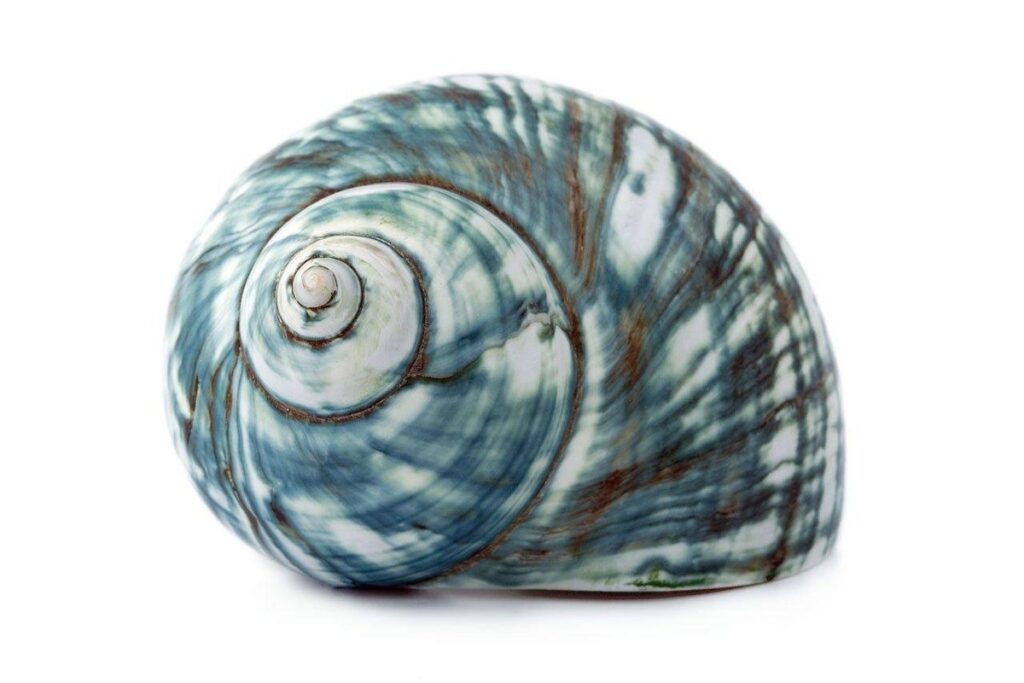
History and Significance of Shell Art
Shell art has been a cherished form of creative expression for centuries, originating from various cultures that prized its unique beauty and symbolic significance. We’ll explore how these early traditions have shaped our modern understanding of shell art.
Ancient Civilizations and Shell Art
In ancient civilizations, sea shells played a significant role in art and symbolism. The Egyptians used mother-of-pearl to create intricate designs on furniture and jewelry, often depicting mythological creatures and gods. For example, the tomb of Tutankhamun features a beautifully crafted box with mother-of-pearl inlays.
In ancient Greece, shell art was also highly valued for its beauty and symbolism. Greek artisans used shells to create ornate mosaics and decorations, often adorning temples and public buildings with intricate designs. The Greeks associated shells with the sea goddess Amphitrite, who was revered as a protector of ships and sailors.
Native American communities, particularly in the Pacific Northwest region, also utilized shells in their art. They used them to create decorative items such as jewelry, pendants, and ceremonial masks. These pieces often featured symbolic designs related to the natural world, including animals, plants, and celestial bodies.
Symbolism and Meaning Behind Shell Art
Sea shells have been imbued with symbolic meanings across various cultures and historical periods. One of the most common associations is protection – in many ancient societies, sea shells were seen as shields against evil spirits or negative energies. For example, in some African cultures, cowrie shells are believed to possess protective powers that ward off harm.
Abundance is another significant theme linked with sea shells. In many coastal communities, shells have been used as a symbol of prosperity and good fortune. This association can be seen in the use of shells in decorative patterns and designs, often incorporating motifs like spirals or curves that evoke feelings of growth and abundance.
The spiritual connection to sea shells is also profound, reflecting humanity’s deep affinity for the ocean and its rhythms. Many indigenous cultures have long revered shells as sacred objects, imbuing them with spiritual significance through rituals and ceremonies. By incorporating these symbolic meanings into your shell art, you can tap into a rich cultural heritage that speaks to our universal connection to the natural world.
Evolution of Shell Art Through Time
Shell art has undergone significant transformations throughout history, shaped by various cultural and artistic movements. In ancient times, shell art was primarily used for decorative purposes, often featuring intricate designs and patterns. The Egyptians and Greeks employed shells to create elaborate jewelry and ornaments, while the Pacific Islanders crafted beautiful masks and ceremonial objects.
As civilizations collided and trading routes expanded, new techniques and materials were incorporated into shell art. During the Renaissance, European artists began using shells to create ornate frames and decorations for paintings. In Asia, artisans developed a unique style of shell inlay, where delicate designs were created by arranging tiny shells onto a surface.
In recent decades, shell art has continued to evolve, influenced by modern artistic movements such as abstract expressionism and pop art. Contemporary artists have pushed the boundaries of shell art, experimenting with new materials, techniques, and themes. Today, shell art encompasses a wide range of styles and mediums, from traditional mosaics to three-dimensional sculptures.
Materials and Tools for Shell Art
To create beautiful shell art, you’ll need some essential materials and tools that will help bring your creative vision to life. Gather these items and let’s get started on our artistic journey together!
Types of Sea Shells Used in Art
Conch shells are a popular choice for shell art due to their large size and vibrant colors. Their symmetrical shape makes them ideal for creating intricate designs and patterns. Scallops, on the other hand, offer a delicate beauty with their fan-shaped form and iridescent sheen. Clamshells, often overlooked in favor of more showy options, possess a subtle elegance that can add depth to a piece.
When selecting shells, consider the color palette you want to achieve. Conchs come in a range of hues from pinks to purples, while scallops tend towards whites and creams with touches of gold or silver. Clamshells often have a more muted tone, but their soft colors can complement brighter shells nicely. It’s also essential to clean and dry your chosen shells before using them to prevent any damage or discoloration.
Some artists prefer working with a single type of shell for consistency, while others enjoy mixing and matching different shapes and colors. Experimenting with various types will help you discover the unique qualities each has to offer and find the perfect fit for your artistic vision.
Adhesives and Surfaces for Shell Art
When working on shell art projects, choosing the right adhesive and surface is crucial for achieving a durable and visually appealing piece. Resin is a popular choice for its glossy finish and ability to withstand moisture. It can be applied thickly or thinly, depending on the desired effect, and is often mixed with pigments or other additives for color and texture.
In addition to resin, traditional adhesives like glue are still widely used in shell art. Hot glue guns are particularly useful for bonding shells quickly and securely, while white glue is better suited for more delicate work. When working with glue, it’s essential to apply a small amount at a time, as excess can seep between the shells and create unsightly bubbles.
For creating a background, artists often opt for wood or canvas panels. Wood provides a natural, textured surface that complements the organic shape of sea shells, while canvas offers a more traditional art canvas feel. When selecting a surface, consider the size and scope of your project – larger pieces may require a more substantial backing to prevent warping or bending.
Essential Tools for Shaping and Finishing
For shaping and finishing shell pieces, you’ll need a set of basic tools. A hammer is essential for tapping shells into place without damaging them. Choose one with a flat surface to prevent scratching the shell’s surface.
Files come in different grits – coarse, medium, and fine – each suited for specific tasks. Use a coarse file to remove excess material or smooth out rough edges, while a fine file helps refine details. Sandpaper is also crucial for smoothing surfaces and removing minor scratches. Opt for a high-grit sandpaper (around 220-240) to achieve a polished finish.
Additionally, you’ll need a shell scraper to gently remove debris and old adhesive from the shell’s surface. A small, flat tool, it’s designed specifically for this purpose. Pliers are useful for gripping small shells or holding them in place while you work. Choose a pair with rubber grips to prevent slipping.
When selecting tools, consider the type of shell art you’re creating and the materials involved. For instance, if working with delicate shells, use a gentler touch and avoid tools that might cause damage. With practice and patience, these basic tools will become your go-to companions for shaping and finishing beautiful shell pieces.
Techniques for Creating Shell Art
To create stunning shell art, you’ll need to learn various techniques that involve arranging and securing shells on a surface, allowing your creativity to shine. This process requires patience and practice to achieve the desired look.
Mosaic Shell Art: A Step-by-Step Guide
To create a mosaic art piece using sea shells, start by gathering a variety of shell types and sizes. You’ll need a range of shapes, textures, and colors to achieve visual interest. Select shells with unique characteristics, such as iridescent blues or pinks, which will add depth to your design.
When selecting the surface for your mosaic, consider using a piece of wood or a canvas specifically designed for shell art. Ensure it’s clean and dry before applying adhesives. You’ll need a strong adhesive, like epoxy or hot glue, to secure the shells in place.
To arrange the shells, sketch out a rough design on paper first, taking into account the shape and size of your surface. Start by placing larger shells at the center and work your way outward with smaller ones. Experiment with different patterns and compositions until you achieve the desired visual effect. Apply adhesive to the back of each shell, then press it firmly onto the surface.
A simple three-step approach for arranging shells is:
- Place a focal point or central image first
- Add surrounding shells in an irregular pattern
- Fill any gaps with smaller shells or decorative accents
Shell Carvings: A Delicate Art Form
Carving intricate designs into sea shells requires a delicate touch and patience. The process begins with selecting the right shell, typically one with a smooth surface and a sturdy base to prevent breakage during carving. You’ll need a sharp tool, such as a drill or a Dremel, to carefully remove excess material and shape the design.
A small minority of artists use specialized tools like shell gouges or veining tools to create more intricate patterns. However, most carvers rely on basic hand tools for precise control over their work. The challenge lies in removing material without causing damage to the shell’s surface or compromising its structural integrity.
As you carve, it’s essential to work slowly and deliberately, using gentle strokes to avoid putting too much pressure on the tool. This technique also allows you to make subtle adjustments as needed, ensuring a precise final product. With practice and experience, you can master the art of shell carving, creating beautiful and intricate designs that showcase the natural beauty of the sea shells themselves.
Mixed Media Shell Art: Experimenting with Combinations
When working with sea shells, it’s easy to get caught up in using them as is, but experimenting with combinations can lead to truly unique and eye-catching pieces of art. Consider pairing shells with paint or colored pencils to create a pop of color or add depth to your design. You can also use decoupage techniques to layer cut-out images or patterns over the shells for added interest.
For example, you might arrange shells in a pattern on a canvas or wooden board and then use acrylic paint to fill in the spaces between them. Alternatively, you could glue shells onto a piece of paper or cardstock and decorate around them with markers, crayons, or even tissue paper cut-outs.
To get started, think about what materials you have on hand that might complement your shells. Do you have old book pages, music sheets, or scraps of fabric that could add texture and visual interest? Experiment with different combinations to find the ones that work best for you. Some popular mixed media shell art techniques include layering shells over a background of collage elements, using shells as a base for decoupage designs, or even incorporating shells into three-dimensional sculptures.
Displaying and Preserving Your Shell Art
To showcase your beautiful shell art, you’ll want to consider how to display it in a way that highlights its unique features. You’ll also need to learn how to preserve it for years to come.
Tips for Displaying Shell Art in Your Home
When displaying shell art pieces in your home, it’s essential to consider their unique beauty and significance. To showcase your shells effectively, place them in a location with good natural light, but avoid direct sunlight that can cause fading or discoloration.
A coastal-inspired setting is ideal for showcasing shell art, such as near a window with an ocean view or in a beach-themed room. You can also group similar shells together on a shelf or mantle to create a visually appealing display. For more dramatic effect, hang your shell art pieces above a console table or fireplace, allowing them to become a focal point.
Consider the color palette of your home when displaying shell art. Shell colors range from soft pastels to vibrant hues, so choose frames or backgrounds that complement their tones. A neutral background will not distract from the shells’ natural beauty, while a contrasting color can add visual interest. If you’re showcasing a delicate shell piece, consider using a glass fronted frame to protect it from dust and damage.
For added dimension, incorporate other coastal elements into your display, such as driftwood or sea glass.
Techniques for Preserving Shell Art Over Time
Preserving shell art requires careful consideration to maintain its integrity and prevent damage or decay. One of the primary concerns is the natural tendency of sea shells to absorb moisture from the air, leading to cracking, discoloration, or even mold growth. To mitigate this risk, it’s essential to use a sealant specifically designed for shell art. Apply a thin layer of varnish or polyurethane to protect the surface and prevent moisture absorption.
Another critical step is to avoid exposing your shell art to direct sunlight, which can cause fading or discoloration. Place pieces in a shaded area or use UV-filtering glass to minimize damage. Regular cleaning with a soft-bristled brush and mild soap solution can also help maintain the appearance of your shell art. Avoid using harsh chemicals or abrasive materials that may scratch or damage the shells.
To further extend the life of your shell art, consider displaying it in a room with controlled humidity levels (typically between 40-60%). This will slow down the degradation process and prevent excessive moisture absorption. By following these techniques, you can enjoy your beautiful shell art for years to come while preserving its delicate beauty.
Advanced Shell Art Techniques and Projects
Take your shell art skills to the next level by mastering advanced techniques such as layering, shading, and texturing. We’ll show you how to create stunning pieces with intricate details.
Creating Shell Mosaic Murals: A Large-Scale Project
Creating a large-scale shell mosaic mural is a complex project that requires careful planning and execution. To begin, determine the scope of your design, considering factors such as size, theme, and complexity. Measure your wall or surface area to ensure you have enough shells on hand. A good rule of thumb is to plan for 10-15% more shells than needed to account for breakage and uneven distribution.
When planning your design, consider the color palette, pattern, and shape of your shells. You can use a combination of natural and dyed shells to create depth and visual interest. To achieve uniformity, sort shells by size, color, and shape before starting the project. For large-scale murals, it’s essential to work in sections, typically 2-3 feet square, using a grout or adhesive specifically designed for shell art.
A helpful tip is to use a combination of small and large shells to create visual balance. For instance, use larger shells as focal points, while filling in gaps with smaller ones. This approach will not only add visual interest but also ensure the mosaic remains stable over time.
Shell Sculpture: Pushing the Boundaries of Form and Function
To push the boundaries of form and function in shell sculpture, artists often combine multiple techniques with innovative designs. One approach is to create functional pieces, such as mirrors, vases, or decorative boxes, that showcase the shells’ natural beauty while serving a purpose. Consider using contrasting shapes and textures by pairing smooth shells with rougher, more organic forms.
When designing functional shell sculptures, keep in mind the weight and stability of the piece. For example, avoid placing heavy shells on fragile surfaces or supports. You can also experiment with different adhesives to find the right balance between holding the shells in place and maintaining their natural texture.
Incorporating movement and fluidity into your design is another way to enhance both form and function. Use wire or string to suspend shells from a base, creating an airy, three-dimensional effect that appears to shift as the viewer moves around it. This technique can be particularly effective when paired with smooth, rounded shapes that evoke the ocean’s curves.
By combining these elements – shape, texture, movement, and purpose – you can create truly remarkable shell sculptures that invite the viewer to engage with them on multiple levels.
Conclusion: Embracing the Beauty of Shell Art
As you’ve learned and explored various techniques for creating art with sea shells, it’s time to reflect on the beauty and creativity that makes this unique form of expression so special.
Final Thoughts on the Significance of Shell Art
Shell art is more than a decorative piece; it’s a bridge between our natural surroundings and our creative expression. When we work with sea shells, we tap into the rich cultural heritage of coastal communities past and present. The intricate patterns and symbols found in shell art often reflect the stories and traditions of these cultures.
One way to appreciate the significance of shell art is to recognize its connection to our relationship with nature. By using natural materials like sea shells, we’re reminded of the beauty and fragility of our environment. This awareness can inspire a sense of responsibility and stewardship towards preserving marine ecosystems.
Incorporating shell art into your creative practice can also be a way to honor your own cultural heritage or explore new ones. For example, you might choose to work with shells that hold special meaning in your family’s history or use traditional techniques passed down through generations. Alternatively, you could experiment with different types of sea shells and techniques to create something entirely unique.
To make the most of shell art as a means of creative expression, try incorporating it into your daily life. Start by collecting interesting shells on your next beach walk and using them in a simple project, like a decorative frame or a mobile. As you become more comfortable working with sea shells, challenge yourself to create larger-scale pieces that showcase their beauty and significance.
Ultimately, the value of shell art lies not just in its aesthetic appeal but in the connections it forges between us and our natural world. By embracing this unique form of creative expression, we can cultivate a deeper appreciation for the ocean’s gifts and our place within it.
Frequently Asked Questions
Can I use recycled or thrifted sea shells for my art?
Yes, using recycled or thrifted sea shells is an eco-friendly and cost-effective way to create shell art. Many craft stores also sell cleaned and prepared shells specifically designed for artistic purposes.
How do I prevent the shells from becoming brittle or discolored over time?
To minimize the risk of shells becoming brittle or discolored, use a UV-resistant adhesive and varnish your finished pieces regularly. This will help protect them from environmental factors like sunlight and humidity that can cause damage.
What if I accidentally crack or break a shell during the art-making process? Can it still be used?
While it’s possible to repair minor cracks with epoxy or resin, severely damaged shells may not be salvageable for use in your artwork. However, you can repurpose broken shells as decorative accents or incorporate them into mixed media pieces.
How do I determine which type of adhesive is best suited for my specific shell art project?
The choice of adhesive depends on the surface and material of the sea shells, as well as the desired outcome. For example, resin works well with smooth shells, while a strong adhesive like epoxy is better suited for more fragile or textured shells.
Can I combine shell art with other materials or techniques to create unique pieces?
Absolutely – combining sea shells with other materials and techniques can lead to stunning and one-of-a-kind artworks. Consider pairing shells with paint, decoupage, or even metalwork to add depth and texture to your creations.

