
Leaf art is a timeless yet evolving medium that has captivated artists and nature lovers alike for centuries. The beauty and versatility of leaves make them an attractive choice for creative expression, from traditional paper crafting to modern mixed media projects. Whether you’re looking to add a touch of elegance to your home decor or seeking a unique way to connect with nature, leaf art offers endless possibilities. But what sets it apart from other forms of art? From its environmental benefits to the stunning results that can be achieved at home, we’ll explore the ins and outs of leaf art and show you how to create beautiful pieces using traditional techniques and modern trends. By the end of this article, you’ll have a clear understanding of the many uses and applications of leaf art and know exactly how to get started on your own creative journey.
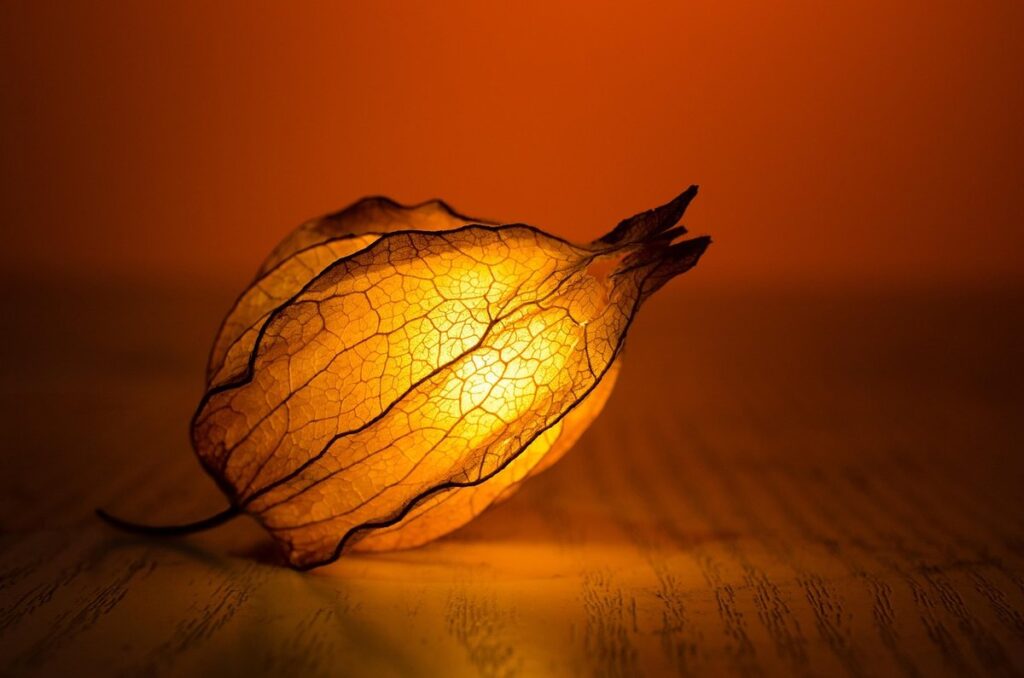
Understanding Leaf Art
Leaf art can be a fascinating and complex medium, and understanding its underlying principles is key to appreciating its beauty. Let’s take a closer look at what makes leaf art tick.
What is Leaf Art?
Leaf art has been a significant part of various cultures around the world for centuries. Its history dates back to ancient civilizations such as Egypt, Greece, and China, where leaves were used to create intricate designs and patterns on walls, fabrics, and other surfaces. In many indigenous cultures, leaves hold spiritual significance and are used in rituals and ceremonies to connect with nature.
What makes leaf art unique is its ephemeral quality. Unlike traditional forms of art that can last for centuries, leaf art is fleeting and temporary. Leaves change color, wilt, or fall off the plant, making each piece a one-time creation. This impermanence adds an extra layer of significance to leaf art, as it highlights the preciousness and beauty of nature’s creations.
To create stunning leaf art, focus on using leaves with interesting shapes, colors, and textures. Consider combining different types of leaves or experimenting with various arrangements to achieve a visually appealing design. When handling leaves, be gentle to preserve their delicate structure and avoid damaging them unnecessarily.
Types of Leaf Art
Leaf art encompasses a wide range of techniques, from traditional methods to modern innovations. One classic approach is pressing leaves between books or using specialized presses to flatten and preserve them. This technique allows for intricate arrangements and delicate compositions. Drying leaves naturally by air-drying or using silica gel can also yield beautiful results.
Modern leaf artists are experimenting with natural dyes, such as plant-based inks and herbal infusions, to add vibrant colors to their work. Some artists even combine real leaves with composite materials like wood or resin to create textured, three-dimensional pieces. This fusion of traditional techniques with modern materials has opened up new possibilities for leaf art.
When choosing a technique, consider the type of project you’re working on and the desired outcome. For example, delicate pressing is ideal for intricate designs, while natural drying suits larger-scale arrangements. Experimenting with different methods can help you discover your unique style and voice as a leaf artist. By understanding the various techniques at your disposal, you’ll be better equipped to bring your vision to life.
Creating Leaf Art at Home
Create stunning leaf art pieces from the comfort of your own home by learning simple techniques for arranging, pressing, and decorating leaves. With these easy methods, you’ll be making beautiful art in no time.
Materials Needed for Leaf Art
To start creating leaf art at home, you’ll need some essential materials. Begin by gathering a variety of fresh or dried leaves, depending on the design and technique you have in mind. Fresh leaves work well for loose compositions and can add a delicate touch to your artwork. Dried leaves, on the other hand, provide more structure and texture.
A frame is also necessary to hold your leaf art together. You can choose from a range of materials, including wooden frames, canvas prints, or even reclaimed wood. Consider the style and theme you’re aiming for when selecting a frame – for example, a rustic frame might suit a nature-inspired design.
In addition to leaves and frames, you’ll need adhesives to secure your leaves in place. A mixture of white glue and water can work well, but be cautious not to overapply as this can cause the leaves to become soggy. You may also want to use scissors or tweezers to carefully trim any excess leaf material.
Basic Techniques for Pressing Leaves
Pressing leaves is a crucial step in creating leaf art, as it helps preserve their delicate shape and structure. There are several methods to press leaves, each with its own advantages and limitations. One popular method is using a flower press, which consists of two glass sheets with interleaved paper that can be closed to apply pressure. This method is ideal for large quantities of leaves.
Another approach is using heavy books or weights to flatten the leaves. Simply place a leaf between two sheets of paper towel and sandwich it between the books or weights. Leave it overnight for optimal results. Microwave pressing is also an option, but be cautious not to overheat the leaves, as this can cause them to become brittle.
Key factors affecting leaf preservation include humidity, temperature, and pressure. Leaves pressed in a cool, dry environment tend to retain their shape better than those exposed to heat or moisture. It’s essential to monitor the pressure applied to avoid damaging the leaves’ veins and cells. By mastering these basic techniques, you can achieve professional-looking results at home and unlock a world of creative possibilities with your leaf art projects.
Tips and Tricks for Leaf Art Projects
To take your leaf art creations to the next level, we’ve gathered some expert tips on arranging, preserving, and displaying leaves in a way that brings out their natural beauty. From delicate placement to clever fixatives, every trick counts.
Composing Leaf Arrangements
To create visually appealing compositions with leaves, consider balance and symmetry. A symmetrical arrangement can be striking, but it’s not always necessary – sometimes, asymmetry can add visual interest. Balance is key: you want to distribute weight and texture evenly across the composition.
When working with different shapes of leaves, play to their unique characteristics. Large leaves like oak or maple work well as focal points, while smaller leaves like ferns or succulent varieties create a sense of movement when scattered throughout the arrangement.
Color also plays a significant role in leaf art compositions. Monochromatic arrangements can be soothing and calming, while a mix of warm and cool colors adds depth and visual intrigue. Consider grouping similar-colored leaves together for a cohesive look, or contrast warm-toned leaves with cooler ones to create visual tension.
When combining different textures – smooth and waxy leaves versus delicate, lacy ones – experiment with layering them to create a visually engaging contrast. Avoid overcrowding the arrangement; leave some negative space to allow each element to shine.
Adding Embellishments to Leaf Art
Adding ribbons, flowers, or other natural materials can elevate a leaf art piece from beautiful to breathtaking. Consider what you want the embellishments to achieve: add color, create texture, or draw the viewer’s eye to specific leaves. Choose materials that complement your leaf selection, like matching floral patterns with similar colored petals.
For example, using a velvet ribbon in autumnal hues can beautifully tie together an arrangement of fallen oak and maple leaves. Similarly, attaching dried flowers like baby’s breath or ferns can add a whimsical touch to a spring-themed leaf art piece. To secure these embellishments, use a hot glue gun for heavier items like ribbons, or a small dot of clear nail polish for lighter attachments.
Some natural materials lend themselves particularly well to embellishment. Pinecones, acorns, and seed pods can add depth and interest when arranged thoughtfully among the leaves. When selecting additional materials, consider their texture, size, and color palette. By intentionally incorporating these elements, you can create visually striking leaf art pieces that invite the viewer to explore every detail.
Trends in Leaf Art
Leaf art has evolved significantly over the years, and one notable shift is the increasing popularity of natural materials and eco-friendly techniques, which have become a hallmark of modern leaf art. Expect to see more innovative uses of leaves in various art forms.
Modern Applications of Leaf Art
Leaf art has evolved beyond its traditional forms, with modern artists pushing the boundaries of technique and application. In interior design, leaf art is being used to create stunning focal points in living rooms and dining areas. For example, a large-scale leaf installation can add a touch of elegance to an empty wall or become a statement piece in a cozy reading nook.
Event planners are also discovering the versatility of leaf art as a unique decoration element. Temporary installations can be created for weddings, corporate events, and holiday parties, providing a natural and Instagram-worthy backdrop for guests. To achieve this look, consider using large quantities of fallen leaves or renting specialized leaf-making equipment to create intricate designs.
In marketing, leaf art is being used to promote eco-friendly brands and products. Artists are creating intricate leaf patterns that double as billboards in public spaces, grabbing the attention of passersby and highlighting the importance of environmental sustainability. By combining traditional techniques with modern materials, artists are opening up new opportunities for leaf art to be appreciated and applied in innovative ways.
The Role of Social Media in Promoting Leaf Art
Social media has become a significant driver of interest in leaf art, with various platforms contributing to its growth. Instagram is particularly popular among leaf artists, where visually-oriented users can share high-quality images and videos showcasing their creations. Hashtags like #leafart, #natureart, and #fallleaves have amassed thousands of posts, serving as a hub for enthusiasts to discover new styles and techniques.
Online communities also play a crucial role in promoting leaf art. Facebook groups dedicated to leaf art often feature tutorials, share resources, and host discussions on various aspects of the craft. Reddit’s r/leafart community is another notable example, where artists can share their work, receive feedback, and engage with like-minded individuals.
The ease of sharing content online has democratized access to leaf art, allowing artists to reach a broader audience and gain exposure. To leverage social media effectively, artists should focus on creating engaging content that showcases their unique style, use relevant hashtags, and participate in online discussions. This strategy can help them build a loyal following and stay up-to-date with the latest trends in leaf art.
Benefits of Leaf Art
Creating beautiful works of art from fallen leaves can bring numerous benefits, including relaxation and a deeper connection with nature. We’ll explore these advantages up close in the following paragraphs.
Therapeutic Effects of Creating Leaf Art
Creating leaf art has been shown to have a profound impact on mental and emotional well-being. The process of collecting leaves, arranging them thoughtfully, and observing their patterns can be meditative, allowing you to quiet the mind and focus on the present moment. Many people find that creating leaf art helps alleviate stress and anxiety by providing a calming outlet for creativity.
Research has demonstrated that engaging in creative activities like leaf art can improve cognitive function and boost mood. The act of carefully selecting and arranging leaves requires attention to detail, promoting improved focus and concentration. Additionally, the satisfaction of creating something beautiful from natural materials can give rise to feelings of pride and accomplishment.
To experience these benefits firsthand, try setting aside a few minutes each day to create leaf art. Start by collecting different types of leaves and experimenting with various arrangements. As you work, pay attention to your thoughts and emotions – do you feel more relaxed or inspired? With regular practice, you may find that creating leaf art becomes an integral part of your self-care routine, providing a much-needed respite from the demands of daily life.
Environmental Significance of Leaf Art
Creating leaf art not only allows you to express your creativity but also offers an environmentally friendly alternative to traditional forms of artistic expression. When working with leaves, you’re often repurposing materials that would otherwise be discarded, reducing waste and promoting sustainability.
To further emphasize the eco-friendly aspect of leaf art, consider using fallen leaves from your yard or a nearby park. This approach eliminates the need for transportation, reducing carbon emissions associated with sourcing materials. Additionally, many leaves can be sourced in large quantities without damaging the surrounding ecosystem.
Using natural elements like leaves encourages nature appreciation and fosters a deeper connection to the environment. By incorporating these ephemeral materials into your art, you’re acknowledging the transient beauty of life. To capture this essence, try experimenting with loose compositions that allow for subtle leaf movement when exposed to air currents or temperature changes.
Frequently Asked Questions
Can I use leaf art for commercial purposes without any issues?
Yes. As long as you follow proper copyright and intellectual property guidelines, you can create and sell leaf art pieces or use them in commercial settings like events or advertising.
How do I preserve large quantities of leaves for future projects?
To preserve a large quantity of leaves, consider using a flower press or a DIY pressing method with cardboard and books. You can also store dried leaves in airtight containers to maintain their quality over time.
What if the natural dyes used in leaf art bleed or fade quickly? How do I prevent this?
Natural dyes may indeed bleed or fade faster than synthetic ones, but there are ways to minimize this effect. Use cold water for dyeing, and avoid exposing dyed leaves to direct sunlight or moisture. Also, consider using a fixative spray after dyeing to help stabilize the colors.
Is leaf art suitable for people with limited mobility or dexterity? Are there any adaptations I can make?
Yes, leaf art can be adapted to suit individuals with limited mobility or dexterity. Use large, easy-to-grip tools or consider digital methods like creating leaf art designs on a computer and printing them out. Many modern materials used in leaf art also come with ergonomic handles or grips.
What if my leaf art piece gets damaged after completion? Can I restore it?
Leaf art pieces are generally fragile due to the natural materials used, but you can try repairing minor damages by re-gluing loose leaves or repainting small areas. If the damage is extensive, consider taking your piece to a professional conservator for restoration.

