
Beetroot kvass is a fermented Eastern European beverage that’s been gaining attention for its impressive nutritional profile. Rich in antioxidants and probiotics, this drink has been shown to have a positive impact on gut health and inflammation levels. If you’re looking to incorporate more fermented foods into your diet, beetroot kvass is definitely worth considering. The fermentation process involved in making kvass allows the natural sugars in beets to break down into easily digestible compounds that provide a range of benefits. By the end of this article, you’ll understand the science behind beetroot kvass and how it can support your overall well-being. We’ll explore its nutritional advantages, discuss its potential health benefits, and even share some tips for brewing your own homemade version at home.
What is Beetroot Kvass
Beetroot kvass is a fermented beverage made from beets, and it’s time to get familiar with its unique flavor profile and traditional roots. Let’s break down what makes this tangy drink tick!
History and Origins of Beetroot Kvass
Beetroot kvass has its roots in Eastern European cuisine, dating back to the 17th century. The traditional fermented drink originated in Poland and Russia as a way to preserve beets and make them more digestible. The process involved allowing the beets to ferment with bacteria, creating lactic acid and carbonation.
In these early days, beetroot kvass was consumed for its medicinal properties, including reducing inflammation and improving digestion. It was also valued for its ability to support immune function during times of illness or exposure to harsh environments.
The recipe and preparation methods varied depending on the region and household. Some families would allow their beets to ferment in a wooden barrel, while others used ceramic containers. The fermentation process typically took 1-3 days, resulting in a tangy, slightly sweet drink with earthy undertones.
Beetroot kvass remained a staple in many Eastern European households until the mid-20th century, when industrial food production and commercial beverages began to gain popularity. However, its traditional recipe has experienced a revival in recent years, as consumers seek out fermented foods and drinks for their potential health benefits.
Basic Ingredients and Preparation
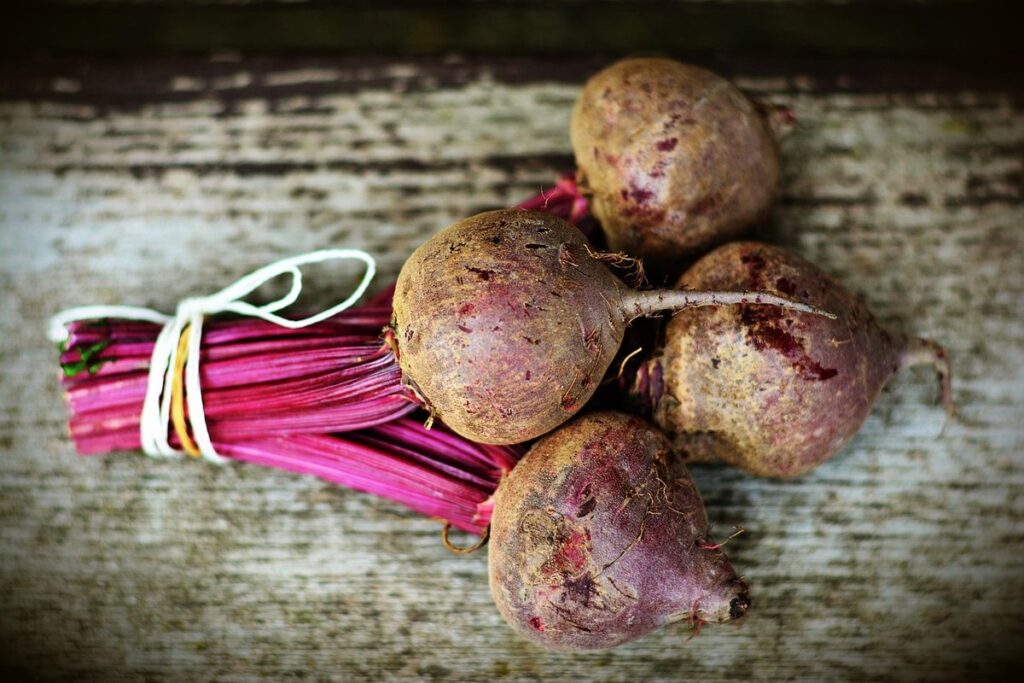
Beetroot kvass is a fermented beverage made from a simple combination of beets, water, salt, and sugar. The foundation of any good beetroot kvass starts with the quality of its ingredients. Fresh, organic beets are the primary ingredient, providing a rich source of vitamins A and C, potassium, and fiber. Beets can vary in color, but for brewing, it’s best to use golden or Chioggia beets, which have less juice and a sweeter flavor.
The ratio of water to beets is usually 1:4 or 5:1, with some recipes calling for more. Using filtered or spring water helps minimize the chance of bacterial contamination during fermentation. Salt, typically around 1-2% of the total liquid volume, acts as a natural preservative and aids in the fermentation process. Sugar, often used in smaller quantities than salt, feeds the beneficial bacteria that give kvass its signature tang.
When preparing the beets, scrub them clean and slice or grate them to release their juices. The mixture is then left to ferment for several days, during which time it will undergo a series of physical changes, including foaming, bubbling, and a gradual decrease in pH levels. This process creates a probiotic-rich drink with potential health benefits and a unique flavor profile that’s both earthy and slightly sweet.
Different Types of Beetroot Kvass
Beetroot kvass recipes can vary significantly depending on personal preferences and desired flavor profiles. One common variation is sweet beetroot kvass, which incorporates ingredients like honey, maple syrup, or dried fruits to create a sweeter taste experience. This type of kvass is often enjoyed as a refreshing beverage, similar to kombucha, but with a milder flavor.
Savory flavors are another popular twist on traditional beetroot kvass recipes. These variations may include ingredients such as garlic, ginger, or herbs like dill or parsley. Savory beetroot kvass can be used as a digestive aid or as a base for soups and stews. Some recipes also incorporate umami flavor enhancers like miso paste or mushroom broth to add depth.
When experimenting with different types of beetroot kvass, it’s essential to consider the balance between sweet and savory flavors. A general rule of thumb is to start with a small amount of added ingredients and adjust to taste. This approach allows for flexibility and helps prevent overpowering the natural flavor of the beets.
Health Benefits of Drinking Beetroot Kvass
Beetroot kvass is a fermented drink that offers numerous health benefits, from detoxifying your body to reducing inflammation naturally. Let’s explore how this tangy tonic can boost your overall well-being.
Antioxidant Properties and Anti-Inflammatory Effects
Beets are renowned for their antioxidant properties, which are primarily attributed to their high concentration of betalains. These unique antioxidants possess potent anti-inflammatory effects and have been shown to reduce oxidative stress in the body. When consumed as beetroot kvass, these compounds can provide a concentrated dose of nutrition.
Research has demonstrated that regular consumption of beets can lead to improved cardiovascular health by reducing inflammation and improving blood flow. The anti-inflammatory properties of beets may also help alleviate symptoms associated with conditions like arthritis and other inflammatory diseases. By incorporating beetroot kvass into your diet, you can potentially experience these benefits firsthand.
To maximize the antioxidant properties of beetroot kvass, it’s essential to choose a recipe that emphasizes raw or lightly cooked ingredients. Heat can compromise the integrity of betalains, rendering them less effective. Instead, opt for a simple recipe that combines raw beets with water and allows the mixture to ferment at room temperature. This approach will ensure you’re getting the most out of the antioxidants and anti-inflammatory compounds present in your beetroot kvass.
Probiotics and Gut Health
Beetroot kvass is a fermented beverage that contains beneficial probiotics. Probiotics are live bacteria and yeast that help maintain gut health by restoring the balance of good and bad bacteria in the digestive system. This process, known as gut flora, plays a crucial role in immune function, digestion, and overall well-being.
A healthy gut microbiome is essential for a strong immune system, which can reduce the risk of illnesses and diseases. Fermented foods like beetroot kvass provide probiotics that can support this process by introducing beneficial microorganisms into the digestive tract. When consumed regularly, these fermented foods can help crowd out pathogens and promote a balanced gut ecosystem.
Incorporating beetroot kvass into your diet is a simple way to support gut health. Start with a small serving size, such as 1/4 cup per day, and gradually increase as needed. Combine it with other fermented foods like sauerkraut or kimchi for an added boost. Additionally, consider exploring different flavors and recipes that include beetroot kvass to add variety to your diet and make this probiotic-rich beverage a sustainable part of your daily routine.
Potential Benefits for Specific Health Conditions
Research on beetroot kvass has shown promising potential benefits for individuals with high blood pressure. Studies have found that nitrates present in beets can help lower systolic blood pressure, reducing the risk of cardiovascular disease. For example, a 2018 study published in the Journal of Nutrition found that drinking beetroot juice lowered blood pressure in patients with hypertension.
Beetroot kvass may also provide relief for individuals with anemia due to its high iron content. Iron deficiency is a common cause of anemia, and consuming foods rich in this mineral can help alleviate symptoms. However, it’s essential to note that the iron in beetroot kvass is not as easily absorbed by the body as other sources, such as meat or supplements.
Some research suggests that beetroot kvass may also have a positive effect on digestive issues, including IBS and constipation. The probiotics present in beetroot kvass can help regulate gut bacteria, promoting a balanced digestive system. For optimal benefits, it’s recommended to consume beetroot kvass regularly and combine it with other fermented foods as part of a varied diet.
Preparing and Serving Beetroot Kvass at Home
To make beetroot kvass at home, you’ll need to ferment the liquid using a starter culture and then let it sit for 24-48 hours. Next, learn how to strain and serve this probiotic-rich drink safely.
Basic Recipe and Instructions
To make beetroot kvass at home, start by scrubbing 1-2 medium-sized beetroots under cold running water. Pat them dry with a paper towel and peel using a vegetable peeler or the back of a spoon. Chop the beetroots into small cubes to release their juices.
In a large glass jar, combine 1 cup of chopped beetroot with 1 quart (4 cups) of filtered water. Add 2 tablespoons of sugar or honey to feed the SCOBY during fermentation and any desired spices or herbs for flavor. Weigh down the beetroots by placing a plate on top or using a fermentation weight to keep them submerged.
Cover the jar with cheesecloth or a breathable cloth, securing it with a rubber band. Place the jar in a warm, dark corner of your kitchen, ideally between 64°F and 75°F (18°C and 24°C) for 2-3 days. Every 12 hours or so, gently stir the mixture by lifting one side of the jar to release any built-up pressure. After 48 hours, strain the liquid through a fine-mesh sieve into smaller glass bottles, discarding the solids. The resulting beetroot kvass will be slightly fizzy and full of the earthy sweetness of beets.
Tips for Customizing Your Kvass
To modify the basic recipe to suit individual tastes and dietary needs, consider substituting ingredients with alternatives. For example, swap out sugar for honey, maple syrup, or coconut sugar to change the flavor profile. If you’re watching calorie intake, try reducing the amount of sugar or using a sweetener like stevia.
You can also experiment with different spices and herbs to add unique flavors. A pinch of cayenne pepper can add depth, while a sprig of fresh mint can infuse a refreshing twist. Some people find that adding a teaspoon of grated ginger helps reduce bloating.
To accommodate dietary restrictions, use gluten-free vinegar or omit the honey altogether for a sugar-free version. If you’re following a low-FODMAP diet, be mindful of fermenting times and avoid over-fermenting, which can lead to excess gas production. Keep in mind that kvass is naturally probiotic-rich, so it’s best consumed in moderation. Experiment with small batches before scaling up your recipe to find the perfect balance for your taste buds and dietary needs.
Serving Suggestions and Pairing Ideas
When serving beetroot kvass as a beverage, consider pairing it with earthy or sweet flavors to complement its subtle tartness. Try adding sliced cucumbers, carrots, or beets for a refreshing and light snack. You can also use it as a base for dressings by mixing it with olive oil, apple cider vinegar, and spices like cumin or coriander.
For a more substantial use of beetroot kvass, try incorporating it into marinades for meats or vegetables. A combination of beetroot kvass, lemon juice, garlic, and herbs like thyme or rosemary makes a great marinade for grilled chicken or lamb. Alternatively, you can mix it with olive oil and soy sauce to create a savory glaze for roasted vegetables.
To add an extra layer of flavor to your recipes, use beetroot kvass as a substitute for some of the liquid ingredients in fermented sauces like sauerkraut juice or kimchi liquid. This will not only add a rich, earthy taste but also increase the nutritional benefits of your dish by introducing more probiotics and antioxidants.
Advanced Topics in Beetroot Kvass Fermentation
As you’re already familiar with the basics of beetroot kvass fermentation, let’s dive into more complex techniques to take your brewing skills to the next level. We’ll cover some advanced methods for achieving that perfect balance in flavor and texture.
Factors Affecting Fermentation Time and Quality
Temperature plays a significant role in fermentation time and quality. Typically, temperatures between 64°F and 75°F (18°C to 24°C) are considered optimal for beetroot kvass fermentation. If the environment is too warm, the risk of over-fermentation increases, leading to an unpleasantly sour taste. On the other hand, if it’s too cool, fermentation may slow down significantly.
The sugar content in beets also impacts fermentation time and quality. Beets with higher sugar levels tend to ferment faster, while those with lower sugar levels require more time. A general rule of thumb is to use 2-3 pounds (1-2 kilograms) of beets for a standard batch, as this provides an optimal balance between sweetness and acidity.
Sanitation is another crucial factor that affects fermentation quality. Even the slightest contamination can lead to off-flavors or mold growth. Always ensure your equipment, utensils, and working area are clean and sanitized before starting the fermentation process. This includes washing beets thoroughly and handling them gently to prevent bruising, which can introduce bacteria into the liquid. Regularly inspecting your kvass for signs of spoilage is also essential in maintaining a high-quality final product.
Troubleshooting Common Issues
During beetroot kvass fermentation, several common issues can arise. One issue is an overactive fermentation process, which can be identified by a strongly acidic smell and a very slimy texture. To address this, reduce the amount of sugar or honey used as a starter culture, or try using a smaller amount of beets to produce less initial sugars.
Another problem is inadequate carbonation, often characterized by a flat or still liquid after several days of fermentation. Check that the storage container is not too large for the volume of liquid and ensure it’s fitted with an airlock or weight. If the issue persists, consider transferring the kvass into smaller containers to improve surface area exposure.
A common mistake is overcrowding the fermenter, which can lead to contamination and spoilage. To prevent this, leave enough space between each batch for proper aeration and even fermentation. Regularly inspect your beetroot kvass for signs of mold or off-flavors, and discard any batches that show these symptoms. By being attentive to these potential issues, you’ll be better equipped to troubleshoot common problems and achieve consistent results in your homemade beetroot kvass production.
Tips for Scaling Up Production or Sharing with Others
When you’re ready to share your beetroot kvass with others or ramp up production, consider the storage and preservation methods available. Canning is a reliable way to extend shelf life for months. Use a tested canning recipe and follow safe practices to ensure the final product remains sterile and free from contamination. Alternatively, you might choose to freeze beetroot kvass in ice cube trays or airtight containers. This method helps preserve the flavor and nutritional benefits, but be aware that freezing affects texture.
Another approach is to gift small batches of fresh beetroot kvass to friends and family. Transfer the liquid into decorative bottles or glass jars with tight-fitting lids, and consider adding a personal touch like a hand-drawn label or a note explaining the recipe’s origin. When sharing with others, be mindful of potential allergies or sensitivities, especially if you’re using spices or herbs in your recipe.
Nutrition Facts and Labeling Considerations
When shopping for beetroot kvass, it’s crucial to understand the nutrition facts and labeling considerations to make an informed choice. Let’s take a closer look at how to read labels accurately.
Nutritional Content of Beetroot Kvass
Beetroot kvass is a rich source of essential vitamins and minerals. A typical serving size of 1 cup (240 ml) contains approximately 20-30 calories, with negligible amounts of macronutrients like protein, fat, and carbohydrates.
In terms of vitamins, beetroot kvass is an excellent source of vitamin C, with about 10-15% of the daily recommended intake per serving. It also contains a significant amount of vitamin K, crucial for blood clotting and bone health.
Mineral-wise, beetroot kvass is particularly high in manganese, containing up to 30% of the daily recommended intake. Manganese plays a vital role in enzyme function and antioxidant defenses within the body. Additionally, beetroot kvass contains smaller amounts of other minerals like potassium, magnesium, and iron.
When consuming beetroot kvass, consider pairing it with nutrient-dense foods to maximize its nutritional benefits. For instance, adding a squeeze of fresh lemon juice or a handful of chopped herbs can enhance the bioavailability of its vitamins and minerals.
Labeling Requirements for Fermented Foods
Labeling requirements for fermented foods like beetroot kvass vary by country. In the United States, the FDA regulates labeling of fermented products under the Federal Food, Drug, and Cosmetic Act. Manufacturers must list ingredients, nutritional content, and allergens on the label, following Generally Recognized as Safe (GRAS) guidelines.
In the European Union, the EU’s food safety authority, EFSA, sets standards for labeling fermented foods. The Nutrition and Health Claims Regulation requires manufacturers to provide evidence of the claimed health benefits. For example, a beetroot kvass label claiming antioxidant properties would need to include supporting scientific data.
When exporting fermented products, manufacturers must comply with the regulations of the importing country. This might involve reformulating or relabeling the product. For instance, in Japan, where food labeling is highly regulated, manufacturers may need to translate their labels into Japanese and conform to local standards.
To ensure compliance, it’s essential for manufacturers to research and understand the specific requirements of each market they’re entering. They should also keep records of testing and data supporting any health claims made on the label. This attention to detail will help avoid costly recalls or product seizures due to non-compliance with labeling regulations.
Conclusion and Future Research Directions
As we wrap up our exploration of beetroot kvass, let’s reflect on what we’ve learned so far and consider where to take this fermented delight next. What possibilities will you explore in your own experiments?
Recap of Key Takeaways
Beetroot kvass has been shown to have various health benefits, including reducing blood pressure and inflammation. It’s also rich in antioxidants and may support detoxification. As an additional benefit, beetroot kvass can aid digestion due to its probiotic properties. When it comes to uses, this fermented drink can be incorporated into a healthy diet as a natural alternative to soda or other sugary beverages.
In terms of specific applications, you can use beetroot kvass as a base for salad dressings or marinades, adding a tangy flavor and potential health benefits to your meals. Additionally, some people prefer the taste and choose to drink it straight. When preparing homemade versions, it’s essential to note that using beets with high sugar content can lead to an overly sweet final product.
To incorporate beetroot kvass into your routine effectively, consider pairing it with nutrient-dense foods like leafy greens or other fermented items. This will help you maximize the health benefits of both ingredients. As a general guideline, start by consuming small amounts (about 4-6 ounces) and observe how your body reacts before increasing the serving size.
Potential Areas for Further Study
Beetroot kvass has shown promise as a fermented food with potential health benefits, but further research is needed to fully understand its effects on human health. Investigating its impact on cardiovascular disease and blood pressure regulation could provide valuable insights into the role of beetroot kvass in managing chronic conditions.
A more detailed analysis of its nutritional content would also be beneficial, particularly regarding its levels of vitamins A and C, potassium, and folate. This information would not only help optimize production methods but also inform targeted health applications, such as its potential use in supporting athletes’ recovery or improving digestive health.
Furthermore, exploring the cultural significance of beetroot kvass could reveal new uses and appreciation for this fermented beverage. In some Eastern European traditions, it is consumed as a probiotic-rich drink, while others may view it simply as a flavorful alternative to soda or juice. Examining these varying perspectives can help expand our understanding of its appeal and potential value in different contexts.
Frequently Asked Questions
Can I use beetroot kvass as a replacement for sugary drinks in my kid’s lunchbox?
Yes, beetroot kvass can be a healthier alternative to sugary drinks like juice or soda. It has a mild flavor and is rich in antioxidants and probiotics, making it suitable for kids. When choosing a recipe, opt for a less sweet version and consider using natural sweeteners instead of refined sugar.
How do I know if my beetroot kvass has gone bad during fermentation?
Check for signs of spoilage such as mold, sliminess, or an off smell. If you notice any of these issues, discard the batch immediately. Regularly monitoring the fermentation process and following proper sanitation techniques can help prevent contamination and ensure a healthy fermentation.
What if I don’t have a dedicated space for fermentation – can I still make beetroot kvass at home?
Yes, it’s possible to ferment beetroot kvass in small batches using a glass jar or container. However, consider the temperature and sugar content of your environment, as these factors can affect fermentation time and quality. Keep an eye on the process and adjust accordingly.
Can I use other types of vegetables like carrots or beets for making kvass?
While beetroot is traditional, you can experiment with other vegetables to create different flavors and nutritional profiles. Carrots, for example, may add a sweet and earthy taste. However, keep in mind that each vegetable has its unique characteristics, and some might require adjustments in fermentation time or recipe proportions.
How long does it take to notice the health benefits of drinking beetroot kvass?
The effects of consuming beetroot kvass can vary depending on individual factors such as diet, lifestyle, and underlying health conditions. Some people may experience improvements in gut health or reduced inflammation within a few weeks, while others might require longer periods. Consistency is key when it comes to reaping the benefits of this fermented beverage.

