
Plastic pollution has become one of the most pressing environmental issues of our time, with its devastating impact felt across the globe. You’ve probably heard about the staggering amount of plastic waste that ends up in our oceans and landfills every year, but do you know just how bad it really is? According to recent statistics, millions of tons of plastic are discarded annually, with a significant portion of it making its way into our waterways and harming marine life. This problem not only affects the environment, but also has severe consequences for human health. In this article, we’ll take a closer look at some alarming plastic pollution statistics and explore ways to reduce your own plastic usage and encourage policy change. By the end of this post, you’ll have a better understanding of the issue and know how to make a positive impact on reducing plastic pollution in your community.
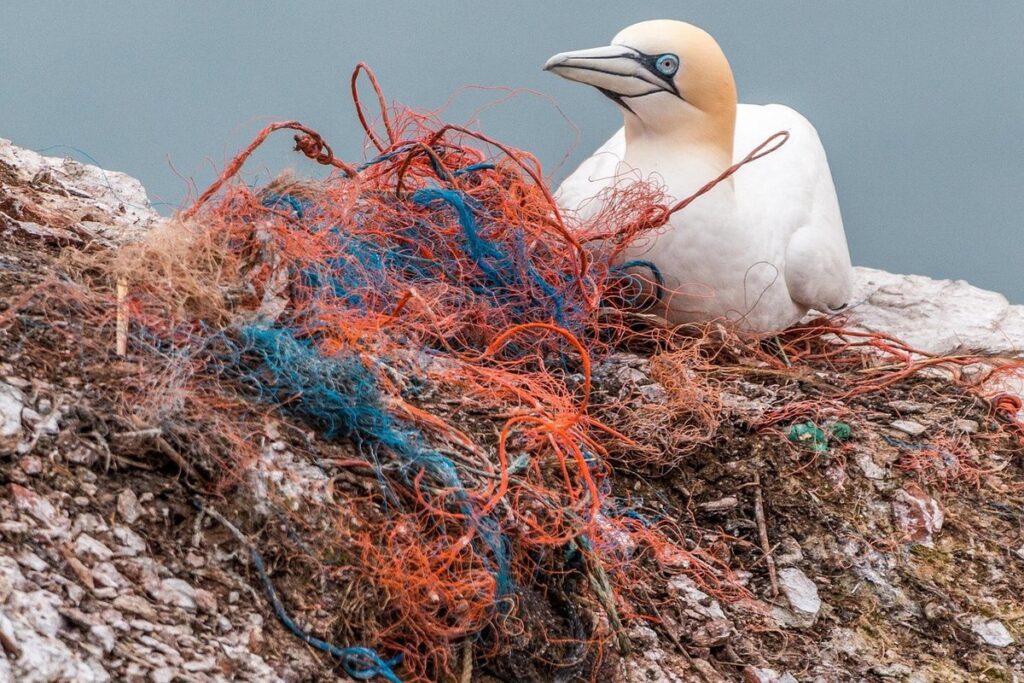
The Alarming State of Plastic Pollution
Every year, plastic pollution claims thousands of marine animals and contaminates our oceans, making it essential to understand just how dire the situation has become.
The statistics are shocking and paint a grim picture of what’s happening to our planet.
Global Plastic Production and Waste Generation
Global plastic production has surged in recent decades, from 5 million tons in 1950 to over 380 million tons in 2015. This exponential growth is largely driven by increasing demand for plastics in packaging, textiles, and other applications. As a result, the world generates a staggering amount of plastic waste, with an estimated 300-400 million tons of plastic waste already produced since the 1950s.
The majority of this plastic waste ends up in oceans and landfills, contributing to pollution and harming ecosystems. According to the World Economic Forum, if current trends continue, there will be more plastic than fish in the ocean by 2050. To put this into perspective, a small minority of plastic waste is actually recycled – typically less than 10% globally.
The statistics on global plastic production and waste generation are alarming, but they also highlight the need for urgent action. Governments, corporations, and individuals must work together to reduce plastic usage, improve recycling infrastructure, and implement sustainable practices to mitigate the devastating impact of plastic pollution. By understanding these statistics, we can take concrete steps towards a more environmentally friendly future.
Plastic Pollution by the Numbers: A Look at the Statistics
The staggering numbers behind plastic pollution are a grim reminder of the devastating impact we’re having on the environment. Annually, over 8 million tons of plastic waste enter our oceans, harming marine life and contaminating the food chain. To put this into perspective, if we were to dump two garbage trucks full of plastic waste every minute, that’s what it translates to in just a year.
The consequences are far-reaching. Plastic pollution is estimated to kill over 100,000 marine animals each year, including birds, fish, and mammals. In addition, microplastics have been found in 80% of tap water samples worldwide, highlighting the alarming rate at which plastic waste is infiltrating our drinking water supply.
To understand the true extent of the problem, consider this: if we don’t change our ways, there will be more plastic than fish in the ocean by 2050. This statistic should serve as a wake-up call for individuals and governments alike to take immediate action against plastic pollution. By making conscious choices about our daily habits and advocating for policy changes, we can start to reverse this trend and protect the planet from the ravages of plastic waste.
Sources of Plastic Pollution
So, where does all this plastic pollution come from? Let’s take a closer look at some of the most significant sources contributing to this widespread problem.
Single-Use Plastics and Their Contribution to Pollution
Single-use plastics are a major culprit behind plastic pollution. The statistics on single-use plastic usage and its effects on the environment paint a dire picture. According to recent studies, approximately 40% of plastic waste comes from single-use items such as bags, straws, water bottles, and cutlery.
The most alarming statistic is that it takes over 400 years for some single-use plastics to decompose. For example, a plastic water bottle can take up to 450 years to break down. Meanwhile, the average American uses around 167 plastic bags per year. The impact of these statistics is staggering: millions of marine animals die each year due to entanglement or ingestion of single-use plastics.
Reducing single-use plastics requires a multi-faceted approach. Governments and businesses can implement policies and practices that encourage reusable alternatives, such as banning single-use plastics or promoting refillable containers. Individuals can also make a difference by switching to cloth bags, stainless steel straws, and glass water bottles. Every small change counts in the fight against plastic pollution.
Microplastics: The Invisible Pollutant
Microplastics have infiltrated every aspect of our ecosystem, from the depths of the ocean to the food we eat. A staggering 15% of plastic waste enters the oceans as microplastics, which are defined as particles smaller than 5 millimeters. These tiny fragments can come from a variety of sources, including synthetic fibers from clothing, microbeads in personal care products, and even plastic bags that break down into smaller pieces.
Research has shown that microplastics have been found in 80% of tap water samples worldwide, with some countries reporting levels as high as 10 times the EU’s safety limit. The implications for human health are alarming: when ingested, microplastics can leach chemicals and toxins into our bodies, potentially leading to serious health problems.
To put this issue into perspective, consider that a single plastic water bottle can break down into over 1,000 microplastic particles within just a few months. To mitigate the impact of microplastics, many countries are now banning microbeads in personal care products and implementing policies to reduce synthetic fiber waste. By understanding the scope of this problem, we can work towards more effective solutions to contain and clean up microplastic pollution.
Impact of Plastic Pollution on the Environment
Plastic pollution has far-reaching consequences that affect not just marine life, but also soil quality and even human health. Let’s examine some alarming statistics on its impact on our planet.
Marine Life Affected by Plastic Pollution
Entanglement and suffocation of marine life are just two of the many ways plastic pollution affects ocean ecosystems. Sea turtles, for instance, often mistake plastic bags for jellyfish, their natural prey, leading to blockages that can be fatal. In fact, a staggering number of sea turtles have been found with plastic debris in their digestive tracts.
Plastic microbeads, used in face wash and toothpaste, also contaminate marine habitats when washed down drains. These tiny particles are consumed by filter-feeding organisms like plankton and small fish, which are then eaten by larger predators, introducing the toxins into the food chain.
Habitat destruction is another significant impact of plastic pollution on marine life. Discarded fishing gear, for example, can become entangled around coral reefs or other underwater structures, damaging these delicate ecosystems. The World Wildlife Fund reports that an estimated 100,000 marine animals die each year from entanglement in abandoned fishing nets alone. By making conscious choices about the products we use and supporting policies to reduce plastic waste, individuals can contribute to mitigating this devastating impact on marine life.
Soil and Air Pollution: The Unseen Consequences
Soil and air pollution are often overshadowed by more visible effects of plastic waste, but they pose significant threats to ecosystems and human health. When plastics break down, microplastics can contaminate soil through irrigation systems, composting, or direct application as mulch. Studies have shown that microplastics in soil can alter nutrient cycling and affect plant growth.
In the air, particles from plastic waste, including those released during combustion, can contribute to particulate matter (PM) pollution. Exposure to PM2.5 has been linked to increased respiratory problems and other health issues. The World Health Organization estimates that around 7 million people die annually due to air pollution, with a significant portion of this attributed to particulates.
Agricultural runoff and plastic debris can also lead to the release of chemicals like bisphenol A (BPA) and phthalates into soil and waterways. These pollutants have been linked to reproductive issues in wildlife and may affect human health through consumption of contaminated crops. To mitigate these effects, individuals can adopt practices like composting without microplastics or choosing plant-based mulches instead.
Human Health and Plastic Pollution
Plastic pollution is linked to serious health consequences, from respiratory problems to increased risk of cancer, affecting millions of people worldwide each year.
The most vulnerable populations are often those who rely on plastic-contaminated water sources for drinking.
Ingestion of Microplastics and Human Health Risks
Research has shown that microplastics have been found in human blood, breast milk, and even placentas. While the exact health effects of consuming microplastics are still being studied, the findings so far suggest a range of potential risks.
One concern is the transfer of pollutants from microplastics to the body’s tissues and organs. For example, studies have detected chemical contaminants such as PCBs (polychlorinated biphenyls) and PFOS (perfluorooctane sulfonate) on microplastic particles. These chemicals are known endocrine disruptors, which can interfere with hormone regulation and lead to reproductive problems.
Another potential risk is the physical harm caused by ingesting microplastics. Some research suggests that these particles can cause inflammation in the digestive tract and even enter the bloodstream, where they may be carried to other parts of the body. However, more studies are needed to fully understand the mechanisms behind this process.
The main route of microplastic exposure is through the food chain. A significant proportion of microplastics consumed by humans comes from plastic packaging in processed foods. To minimize exposure, it’s essential to choose products with minimal or biodegradable packaging and avoid consuming large amounts of processed foods.
Reducing plastic use at home can also help minimize the amount of microplastics released into the environment. This includes using reusable bags, water bottles, and straws, as well as choosing cleaning products that come in refillable containers rather than single-use plastic bottles.
Solutions to Reduce Plastic Pollution
Now that we’ve explored the alarming statistics surrounding plastic pollution, let’s look at some effective solutions to mitigate its devastating impact on our planet. We’ll examine practical ways you can contribute to reducing plastic waste.
Implementing Extended Producer Responsibility (EPR)
Implementing Extended Producer Responsibility (EPR) requires manufacturers to design products with recyclability and biodegradability in mind. This approach incentivizes companies to adopt sustainable practices by making them financially responsible for waste generated by their products. For instance, the European Union’s EPR policy has led to a significant increase in recyclable packaging, with countries like Germany and Sweden seeing over 90% of plastic bottles being collected for recycling.
A key aspect of EPR is take-back programs, where manufacturers are required to collect used products from consumers. This can be achieved through designated collection points or partnerships with retailers. For example, some companies have implemented “drop-off” locations where customers can return used batteries, electronics, and other items for proper disposal.
To effectively implement EPR, governments must work closely with industry stakeholders to establish clear regulations and guidelines. This includes setting standards for product design, waste management, and recycling practices. Manufacturers must also be held accountable for the environmental impact of their products throughout their entire lifecycle, from production to end-of-life disposal or recycling.
Community-Led Initiatives and the Role of Education
Community-led initiatives have proven to be effective in reducing plastic usage and promoting sustainable practices. For instance, the “Refuse the Straw” campaign in Bali, Indonesia, successfully reduced single-use plastics by 70% through community outreach and education programs. Similarly, a pilot project in Kenya provided affordable biodegradable bags to local vendors, decreasing plastic bag use by 90%.
In many communities, schools are at the forefront of environmental education. A program in India teaches children about the impact of plastic waste on marine life, inspiring them to take action. Students have organized beach cleanups and created art exhibitions using recycled materials.
Education plays a crucial role in these initiatives, often combined with hands-on activities like workshops or community events. By engaging local residents and providing actionable tips, community-led projects empower individuals to make sustainable choices. Successful examples can be replicated and scaled up to address the widespread issue of plastic pollution.
Call to Action: Reducing Plastic Pollution Requires Collective Effort
So, what can we do to combat plastic pollution after learning these alarming statistics? Let’s explore effective actions individuals and communities can take today.
Individual Actions to Reduce Plastic Use
Reducing plastic pollution requires a collective effort, and individual actions can significantly contribute to this cause. Government policies and large-scale solutions are crucial, but they cannot succeed without changes in consumer behavior. By making a few simple adjustments to daily habits, individuals can make a meaningful impact.
Start by assessing your household’s plastic usage. Go through each room and identify areas where plastic is used excessively, such as the kitchen or bathroom. Then, look for alternatives like stainless steel or glass containers for storing food and drinks. Reusable bags and produce bags made from breathable materials are also great substitutes for single-use plastics.
Another key area to focus on is personal care products. Choose shampoos, conditioners, and lotions that come in solid or refillable packaging. Many brands now offer these options, making it easier than ever to make the switch. Finally, adopt a zero-waste mindset when shopping by refusing plastic bags, straws, and water bottles whenever possible. These small changes may seem insignificant on their own but collectively can lead to significant reductions in plastic waste.
Encouraging Policy Change and Systemic Reform
Reducing plastic pollution on a global scale requires more than individual actions; it demands collective effort and systemic change. Governments, corporations, and institutions must work together to implement policies and reforms that address the root causes of plastic waste.
One crucial step is to establish Extended Producer Responsibility (EPR) policies. This means manufacturers are held accountable for the waste generated by their products, incentivizing them to design more sustainable packaging and business models. For instance, countries like Sweden and Norway have implemented EPR policies, resulting in significant reductions in litter and plastic waste.
Another key strategy is to support circular economy initiatives that promote reuse, recycling, and composting. This can be achieved through investing in infrastructure, such as sorting facilities and recycling technologies, as well as providing education and outreach programs for consumers. By implementing these systemic reforms, we can create a culture of sustainability where plastic pollution is minimized and waste management is prioritized. Governments, businesses, and individuals must work together to make this vision a reality.
Frequently Asked Questions
How Can I Measure the Success of My Individual Actions to Reduce Plastic Use?
Start by tracking your daily plastic usage and waste generation. Use a journal or mobile app to monitor your progress and identify areas for improvement. You can also set realistic targets, such as reducing your single-use plastic water bottle consumption by half within a month. Regularly reviewing your data will help you adjust your strategies and celebrate small victories.
Is Extended Producer Responsibility (EPR) the Only Solution to Reduce Plastic Pollution?
No, EPR is just one of many policy approaches that can help reduce plastic pollution. While EPR holds manufacturers accountable for waste generated by their products, other solutions include increasing recycling rates, implementing deposit-refund systems, and promoting biodegradable alternatives. A combination of policies and individual actions can create a more significant impact.
What if My Community or Country Does Not Have Effective Recycling Programs?
In this case, consider organizing community-led initiatives to raise awareness about plastic pollution and promote waste reduction practices. You can also advocate for policy change by contacting local government representatives or joining environmental organizations. Additionally, explore alternatives like composting or participating in local clean-up events.
Can I Reduce Plastic Pollution by Using Biodegradable Products Instead of Regular Plastics?
While biodegradable products may seem like a solution, they often have limitations and potential drawbacks. For example, their degradation process can still harm the environment, and some bioplastics might not be readily available or affordable. As a general rule, reduce your plastic usage by minimizing single-use plastics and opting for reusable alternatives whenever possible.
What if I’m Living in an Area with Limited Access to Recycling Facilities or Proper Waste Management?
In areas with inadequate waste management infrastructure, focus on reducing your plastic use through individual actions like carrying reusable bags, water bottles, and coffee cups. You can also explore community-led initiatives or collaborate with local authorities to advocate for improved waste management systems.

