
The UK is home to some of the most breathtaking and diverse landscapes in the world, and there’s no better way to experience them than on a country walk. Whether you’re a seasoned hiker or just looking for a leisurely stroll, the UK’s countryside has something for everyone. From the rugged mountains of Scotland to the rolling hills of the Cotswolds, each region has its own unique character, shaped by history, culture, and the incredible wildlife that inhabits it. But with so many options, it can be hard to choose the right walk for you. That’s why we’ve put together this guide to the best UK country walks, including expert tips and guides to help you plan your next adventure. By the end of this article, you’ll have the knowledge and confidence to discover the hidden gems of the UK’s countryside, and plan your own unique and unforgettable country walk.
Choosing the Perfect Walk for You
When venturing into the UK countryside, selecting the right walk is crucial to ensure a safe and enjoyable experience. Let’s look at the key factors to consider when choosing a walk that suits your fitness level and interests.
Types of Walks to Suit Your Ability
When venturing out on a UK country walk, it’s essential to choose a route that suits your ability. The types of walks available vary greatly, from easy strolls to moderate treks and challenging hikes. Easy strolls, often marked with a gentle pace and minimal elevation gain, are perfect for those looking to enjoy the scenery without exerting themselves too much. These walks are typically shorter, around 2-3 miles, and may include gentle slopes and minimal obstacles.
Moderate treks, on the other hand, are great for those who want to challenge themselves a bit more. These walks usually range from 4-6 miles and involve more significant elevation gain, often with some steeper slopes and possible obstacles like streams or uneven terrain. Examples of moderate treks can be found in the Yorkshire Dales, where walkers can enjoy stunning views of the national park’s rolling hills and picturesque villages.
Challenging hikes, typically 7 miles or more, are for experienced walkers who are comfortable with more demanding terrain and longer distances. These hikes often involve significant elevation gain, steep slopes, and possible obstacles like scree or rocky terrain. The Lake District is home to many challenging hikes, including the infamous Scafell Pike, the highest peak in England. Whatever your ability, it’s crucial to choose a walk that suits you to ensure a safe and enjoyable experience.
Planning Your Walk in Advance
Before setting out on your country walk, it’s crucial to plan your route and check the weather forecast. You can find detailed maps of the UK’s countryside online or purchase a local guidebook to help you navigate. Consider downloading a mapping app on your smartphone, such as OS Maps or ViewRanger, which allows you to download maps for offline use and track your route. Additionally, check for any restrictions or closures along your planned route, especially during peak season.
When planning your walk, think about the terrain and any potential hazards. For example, if you’re planning to walk in a valley, be aware of the risk of landslides or flooding. Research any local events or festivals that might affect your route, such as road closures or increased foot traffic. It’s also essential to check the weather forecast regularly, as conditions can change rapidly in the UK’s unpredictable climate. Finally, consider letting someone know your planned route and estimated return time, so they can raise an alarm if you’re overdue.
Essential Gear and Safety Considerations
When venturing out on a UK country walk, it’s essential to dress for the weather and terrain. Pack layers for unpredictable British conditions, including a waterproof jacket and trousers, a warm hat, and gloves. Consider wearing sturdy, waterproof boots with good grip to handle muddy trails and potential rain. Insect repellent and sun protection are also crucial, especially during peak summer months.
For safety, always let someone know your walking route and estimated return time. Carry a map, compass, and GPS device or smartphone with a GPS app. Bring a basic first-aid kit, including essentials like bandages, antiseptic wipes, and pain relievers. A whistle can help you signal for help in an emergency. Be mindful of livestock grazing areas and keep dogs under control. Stay hydrated by bringing a refillable water bottle and packing energy-rich snacks, such as nuts and dried fruits. A basic toolkit with a pocket knife, scissors, and pliers can also come in handy for minor repairs.
Top 10 Country Walks in the UK
If you’re looking for a challenge and a chance to immerse yourself in breathtaking scenery, we’ve rounded up the top 10 country walks in the UK.
The Lake District’s Most Scenic Trails
The Lake District’s scenic trails are a walker’s paradise, with breathtaking views of rolling hills, sparkling lakes, and picturesque villages. One of the top trails in the area is the Helvellyn Horseshoe, a 10-mile circuit that takes in some of the region’s most stunning scenery. The trail is considered challenging, with steep ascents and rugged terrain, but the reward is well worth the effort. Along the way, walkers can take in the majestic views of Striding Edge, a narrow ridgeway with drops of over 1,000 feet on either side.
Notable features of the trail include the picturesque village of Grasmere, famous for its connections to William Wordsworth, and the tranquil beauty of Ullswater Lake, the second-largest lake in the Lake District. The trail also passes through the stunning Red Tarn, a picturesque tarn surrounded by towering mountains. With its unique combination of natural beauty and cultural heritage, the Helvellyn Horseshoe is a must-do for any serious walker looking to experience the best of the Lake District.
Exploring the Yorkshire Dales
The Yorkshire Dales National Park is a haven for hikers and nature enthusiasts, with its rolling hills, picturesque valleys, and scenic villages. The area is home to several top-rated country walks, including the Malham Cove and Gordale Scar circular route, which spans approximately 5 miles and is classified as moderate in difficulty.
This walk is notable for its unique geological features, including the stunning limestone cliffs of Malham Cove and the picturesque Gordale Scar waterfall. Hikers can also explore the charming village of Malham, with its historic pub and tea rooms, and visit the nearby Malham Tarn, a picturesque lake surrounded by woodland.
In terms of practical advice, it’s essential to wear suitable footwear and layers, as the weather in the Yorkshire Dales can be unpredictable, even in the summer months. Additionally, hikers should be aware of any access restrictions or closures due to lambing or other wildlife activities. With its breathtaking scenery and rich history, this walk is a must-do for anyone exploring the Yorkshire Dales.
Discovering the Scottish Highlands
The Scottish Highlands offer some of the most breathtaking scenery in the UK, with towering mountains, sparkling lochs, and heather-covered moors. For those who want to experience this rugged beauty firsthand, the West Highland Way is a top 10 country walk that should not be missed. This 96-mile trail typically takes around 5-7 days to complete and is considered a challenging walk due to its length and terrain.
The West Highland Way takes you through some of the most stunning landscapes in Scotland, including the iconic Glen Coe and the picturesque village of Kinlochleven. Along the way, you’ll have the opportunity to spot a wide range of wildlife, including golden eagles, red deer, and wild goats. The trail also passes by several historic sites, including the ruins of the 13th-century Rosslyn Chapel.
To make the most of your West Highland Way experience, it’s essential to plan ahead and book your accommodations and transportation in advance. You should also pack sturdy hiking boots, waterproof clothing, and layers for changing weather conditions. Additionally, be sure to respect the local environment and wildlife, and follow any guidelines or regulations provided by the trail authorities. With careful planning and preparation, the West Highland Way is an unforgettable adventure that will leave you in awe of the Scottish Highlands’ natural beauty.
Wildlife and Nature in the UK Countryside
As you wander through the UK countryside, keep an eye out for the incredible wildlife and natural beauty that surrounds you, from birdsong to wildflowers.
Common Wildlife Spotted on Country Walks
As you walk through the rolling hills and verdant valleys of the UK countryside, you’re likely to spot a variety of wildlife. Birds such as pheasants, partridges, and grouse are common, particularly in areas with dense vegetation. Keep an eye out for birds of prey like buzzards, kestrels, and sparrowhawks, which patrol the skies above.
Insects like bees, butterflies, and dragonflies flit about, adding splashes of color to the landscape. Look for small mammals like rabbits, hares, and mice, which scurry through underbrush and grasslands. You may even catch a glimpse of a deer or two, particularly in areas with woodlands and scrubland.
When encountering wildlife, remember to respect their habitats and keep a safe distance. Avoid disturbing nests or young animals, and never attempt to feed or touch the creatures. By observing from a distance, you can appreciate the beauty and diversity of the UK’s countryside wildlife without disrupting their natural behavior.
The Importance of Nature Conservation
Human activity in the UK countryside has a profound impact on the environment, from pollution and habitat destruction to climate change and wildlife decline. As country walkers, it’s essential to acknowledge this impact and take steps to mitigate it. One of the most significant threats to the natural world is the loss of biodiversity. The UK’s wildlife is under pressure from human activities such as intensive farming, urbanization, and pollution, which have led to the decline of many species.
Country walkers can play a vital role in protecting the natural world by adopting environmentally friendly practices. This includes reducing litter and waste, staying on designated paths to avoid damaging habitats, and respecting wildlife habitats and restrictions. Additionally, walkers can support conservation efforts by donating to organizations such as the Woodland Trust or the Wildlife Trusts. By doing so, they can help protect the UK’s precious wildlife and natural habitats for future generations to enjoy. By being mindful of their impact and taking small steps, country walkers can contribute to a more sustainable and environmentally conscious countryside.
Seasonal Changes and Their Effects on the Countryside
The UK countryside is a haven of seasonal changes, with each time of year bringing its unique character and charm. In the spring, the countryside is abuzz with new life, as plants and animals emerge from their winter dormancy. The air is filled with the sweet scent of blooming flowers, and the gentle hum of bees as they collect nectar. This is an ideal time for spotting baby animals, such as lambs and rabbits, and witnessing the vibrant colors of spring growth.
Summer brings warmth and long days, perfect for exploring the countryside on foot. However, it also means that the countryside can become parched and dry, making it essential to stay hydrated during your walk. The summer months are also peak tourist season, so be prepared for more foot traffic and potential crowds.
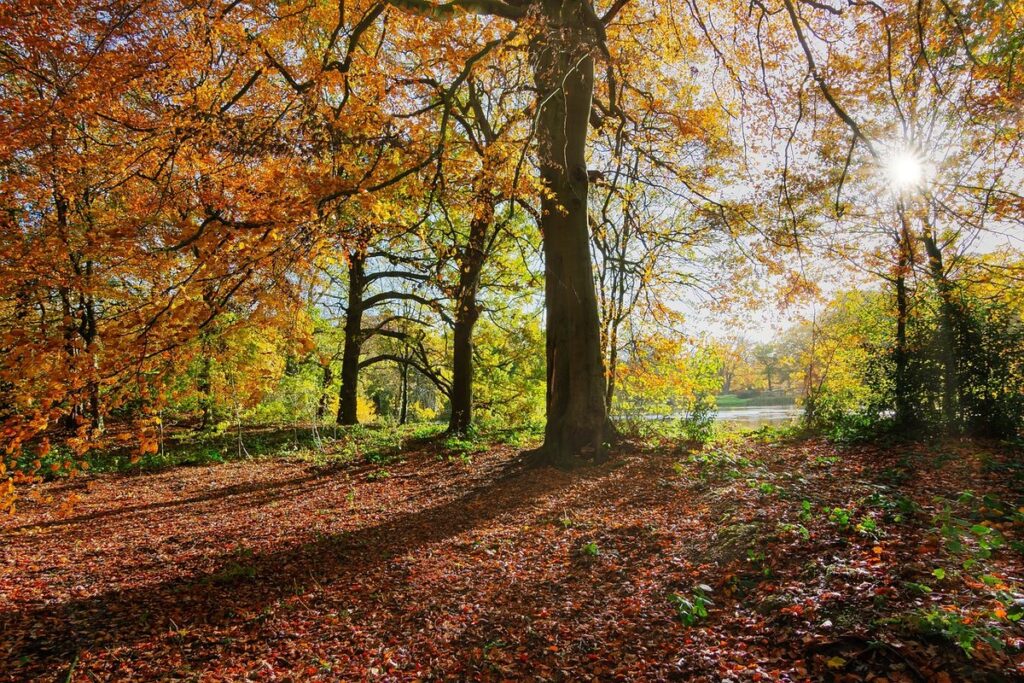
As autumn arrives, the countryside is bathed in a warm, golden light, with the leaves of trees turning brilliant shades of orange and red. The air is crisp and cool, making it an excellent time for a brisk walk. Be aware that the autumnal foliage can sometimes hide hidden hazards, such as fallen branches and uneven terrain.
In the winter, the countryside takes on a serene, peaceful quality, with frosty mornings and snow-covered landscapes. This is a great time for spotting wildlife, such as deer and pheasants, which are more active during the cold weather. However, be sure to check the weather forecast and trail conditions before heading out, as some paths may be closed due to snow or ice.
Tips for a Successful Country Walk
To get the most out of your UK country walks, make sure you’re prepared with the right gear and a clear understanding of the terrain. Proper planning is key to a safe and enjoyable experience.
Packing the Right Gear and Snacks
When venturing out on a UK country walk, it’s essential to pack the right gear and snacks to ensure a safe and enjoyable experience. Start by bringing at least 2 liters of water per person, as well as a refillable container for any water sources you might encounter. Aim for snacks that are high in energy and low in weight, such as nuts, dried fruits, and energy bars. Consider packing a lightweight picnic lunch or sandwiches, but avoid heavy or greasy foods that can cause discomfort on the move.
In addition to food and water, don’t forget to pack essential emergency supplies, including a first aid kit, a map, and a mobile phone with a charger. It’s also a good idea to bring a whistle to signal for help in case of an emergency. If you’re planning a long or challenging walk, consider packing a small backpack with extra clothes, a warm hat, and a lightweight emergency blanket.
In terms of specific gear, consider the time of year and the terrain you’ll be walking on. In the winter, pack warm clothing, including gloves and a hat, while in the summer, prioritize sun protection, including sunscreen, a hat, and sunglasses.
Staying Hydrated and Fed on the Go
When venturing out on a country walk, it’s essential to stay hydrated and fueled to maintain your energy levels and enjoy the scenery. A good rule of thumb is to pack at least two litres of water per person, considering the length and intensity of your walk. You can also opt for a refillable water bottle to reduce waste and save money. In terms of snacks, aim for a mix of complex carbohydrates, protein, and healthy fats to keep your hunger and energy levels stable. Fresh fruits, nuts, and energy bars are excellent choices, while sandwiches, wraps, or energy-rich biscuits can provide a satisfying boost.
It’s also a good idea to pack a small picnic lunch if you’re planning a longer walk. Consider including items like cheese, crackers, and fruit, which are easy to carry and won’t spoil quickly. Don’t forget to bring a small blanket or towel to sit on during your break, and take advantage of scenic spots to refuel and recharge. To avoid wasting energy on unnecessary hunger pangs, try to eat a balanced meal or snack every 30-60 minutes. This will help maintain your energy levels and ensure you can fully appreciate the beauty of your surroundings.
Dealing with Inclement Weather
When rain or strong winds threaten to dampen your country walk, it’s essential to be prepared. In the UK, rain showers can be unpredictable, so it’s crucial to pack accordingly. Bring a waterproof jacket or poncho, as well as a spare set of clothes in case you get soaked. A compact umbrella can also be a lifesaver on windy days.
If you’re caught in a downpour, look for shelter under a tree or a building. However, be aware of potential hazards like flooded paths or fallen branches. In extreme cases, consider seeking shelter in a nearby pub or café, where you can warm up with a hot drink.
In addition to rain gear, consider packing wind-resistant clothing and sturdy footwear with good grip. This will help prevent blisters and slips on wet surfaces. For particularly windy days, consider choosing a route with more sheltered sections or adjusting your itinerary to avoid exposed areas.
In the UK, it’s not uncommon for weather conditions to change quickly. Stay vigilant, check the forecast regularly, and be prepared to adapt your plans if necessary. With the right gear and a flexible attitude, you can still enjoy a successful and enjoyable country walk despite inclement weather.
UK Country Walks: History and Culture
As we wander through the rolling hills and picturesque villages of the UK, we’re not just admiring the scenery – we’re walking in the footsteps of history. From ancient footpaths to literary landmarks, our country walks are steeped in rich culture and heritage.
The History of Walking in the UK
Walking has a rich history in the UK, dating back to the Neolithic era when ancient footpaths were used for trade and migration. The Romans later developed more extensive networks of roads and pathways, some of which still exist today. During the Middle Ages, footpaths and bridleways were established to connect villages and towns, often following natural routes such as river valleys and ridges.
The Industrial Revolution brought significant changes to the countryside, with the construction of canals, roads, and railways. However, this also led to the decline of traditional footpaths as trade and commerce shifted to more mechanized forms. It wasn’t until the 20th century that a renewed interest in walking and conservation led to the development of modern walking trails. The Ramblers organization, established in 1931, played a crucial role in promoting and preserving footpaths and open spaces.
Today, the UK’s National Trails and the Rights of Way system provide a comprehensive network of footpaths and bridleways for walkers to enjoy. Many of these trails have been created on former industrial or agricultural land, showcasing the beauty of restored environments.
Cultural Significance of Country Walks
Country walks have long been an integral part of British culture, shaping the nation’s identity and promoting tourism. They offer a unique opportunity for people to connect with nature, explore local history, and experience the country’s rich heritage. The scenic trails and picturesque landscapes of the UK countryside have inspired countless artists, writers, and poets, including the likes of J.M.W. Turner and Alfred Wainwright.
The cultural significance of country walks can be seen in the numerous festivals and events that take place throughout the year, such as the annual Cotswold Way Challenge and the Lake District Summer of Music. These events not only celebrate the beauty of the countryside but also bring communities together, fostering a sense of pride and connection to the land. For tourists, country walks provide a chance to experience the local way of life, try traditional pub food, and purchase handmade crafts.
To appreciate the cultural significance of country walks, visitors can try the following:
- Attend a local festival or event to experience the community’s passion for the countryside
- Visit a traditional pub to sample local ales and try traditional pub food
- Explore the local history and heritage by visiting museums and historic sites along the trail
- Take a guided walk to learn about the region’s unique geology, flora, and fauna
Community Engagement and Country Walks
Community walks play a vital role in fostering a sense of community and promoting social connections among walkers. As walkers explore the UK’s countryside, they often encounter local residents, shopkeepers, and business owners who benefit from the economic boost generated by walkers’ spending. By choosing to stay in local accommodations, eat at village pubs, and purchase goods from local shops, walkers can directly support the local economy. This not only injects funds into the community but also helps preserve traditional industries, such as farming and craftsmanship.
To maximize the community engagement aspect of your walk, consider the following: research local events and festivals that coincide with your walk, attend village fairs or farmers’ markets, and engage with locals by asking about their experiences and knowledge of the area. Some walks even offer guided tours, led by knowledgeable locals who can share insights into the region’s history, geology, and culture. By participating in these activities, you’ll not only enhance your walking experience but also contribute to the well-being of the communities you visit.
Frequently Asked Questions
Can I do a UK country walk with my pet dog?
Yes, many UK country walks are pet-friendly, but it’s essential to check the trail’s rules and regulations beforehand to ensure your furry companion is allowed. Also, remember to clean up after your dog and dispose of waste properly to respect the natural environment.
What if I encounter inclement weather on my walk and can’t continue?
If you encounter severe weather conditions, such as heavy rain or strong winds, it’s best to seek shelter or turn back to ensure your safety. Consider carrying a waterproof jacket, hat, and gloves, and always check the weather forecast before heading out. If you’re unable to complete your walk, don’t worry – you can always plan another day for a more pleasant outing.
How can I make my country walk more sustainable?
To make your country walk more sustainable, try to minimize your impact on the environment by carrying a reusable water bottle, refusing single-use plastics, and sticking to designated paths to avoid damaging vegetation. You can also consider reducing your carbon footprint by carpooling or using public transportation to reach the trailhead.
Can I use my phone’s GPS for navigation on a UK country walk?
While it’s possible to use your phone’s GPS for navigation, it’s not always reliable, especially in areas with poor signal coverage. Consider bringing a map and compass as a backup, and learn basic navigation skills to ensure you can find your way back to civilization if needed.
How do I know if a UK country walk is suitable for my mobility needs?
When choosing a UK country walk, consider your mobility needs and select a trail that suits your abilities. Look for trails with accessible paths, few obstacles, and regular rest stops. You can also research the trail’s difficulty level and read reviews from other walkers to get a better idea of what to expect.

