
As the last wisps of winter’s chill dissipate, the earth begins to stir, and with it, the promise of renewal and rebirth. The spring equinox, a moment of balance between light and darkness, has been celebrated by cultures across the globe for centuries. For many, it’s a time of renewal, a fresh start, and a chance to reboot their lives, gardens, and homes. But what does it truly mean to welcome the spring equinox, and how can we harness its energy to revitalize our lives? In this article, we’ll explore the significance of the spring equinox, from ancient rituals to modern celebrations, and offer practical tips on how to prepare for its arrival. We’ll share gardening advice, decluttering guidance, and wellness practices to help you make the most of this special time of year, so you can emerge feeling refreshed, renewed, and ready to take on the season.
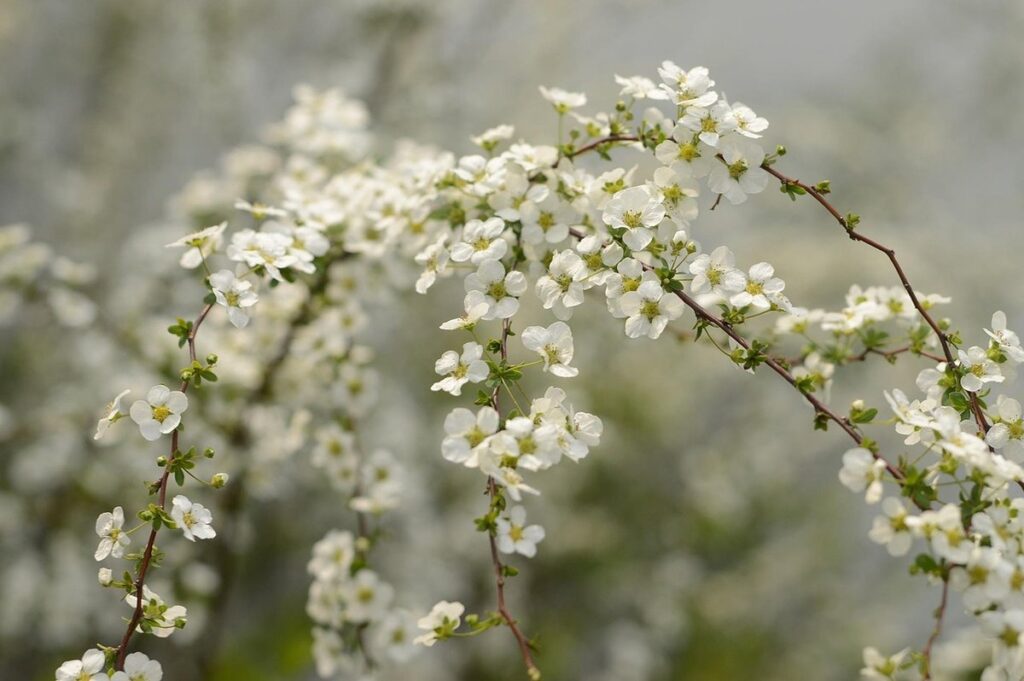
Understanding the Spring Equinox
The Spring Equinox marks the beginning of longer days and warmer temperatures, but what exactly happens during this magical time of year? Let’s break down the science behind this significant seasonal shift.
What is the Spring Equinox?
The spring equinox is the moment when day and night are approximately equal in length, marking the beginning of spring in the Northern Hemisphere. This event occurs when the sun crosses the celestial equator, shifting the tilt of the Earth’s axis towards the sun, resulting in longer days and shorter nights. From an astronomical perspective, the spring equinox falls on March 20 or 21 in the Northern Hemisphere, and September 22 or 23 in the Southern Hemisphere, when the Earth’s axis is tilted at a 23.5-degree angle towards the sun.
From a meteorological standpoint, the spring equinox marks the beginning of spring’s warmer and wetter conditions, as the Earth’s axis continues to tilt towards the sun. This shift in the planet’s axis brings increased sunlight, warmer temperatures, and more precipitation, signaling the end of winter’s chill. The spring equinox is a significant event in the Earth’s annual cycle, and its precise timing varies slightly each year due to the Earth’s elliptical orbit around the sun.
Ancient Cultures and the Spring Equinox
Ancient cultures around the world celebrated the spring equinox with rituals and ceremonies that honored the return of light and life. In ancient Mesopotamia, the spring equinox marked the beginning of the new year, a time when the Babylonians would hold festivals to honor the goddess Ishtar. Similarly, in ancient Egypt, the spring equinox was a time of renewal, when the pharaohs would engage in elaborate rituals to ensure the fertility of the land.
In many indigenous cultures, the spring equinox was seen as a time of rebirth and regeneration. For example, the Native American tribes of the northeastern United States would celebrate the spring equinox with the Green Corn Ceremony, a time-honored tradition that marked the beginning of the new growing season. This ceremony involved the planting of corn, beans, and squash, and was accompanied by music, dance, and feasting.
Some of these ancient cultures also had a deep understanding of astronomy, and the spring equinox was often seen as a time of alignment between the earth and the celestial bodies. For example, the ancient Greeks believed that the spring equinox marked the time when the sun entered the sign of Aries, a time of great cosmic significance. By studying these ancient cultures, we can gain a deeper appreciation for the significance of the spring equinox and the ways in which it has been celebrated throughout history.
Modern Significance and Cultural Celebrations
The spring equinox continues to hold significant cultural and spiritual importance today, with many modern festivals and traditions honoring the return of light and life. For example, the ancient Celtic festival of Ostara, which celebrated the arrival of spring, has been revived in modern times and is now celebrated by many pagans and nature-based spiritual groups. In some parts of Europe, people still gather to decorate eggs, a tradition that dates back to the early Christian church, but has its roots in ancient fertility rituals.
In Japan, the spring equinox is celebrated as Shunbun no Hi, a national holiday that honors the return of spring. People typically visit shrines and temples, offer prayers, and honor their ancestors. In many parts of the world, people also mark the spring equinox with outdoor activities such as hiking, gardening, and picnics, celebrating the return of warmer weather and longer days. By incorporating these modern celebrations into your own spring equinox traditions, you can connect with the natural world and honor the cycle of life. Consider attending a local festival or gathering, or simply taking a moment to appreciate the beauty of the season.
Preparing for the Spring Equinox
As we edge closer to the Spring Equinox, it’s essential to prepare your space and mindset for the season of renewal that’s about to unfold, allowing you to truly reap its benefits.
Preparing Your Garden for Spring
As the spring equinox approaches, it’s time to awaken your garden from its winter slumber. Start by assessing the soil’s condition: test its pH level and nutrient content to determine the best amendments. Most gardens benefit from a 2-3 inch layer of compost or well-rotted manure, which will help improve drainage and fertility. If you haven’t done so already, prune any deciduous trees and shrubs, cutting back dead branches and shaping the plant’s form.
Next, plan your planting schedule. In temperate climates, it’s generally safe to start planting cool-season crops like broccoli, kale, and spinach 4-6 weeks before the equinox. Warm-season crops like tomatoes, peppers, and eggplants can be planted a few weeks later, when the soil has warmed up. Make sure to choose varieties that are resistant to common pests and diseases in your area. Finally, consider implementing integrated pest management (IPM) strategies, such as companion planting and crop rotation, to minimize chemical use and promote a balanced ecosystem.
Some essential tasks to complete before the spring equinox include:
- Cleaning and sharpening gardening tools
- Inspecting and repairing garden structures like fences and trellises
- Preparing containers and seed starting mixes for indoor seedlings
- Sowing seeds for early spring flowers like pansies and violas
Decluttering and Renewal: A Guide to Spring Cleaning
As the spring equinox approaches, it’s the perfect time to refresh and renew your living space. Decluttering and organizing your home can be a therapeutic and invigorating process, mirroring the cyclical renewal that occurs in nature during this time. Start by clearing out cluttered areas, such as closets, cupboards, and shelves. Be ruthless – if you haven’t used it in the past year, it’s likely time to let it go.
Consider the 3Rs: reduce, reuse, recycle. Donate gently used items to charity, sell or give away items that still have value, and recycle materials whenever possible. For example, sort through old papers and documents, and shred or recycle those that are no longer needed. This not only frees up physical space but also lightens your mental load.
When decluttering, pay attention to areas where energy tends to stagnate, such as entryways and hallways. These spaces can benefit from a spring cleaning of their own, with a focus on clearing out stagnant air and inviting in fresh energy. Open windows, use a diffuser with spring-inspired scents, and consider adding some greenery to your space to bring in a sense of renewal.
Spring Equinox Rituals and Traditions for Home and Family
Incorporating spring equinox rituals and traditions into your daily life can bring harmony and balance to your home and family. Start by creating a sacred space in your home, free from distractions and clutter, where you can focus on renewal and growth. Light candles or lanterns to symbolize the return of light, and place fresh flowers or greenery in a prominent area to represent new life.
You can also adopt a spring equinox tradition from another culture, such as the Japanese custom of Ohanami, which involves picnicking under blooming cherry blossoms. Alternatively, draw inspiration from ancient Celtic practices, where people would hold feasts to celebrate the return of the sun.
Some simple rituals you can try at home include setting intentions for the new season, either through meditation or journaling, and creating a vision board to represent your goals and aspirations. You can also hold a family ritual, such as having a spring equinox dinner, where everyone shares their hopes and dreams for the season. By incorporating these traditions into your daily life, you can cultivate a deeper connection to nature and the cycle of life.
Health and Wellness During the Spring Equinox
As we welcome the return of longer days and warmer sunshine, it’s essential to prioritize our health and wellness during this transformative time. Let’s focus on simple yet effective ways to nourish our bodies and minds.
Spring Allergies and Seasonal Health Concerns
As the days grow longer and the sun shines brighter, many people experience a range of health concerns that can dampen the joy of spring. Spring allergies are a common issue, triggered by the release of pollen from trees, grasses, and weeds. For those with seasonal allergies, symptoms can include itchy eyes, congestion, and a runny nose. Sinus pressure and headaches are also common complaints.
Seasonal affective disorder (SAD) is another concern during the spring equinox. While it’s often associated with winter, some people experience a milder form of SAD in the spring, known as spring-onset SAD. This can manifest as feelings of lethargy, anxiety, or depression.
To mitigate these effects, consider incorporating some simple health practices into your routine. Start by getting outside during the early morning or late afternoon when pollen counts tend to be lower. Wear a mask when gardening or engaging in other outdoor activities that stir up pollen. Also, prioritize self-care, such as taking regular breaks to stretch and move your body, and making time for activities that bring you joy.
Spring Wellness Tips: Diet, Exercise, and Self-Care
As the seasons shift, so do our energy levels and immune systems. A gentle approach to diet, exercise, and self-care can help you thrive during the spring equinox. Start by incorporating seasonal foods rich in vitamin C, such as citrus fruits and leafy greens, into your meals. These will not only boost your immune system but also provide essential nutrients for the renewal of your body.
Incorporate gentle exercises that promote flexibility and circulation, like yoga or tai chi, into your daily routine. Avoid high-impact activities that may exacerbate allergies or joint pain. Spend time outdoors, but take breaks from pollen-heavy plants and areas with high grass.
Prioritize self-care by setting aside time for relaxation and stress relief. Try a warm bath with Epsom salts or practice deep breathing exercises to calm your mind and body. Create a bedtime routine that signals to your body it’s time to rest, such as reading a book or listening to soothing music. By making these simple adjustments, you’ll be better equipped to handle the energetic shifts of the spring equinox and celebrate its renewal.
Nourishing Body and Soul: Traditional Spring Foods and Remedies
In many ancient cultures, spring was a time to rebalance the body and rejuvenate the spirit. Traditional spring foods played a crucial role in this process. For example, in traditional Chinese medicine, spring is associated with the wood element, which is linked to growth and renewal. Foods that are “woody” in nature, such as asparagus, wheat grass, and leafy greens, were considered particularly beneficial during this time.
In Ayurvedic tradition, spring is a time to focus on Pitta-balancing foods that are cooling and calming. These might include cucumber, coconut water, and ghee. Incorporating these foods into your diet can help to mitigate the heat and inflammation that can come with the warmer months.
Some traditional spring remedies include herbal teas, such as peppermint and dandelion root, which are said to promote digestion and detoxification. Others, like elderflower and nettle, are believed to support immune function and reduce inflammation. Consider incorporating these into your routine as a way to nourish your body and soul during the spring equinox.
Celebrating the Spring Equinox in Nature
As the final hints of winter fade, it’s time to immerse yourself in the vibrant renewal of spring, and what better way to do that than by spending time outdoors amidst nature’s rebirth.
Outdoor Activities for Spring Equinox: Hiking, Gardening, and More
As the days grow longer and warmer, the spring equinox is the perfect time to get outside and reconnect with nature. Hiking is a great way to celebrate the return of light and life, and many parks and trails offer guided tours or self-guided routes for all skill levels. Consider taking a hike to a nearby body of water, such as a lake or river, to enjoy the sounds of birdsong and the sight of blooming wildflowers.
Gardening is another popular outdoor activity for the spring equinox. Planting seeds or seedlings in your garden is a symbolic way to mark the beginning of the growing season. Choose plants that are native to your area and that will bloom in the coming weeks, such as tulips or daffodils. If you don’t have a garden, consider starting a small container garden on a balcony or patio.
Other outdoor activities to consider include birdwatching, which can be as simple as setting up a feeder or bird bath in your backyard, or taking a nature photography walk to capture the beauty of the season.
Connecting with Nature: Mindfulness and Meditation for Spring
As the spring equinox arrives, the natural world awakens from its winter slumber, and the air is filled with the sweet scent of blooming flowers. This is the perfect time to reconnect with nature and cultivate a sense of balance and harmony. Mindfulness and meditation practices can help you tap into the calming and restorative energy of the season.
Try a nature walk meditation, where you pay attention to the sensation of your feet touching the earth, the sounds of birds chirping, and the sights of blooming flowers. You can also incorporate sensory exploration into your meditation practice by noticing the sensation of the sun’s warmth on your skin or the gentle breeze rustling through your hair. For example, sit outside with your eyes closed and focus on the sensation of the breeze carrying the scent of blooming flowers towards you.
Another practice is to create a spring-themed alter in a peaceful outdoor spot, and spend time sitting or lying down amidst the natural beauty. Bring a journal and write down your thoughts, intentions, and gratitudes. You can also incorporate gentle stretches or yoga poses to further connect with your body and the natural world.
Creating a Spring Equinox Journal: Reflections and Intentions
When creating a spring equinox journal, consider dedicating a section to reflecting on your personal growth and progress since the previous equinox. Set aside a few moments to review your intentions from last year and acknowledge any accomplishments. Be honest with yourself about areas where you’d like to see improvement.
To set new intentions, ask yourself what you hope to cultivate or achieve in the coming season. Consider your goals in three key areas: relationships, personal growth, and contributions to your community. Write down specific, actionable steps you can take to move closer to your goals.
Incorporate prompts and questions to guide your reflection and intention-setting. For example, what are you grateful for in your life right now? What are you looking forward to in the coming months? What self-care practices will you prioritize to nourish your mind, body, and spirit?
Remember to keep your intentions realistic and achievable. Break down larger goals into smaller, manageable tasks to avoid feeling overwhelmed. By setting clear intentions and regularly reviewing your progress, you’ll be better equipped to navigate life’s challenges and celebrate your successes.
Conclusion and Reflections
As we come to the end of our exploration of the Spring Equinox, it’s essential to reflect on the significance of this momentous occasion. The return of light and life is a potent reminder that even in the darkest of times, renewal and rebirth are always possible. This season is a time for renewal, and as we welcome the longer days and warmer temperatures, we’re encouraged to shed the habits and patterns that no longer serve us. By embracing the cyclical nature of the seasons, we can cultivate a deeper connection to the natural world and find balance within ourselves.
As we celebrate the Spring Equinox, consider taking a moment to release what’s holding you back, just as the trees release their winter burdens. Let go of the old, make room for the new, and watch as your life begins to flourish. Take a walk in nature, breathe in the fresh air, and listen to the songs of the birds. Allow the gentle warmth of the sun to soothe your soul, and remember that every ending marks a new beginning.
Frequently Asked Questions
Can I celebrate the spring equinox if I live in a place with extreme weather conditions?
Yes. While the spring equinox is typically associated with mild temperatures and blooming flowers, it’s still a significant event that can be celebrated in various weather conditions. Consider incorporating rituals and practices that resonate with the season’s themes of renewal and growth, such as decluttering or setting intentions, regardless of the weather outside.
How can I adapt spring equinox rituals and traditions for people with disabilities or mobility issues?
Adaptability is key when incorporating spring equinox rituals and traditions. Consider alternatives that cater to individual needs, such as virtual meditation sessions, adaptive gardening techniques, or creating a sensory-friendly space for reflection and intention-setting. Focus on the spiritual and emotional aspects of the season, rather than physical activities.
What are some common mistakes people make when preparing their garden for the spring equinox?
Some common mistakes include planting too early, underestimating soil preparation needs, or failing to account for pest control. Be mindful of your local climate and planting schedules, and consider starting seeds indoors to get a head start on the growing season. Regularly inspect your garden for signs of pests or diseases and take proactive measures to prevent infestations.
Can I incorporate spring equinox practices into my daily life beyond the actual equinox date?
Yes. The spring equinox is a significant event that marks the beginning of longer days and warmer temperatures. Consider incorporating practices and rituals into your daily life, such as meditation, journaling, or simply taking a walk outside during the morning hours, to tap into the season’s energy and themes.
How can I balance the desire to declutter and renew with the overwhelm of tackling a large space?
Decluttering and renewal can feel overwhelming, especially when tackling a large space. Start with small, manageable areas, and focus on one task at a time. Set realistic goals and timelines, and consider enlisting the help of friends or family members to make the process more enjoyable and share the workload.

