
Creating a cozy reading nook is an essential part of any home, providing a peaceful retreat from the stresses of everyday life. You spend so much time in your home, and yet, it’s not uncommon for it to lack a designated space for relaxation and quiet contemplation. A well-designed reading nook can be just what you need to unwind after a long day, improve focus, and cultivate a love for reading that’s hard to find elsewhere. To design the perfect cozy reading nook, you’ll want to consider layout, lighting, and decor – all crucial elements in creating an atmosphere conducive to relaxation. In this comprehensive guide, we’ll explore these topics in-depth, providing you with the knowledge and inspiration needed to create your very own sanctuary for reading and self-care. By the end of it, you’ll know how to design and build a cozy reading nook that promotes both relaxation and focus.
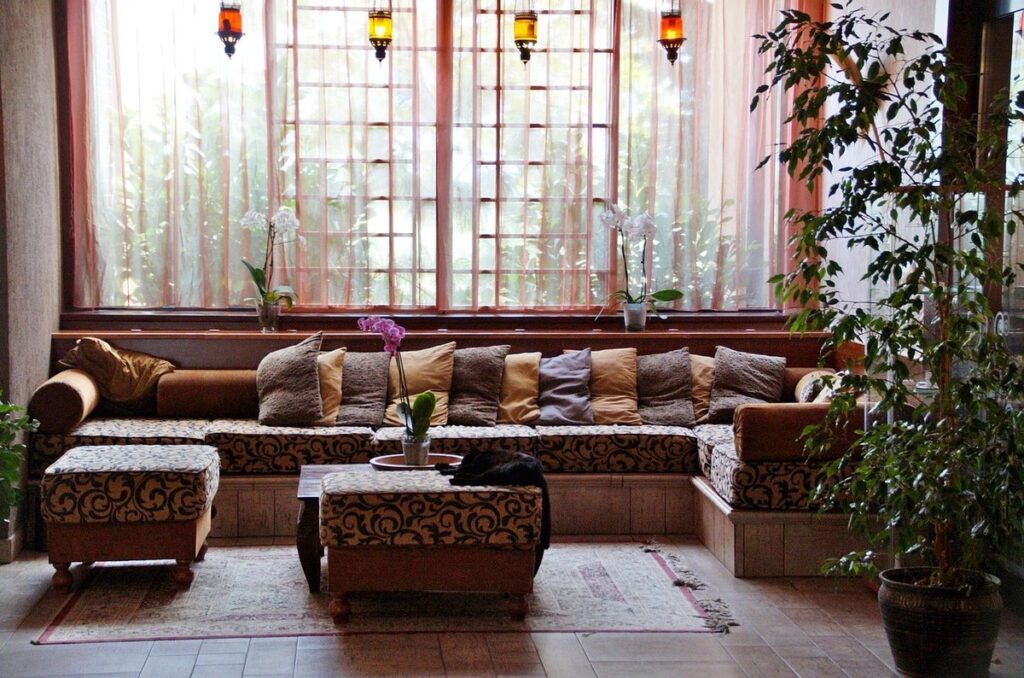
Designing Your Dream Reading Space
Now that you’ve chosen a cozy spot for your reading nook, let’s focus on designing it to be a peaceful retreat where you can escape into a good book. We’ll explore how to create an inviting atmosphere that enhances your reading experience.
Choosing the Right Location
When selecting a location for your reading nook, it’s essential to prioritize quiet and comfort. A spot with minimal distractions will allow you to fully immerse yourself in your book. Consider the natural light in your home – a reading area near a window can be lovely during the day, but may become too bright at night.
Noise levels are also crucial. If you live in a busy household or have noisy neighbors, choose a location that buffers outside sounds. This might mean positioning your nook away from high-traffic areas or using sound-absorbing materials like acoustic panels.
Accessibility is another key factor. Ensure the location is easy to reach and doesn’t require navigating through cluttered paths. Think about the flow of traffic in your home and select a spot that feels inviting, yet out of the way.
Some questions to ask yourself when identifying the ideal spot include:
- What areas of my home are most quiet and peaceful?
- Are there any windows or skylights that can provide natural light without glare?
- Can I position my reading nook near a power outlet for convenient charging?
Considering the Layout and Size
When planning your reading area, the layout and size of the space are crucial to creating a comfortable and inviting atmosphere. A good rule of thumb is to allocate at least 7-10 square feet per person for a cozy reading nook. This allows for enough space to move around comfortably without feeling cramped.
Consider the shape of the room as well – a rectangular space can be divided into zones using furniture or rugs, while a smaller square area may require more creative seating arrangements. Leave enough space between pieces of furniture to facilitate easy movement and prevent clutter buildup.
Some popular layout options for reading nooks include:
• Placing a comfortable armchair in a quiet corner, with a side table or floor lamp nearby
• Creating an L-shaped seating arrangement using two smaller chairs and a console table
• Designating a small section of the room as a “reading zone” by adding a few pillows and a floor lamp
Incorporating Cozy Elements
When designing your reading nook, incorporating cozy elements is crucial to creating a welcoming atmosphere that fosters relaxation and focus. Start by adding textiles like throw blankets, which can instantly warm up a space. Choose soft, plush materials that invite you to snuggle up with a good book. Consider investing in a few throw pillows as well – they not only add visual interest but also provide extra comfort for your back and legs.
A cozy reading nook is often defined by its flooring, too. Area rugs can help define the space, while also adding texture and warmth underfoot. Opt for a rug with a soft pile that’s gentle on your feet, and choose a size that fits comfortably in the space. Don’t forget to add some plush accent pillows to complement your seating – they’ll not only provide support but also add a pop of color to the room.
Some popular cozy elements include floor lamps or table lamps, which can create pools of warm light and make the space feel more intimate. Consider adding a few favorite books or decorative objects to display on a nearby shelf or side table – this will help personalize the space and make it truly yours.
Creating a Functional Reading Nook
Designing a functional reading nook requires careful consideration of space, lighting, and comfort, so we’ll explore how to create an inviting atmosphere that sparks joy. Let’s start with selecting the perfect spot for your cozy retreat.
Selecting Comfortable Seating
When selecting comfortable seating for your reading nook, you have a variety of options to consider. Armchairs and recliners are popular choices, offering support for your back and legs while promoting good posture. However, they can be bulky and may not fit into smaller spaces. Alternatively, bean bags provide a more relaxed seating option, but they often lack the necessary lumbar support.
Ergonomics is crucial when choosing a chair for your reading nook. A chair with adjustable height and armrests will allow you to customize your position and reduce strain on your body. Consider a chair with a curved back or a reclining function to promote relaxation and prevent slouching. Ottomans can also be used as additional seating or footrests, providing extra comfort and support.
When evaluating a chair’s ergonomics, look for features such as:
- Adjustable height and armrests
- A curved back or reclining function
- Adequate lumbar support
- A sturdy base to prevent tipping
By considering these factors, you can choose a chair that promotes good posture, comfort, and relaxation in your reading nook.
Adding Lighting and Electrical Outlets
When it comes to creating a functional reading nook, sufficient lighting is crucial. It not only illuminates the space but also sets the mood for relaxation and focus. Table lamps are an excellent option as they can be placed beside or behind the seating area, providing focused light without taking up too much floor space. Floor lamps, on the other hand, offer more flexibility in terms of placement and can be used to create a cozy ambiance.
String lights or fairy lights are another popular choice for reading nooks, adding a whimsical touch while providing soft, warm lighting. When selecting a lighting option, consider the size of the room and the amount of natural light it receives. A combination of overhead lighting and table lamps can help create a layered lighting effect, which is both functional and aesthetically pleasing.
When it comes to electrical outlets, placement is key. Strategically position them near the seating area or behind a console table to keep devices charged without cluttering the space. Consider installing USB outlets, which allow for easy charging of e-readers, tablets, and smartphones. By carefully planning lighting and electrical outlets, you can create a reading nook that is both comfortable and functional.
Incorporating Storage and Organization
When designing a reading nook, it’s easy to get caught up in the excitement of creating a cozy retreat. However, as you fill your space with books, pillows, and other essentials, clutter can quickly accumulate. This is where storage and organization systems come into play.
Bookshelves and bookcases are must-haves for any reading nook. Not only do they provide ample storage for your book collection, but they also add visual interest to the space. When selecting a bookshelf or bookcase, consider the style and aesthetic of your reading nook. For example, a minimalist bookshelf with clean lines can complement a modern space, while a vintage bookcase with ornate details suits a more traditional setting.
In addition to bookshelves and bookcases, baskets and bins can also help keep clutter at bay. Place them on the floor or on shelves to store items like books, magazines, or even throw blankets. When choosing storage solutions, opt for ones that blend seamlessly into your space’s aesthetic. Avoid bulky or heavy pieces that can overwhelm the area. By incorporating thoughtful storage and organization systems, you’ll be able to maintain a clutter-free environment and enjoy your reading nook without distraction.
Decorating Your Reading Nook
To truly create a cozy reading haven, you’ll want to consider the lighting, textiles, and colors that will make your space feel inviting and relaxing for hours of quiet time. Let’s start with some inspiring ideas on how to style your nook’s walls and furniture.
Adding Personal Touches and Aesthetic Elements
Incorporating personal touches and aesthetic elements is where you can truly make your reading nook shine. It’s an opportunity to reflect your personality, interests, and style, creating a space that feels uniquely yours. Consider displaying artwork or prints that resonate with your love of literature, such as watercolor illustrations of favorite characters or quotes from beloved books.
Photographs and collectibles are also great ways to add visual interest and meaning to your reading nook. Frame family heirlooms or mementos from special places you’ve visited, like a vintage postcard from a favorite author’s hometown. You can even repurpose items like antique bookends, vintage clocks, or handmade decorative boxes to create a one-of-a-kind atmosphere.
Remember, the key is to balance your personal touches with the overall aesthetic of the space. A few carefully chosen pieces can make a big impact, but too many can overwhelm the senses. Start by identifying a unifying theme or color scheme and use that as a guide for selecting decorative elements. By doing so, you’ll create a reading nook that not only looks beautiful but also feels like an extension of your own unique story.
Choosing Calming Colors and Textures
When choosing calming colors and textures for your reading nook, consider how they will affect the ambiance. Soft, muted colors can promote relaxation and focus, while bold or bright hues can be overstimulating. Warm neutrals like beige, taupe, or gray are often used in reading spaces because they create a cozy atmosphere without being overwhelming.
In addition to color, textures play a significant role in creating a calming environment. Incorporate plush throw blankets, soft rugs, and comfortable pillows to add depth and visual interest. Consider the tactile experience: smooth surfaces can be soothing, while rough or scratchy textures may be distracting.
To create a balanced look, combine soothing colors with complementary textures. For example, pair a soft gray wall with a chunky knit blanket or a woven basket. Avoid over-accessorizing, as too many patterns and textures can be overwhelming. Stick to 2-3 main elements and balance them with neutral backgrounds to maintain visual harmony.
Remember, the goal is to create a space that invites relaxation and focus. Choose colors and textures that promote calmness and serenity, rather than stimulation or excitement.
Incorporating Plants and Greenery
Incorporating plants into your reading nook can have a profound impact on both physical and mental well-being. Not only do plants purify the air by removing pollutants and toxins, but they also have a calming effect on the mind, reducing stress and anxiety levels. This is especially important in a space where you intend to relax and focus on reading.
Low-maintenance plant options include snake plants, spider plants, and succulents, which can thrive in low-light conditions and require infrequent watering. For a reading nook, consider plants with soft, muted foliage or delicate blooms that won’t compete with your reading materials for visual attention. Some examples of suitable plants include the Pothos ivy, Peperomia, or African Violets.
When selecting plants for your reading space, think about the amount of natural light available and the temperature range you’ll be keeping the room at. Choose plants that are tolerant of these conditions to ensure they remain healthy and thriving. Additionally, consider the scent of the plant – some can release potent fragrances that may distract from your reading experience. By thoughtfully selecting a few low-maintenance plants, you can create a calming and inviting atmosphere in your reading nook while reaping the benefits of having plants nearby.
Tips for Making Your Reading Nook Tech-Friendly
To make your reading nook truly special, consider incorporating smart lighting, wireless charging pads, and other tech-savvy features that enhance your reading experience. This will take your cozy retreat to the next level!
Choosing Comfortable Reading Devices
When it comes to reading devices, you have a range of options beyond traditional e-readers. Tablets like iPads and Android-based tablets can be just as comfortable for reading, especially if you prefer to read with a larger screen or want access to additional features like note-taking apps.
One popular choice is the Amazon Kindle Oasis, designed specifically for reading with its 7-inch glare-free display. However, it lacks a light, so it’s not ideal for reading in bed without an external light source. In contrast, the Kobo Forma has built-in lights and a larger screen, but it can be heavier to hold.
Consider your personal preferences: do you prefer a dedicated e-reader for its minimalist design and long battery life, or a tablet for its flexibility and multitasking capabilities? Think about how you’ll use your device: will you primarily read in bed or while sitting up?
When choosing a reading device, also think about the font size and type. Some devices offer adjustable font sizes, while others have built-in fonts specifically designed for reading. Experiment with different options to find what works best for you.
Setting Up a Wireless Charging Station
When designing a tech-friendly reading nook, incorporating a wireless charging station can significantly enhance the convenience and aesthetic appeal of the space. These stations eliminate the clutter caused by tangled cords and allow you to keep devices powered without visual disruption.
To set up an effective wireless charging station, select a location with easy access to the area where you’ll be using your devices most often – typically within arm’s reach. Consider placing it on a side table or console table near your reading chair.
Choose a wireless charging pad that fits your device size and style preferences. Popular options include multi-device chargers, compact single-device pads, and decorative designs that blend with the nook’s aesthetic. Some popular product choices include Anker’s PowerWave series and Belkin’s Boost Up line. When selecting a product, ensure it is compatible with your device type (e.g., Qi-enabled devices).
When deciding on a location for your wireless charging station, keep in mind that proximity to power outlets may be necessary for backup purposes.
Conclusion: Creating a Haven for Reading and Relaxation
Creating the perfect reading nook is not just about selecting furniture or arranging books. It’s about crafting a space that fosters relaxation, inspires creativity, and provides an escape from the demands of daily life. As you’ve worked through this guide, you’ve learned how to assess your space, prioritize comfort, and incorporate functional elements like lighting and storage.
Your reading nook should be tailored to your unique needs and preferences. Consider factors like natural light, noise levels, and personal style when making decisions about the layout and design of your space. By incorporating textures, colors, and patterns that evoke a sense of calmness, you can create an environment conducive to relaxation and focus.
Ultimately, creating a haven for reading and relaxation is a process that requires patience, experimentation, and attention to detail. With these practical tips and a willingness to adapt, you’ll be well on your way to establishing a cozy retreat that nourishes both body and mind.
Frequently Asked Questions
What if I have limited space and can’t fit all the cozy elements mentioned in the article?
You can prioritize your needs and start with the essentials. Focus on creating a comfortable seating area and incorporating some textiles, such as throw blankets or pillows. You can always add more elements later as you find space to accommodate them.
Can I use my reading nook for other purposes, like working or studying?
Yes, many people use their reading nooks for multiple activities. To make it work for both reading and working/studying, consider using a multi-functional piece of furniture, such as an ottoman with storage, or incorporating a desk or table that can be easily folded up when not in use.
What if I have a large collection of books and struggle to keep them organized?
You can utilize vertical space by installing floor-to-ceiling bookshelves or using wall-mounted shelves. Consider categorizing your books by genre or color to create a visually pleasing display, and keep frequently read books at eye level for easy access.
How do I choose the right lighting for my reading nook if I have a large window with natural light?
You can still use artificial lighting to supplement natural light, especially during nighttime hours. Consider using table lamps or floor lamps with adjustable arms to direct light exactly where you need it, reducing eye strain and promoting comfortable reading.
Can I incorporate technology into my reading nook without making it feel too cluttered?
Yes, you can strike a balance between technology and coziness by choosing wireless devices that minimize cords and cables. Consider using a wireless charging station for your e-reader or tablet, and keep frequently used items, such as earbuds or a bookmark, within easy reach to maintain a clutter-free space.

