
As you turn the pages of your favorite book, have you ever wished for a quiet sanctuary where you could escape into the world within its covers? A cozy reading nook can be just that – a peaceful haven where you can curl up with a good book and let the stresses of everyday life melt away. But designing such a space requires more than just tossing in a few pillows and calling it a day. It needs careful consideration of location, furniture, lighting, and other details to create an inviting atmosphere that suits your unique needs as a book lover.
In this article, we’ll explore how to build the perfect reading nook, from choosing the ideal spot in your home to selecting the right furniture and lighting to create a warm and welcoming ambiance.
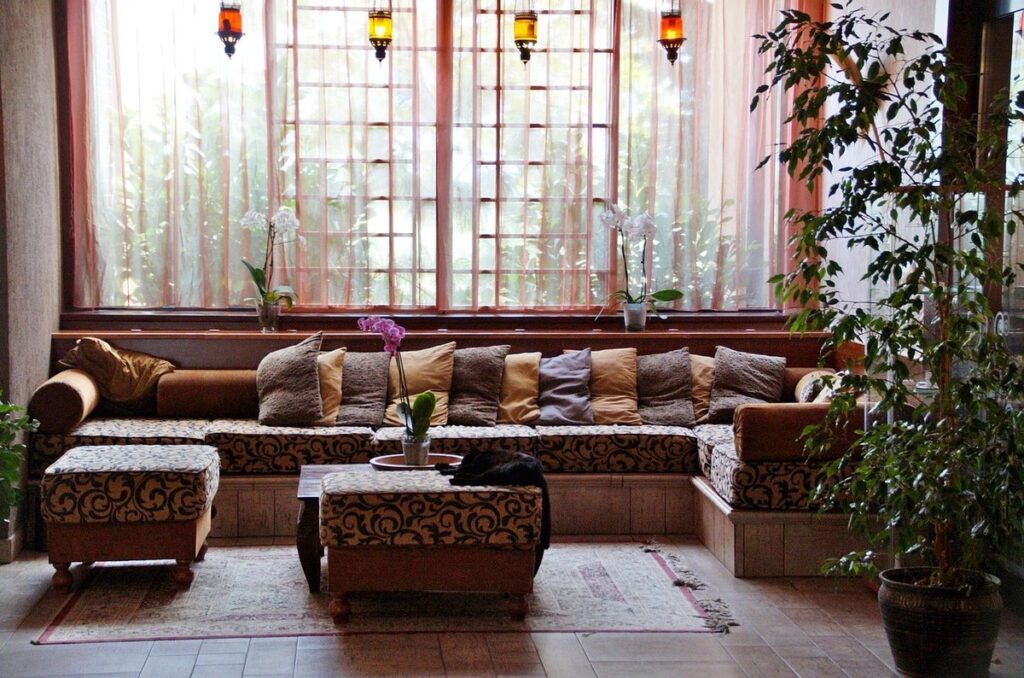
Designing the Perfect Reading Nook
A reading nook is only as cozy as its design, so let’s talk about how to plan a space that’s tailored to your book-loving needs and personality. From layout to lighting, every detail matters.
Choosing the Right Location
When selecting a location for your reading nook, it’s essential to prioritize quiet, comfort, and minimal distractions. A spot with natural light is often ideal, as it can make reading more enjoyable and reduce eye strain. Consider the direction of sunlight in your home and position your reading nook accordingly. For example, an east-facing room receives gentle morning sunlight, while a south-facing room gets direct afternoon sun.
When evaluating potential locations, take note of nearby noise sources like kitchens, living rooms, or hallways. Opt for a spot farthest from these areas to minimize interruptions. Additionally, think about the proximity to amenities such as bookshelves, storage, and electrical outlets. You’ll want your reading nook to be easily accessible while still maintaining its quiet atmosphere.
In terms of furniture placement, consider leaving enough space around your reading chair or sofa for comfortable movement and relaxation. A general rule of thumb is to leave about 2-3 feet between the back of the seat and any surrounding walls or objects. By carefully selecting a location that balances natural light, proximity to amenities, and quiet atmosphere, you’ll be well on your way to creating an inviting reading nook that fosters a love for books in your home.
Considering Your Reading Style
When designing a reading nook, it’s essential to consider how you plan to use it. Different reading styles can greatly impact the design of your space. If you’re someone who likes to snuggle up with a blanket and get lost in a book, a cozy, enclosed nook might be perfect for you. On the other hand, if you prefer to read in a more relaxed, casual setting, an open-plan area or even a hammock could work well.
Think about your personal preferences when it comes to color, texture, and overall aesthetic. Do you love rich, bold colors, or do you prefer softer pastels? Incorporating these elements into your reading nook can make the space feel more inviting and personalized. For example, if you’re a fan of blues and greens, consider incorporating throw pillows or blankets in these hues to create a calming atmosphere.
To take it a step further, consider what type of activities you’ll be doing in your reading nook beyond simply reading. Will you be working on puzzles or drawing? Make sure the space is set up for these tasks with a nearby desk or surface and good lighting. By thinking about how you use your space and incorporating personal touches, you can create a truly unique and cozy reading haven that reflects your personality.
Inclusive Design for Reading Nooks
When designing a reading nook, it’s essential to consider the needs of readers with disabilities. For individuals with mobility impairments, choose a location with easy access and clear pathways. Consider installing a chair or sofa with sturdy arms for support. Soft cushions can provide comfort but may be difficult for some to get in and out of; opt for firmer seating instead.
Visual impairment requires thoughtful lighting choices. Position light sources to minimize glare on reading materials. Table lamps or floor lamps with adjustable shades are excellent options. In addition, consider using e-readers with high contrast displays or adding a magnifying glass nearby.
For readers with sensory sensitivities, create a calming environment by controlling noise levels and textures. Use sound-absorbing materials like acoustic panels or add a white noise machine to block out distracting sounds. Select furniture with smooth, easy-to-clean surfaces and avoid scratchy fabrics or patterns that may exacerbate sensory issues.
Consider the following accessibility features when selecting reading nook components:
- A sturdy chair or sofa with arms for support
- Adjustable lighting sources with minimal glare
- Textured-free or low-pile rugs to reduce tripping hazards
- Easy-to-clean surfaces and smooth textures
Choosing the Right Furniture
When selecting furniture for your reading nook, you’ll want to choose pieces that provide comfort and support for long periods of time. Consider plush armchairs or ottomans with good lumbar support.
Comfortable Seating Options
When selecting comfortable seating options for your reading nook, consider the types of chairs and cushions that promote relaxation and support during extended reading sessions. Bean bags are a popular choice for their soft, curved design, which cradles the body and allows readers to sink in comfortably. However, they may not provide adequate back support for taller individuals or those who prefer to sit upright.
Recliners, on the other hand, offer better lumbar support and can be adjusted to various positions, making them suitable for readers of all heights. Floor cushions are another option, providing a soft surface to lounge on while allowing for flexibility in seating arrangements. When choosing between these options, consider the size of your reading nook and the number of people who will use it.
In addition to these types of seating, consider incorporating pillows or throws into your design. These can add an extra layer of comfort and style to your reading space. Some popular materials for these accessories include plush velvet, soft cotton, or Sherpa fleece. When selecting pillows or throws, opt for those with a firm texture that will hold their shape over time.
Ottoman and Footstool Selection
When it comes to creating a cozy reading atmosphere, ottomans and footstools play a crucial role. These versatile pieces of furniture can add comfort, functionality, and style to your reading nook. To choose the right ottoman or footstool for your space, consider its size in relation to the rest of the room. A general rule of thumb is to select an ottoman that’s proportional to the chair it accompanies.
When selecting materials, think about the overall aesthetic you want to achieve in your reading nook. Velvet and leather are popular choices for their soft texture and luxurious feel, while more durable options like wood or wicker can add a rustic touch. Be mindful of the color palette, too – choose a finish that complements the surrounding furniture and won’t compete with the colors on your book covers.
In terms of style, consider the shape and design of the ottoman or footstool. A cube-shaped ottoman can provide extra seating or storage, while a sleek, low-profile design can create a clean line under the coffee table. Some popular styles include storage ottomans, which hide away items like throw blankets or books, and footstools with built-in cup holders – perfect for keeping your drink within easy reach.
Lighting for Reading Nooks
When it comes to creating a cozy reading nook, proper lighting can make all the difference. Soft, warm lighting is essential for a comfortable and inviting atmosphere for book lovers like you.
Natural Light: Harnessing Its Power
Maximizing natural light is one of the simplest ways to create a cozy reading nook. When placed strategically, windows can provide ample daylight and even help regulate the temperature of the space. However, direct sunlight can be harsh on books and eyes, so it’s essential to filter it with sheer curtains or blinds.
Window treatments like plantation shutters or cellular shades are also effective at controlling light levels. These types of window coverings allow you to adjust the amount of natural light entering the room while maintaining an open feel. Consider installing windows on opposite sides of a reading nook to balance out the light and create a sense of symmetry.
When choosing curtains or blinds, opt for materials that allow some sunlight to pass through, such as cotton or bamboo. Avoid heavy drapery that can block natural light altogether. By thoughtfully incorporating windows into your reading nook design, you’ll create an inviting space that promotes relaxation and enjoyment of your favorite books. For example, a south-facing window with sheer curtains can illuminate a cozy corner reading area while minimizing glare on the page.
Artificial Lighting Solutions
Artificial lighting can greatly enhance the ambiance of a reading nook while providing sufficient illumination. Table lamps are an excellent choice for reading nooks, as they direct light downwards and reduce glare on screens or pages. Consider using a table lamp with a warm-toned shade to create a cozy atmosphere.
Floor lamps are another option for reading nooks, offering more flexibility in terms of placement and light direction. They can be positioned behind a chair or placed at an angle to avoid harsh overhead lighting. For a more relaxed ambiance, opt for floor lamps with adjustable arms or shades that allow you to direct the light where needed.
String lights or fairy lights are also effective for creating a warm glow without overpowering the reading area. These can be hung from the ceiling or placed on a nearby shelf, adding a whimsical touch to your reading nook. When selecting artificial lighting, prioritize warm-toned options (2700K-3000K) to reduce eye strain and create a cozy atmosphere conducive to reading.
Technology Integration for Reading Nooks
To create a truly immersive reading experience, incorporating technology into your cozy nook can be a game-changer. We’ll explore some smart ways to do just that in this next section.
Smart Home Devices and Gadgets
Smart home devices and gadgets can elevate the reading experience by providing hands-free control over various features. For instance, voice assistants like Amazon’s Alexa or Google Assistant can be integrated into a reading nook to adjust lighting levels, play soothing music, or even read aloud from an e-book. This convenience allows readers to focus on their book without interruptions.
Some smart home devices that can enhance the reading experience include wireless speakers and soundbars. These can be used to create a calming atmosphere by playing white noise or nature sounds, which can help mask distractions and improve concentration. Additionally, smart plugs can be used to control lamps, radios, or other appliances with voice commands.
To incorporate smart home devices into your reading nook, consider the following options:
- Place a wireless speaker near your preferred reading spot
- Install a smart plug for easy control over lighting or other devices
- Use a voice assistant app on your phone or tablet to control various features remotely
Power Outlet Placement and Cord Management
When placing power outlets in your reading nook, it’s essential to think strategically about cord management. You want to create a clutter-free space where you can focus on getting lost in your book. A good rule of thumb is to install outlets near seating areas, especially if you have a floor lamp or table lamp nearby. This will prevent cords from crossing walkways or obstructing the view.
To hide cables and maintain a clean look, consider using cord concealers or cable organizers. These devices can be attached to the wall or furniture legs, keeping cords neatly tucked away. You can also use under-carpet cord covers for a more seamless look.
When choosing power outlets, opt for ones with USB ports to reduce clutter from multiple chargers and adapters. For instance, you can install a single outlet with multiple USB ports near your reading chair, making it easy to charge your e-reader or phone without having to search for an available outlet. By prioritizing cord management, you’ll create a cozy reading nook that’s both functional and aesthetically pleasing.
Decorative Elements for Your Reading Nook
Add warmth and personality to your reading nook with decorative elements that reflect your style, from colorful throw pillows to vintage accessories. Consider how each item contributes to a cozy atmosphere.
Incorporating Textiles and Patterns
When it comes to textiles and patterns, they can either make or break the cozy atmosphere of your reading nook. Throw blankets, pillows, and even curtains can be used to add depth, texture, and visual interest to the space. But how do you choose the right materials and colors?
Start by considering the color palette of your reading nook. Warm neutrals like beige, gray, or taupe provide a soothing background for rich textiles like velvet, linen, or cable knit. If you prefer brighter hues, balance them with neutral accents to avoid overwhelming the space. Look for patterns that complement the room’s design, such as stripes to add visual energy or florals to bring in a touch of whimsy.
Don’t forget about texture: mix and match smooth surfaces like leather or suede with chunkier textures like woven baskets or chunky throw blankets. This contrast will create a cozy, inviting atmosphere perfect for snuggling up with a good book. Consider the season when selecting your textiles – lightweight materials for summer, plush throws for winter. By incorporating textiles and patterns thoughtfully, you can elevate your reading nook into a true haven for relaxation and enjoyment.
Rugs and Matting Options
Area rugs and mats are versatile decorative elements that can add warmth and texture to your reading nook while serving a functional purpose. Consider a rug with a plush pile to create a cozy atmosphere, or opt for a mat with a subtle pattern to add visual interest. When choosing a rug, think about the room’s traffic flow and select one with a design that won’t be overwhelmed by footprints.
A small mat can also be an effective solution for protecting your floors from wear and tear, especially in high-traffic areas. Place a small, rectangular mat at the entrance of your reading nook to create a defined space and prevent dirt from spreading. Alternatively, use a rug with a non-slip backing to prevent it from slipping or bunching up.
In terms of material selection, consider factors such as durability, maintenance, and personal preference. Wool and jute rugs are popular choices for their natural look and feel, but may require more frequent cleaning. Synthetic fibers, on the other hand, are often easier to clean and maintain. Ultimately, choose a rug or mat that complements your reading nook’s aesthetic while serving its intended purpose.
Organizing Your Reading Nook
Transforming a cluttered space into a peaceful retreat is easier than you think, and it all starts with a few clever organizational tricks for your reading nook. Let’s focus on maximizing storage without sacrificing style.
Bookshelves and Storage Solutions
Bookshelves and storage solutions play a crucial role in maintaining the coziness of your reading nook. A well-designed bookshelf can not only keep your books organized but also add aesthetic appeal to the space. Consider investing in wall-mounted shelves or built-in bookcases that fit snugly into the nook’s design.
For floor-standing options, choose a sturdy and stylish shelf that complements the room’s decor. You can opt for floating shelves, ladder-style bookshelves, or traditional fixed shelves – each with its unique charm. Don’t forget to incorporate storage baskets, bins, or ottomans with built-in storage to keep items like throw blankets, pillows, or reading accessories within easy reach.
To maintain a clutter-free nook, establish a “one in, one out” policy for your book collection. Regularly tidy up the space by dusting shelves and wiping down surfaces. Utilize vertical storage options, such as stackable crates or decorative containers, to maximize floor space and keep the area uncluttered.
When selecting storage solutions, prioritize functionality and style. Avoid clutter-prone items like open baskets or bins with loose contents, instead opting for sealed containers or bins that keep items hidden from view. This will help maintain your reading nook’s cozy atmosphere and make it easier to relax in a distraction-free environment.
Decluttering Tips for Your Reading Nook
To maintain a clutter-free reading nook, establish regular tidying habits. Set aside 10-15 minutes each week to put away books and tidy up surfaces. This consistent effort will prevent clutter from building up over time. Consider implementing the “one in, one out” policy, where you remove an old book or item every time a new one enters your space.
Incorporate minimalist decor elements to reduce visual clutter. For instance, use a simple rug with a subtle pattern or opt for a few statement pieces of art instead of multiple prints. Limit decorative items to those that bring you joy or serve a functional purpose, such as a reading light or a bookend.
If you have limited storage space in your reading nook, prioritize the most essential items and let go of the rest. Consider using wall-mounted shelves or storage units to keep books off the floor and create more visual breathing room. For example, install floating shelves for favorite novels or use a slim bookcase to corral smaller items like bookmarks and reading accessories.
Frequently Asked Questions
Can I use a reading nook in a small space like an apartment?
Yes, it’s absolutely possible to create a cozy reading nook even in a small apartment. Consider using multi-functional furniture pieces that serve as storage or seating, and choose compact lighting options to save space.
What if I have limited natural light in my home – can I still create a reading nook?
While natural light is ideal for reading nooks, it’s not the only option. Use artificial lighting solutions like table lamps, floor lamps, or string lights to create a warm ambiance and reduce eye strain. Consider layering different light sources to achieve the desired level of brightness.
How do I balance technology integration with maintaining a peaceful atmosphere in my reading nook?
To strike a balance between technology and tranquility, use smart home devices like voice assistants or wireless speakers discreetly, and position them away from seating areas. Also, set boundaries for yourself on screen time and digital activity to ensure your reading nook remains a peaceful retreat.
Can I incorporate non-traditional materials into my reading nook design?
Get creative with unconventional materials like reclaimed wood, vintage furniture, or even repurposed items. Just be sure to consider factors like durability, maintenance, and comfort when selecting unique materials for your reading nook.

