
Plastic pollution has become a ubiquitous problem that affects not just our planet, but also human health, ecosystems, and economies worldwide. Every day, millions of tons of plastic waste are dumped into our oceans, waterways, and landfills, causing irreparable harm to marine life, wildlife habitats, and even our own communities. From the Great Pacific Garbage Patch to the plastic-filled stomachs of seabirds, the devastating effects of plastic pollution are starkly evident. But what exactly causes this problem, and how can we mitigate its consequences? In this article, you’ll learn about the root causes of plastic pollution, its far-reaching impacts on human health, ecosystems, and economies, as well as practical solutions to reduce our plastic footprint and create a more sustainable future. By the end of this piece, you’ll be equipped with actionable tips to join the fight against plastic pollution and contribute to a cleaner, healthier world for all.
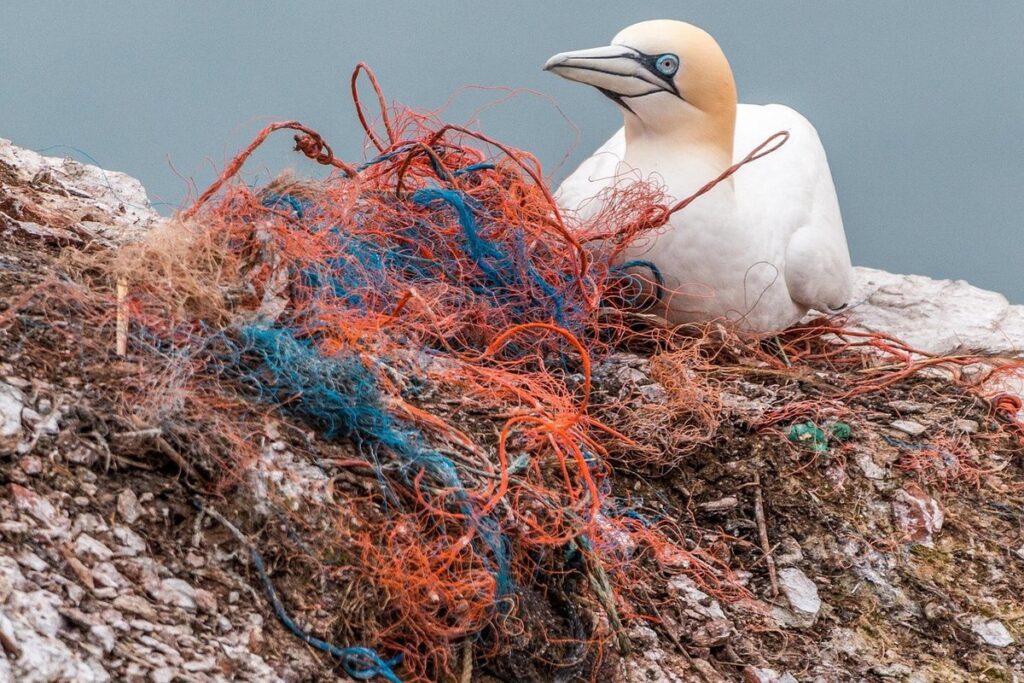
The Alarming Reality of Plastic Pollution
Plastic pollution has become a catastrophic threat to our planet, and its alarming reality is more severe than you might think. The sheer scale of plastic waste in our oceans and ecosystems is staggering.
What is Plastic Pollution?
Plastic pollution is a pressing environmental issue that involves the accumulation of plastic waste in various ecosystems. This includes oceans, landfills, and wildlife habitats where plastics do not belong. Plastic debris can take many forms, from microbeads to massive plastic bags, and can be carried by wind or water into sensitive areas.
When plastic waste ends up in marine environments, it poses a significant threat to aquatic life. Seabirds and turtles mistake plastic for food, while larger animals become entangled in abandoned fishing gear or suffocate under the weight of discarded bags. This has led to an estimated 100 million marine animals dying each year due to plastic pollution.
The problem is not limited to oceans; landfills also contain vast amounts of non-biodegradable plastics. It’s estimated that over 300 million tons of plastic waste are generated worldwide annually, with a mere 9% being recycled properly. This staggering figure highlights the need for change and responsible management of plastic waste.
Sources of Plastic Pollution
Single-use plastics are a significant contributor to plastic pollution. These items, which include straws, water bottles, and cutlery, are used once and then discarded, often ending up in oceans and landfills. In the United States alone, it’s estimated that over 35 billion plastic water bottles are thrown away each year.
Another major source of plastic pollution is microbeads, tiny plastic particles used in personal care products such as face wash and toothpaste. These beads can pass through wastewater treatment plants and into rivers and oceans, where they’re ingested by fish and other marine life. The average person uses about 26 pounds of microbeads per year.
Plastic bags are also a significant problem. They often get tangled in trees or caught in storm drains, eventually making their way to waterways. In fact, it’s estimated that over 500 billion plastic bags are used worldwide each year. To reduce your contribution to these problems, consider switching to reusable products like metal straws and cloth bags.
Impact on Marine Life
Plastic pollution has been found to cause a range of devastating impacts on marine life. One of the most common causes of death for sea creatures is entanglement in plastic debris such as six-pack rings, fishing nets, and discarded bags. This can lead to suffocation or drowning if the creature tries to free itself.
Other marine animals are also ingesting microplastics, which have been found in over 90% of seawater samples worldwide. These small particles can be mistaken for food, causing blockages in the digestive system or even poisoning the animal through toxicity. The consequences of this are far-reaching, with many species being affected, from tiny zooplankton to large whales.
Sea turtles, in particular, are vulnerable to plastic pollution due to their diet and habitat. They often mistake plastic bags for jellyfish, their favorite food, leading to blockages and poisoning. To mitigate these impacts, it’s essential to reduce single-use plastics and promote recycling infrastructure that can process plastic waste effectively. By doing so, we can help prevent the continued destruction of marine ecosystems and preserve biodiversity in our oceans.
Causes of Plastic Pollution
Plastic pollution is a complex issue, and understanding its causes is crucial to developing effective solutions. Let’s start by examining the main contributors to this environmental problem.
Overconsumption and Waste Generation
The excessive consumption of single-use plastics is a major contributor to plastic pollution. Many people are unaware of the environmental impacts of their daily choices, such as using plastic bags for grocery shopping or choosing products with excess packaging. As a result, large quantities of plastic waste end up in landfills and oceans.
A significant factor driving overconsumption is the convenience offered by single-use plastics. For instance, many restaurants still use plastic straws, cutlery, and plates, despite their availability in biodegradable alternatives. Consumers often prioritize short-term benefits like ease and affordability over long-term consequences.
Improper waste management systems exacerbate this issue. In many areas, recycling facilities are inadequate or non-existent, leading to a significant portion of collected plastics being sent to landfills or incinerators. Even when recycling is available, contamination rates can be high due to a lack of education about proper sorting and preparation procedures. By addressing these underlying factors, individuals and communities can significantly reduce their contribution to plastic pollution.
Lack of Recycling Infrastructure
In many parts of the world, recycling infrastructure is lacking or inefficient, leading to a significant amount of plastic waste being sent to landfills instead of being recycled. This problem is particularly pronounced in rural areas where access to recycling facilities may be limited or non-existent. As a result, plastic waste often ends up in local landfills or is burned, releasing toxic chemicals into the atmosphere.
In developed countries, even with established recycling infrastructure, inefficiencies can still occur. For example, contamination of recyclables is a common issue, caused by the presence of food and liquids that render materials unrecyclable. This problem is often due to inadequate education about what can be recycled or careless behavior such as rinsing plastics in sinks.
The consequences of inefficient recycling infrastructure are far-reaching. Not only does it contribute to plastic waste accumulation, but it also diverts resources away from more effective waste management strategies. To combat this issue, communities can establish community composting programs or advocate for better waste management policies at the local level.
Industrial Activities
Industrial activities such as manufacturing and mining can have a significant impact on plastic pollution through various means. During the extraction of raw materials for plastics production, spills and leaks often occur, releasing toxic chemicals into the environment. For instance, oil refineries and petrochemical plants have been known to release massive amounts of petroleum-based waste into nearby waterways.
Furthermore, manufacturing processes themselves can also lead to plastic pollution. Inadequate storage or disposal facilities can result in massive spills of raw materials or finished products, contaminating soil and water sources. Additionally, the transportation of these materials can also lead to accidents, releasing pollutants into the environment.
To mitigate this issue, manufacturers should implement robust safety measures, including regular inspections and maintenance of equipment, as well as proper training for employees. They should also invest in advanced waste management systems that minimize spills and leaks. By doing so, they can significantly reduce their contribution to plastic pollution and protect both human health and the environment.
Consequences of Plastic Pollution
Plastic pollution has far-reaching consequences for our environment, affecting not only wildlife but also human health and ecosystems worldwide. Let’s examine some of these devastating effects in more detail.
Human Health Impacts
Exposure to microplastics has been linked to a range of human health problems. Research suggests that ingesting microplastics can cause inflammation and oxidative stress, which can lead to cell damage and potentially even cancer. For example, a study found that mice exposed to microplastic particles in their water developed tumors at a higher rate than those not exposed.
The inhalation of plastic pollution has also been shown to contribute to respiratory issues. When plastic debris is burned or broken down, it releases toxic chemicals into the air, which can exacerbate conditions like asthma and chronic obstructive pulmonary disease (COPD). In addition, microplastics have even been found in human blood and organs, highlighting the potential for long-term health effects.
Neurodevelopmental disorders are another concern. Studies have suggested that exposure to microplastics may interfere with fetal brain development, potentially leading to issues like ADHD and autism. This is particularly alarming given the prevalence of plastic pollution in food and water sources worldwide.
Environmental Impacts
Marine life suffocates under a tide of plastic debris, with millions of birds, fish, and mammals dying each year from entanglement, ingestion, or suffocation. Plastic pollution seeps into every level of the ocean’s food chain, contaminating even the most remote and pristine ecosystems. Seabirds mistake plastic for food, their stomachs filling with bags, bottles, and other debris that can cause blockages, nutrient deficiencies, or toxic poisoning.
The impact on marine life is just one aspect of the devastating environmental consequences of plastic pollution. In addition to habitat destruction and loss of biodiversity, plastic pollution also affects soil quality and air quality. Microplastics, tiny particles less than 5 millimeters in size, have been found in tap water, beer, and even table salt around the world. These particles can be ingested by humans and animals alike, potentially leading to long-term health problems.
To mitigate these effects, communities are turning to innovative solutions such as beach cleanups, marine protected areas, and waste management infrastructure improvements. For example, some cities have implemented extended producer responsibility laws, requiring manufacturers to pay for the collection and recycling of their own packaging waste. By addressing plastic pollution at its source, we can begin to repair the damage already done and prevent further harm to our planet’s ecosystems.
Economic Consequences
Plastic pollution incurs substantial economic costs. Cleanup efforts can be particularly expensive, with estimates suggesting that removing plastic waste from beaches and waterways can cost tens of thousands of dollars per year. For instance, the 2018 Great Pacific Garbage Patch cleanup initiative reportedly cost around $20 million to remove just a small portion of the massive floating trash accumulation.
Another significant economic consequence is the impact on tourism. When plastic pollution mars a beach or marine area, it can deter tourists and result in lost revenue for local businesses. In some cases, areas with high levels of plastic pollution may even be closed temporarily due to safety concerns, further exacerbating the financial losses. Furthermore, damage to infrastructure such as water treatment plants and sewage systems can also occur when plastics clog pipes or contaminate water sources.
In total, the economic costs associated with plastic pollution are substantial and multifaceted. Understanding these consequences is essential for developing effective solutions to mitigate the issue and reduce its impact on the environment and local economies.
Solutions to Plastic Pollution
Now that we’ve explored the causes and consequences of plastic pollution, let’s turn our attention to some practical solutions for reducing its impact on our planet. Effective strategies are within reach.
Reduce Single-Use Plastics
Reducing single-use plastics is a crucial step in mitigating plastic pollution. One of the simplest ways to make a significant impact is by switching from disposable bags to reusable ones. Reusable bags, often made from durable materials like cotton or canvas, can be used multiple times and washed when dirty, reducing the need for single-use plastic bags that contribute to ocean pollution.
Using reusable containers and water bottles is another effective way to reduce single-use plastics. Instead of relying on disposable containers and water bottles, opt for stainless steel or glass alternatives that can be cleaned and reused countless times. For example, a single stainless steel water bottle can replace dozens of plastic ones in a year.
When shopping, choose stores that offer bulk options for items like nuts, grains, and cleaning supplies to reduce the need for individual packaging. Additionally, consider buying items with minimal or biodegradable packaging. By making these small changes to daily habits, individuals can significantly contribute to reducing single-use plastics and mitigating plastic pollution.
Improve Recycling Infrastructure
Investing in efficient recycling infrastructure is crucial for reducing plastic waste. This includes investing in sorting facilities, collection systems, and recycling technologies. A well-designed recycling system can significantly increase the amount of plastic waste that gets recycled, rather than ending up in landfills or oceans.
Sorting facilities play a critical role in this process. They allow recyclables to be separated from non-recyclable materials, making it easier for manufacturers to produce new products from post-consumer waste. Collection systems should also be designed with efficiency and effectiveness in mind. This may involve implementing curbside recycling programs, community drop-off centers, or partnerships with local businesses.
Recycling technologies are another essential component of a robust recycling infrastructure. Investing in advanced recycling machines can help increase the quality and quantity of recyclables, reducing contamination rates and making it easier to produce high-quality raw materials from post-consumer waste. For example, some cities have implemented advanced sorting facilities that use artificial intelligence and computer vision to sort plastics by type and color.
By prioritizing investments in efficient recycling infrastructure, communities can significantly reduce plastic waste and promote a more circular economy.
Promote Sustainable Consumption
Promoting sustainable consumption patterns is crucial to reducing demand for single-use plastics. One effective way to do this is by adopting a “reduce, reuse, recycle” mindset. Start by reducing consumption of non-essential items, such as buying in bulk and choosing products with minimal packaging. Reusing products like cloth bags, containers, and water bottles can also make a significant impact.
When it comes to recycling, ensure that the materials you consume are recyclable and that they’re properly sorted and disposed of. Many communities offer curbside recycling programs, but some items like glass, metal, and certain plastics may need to be taken to specific collection centers. Check with your local waste management department to learn what materials can be recycled in your area.
To take it a step further, consider participating in product-sharing platforms or buying second-hand items online. This not only reduces demand for new products but also helps reduce waste generated by packaging and manufacturing processes. By making these small changes, you can contribute significantly to reducing plastic pollution and promoting sustainable consumption patterns.
Innovations and Technologies
One of the most promising approaches to tackling plastic pollution lies in innovative technologies, such as biodegradable plastics and advanced recycling methods. These emerging solutions are crucial for a sustainable future.
Biodegradable Plastics
Biodegradable plastics are made from renewable resources such as corn starch or sugarcane. These materials have shown promise in reducing plastic waste by decomposing naturally in the environment. One of the primary advantages of biodegradable plastics is their ability to replace traditional plastics, which contribute significantly to marine pollution.
For instance, companies like Ecovative and LanzaTech are developing mycelium-based and sugarcane-derived bioplastics that can be used for packaging materials. These alternatives have a lower carbon footprint compared to conventional plastics and can easily decompose in composting facilities. However, it’s essential to note that the production process of biodegradable plastics still requires significant energy and resources.
To implement biodegradable plastics on a larger scale, governments and corporations must work together to establish infrastructure for their production and disposal. This includes investing in research and development, as well as creating policies that encourage the adoption of these materials. As consumers, we can also play a role by supporting companies that prioritize sustainability and choosing products made from biodegradable materials whenever possible.
Plastic-Eating Enzymes
Scientists have made a groundbreaking discovery in the fight against plastic pollution. Enzymes capable of breaking down plastic have been identified, offering a promising solution for cleaning up contaminated environments. These enzymes work by targeting and degrading polyethylene terephthalate (PET), a common type of plastic found in water bottles, clothing, and other products.
The discovery was made possible through research on bacteria that feed on plastic waste. Scientists isolated the specific enzymes responsible for breaking down PET and have since engineered them to be more efficient and effective. The resulting enzyme blend can degrade plastic in a matter of hours, compared to years or even decades through traditional decomposition methods.
While still in its infancy, this technology holds significant potential for addressing plastic pollution. It could be used to clean up existing waste sites, prevent further contamination, and ultimately reduce the amount of plastic entering our oceans and landfills. Further research is needed to scale up production and make these enzymes economically viable, but initial results are promising.
Recycling Technologies
Chemical recycling is a relatively new technology that breaks down plastics into their raw materials, allowing them to be reused as feedstock for producing new plastics. This process can increase the efficiency of plastic recycling and reduce the amount of plastic waste sent to landfills. Another innovative approach is mechanical recycling with advanced sorting technologies, which enables more accurate separation of different types of plastics. The sorted plastics are then processed into raw materials that can be used to manufacture new products.
A notable example of a company using chemical recycling technology is Indorama Ventures, a leading producer of PET (polyethylene terephthalate) bottles. They have implemented a chemical recycling process that converts plastic waste into virgin-quality PET. This closed-loop system reduces the need for virgin raw materials and decreases greenhouse gas emissions associated with traditional recycling methods.
Incorporating these new technologies is crucial for increasing plastic recycling rates and reducing waste. As more companies adopt these innovative approaches, we can expect to see a significant reduction in plastic pollution.
Individual Actions
While it’s easy to feel overwhelmed by the sheer scale of plastic pollution, your individual actions can have a significant impact on reducing waste and protecting our planet. By making small changes in daily life, everyone can contribute to a bigger solution.
Reduce Plastic Use
Reducing plastic use starts with being mindful of the products you choose. Opt for items with minimal packaging, such as buying food in bulk or selecting goods with refillable containers. For instance, instead of purchasing bottled water, invest in a reusable filter or container to fill up at home.
When shopping, avoid single-use plastics like straws, bags, and cutlery. These small items may seem insignificant, but they contribute significantly to plastic waste. Instead, choose products that use alternative materials, such as paper or metal straws, or opt for cloth bags and containers.
You can also reduce plastic use by adjusting your daily habits. Use reusable bags for grocery shopping and bring containers for take-out or leftovers. Consider switching to a shampoo bar or soap dispenser with a built-in pump to minimize plastic bottle usage.
Some other tips include choosing products made from bioplastics, which are derived from renewable resources like corn starch or sugarcane, and selecting items with minimal labeling, such as stickers or tags, which can reduce packaging waste. By making these simple changes, you can significantly reduce your contribution to plastic pollution.
Participate in Cleanups
Participating in community cleanups is a tangible way to tackle plastic pollution on a local level. By joining forces with like-minded individuals, you can help collect and dispose of litter that might otherwise end up in oceans and waterways. Community cleanups also provide an opportunity for education and outreach – many events offer workshops or demonstrations on how to properly sort recyclables from trash.
In addition to community cleanups, advocating for policy changes is another crucial step towards reducing plastic pollution. You can start by contacting your local representatives and expressing support for initiatives that promote recycling infrastructure development and restrict single-use plastics. Some communities have implemented “zero-waste” targets or banned certain types of packaging altogether – you can help push for similar measures in your area.
Some notable examples include the annual International Coastal Cleanup, which mobilizes hundreds of thousands of volunteers worldwide to remove trash from coastlines. Local initiatives like park cleanups and river cleanups also offer opportunities to make a difference. When participating in community cleanups or advocating for policy changes, be sure to collaborate with existing organizations or coalitions to maximize your impact.
Support Plastic-Free Initiatives
Supporting businesses and organizations that adopt plastic-free policies or practices can encourage a cultural shift towards sustainability. This type of support can take many forms, including shopping at stores that refuse single-use plastics, dining at restaurants with comprehensive recycling programs, and choosing products from companies that use minimal or biodegradable packaging.
When selecting brands to support, consider the following criteria: do they offer refill options for personal care items? Do they use compostable or recyclable materials in their packaging? Are they transparent about their sustainability initiatives? Researching these factors can help you make informed choices and promote a culture of sustainability.
Some notable examples of companies prioritizing plastic-free practices include Patagonia’s Worn Wear initiative, which encourages customers to repair and reuse clothing, and Lush’s refusal to use microbeads in their products. By supporting businesses that share your values, you can help create a ripple effect towards a more sustainable future. This type of collective action can have a significant impact when combined with individual efforts to reduce plastic use.
Frequently Asked Questions
Can I still use plastic products if they’re biodegradable?
Yes, biodegradable plastics can be used as an alternative to traditional plastics. However, it’s essential to note that even biodegradable plastics require proper waste management and disposal facilities to break down effectively.
How do I know if a product is truly eco-friendly or just greenwashing?
Look for third-party certifications like the Compostable logo or the Biodegradable Products Institute (BPI) certification. These labels ensure that the product meets strict standards for biodegradability and compostability.
What if I live in an area with limited recycling infrastructure? How can I still contribute to reducing plastic waste?
Even without adequate recycling facilities, you can still make a difference by choosing products with minimal packaging, avoiding single-use plastics, and supporting businesses that adopt sustainable practices. Additionally, consider participating in community cleanups or advocating for policy changes in your area.
Can I use vinegar or other household items to break down plastic pollution in my local park?
No, using vinegar or other household items is not an effective solution for breaking down plastic pollution. These methods can be time-consuming and may not address the root issue of plastic waste accumulation. Instead, focus on reducing single-use plastics, promoting sustainable consumption patterns, and supporting initiatives that aim to clean up plastic pollution.
What’s the best way to dispose of microbeads in my home?
Microbeads are small enough to pass through water treatment plants and enter the environment. To dispose of them safely, consider using a coffee filter or a fine-mesh strainer to catch them before washing your face or exfoliating skin. Then, dispose of the filtered waste in the trash, making sure to seal it properly to prevent leakage.

