
Plastic pollution in our oceans has become a pressing concern, affecting not just marine life but also human health. The statistics are alarming: millions of tons of plastic waste enter the ocean every year, harming sea creatures and contaminating the food chain. You may be wondering what you can do to make a difference. Reducing plastic pollution in the ocean requires a multi-faceted approach, from individual actions like avoiding single-use plastics to supporting organizations working towards change. In this article, we’ll explore 10 simple yet effective ways to reduce plastic pollution in the ocean. By making these small changes to your daily habits and choices, you can contribute to a significant reduction in marine pollution and help protect both human health and marine life.
Understanding the Problem
To tackle ocean plastic pollution effectively, we need to understand its root causes and how they’re impacting marine ecosystems. Let’s examine the key issues contributing to this growing problem.
The Scale of the Issue
Plastic pollution in our oceans is a staggering problem. Each year, it’s estimated that over 8 million tons of plastic waste enter the ocean, with some studies suggesting this number could be as high as 12 million. This is a significant increase from just two decades ago, when about 6 million tons of plastic made its way into the sea.
The impact on marine life is devastating. Plastic debris can get entangled in coral reefs, causing damage to these vital ecosystems. Sea turtles and other animals mistake plastic bags for jellyfish and eat them, leading to blockages and even death. Furthermore, when fish consume microplastics, these toxins are transferred up the food chain, potentially harming humans who eat seafood.
The consequences for human health are also alarming. Exposure to microplastics has been linked to a range of health problems, including cancer, reproductive issues, and organ damage. Moreover, the chemicals used in plastics can leach into the water, contaminating it with toxic substances that can affect both marine life and humans who come into contact with them.
The statistics are sobering: 80% of marine debris is plastic waste from land-based activities, while the remaining 20% comes from ships and other sea-faring vessels.
Sources of Plastic Pollution
Microbeads, single-use plastics, and fishing gear are among the primary sources of plastic pollution in the ocean. Microbeads, commonly found in personal care products such as face wash and toothpaste, can easily pass through water treatment plants and make their way into rivers and oceans. Here, they’re ingested by small marine animals, which can lead to a build-up of toxins in the food chain.
Single-use plastics, including bags, straws, and bottles, account for a significant portion of ocean pollution. These items often end up in the ocean through litter or improper disposal. For example, plastic bags can get tangled around coral reefs, causing damage to delicate ecosystems.
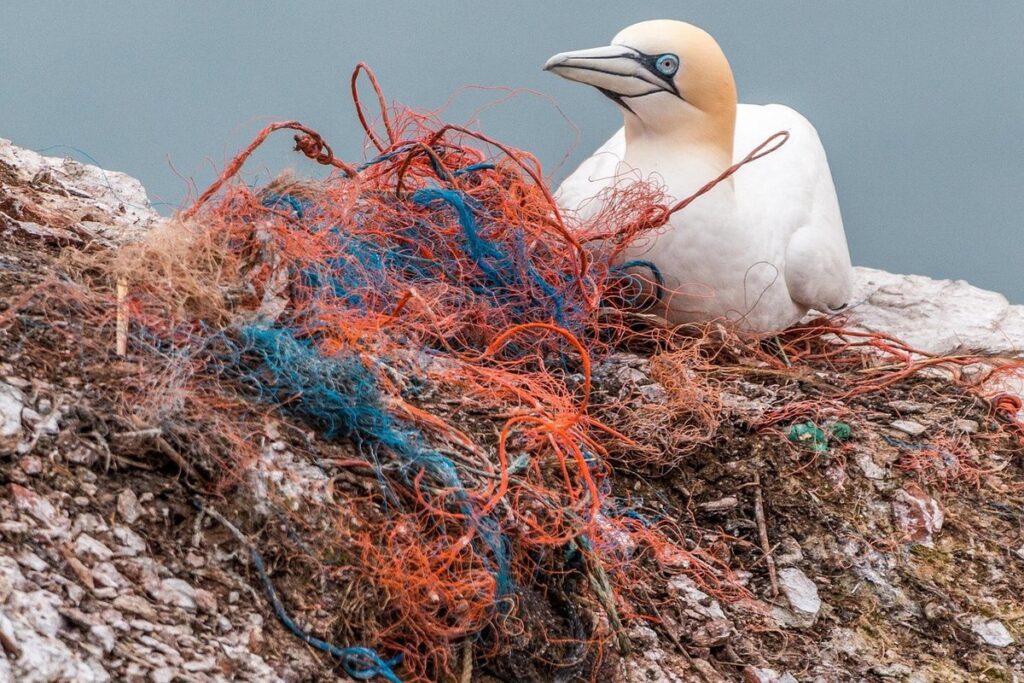
Fishing gear, particularly abandoned nets and lines, is also a major contributor to plastic pollution. When lost fishing gear breaks apart, it can resemble jellyfish, attracting marine life that then gets entangled in the debris. To mitigate this issue, many organizations are implementing “ghost gear” collection programs, where they work with fishermen to retrieve abandoned gear.
Plastic bags and six-pack rings can also get caught around turtles and other animals, causing injury or death. In some areas, plastic debris is so prevalent that it’s formed into massive floating garbage patches. These issues highlight the need for a multifaceted approach to address ocean pollution.
Reducing Single-Use Plastics
One of the simplest yet most effective ways to reduce plastic pollution is by cutting back on single-use plastics, and that starts with everyday items like water bottles, straws, and bags. Here are some practical strategies to help you make a difference.
Ditching Plastic Bags
Plastic bags are a significant contributor to marine pollution, with millions ending up in our oceans every year. These bags can entangle and suffocate sea turtles, birds, and fish, causing physical harm and even death. When they break down, plastic bag fragments enter the food chain, contaminating the water and soil. To mitigate this issue, it’s essential to switch from single-use plastic bags to reusable alternatives.
Consider investing in a few sturdy canvas or mesh bags that can hold a significant amount of groceries or other items. You can also repurpose old clothes or fabric scraps to create your own reusable bags. Another option is shopping baskets made from durable materials like wicker or bamboo, which can be used for both grocery shopping and carrying small items.
If you forget your reusable bag at home, don’t resort to using a single-use plastic one. Instead, politely decline the offer when checking out, or ask the store if they have any cardboard boxes available for packing your items. By making this simple switch, you can significantly reduce your contribution to marine pollution and help protect marine life.
Avoiding Water Bottles
Single-use water bottles are a significant contributor to plastic pollution in our oceans. According to the United States Environmental Protection Agency (EPA), over 35 billion single-use plastic water bottles are thrown away each year, with many ending up in landfills or as litter.
One of the most effective alternatives to single-use water bottles is a filtered water pitcher. These devices can be filled from your tap and provide clean drinking water without the need for disposable bottles. Look for pitchers that use replaceable filters, which can be easily disposed of and recycled. Another option is a refillable container, such as a stainless steel or glass bottle. When choosing a refillable container, consider one with a secure lid to prevent spills.
If you’re concerned about the taste of tap water, consider investing in a water filter pitcher that uses activated carbon or other filtering technologies. Some popular brands include Brita and PUR. You can also take your reusable container to a local water fountain or filtered water station to refill it on-the-go.
Reusing and Recycling
Reducing plastic waste is a crucial step in tackling ocean pollution, and reusing and recycling are simple yet effective ways to do so. Let’s explore some creative strategies for repurposing and reusing items at home.
Bringing Your Own Container
When it comes to take-out food and other items, reusing containers is a simple yet effective way to reduce plastic pollution. Many restaurants now offer discounts for customers who bring their own containers, so be sure to ask about this option when ordering. Some popular options include stainless steel or glass containers with lids.
To make bringing your own container a habit, start by identifying the places you frequently order take-out from and the types of food they typically serve in single-use plastic containers. For example, if you often get sushi from a local restaurant, consider investing in a reusable container specifically designed for transporting sushi.
When shopping for reusable containers, look for ones made from durable materials that can withstand multiple uses. Avoid using containers with lids or other attachments that may not be dishwasher safe. You can also repurpose old containers like Tupperware or plastic containers you’ve cleaned and sanitized to reduce waste.
To make the most of your reusable container habit, remember to clean them thoroughly after each use to prevent cross-contamination and bacterial growth. By making this simple switch, you’ll significantly reduce the amount of single-use plastics in landfills and oceans, contributing to a cleaner environment for future generations.
Proper Recycling Techniques
Proper recycling techniques are crucial in preventing plastic waste from entering the ocean. When it comes to recycling plastic, many people get it wrong by contaminating recyclables with food, liquids, or other non-recyclable materials. This can lead to entire batches being rejected and sent to landfills instead of being processed into new products.
To avoid contamination, sort plastics carefully before placing them in the recycling bin. For example, separate plastic bottles from containers like yogurt or margarine tubs. Also, make sure to remove lids, labels, and caps from items before recycling them. Some materials, like Styrofoam, are not recyclable at all.
Even if you’re doing everything right, the recycling process is not foolproof. Many types of plastic can’t be recycled because they’re made from a mixture of materials or don’t have a market for their type. In these cases, it’s best to dispose of them through special collection programs or community drop-offs that accept hard-to-recycle materials.
Here are some key items to always keep out of the regular recycling bin:
- Food and liquid containers
- Plastic bags and wrap
- Styrofoam packaging
- Shredded paper or cardboard with food residue
Making Lifestyle Changes
Making small changes to our daily habits can have a significant impact on reducing plastic pollution in our oceans. We’ll look at some simple lifestyle adjustments you can make right now.
Switching to Eco-Friendly Products
Choosing eco-friendly products can significantly reduce plastic waste. A significant portion of household trash comes from packaging materials, such as plastic wrap and cardboard inserts. Opting for products with minimal or biodegradable packaging is a crucial step towards reducing ocean pollution.
Consider switching to soap bars instead of liquid soap in bottles. Soap bars are typically packaged in recyclable paper or cardboard, which reduces the amount of non-biodegradable waste generated by product packaging. Another example is bamboo toothbrushes, which replace plastic heads with biodegradable alternatives made from natural materials like bamboo and charcoal.
When shopping for eco-friendly products, look for certifications like “biodegradable” or “compostable.” These labels indicate that the product’s packaging can break down naturally in the environment without harming ecosystems. For instance, some companies produce toothpaste tablets that are packaged in bioplastic or cardboard tubes, eliminating the need for plastic wrapping.
A key consideration when choosing eco-friendly products is their overall lifespan and potential for reuse. For example, reusable metal or bamboo straws can replace single-use plastic straws, while refillable containers for shampoo, conditioner, and body wash reduce packaging waste.
Avoiding Microbeads in Personal Care Products
Microbeads in personal care products have become a significant contributor to plastic pollution in our oceans. These tiny particles, often less than 5 millimeters in size, are commonly found in face washes, exfoliating scrubs, and toothpastes. When washed down the drain, microbeads flow into waterways and eventually make their way into the ocean.
Once ingested by marine life, microbeads can cause physical harm and even death. The tiny particles can also accumulate toxins from the surrounding environment, making them a threat to the food chain. As consumers, we have the power to choose products that are free from microbeads.
Look for certifications like “microbead-free” or “biodegradable” on personal care labels. Some popular alternatives to traditional exfoliants include sugar, salt, and coffee grounds. You can also make your own face scrubs using natural ingredients like oatmeal and coconut oil. When shopping for toothpaste, opt for brands that use silica or calcium carbonate instead of microbeads.
Some notable brands have already made the switch to microbead-free products. Consider switching to these environmentally friendly options as part of your sustainable beauty routine.
Supporting Organizations Working Towards Change
Beyond individual actions, it’s essential to support organizations driving real change in our oceans. We’ll highlight a few groups making a significant impact on plastic pollution.
Volunteer Opportunities
You can make a significant impact by volunteering with organizations working towards reducing plastic pollution. Consider joining local beach cleanups, which are often organized by environmental groups, community centers, or even government agencies. These events not only help collect trash but also raise awareness about the issue and promote community engagement.
When searching for volunteer opportunities, look for organizations that have a specific focus on ocean conservation and marine debris removal. Some examples include Surfrider Foundation, Ocean Conservancy, and local chapters of the Sierra Club. You can also check with your city or county’s parks department to see if they organize beach cleanups or other events.
Before participating in a cleanup event, it’s essential to know what to expect and how to prepare. Check the organization’s website for details on meeting times, locations, and any necessary equipment. Some groups may also require volunteers to sign up in advance or fill out a waiver form. Additionally, consider bringing gloves, water, and snacks to stay comfortable during the event.
Donating to Reputable Charities
Donating to reputable charities can be a significant step towards supporting organizations working to combat plastic pollution. When choosing a charity, look for those with a clear focus on ocean conservation and plastic pollution reduction. Check if the organization is transparent about its mission, goals, and financials.
Research the charity’s impact by reading reviews from independent sources like Charity Navigator or GuideStar. Consider donating to charities with a strong track record of tangible outcomes, such as beach cleanups or education programs for coastal communities. Some notable organizations working on ocean conservation include the Ocean Conservancy and the Surfrider Foundation.
Before making a donation, verify that the charity is registered with the relevant authorities in your country. Be wary of charities with vague or overly broad goals, as they may not be effectively using donations to address plastic pollution. A few hundred dollars can go a long way when directed towards reputable organizations with clear objectives and transparent financials.
Policy Changes and Advocacy
Many of you have asked how to make a bigger impact on reducing plastic pollution, and that’s where policy changes come in – they can create lasting change. Effective advocacy is crucial for influencing laws and regulations that protect our oceans.
Contacting Your Representatives
Contacting local representatives about plastic pollution policy changes is a crucial step towards creating systemic change. By making their voices heard, individuals can influence decision-makers to implement policies that mitigate the impact of plastic pollution on our oceans. To contact your representative, you can start by visiting the website of your country’s or state’s legislative body and searching for your elected official’s contact information.
From there, you can call, email, or write a letter expressing your concerns about plastic pollution and advocating for specific policy changes. Many representatives also have social media accounts where they engage with constituents, so consider sending a message or posting on their page. Additionally, organizations such as the Surfrider Foundation and the Ocean Conservancy offer resources and templates to help you contact your representative effectively.
When reaching out, be clear and concise about what actions you’re asking for. You might ask them to support a specific bill or policy change, attend a hearing on plastic pollution, or allocate more funding for marine conservation efforts. Remember that every interaction counts, and collectively, these efforts can lead to meaningful changes in how our governments address the issue of plastic pollution.
Participating in Global Initiatives
The UN’s Clean Seas campaign is just one example of a global initiative working towards reducing plastic pollution. You can also participate in initiatives like the Ocean Conservancy’s Trash Free Seas program, which focuses on eliminating plastic waste from the ocean. These programs often rely on volunteers and supporters to spread awareness and implement changes.
To get involved with these global initiatives, start by visiting their websites to learn more about their goals and how you can contribute. Many organizations also have social media channels where they share updates and ways for individuals to participate. Look for opportunities to volunteer remotely or attend local events sponsored by the organization. Some programs may also offer internships or ambassador positions.
When participating in global initiatives, consider your own skills and expertise. Can you create content to help spread awareness? Do you have experience with social media management that could be useful for promoting a campaign? Even small contributions can make a big impact when combined with the efforts of others. By joining forces with organizations working towards change, you can amplify your own impact and be part of a larger movement to reduce plastic pollution in the ocean.
Community Engagement and Education
Engaging local communities is a crucial step towards tackling ocean plastic pollution, which is why education and outreach efforts are essential. By raising awareness and promoting collective action, we can make a significant impact together.
Organizing Local Events
Organizing local events is a crucial step in raising awareness about plastic pollution and engaging community members in the fight against it. When planning an event, consider partnering with local organizations, schools, or businesses to amplify its impact. For instance, teaming up with a nearby park ranger service can provide valuable resources and expertise.
To ensure the success of your event, create a clear agenda and assign tasks to volunteers. This could include setting up equipment, leading workshops, or facilitating discussions. Make sure to promote your event through local media outlets, social media, and community bulletin boards to attract a large audience.
Some popular types of events for raising awareness about plastic pollution include:
- Beach cleanups: Organize a group to collect trash on a nearby beach or coastline.
- Workshops: Host sessions on sustainable living practices, such as reducing single-use plastics or composting.
- Film screenings: Show documentaries or films that highlight the issue of plastic pollution and its effects.
When organizing an event, consider incorporating interactive elements, like art exhibits or educational stations, to keep attendees engaged. Additionally, have a plan in place for collecting donations or recyclables, and make sure to follow local regulations regarding waste disposal.
Developing Educational Programs
When developing educational programs about plastic pollution, it’s essential to consider the target audience and tailor the content accordingly. For children, interactive lessons and hands-on activities can be effective in teaching them about the impact of plastic waste on marine life. For adults, workshops and seminars can provide a deeper understanding of the issue and its implications.
To create engaging educational programs, educators should use a combination of visual aids, real-life examples, and expert testimonies. For instance, showing images or videos of marine animals trapped in plastic debris can be a powerful way to convey the severity of the problem. Additionally, inviting experts such as scientists or conservationists to share their experiences and insights can add credibility and depth to the program.
Some key considerations for developing effective educational programs include:
- Aligning the content with curriculum standards and learning objectives
- Incorporating hands-on activities and interactive elements
- Providing opportunities for students to ask questions and engage in discussions
- Encouraging community involvement and participation
By following these guidelines, educators can create educational programs that not only inform but also inspire individuals to take action against plastic pollution.
Frequently Asked Questions
What if I’m unable to switch to reusable bags immediately due to financial constraints?
Yes, it’s possible to start reducing plastic bag use gradually by setting aside a budget for buying reusable bags over time. Consider purchasing a few affordable options at first and gradually increase your collection as you become more comfortable with the new habit.
How can I ensure that my recycling efforts are making a difference when I’m not sure what materials are accepted in my area?
You can start by contacting your local waste management department to inquire about their recycling guidelines. Additionally, check online resources or mobile apps that provide information on recyclable materials and participating facilities in your area.
Can I make a positive impact as an individual if many of the plastic pollution sources are due to large corporations and governments?
Yes, collective action by individuals can lead to significant change. Supporting organizations working towards policy changes and advocating for corporate responsibility can help create a ripple effect that inspires larger-scale reforms.
What happens to plastic waste in my community when it’s not recycled properly, and how can I contribute to reducing contamination?
When plastic waste isn’t recycled correctly, it often ends up in landfills or is incinerated. To minimize contamination, make sure to rinse food residue from containers before recycling them, and educate others about proper sorting practices by volunteering for local cleanups or participating in educational initiatives.

