
You’ve probably heard the term “zero waste” tossed around lately, but have you ever stopped to think about how your cleaning habits are impacting the environment? Traditional cleaning products can contain harsh chemicals and synthetic fragrances that not only harm the planet but also pose health risks to you and your family. The good news is that making the switch to zero waste cleaning is easier than you think. By adopting natural products and DIY recipes, you can significantly reduce your environmental footprint and create a healthier home. In this comprehensive guide, we’ll explore the ins and outs of zero waste cleaning, from identifying eco-friendly ingredients to whipping up your own all-purpose cleaners using household staples. By the end of this article, you’ll have the knowledge to make informed choices about the products you use and take control of creating a more sustainable cleaning routine.
Understanding Zero Waste Cleaning
Zero waste cleaning is a holistic approach that goes beyond just swapping products, requiring a deep understanding of the environmental impact of your cleaning habits and routines. Let’s take a closer look at the mindset shift required for true zero waste cleaning success.
What is Zero Waste Cleaning?
Zero waste cleaning is a holistic approach to household maintenance that minimizes waste and optimizes cleaning products’ environmental impact. At its core, zero waste cleaning aims to reduce plastic usage by favoring reusable and biodegradable materials over disposable alternatives. This shift not only decreases the staggering amount of waste generated by traditional cleaning products but also promotes healthier living spaces.
For instance, many commercial cleaners come in single-use plastic bottles or packaging that’s often non-biodegradable. By contrast, zero waste cleaning encourages the use of refillable containers, homemade cleaning solutions, and concentrated products with minimal packaging. This reduction in plastic usage contributes significantly to environmental sustainability.
Furthermore, zero waste cleaning can improve indoor air quality and overall health by avoiding harsh chemicals found in many commercial cleaners. Opting for eco-friendly alternatives or making your own cleaning solutions using natural ingredients like baking soda, vinegar, and essential oils can help create a healthier environment within your home.
The Impact of Traditional Cleaning Products on the Environment
Traditional cleaning products have a profound impact on the environment. Water pollution is a significant concern, as many chemicals from these products contaminate waterways and harm aquatic life. For example, phosphates from laundry detergents can trigger algal blooms that deplete oxygen levels, causing fish kills.
Air quality degradation is another issue. Volatile organic compounds (VOCs) in cleaning sprays contribute to ground-level ozone formation, exacerbating respiratory problems like asthma. Furthermore, the production of traditional cleaning products involves the release of greenhouse gases, which accelerate climate change.
Harm to wildlife is also a pressing concern. Many cleaning products contain toxic chemicals that can bioaccumulate in animals’ bodies, causing reproductive and developmental issues. For instance, studies have linked high levels of per- and polyfluoroalkyl substances (PFAS) in animal tissues to decreased fertility rates and birth defects.
When switching to zero-waste cleaning methods, it’s essential to consider the environmental impact of your cleaning products. Opt for plant-based alternatives or make your own cleaning solutions using natural ingredients like baking soda, vinegar, and lemon juice. These options not only reduce chemical exposure but also minimize packaging waste.
Assessing Your Current Cleaning Habits
Before we can create a more sustainable cleaning routine, take a closer look at your current habits and identify areas where you can make positive changes to reduce waste. Let’s start by examining your daily cleaning practices.
Identifying High-Impact Areas in Your Home
When assessing your current cleaning habits, it’s essential to identify high-impact areas where you can make significant changes to reduce waste. In most homes, three key areas stand out: kitchens, bathrooms, and laundry rooms. These spaces often generate the most trash and contribute significantly to household waste.
Start by examining your kitchen habits. Think about the disposable products you use daily, such as paper towels, plastic wrap, and aluminum foil. Consider switching to reusable alternatives like cloth towels, beeswax wraps, or stainless steel containers. You can also reduce food waste by meal planning and composting leftover scraps.
Next, take a closer look at your bathroom routine. Pay attention to the amount of single-use plastics you’re generating from items like soap dispensers, shampoo bottles, and toothbrush holders. Opt for refillable options or choose products with minimal packaging. For example, consider purchasing bar soap or concentrated cleaning solutions that come in bulk.
In the laundry room, assess your detergent usage and packaging. Many conventional detergents come in single-use plastic containers. Look into eco-friendly alternatives like soap nuts or make-your-own detergents using natural ingredients.
Common Zero Waste Cleaning Mistakes to Avoid
Many people struggle with transitioning to zero waste cleaning due to a few common pitfalls. One of the most significant mistakes is relying too heavily on chemical-based products, even those marketed as “eco-friendly.” These products may still contain hazardous ingredients that can contaminate soil and waterways if not disposed of properly.
Failure to properly dispose of hazardous materials is another major issue. For example, expired or unwanted cleaning products often end up in landfills or incinerators, releasing toxic chemicals into the environment. This includes items like bleach, ammonia, and drain cleaners, which can harm human health as well as the environment if not handled correctly.
To avoid these mistakes, it’s essential to develop a solid understanding of what constitutes hazardous waste and how to properly dispose of it. Check with your local government for guidelines on collection days and facilities in your area that accept household hazardous waste. Additionally, consider repurposing or upcycling cleaning products whenever possible, rather than immediately discarding them when they’re empty or expired. By taking these steps, you can minimize your environmental footprint and ensure a smoother transition to zero waste cleaning practices.
Choosing Zero Waste Cleaning Products
When it comes to choosing zero waste cleaning products, the sheer number of options can be overwhelming. Let’s break down the key factors to consider when making your selection.
Natural Cleaning Agents: A Guide to Essential Oils and Plant-Based Ingredients
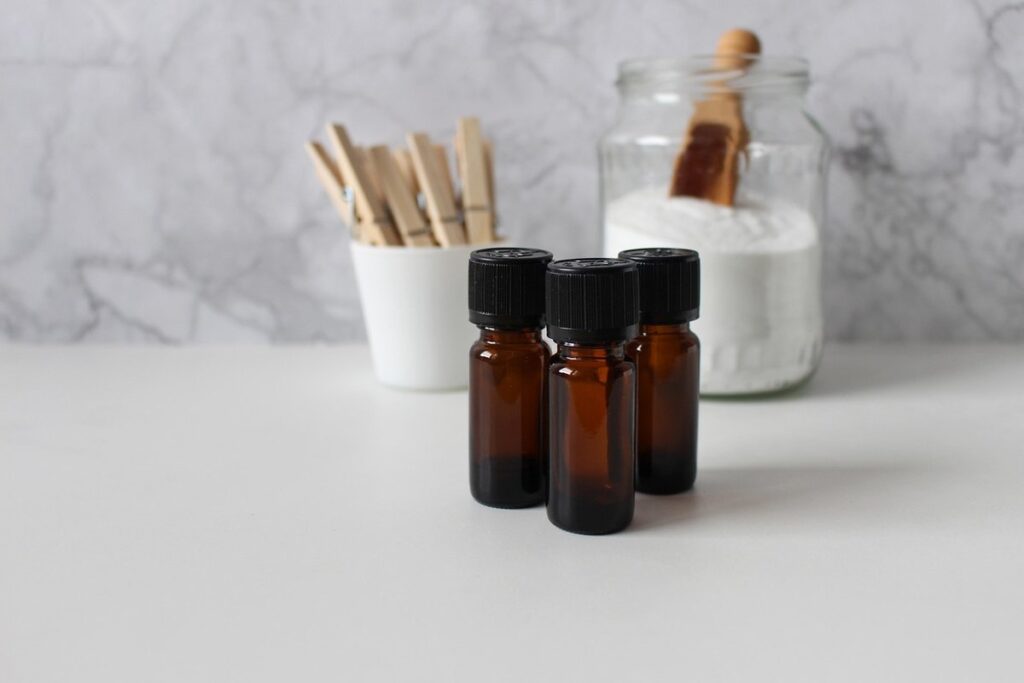
Essential oils and plant-based ingredients are powerful natural cleaning agents that can be used as alternatives to traditional chemicals. Tea tree oil, for example, has antibacterial properties that make it effective against germs and bacteria. Lemon essential oil is a natural disinfectant and deodorizer, while baking soda is a gentle abrasive that can be used to scrub surfaces.
When choosing essential oils and plant-based ingredients for cleaning, look for high-quality, pure options that are free from additives and preservatives. Some popular alternatives to traditional chemicals include castile soap, white vinegar, and borax. These natural ingredients can be used individually or blended together to create a customized cleaning solution that meets your specific needs.
Some recommended essential oils for cleaning include eucalyptus, lavender, and rosemary. When using essential oils, always dilute them with water according to the manufacturer’s instructions to avoid skin irritation or other adverse effects. Additionally, be sure to choose essential oils that are sustainably sourced and extracted using environmentally friendly methods.
Zero Waste Cleaning Product Labels to Look For
When selecting zero waste cleaning products, look for labels and certifications that guarantee non-toxicity. For example, the Leaping Bunny logo indicates that a product is free from animal testing, making it cruelty-free. The EPA’s Safer Choice label ensures that a product meets rigorous standards for sustainability and human safety.
Another essential certification to search for is the biodegradable label, often denoted by the Compostable or Bioplastic symbol. This guarantee means that the product can easily decompose in the environment, reducing waste and pollution. Some companies may also claim to be non-toxic or hypoallergenic, but this term is often vague and open to interpretation.
To verify a product’s claims, research the company’s ingredients and manufacturing process. Check if they use natural or plant-based ingredients, and whether their packaging is recyclable or reusable. Look for third-party certifications from organizations like Green Seal or EcoLogo, which have set high standards for environmental sustainability in cleaning products. By scrutinizing labels and certifications, you can ensure that your zero waste cleaning choices align with your environmental goals.
DIY Zero Waste Cleaning Recipes
Discover how to create effective and eco-friendly cleaning solutions using common household ingredients, eliminating harsh chemicals from your daily routine entirely. You’ll find simple recipes to get you started.
Simple Natural Cleaning Solutions Using Common Household Ingredients
When it comes to natural cleaning solutions, many people are surprised at how effective and inexpensive they can be. Baking soda, for instance, is a miracle worker when it comes to scrubbing away tough stains on countertops and sink basins. Simply mix 1 tablespoon of baking soda with 2 tablespoons of water to create a paste, and let it sit for 15-30 minutes before rinsing clean.
Vinegar is another common household ingredient that’s gotten a bad rap over the years – despite its incredible cleaning power. White vinegar can be used as an all-purpose cleaner by mixing equal parts water and vinegar in a spray bottle. The acidity helps break down dirt and grime, leaving surfaces sparkling clean without any harsh chemical residues.
Lemon juice is another natural disinfectant that’s perfect for cleaning high-touch areas like doorknobs and light switches. Mix equal parts lemon juice and water in a spray bottle, and use it to wipe down these areas regularly. Not only will this solution leave your home smelling fresh and clean, but it’ll also help reduce the spread of germs and illnesses.
Advanced DIY Zero Waste Cleaning Projects for the Experienced
When you have experience with DIY cleaning projects, you can experiment with more complex recipes. One advanced technique is using activated charcoal to absorb odors and moisture from surfaces. You can mix it with water or a natural solvent like witch hazel to create a paste that’s effective against grease and grime.
Another specialized ingredient is borax, which has antifungal and antibacterial properties. Mix equal parts borax and washing soda with warm water to form a paste for scrubbing tough stains. However, be cautious when using borax, as it can irritate skin and respiratory systems if not handled properly.
Using essential oils in DIY cleaning projects is also becoming increasingly popular, but be aware that some oils may not be suitable for all surfaces or individuals. For example, tea tree oil has antibacterial properties but can damage certain types of stone or hardwood. Always research the specific uses and precautions before incorporating these ingredients into your recipes.
Implementing Zero Waste Cleaning Practices in Your Home
Zero waste cleaning is all about making intentional choices, and that starts with swapping out harsh chemicals for more eco-friendly alternatives in your home. Let’s explore how to transition to a zero waste cleaning routine that works for you.
Tips for Transitioning to a Zero Waste Cleaning Routine
Start by gradually substituting zero-waste cleaning products for conventional ones. This transition can be challenging, especially when faced with a vast array of options. Begin by replacing one product at a time to avoid feeling overwhelmed. For instance, switch from chemical-based laundry detergent to a powder or liquid soap made from natural ingredients.
Next, focus on adapting habits that support your zero-waste cleaning routine. This might involve adopting a ‘make-do’ approach with items you already have at home, such as using rags instead of paper towels for cleaning spills. Be mindful of the specific needs and surfaces within your home to choose products that cater to those requirements.
Another effective strategy is to establish a ‘cleaning station’ in your home where all necessary zero-waste supplies are stored. This can help maintain organization and encourage consistent use of eco-friendly products. Consider setting aside time each week for deep cleaning, allowing you to thoroughly inspect surfaces and replenish any depleted supplies.
Overcoming Common Challenges and Obstacles
One common challenge when transitioning to zero waste cleaning is the perceived cost. Many people assume that switching to eco-friendly products means breaking the bank. However, the truth is that many zero-waste cleaning alternatives are actually more affordable than their conventional counterparts. For example, making your own all-purpose cleaners with ingredients like baking soda and vinegar can save you money in the long run.
Another obstacle is accessibility – some areas may not have stores or online retailers that carry eco-friendly products. In these cases, consider shopping online from retailers that specialize in zero-waste cleaning supplies or look for local businesses that offer refill services. Additionally, many communities have zero-waste groups or meetups where you can connect with like-minded individuals and learn about resources available in your area.
A lack of knowledge is also a significant barrier to adopting zero-waste cleaning practices. Fortunately, there are numerous online resources, blogs, and social media communities dedicated to sharing tips and advice on eco-friendly cleaning methods. Take the time to educate yourself and explore different approaches until you find what works best for you and your household.
Maintaining Your Zero Waste Cleaning Journey
Now that you’ve started your zero waste cleaning journey, it’s time to think about how to maintain momentum and keep your home clean without creating more waste. We’ll cover essential tips for ongoing success.
Continuous Improvement: Monitoring Progress and Adjusting Strategies
Monitoring your progress and adjusting strategies as needed is a crucial aspect of maintaining a zero waste cleaning journey. This involves tracking your successes and setbacks to identify areas for improvement. Keep a log or use a spreadsheet to record the products you’ve used, their packaging, and any notable accomplishments or challenges.
As you collect data, look for patterns and opportunities to optimize your routine. For instance, you might discover that certain products are difficult to find in bulk or that a particular cleaning task requires a different approach. Use this information to adjust your strategies and refine your methods.
Regularly reviewing your progress also helps you stay motivated and inspired. Celebrate small victories, like completing a month without plastic wrap or discovering a new eco-friendly product. When faced with setbacks, revisit your goals and remind yourself why you started this journey in the first place. By continuously evaluating and improving your zero waste cleaning practices, you’ll become more efficient, effective, and committed to reducing your environmental footprint.
Community Support and Resources for a Sustainable Future
Joining a community of like-minded individuals who share your commitment to zero waste cleaning can be incredibly empowering. Online forums and social media groups dedicated to sustainable living provide valuable resources, including tutorials, product reviews, and advice from experienced practitioners. These communities often facilitate swaps for gently used or refurbished cleaning products, reducing waste and promoting collaboration.
Local initiatives and workshops may also offer opportunities to connect with others who share your goals. Attend community events, lectures, or hands-on training sessions to gain practical skills and knowledge. Many cities now have zero-waste stores where you can find second-hand items or purchase products in bulk.
Connecting with fellow zero waste enthusiasts can help alleviate common challenges like supply chain disruptions or product shortages. You’ll also be able to share your own successes and learn from others’ experiences, fostering a sense of belonging and motivation within the community. Regularly visit websites and online forums that cater to sustainable living to stay informed about new products, techniques, and initiatives in your area.
Frequently Asked Questions
Can I use essential oils without being overwhelmed by their strong scents?
You can dilute essential oils with water or other natural ingredients to reduce their strength. For example, mixing a few drops of lemon essential oil with baking soda and water creates a gentle yet effective all-purpose cleaner.
What if I have sensitive skin – are zero waste cleaning products always safe to use?
Not all zero waste cleaning products are suitable for sensitive skin. Always read labels carefully and look for certifications like non-toxicity or hypoallergenic claims. If you’re still unsure, start with small test patches to ensure you don’t react to a new product.
How do I store homemade cleaning solutions when not in use?
Transfer your homemade cleaning solutions into clean glass containers with tight-fitting lids and store them in a cool, dry place. This will help maintain their effectiveness and prevent contamination.
Can I use zero waste cleaning methods for outdoor spaces like patios or gardens?
Yes, many of the natural ingredients used in zero waste cleaning can be applied to outdoor surfaces. However, be sure to test a small area first to ensure the solution doesn’t damage any specific materials.
What if I live in an apartment and have limited space – how can I still adopt zero waste cleaning practices?
Start by making small changes, like switching to soap bars or using a refillable water bottle for cleaning. You can also consider investing in multi-purpose cleaning products that take up less storage space. Additionally, look into local resources or online communities for tips on adapting zero waste cleaning to small spaces.

