
Wilderness tourism is often misunderstood as being at odds with conservation efforts, but in reality, well-managed tours can be a vital source of income for local communities and a powerful tool for protecting fragile ecosystems. A thought-provoking example is the growth of eco-lodges in countries like Costa Rica and Peru, which not only provide sustainable accommodations for visitors but also create jobs and stimulate economic development in rural areas. By choosing responsible wildlife viewing experiences, such as guided hikes or boat tours, tourists can help support conservation efforts while gaining a deeper appreciation for the natural world. In this article, we’ll explore some inspiring examples of wilderness tourism in action, highlighting the benefits of sustainable accommodations and responsible wildlife encounters, so that you too can plan an unforgettable trip that supports local communities and protects the environment.
Understanding Wilderness Tourism
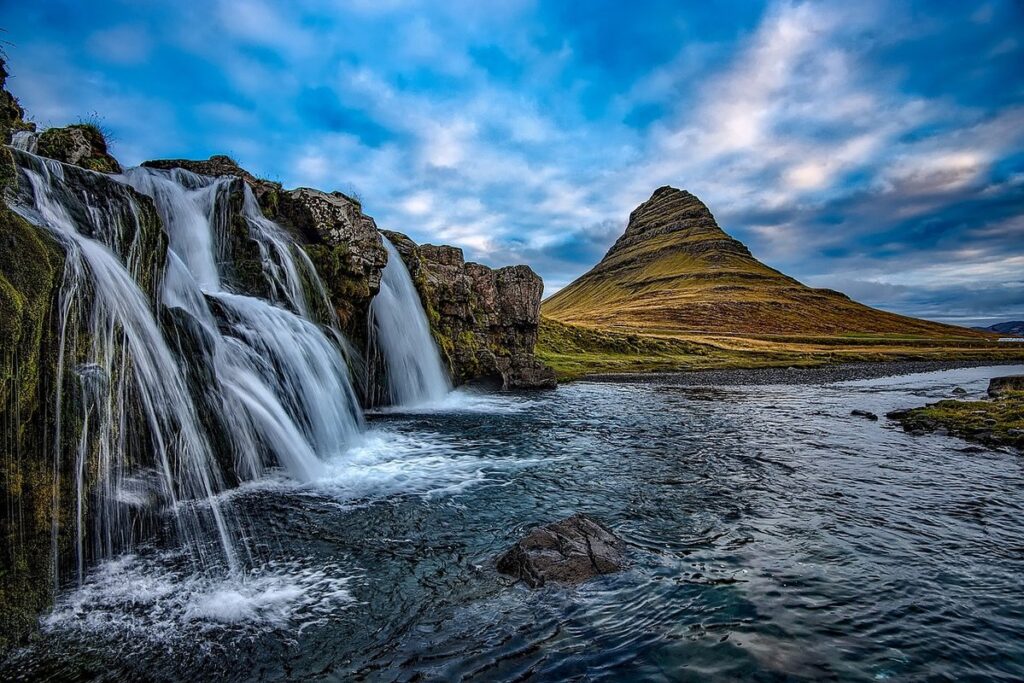
Wilderness tourism involves responsible travel to areas of natural beauty, and understanding its impact is crucial for a sustainable experience. Let’s break down what it means to be a mindful wilderness tourist.
What is Wilderness Tourism?
Wilderness tourism involves immersing yourself in nature by traveling to and exploring remote areas that are often untouched by human development. These destinations typically lack large-scale infrastructure, such as resorts, hotels, or theme parks, allowing for a more authentic experience with the natural environment.
When engaging in wilderness tourism, you’re not only supporting local communities but also contributing to environmental stewardship. Many operators prioritize sustainable practices, such as minimizing waste and respecting wildlife habitats. For example, some tour guides will avoid areas where animals are known to be sensitive or endangered.
Wilderness tourism can take many forms, from hiking and backpacking through untouched forests to kayaking through pristine rivers. Each activity provides a unique opportunity for nature observation and environmental education. To fully immerse yourself in the experience, consider choosing operators that adhere to responsible wildlife viewing practices and incorporate local guides who have extensive knowledge of the area’s ecosystems.
Some key characteristics of wilderness tourism include:
- A focus on minimal human impact
- Emphasis on environmental stewardship and conservation
- Support for local communities through sustainable economic development
Benefits of Wilderness Tourism
Engaging in wilderness tourism can have a profound impact on both mental and physical health. Studies have shown that spending time in nature can reduce stress levels, lower blood pressure, and even alleviate symptoms of anxiety and depression. In contrast to urban environments, the great outdoors provides an opportunity for exercise, such as hiking or kayaking, which can help improve cardiovascular health and boost mood.
Beyond its individual benefits, wilderness tourism also has a significant economic impact on local communities. When tourists visit remote areas, they often support small businesses and contribute to the local economy through accommodation bookings, food purchases, and guided tours. This influx of revenue can be especially beneficial for rural or underdeveloped regions where job opportunities may be scarce.
Wilderness tourism also plays a crucial role in preserving natural resources. By promoting sustainable practices and supporting eco-friendly accommodations, tourists can help maintain the integrity of fragile ecosystems. For example, some tour operators offer carbon offsetting programs that fund reforestation efforts or renewable energy projects, further reducing the industry’s environmental footprint.
Types of Wilderness Tourism Activities
Wilderness tourism offers a diverse range of experiences, from hiking and camping to more adventurous activities that get your heart racing. Let’s take a closer look at some of the most exciting types of wilderness tourism activities out there.
Hiking and Backpacking
Hiking and backpacking are two of the most popular forms of wilderness tourism. Long-distance hiking trails like the Appalachian Trail in the US and the Inca Trail in Peru attract thousands of adventurers every year. These trails offer breathtaking scenery, unique cultural experiences, and a chance to push oneself physically.
However, long-distance hiking and backpacking also come with their own set of challenges. Hikers must be prepared for unpredictable weather, potential altitude sickness, and physical exhaustion. Navigation skills are crucial, as is knowledge of wilderness first aid. Many hikers also choose to carry heavy packs, which can lead to fatigue and injuries.
Despite these challenges, the rewards of long-distance hiking and backpacking are immense. Hikers often report feelings of accomplishment and self-reliance after completing a section or the entire trail. The sense of community among fellow hikers is also a significant draw, with many trails offering communal accommodations and dining options. For those willing to take on the challenges, hiking and backpacking offer an unparalleled way to connect with nature and experience the beauty of wilderness tourism.
Wildlife Viewing and Photography
For wildlife enthusiasts and photographers, there’s no better experience than capturing stunning images of animals in their natural habitats. National parks like Yellowstone in the United States and Serengeti National Park in Tanzania are among the best destinations for wildlife viewing and photography.
When visiting these parks, it’s essential to choose the right time of year for optimal animal sightings. For example, the Great Migration in Tanzania’s Serengeti National Park typically takes place between July and October, offering breathtaking opportunities for capturing images of wildebeests, zebras, and gazelles.
To take your wildlife photography to the next level, consider the following tips: use a telephoto lens with a focal length of at least 200mm to capture animals from a safe distance; be patient and quiet while observing animals to avoid scaring them away; and experiment with different lighting conditions, such as golden hour or overcast skies, to add depth and interest to your images.
When planning your trip, research the park’s rules and regulations regarding photography equipment, permits, and animal interactions.
Sustainable Wilderness Tourism Practices
As we venture into wilderness tourism examples, it’s crucial to consider responsible practices that minimize our impact on these delicate ecosystems and preserve their beauty for future generations. Let’s explore some sustainable approaches.
Eco-Friendly Accommodations
When choosing an eco-friendly accommodation for your wilderness tourism adventure, look for lodges and resorts that prioritize sustainability. These establishments often use renewable energy sources like solar or hydroelectric power to reduce their carbon footprint. Some notable examples include the eco-lodge at Lapa Rios in Costa Rica’s Osa Peninsula, which generates its own electricity through a combination of solar and wind power.
In addition to sustainable energy, many eco-friendly accommodations focus on reducing waste by implementing recycling programs, composting food scraps, and minimizing single-use plastics. For instance, the Mountain Lodge & Spa in British Columbia, Canada, has implemented a comprehensive recycling program that includes recycling glass, paper, and plastic.
Some eco-lodges also promote conservation efforts through partnerships with local organizations and initiatives. The Kanha National Park Eco-Lodge in India, for example, works closely with the park’s wildlife department to support conservation efforts and promote sustainable tourism practices among guests.
Responsible Wildlife Encounters
Respecting wildlife boundaries is crucial for a sustainable wilderness tourism experience. Unpredictable behavior can occur when animals feel threatened or surprised by human presence. A prime example of responsible wildlife viewing practices can be seen with tour operators that offer guided tours with expert guides.
These guides have extensive knowledge of animal habitats, behavior, and body language. They can identify potential threats to both humans and animals, ensuring a safe and enjoyable experience for all involved. For instance, in Africa’s Maasai Mara National Reserve, companies like the Abercrombie & Kent offer guided tours that allow visitors to witness the Great Migration while maintaining a respectful distance from the wildlife.
When choosing a tour operator, look for those that adhere to guidelines set by organizations such as the International Ecotourism Society. These operators typically have experienced guides who will help you spot wildlife without disrupting their natural behavior. Always follow the guide’s instructions and keep a safe distance from animals to ensure both your safety and theirs.
Case Studies: Successful Wilderness Tourism Models
Let’s take a closer look at how real-life destinations have implemented successful wilderness tourism models that balance conservation and visitor experience. From New Zealand to Iceland, these examples are truly inspiring.
Costa Rica’s Eco-Tourism Model
Costa Rica’s commitment to eco-tourism has paid off, with the country now relying on sustainable tourism practices for a significant portion of its revenue. To achieve this, Costa Rica implemented policies that promote environmentally-friendly accommodations and activities. For instance, many hotels and lodges are built using locally-sourced materials and designed to blend seamlessly into the surrounding landscape. Some popular eco-lodges even offer treehouse-style rooms or bungalows made from sustainable materials.
The country’s national parks and wildlife refuges provide a safe haven for tourists to observe wildlife in its natural habitat, while also supporting conservation efforts. Tourists can participate in activities such as birdwatching, whale watching, or zip-lining through the rainforest canopy. By choosing eco-friendly tour operators and accommodations, visitors contribute directly to the country’s conservation efforts.
Costa Rica’s model emphasizes the importance of community involvement in sustainable tourism practices. Local communities are employed as guides, interpreters, and staff members, ensuring that profits from tourism stay within the region. This approach not only preserves natural resources but also provides economic benefits for local residents.
New Zealand’s Adventure Tourism Industry
New Zealand’s adventure tourism industry is a prime example of successful wilderness tourism. The country offers a diverse range of activities such as bungee jumping, skydiving, and hiking, which cater to thrill-seekers and nature lovers alike. These activities take place in stunning natural landscapes like Fiordland National Park, Milford Sound, and the Southern Alps.
The economic benefits of this type of tourism are substantial. According to a report by the New Zealand government, adventure tourism generates over $1 billion annually in revenue, supporting local businesses and communities. Many tour operators have established partnerships with local hotels, cafes, and activity providers, injecting funds into regional economies.
To participate in New Zealand’s adventure tourism industry, travelers can choose from a variety of packages that combine activities like hiking, kayaking, or mountain biking with accommodation options ranging from budget-friendly hostels to luxury lodges. Consider visiting during the shoulder season (April-May or September-October) for optimal prices and fewer crowds. With careful planning and responsible travel practices, visitors can experience the best of New Zealand’s adventure tourism while supporting local communities and preserving the country’s natural beauty.
Challenges and Controversies in Wilderness Tourism
Wilderness tourism has its fair share of challenges, from environmental concerns to cultural insensitivity. We’ll examine some of these controversies that arise when humans interact with pristine natural environments.
Over-Tourism and Its Consequences
Over-tourism can ravage fragile ecosystems and local communities. In sensitive environments like the Amazon rainforest, over-visitation has led to soil erosion, water pollution, and the displacement of native species. For example, the Galapagos Islands have witnessed an influx of tourists in recent years, putting pressure on their unique wildlife and habitats.
The consequences of over-tourism also extend to local communities. In popular destinations like Iceland, locals are struggling to cope with the sheer number of visitors, who often disregard environmental regulations and disrespect cultural heritage sites. This strain can lead to increased costs of living, decreased property values, and a loss of traditional ways of life.
To mitigate these effects, tour operators and governments are implementing measures such as managed entry systems, which limit visitor numbers and prioritize responsible tourism practices. In some areas, local communities are taking the reins by developing community-led tourism initiatives that focus on cultural exchange and sustainable development. These efforts aim to strike a balance between economic benefits and environmental stewardship. By supporting these responsible approaches, travelers can help reduce their impact on vulnerable ecosystems and preserve the integrity of wilderness destinations.
Cultural Sensitivity and Respect for Indigenous Communities
Cultural sensitivity is crucial when interacting with indigenous communities in wilderness tourism settings. A single misstep can have far-reaching consequences and perpetuate harmful stereotypes. For instance, a tour operator in the Amazon rainforest was forced to shut down after local communities accused them of disrespecting sacred sites and traditional practices.
In contrast, some tour operators prioritize cultural exchange and respect. In Alaska’s Native Heritage Center, visitors learn about indigenous traditions through hands-on activities and workshops led by community members. Similarly, a Maori-led tourism company in New Zealand offers visitors the chance to participate in traditional ceremonies and learn about the land’s rich history.
When interacting with indigenous communities, it’s essential to approach with humility and respect. This means being mindful of local customs, protocols, and sacred sites. Visitors should also be aware that not all indigenous communities are eager to engage with tourism, so it’s crucial to follow guidelines set by local leaders and community members.
Conclusion: The Future of Wilderness Tourism
As we conclude our journey through wilderness tourism examples, let’s take a step forward and imagine what the future holds for this rapidly evolving industry. We’ll explore emerging trends shaping its direction.
Emerging Trends and Opportunities
As wilderness tourism continues to grow and evolve, several emerging trends are shaping the industry. One notable trend is experiential travel, which prioritizes immersive experiences over traditional sightseeing. This shift towards deeper connections with nature and local cultures has led to an increase in activities such as stargazing tours, meditation retreats in the wilderness, and hands-on conservation efforts.
Sustainable adventure tourism is another key trend gaining momentum. Tour operators are now incorporating eco-friendly practices into their operations, from using locally sourced materials for accommodations to implementing waste reduction programs. This approach not only reduces environmental impact but also creates opportunities for local communities to benefit directly from tourism revenues.
The rise of experiential travel and sustainable adventure tourism has opened up new avenues for innovation and growth in wilderness tourism. For instance, some tour operators are offering “slow travel” experiences that encourage visitors to spend more time in one location, fostering a deeper appreciation for the local environment and culture. Others are incorporating cutting-edge technology, such as virtual reality experiences or real-time wildlife tracking, to enhance visitor engagement.
To capitalize on these trends, wilderness tourism operators should focus on developing unique, immersive experiences that prioritize environmental stewardship and cultural sensitivity. This may involve collaborating with local experts, investing in sustainable infrastructure, and incorporating educational components into tours. By embracing these emerging trends, operators can not only differentiate themselves in a crowded market but also contribute to the long-term sustainability of wilderness tourism as a whole.
Frequently Asked Questions
Can I start planning a wilderness tourism trip without prior experience?
Yes, many tour operators offer guided tours and packages for beginners. Research reputable operators that cater to your skill level and interests, and don’t be afraid to ask questions about the itinerary and what to expect.
How can I balance my desire for adventure with responsible wildlife viewing practices?
When interacting with wildlife, prioritize respect and caution. Keep a safe distance, avoid sudden movements, and never feed or touch animals in their natural habitats. Look for tour operators that emphasize responsible wildlife encounters and provide expert guidance on how to observe wildlife safely.
What if I encounter cultural or language barriers during my wilderness tourism trip?
When interacting with local communities, be mindful of your own biases and limitations. Learn basic phrases in the local language, respect traditional customs, and engage with local guides who can facilitate cultural exchange and provide context about the area’s history and traditions.
Can I incorporate experiential travel elements into a pre-planned wilderness tourism itinerary?
Many tour operators now offer customized packages that combine adventure activities with immersive cultural experiences. Research operators that prioritize experiential travel and ask about opportunities for local homestays, community engagement, or hands-on workshops to enhance your trip’s authenticity and impact.
How do I know if a wilderness tourism operator is genuinely committed to sustainability?
Look for operators that transparently disclose their environmental practices, such as energy efficiency measures, waste reduction initiatives, and reforestation efforts. Check online reviews and ratings from other travelers, and ask about any certifications or partnerships with local conservation organizations.

