
The world is losing its biodiversity at an alarming rate, with many iconic species teetering on the brink of extinction. The consequences of this decline are far-reaching and devastating, impacting not only the ecosystems that support them but also human livelihoods and our planet’s future. As we continue to exploit natural resources and destroy habitats, it’s becoming increasingly clear that preserving biodiversity is vital for the health and resilience of our planet. But beyond the environmental benefits, conservation efforts can have significant economic, social, and cultural rewards. In this article, we’ll explore the importance of protecting endangered species and discover how you can make a difference in preserving the rich tapestry of life on Earth. By the end of it, you’ll know exactly why conserving biodiversity is crucial for our collective well-being.
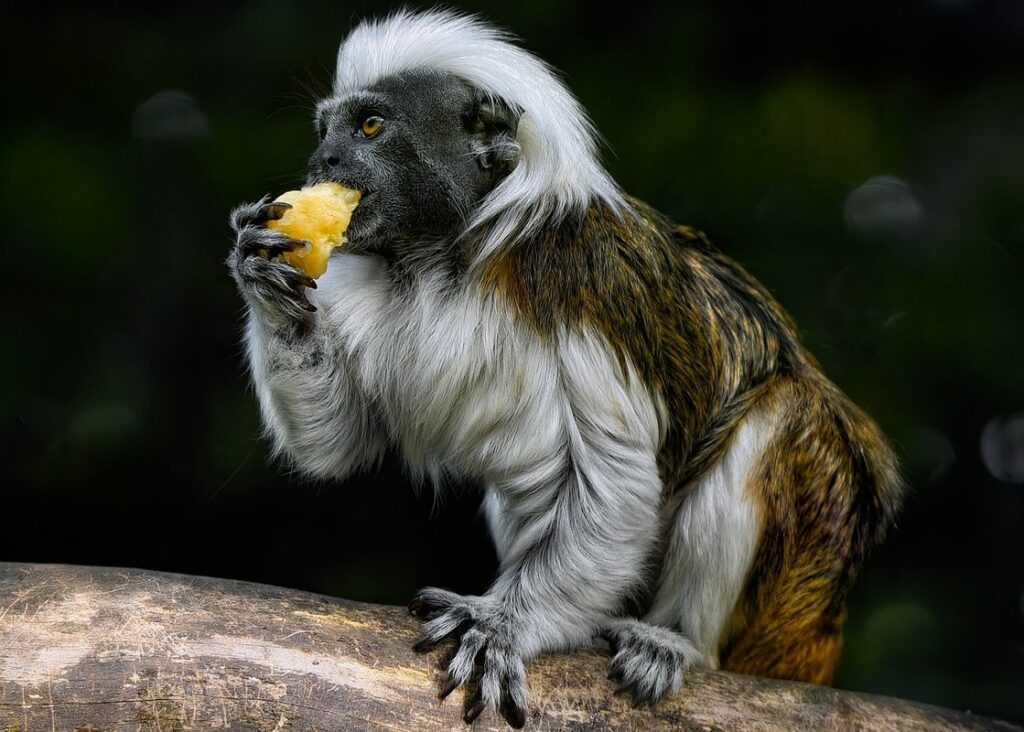
The Importance of Biodiversity
Biodiversity is the backbone of our ecosystem, and its loss can have catastrophic consequences for the planet and all living creatures within it.
The importance of preserving biodiversity is closely tied to protecting endangered species.
What is Biodiversity and Its Significance
Biodiversity refers to the variety of different species of plants, animals, and microorganisms that live in an ecosystem or on Earth as a whole. This diversity is crucial for maintaining healthy ecosystems, which provide numerous benefits to humans and other living organisms.
One key aspect of biodiversity is its role in supporting life on Earth. For example, pollinators like bees and butterflies help plants reproduce by transferring pollen between flowers. Without these pollinators, many plant species would be unable to produce seeds, leading to a decline in food sources for humans and wildlife alike.
Conversely, the loss of biodiversity can have severe consequences. When a single species is removed from an ecosystem, it can disrupt delicate balances and lead to cascading effects throughout the ecosystem. For instance, the extinction of bees could result in reduced crop yields and increased food prices due to decreased pollination efficiency.
A commonly cited example of this is the disappearance of Monarch butterflies from milkweed plants, which has led to a decline in their populations and ultimately affected the entire food chain.
Consequences of Losing Biodiversity
Losing biodiversity has far-reaching consequences for ecosystems. When a species goes extinct, it can disrupt delicate food webs and cause the decline of other species that relied on it for survival. For example, the collapse of pollinator populations due to habitat loss and pesticide use has led to reduced crop yields and economic losses for farmers.
Ecosystems with high levels of biodiversity are generally more resilient to climate change. This is because diverse ecosystems can adapt to changing conditions through the evolution of new traits or the migration of species to different areas. Without these adaptable species, ecosystems become more vulnerable to disruptions caused by rising temperatures and changing precipitation patterns.
The loss of biodiversity also affects ecosystem services that humans depend on, such as clean air and water, soil formation, and pest control. For instance, the disappearance of certain pollinators has led to increased reliance on chemical pesticides, which can contaminate water sources and harm human health.
Threats Facing Endangered Species
Endangered species face numerous threats, from habitat destruction to climate change, which can have devastating consequences for their survival. These dangers are a harsh reality that affects many iconic creatures.
Habitat Destruction and Fragmentation
Habit destruction and fragmentation are among the most significant threats to endangered species. Deforestation, driven by agricultural expansion and urbanization, is a primary cause of habitat loss. Forests that have been cleared for crops or development leave behind isolated patches of land that are often too small to support entire ecosystems. This not only reduces the available living space but also fragments habitats, making it difficult for species to migrate and find food.
For example, in the Amazon rainforest, the destruction of habitats has led to a decline in the population of the iconic jaguar. Without a contiguous forest, jaguars struggle to roam freely and find prey, ultimately affecting their ability to survive. Urbanization also contributes to habitat fragmentation by creating “islands” of natural areas surrounded by human development.
The impact of habitat fragmentation is further exacerbated when species are forced to cross roads or other barriers to reach their habitats. This can lead to increased mortality rates among species that rely on these fragmented areas for survival.
Overexploitation and Hunting
Overexploitation and hunting are major drivers of extinction for many endangered species. One notable example is the African elephant, which has seen a significant decline due to poaching for its ivory tusks. The demand for rhino horn, another highly sought-after commodity, has contributed to the near-extinction of several rhinoceros species.
The wildlife trade, including exotic pets and bushmeat, also poses a significant threat to many endangered species. Pangolins, for instance, are being hunted at an alarming rate due to their scales, which are believed to have medicinal properties. However, there is no scientific evidence to support these claims.
The impact of overexploitation and hunting extends beyond the loss of individual species. It also disrupts ecosystems, leading to a cascade of effects that can have far-reaching consequences for biodiversity as a whole. To combat this issue, it’s essential to address the root causes of demand for endangered products. This can be achieved through education campaigns, law enforcement efforts, and supporting conservation organizations that work to protect endangered species and their habitats.
Several organizations are working to prevent wildlife trafficking, including the World Wildlife Fund (WWF) and the International Union for Conservation of Nature (IUCN). These groups provide critical support to anti-poaching efforts and advocate for policy changes that can help reduce demand for endangered products.
Economic Benefits of Conservation
Conserving endangered species can have a significant impact on local economies, generating revenue through eco-tourism and creating jobs in conservation efforts. By protecting these species, we’re also preserving a vital part of our natural heritage.
Ecotourism and Job Creation
Ecotourism can be a powerful tool for supporting local economies and creating jobs while promoting conservation efforts. By visiting protected areas and engaging with local communities, tourists can generate revenue and stimulate economic growth. For instance, the Maasai Wilderness Conservation Trust in Kenya has established a model of community-based ecotourism that not only protects wildlife habitats but also provides income-generating opportunities for local Maasai people.
Through this program, tourists pay to stay in community-owned campsites, participate in guided tours led by local guides, and engage in cultural activities. The revenue generated from tourism is then reinvested in the community, supporting conservation efforts, education programs, and healthcare initiatives. This approach has created jobs for over 200 Maasai people and has helped to protect over 100,000 acres of land.
Other successful ecotourism initiatives include the Galapagos Islands’ Community-based Ecotourism Project and Rwanda’s Volcanoes National Park’s Mountain Gorilla Tourism Program. These projects demonstrate that well-managed tourism can not only benefit local communities but also contribute to the long-term conservation of endangered species.
Sustainable Livelihoods through Eco-Friendly Practices
Implementing sustainable agriculture practices can have a significant impact on both biodiversity and local economies. For example, agroforestry systems integrate trees into farm landscapes, providing habitat for pollinators and other beneficial species while also improving soil health and reducing the need for synthetic fertilizers. This approach has been shown to increase crop yields and reduce production costs in many regions.
In forestry, sustainable management practices such as selective logging and reforestation help maintain healthy forests that support a wide range of plant and animal species. This not only preserves biodiversity but also provides a steady supply of timber and non-timber forest products, generating income for local communities.
Similarly, eco-friendly fishing practices like catch-and-release and marine protected areas can help rebuild depleted fish populations and promote the recovery of endangered marine species. These approaches often require changes in consumer behavior and market demand, making it essential to educate consumers about the importance of sustainable seafood choices.
By adopting these types of practices, individuals and businesses can contribute to both biodiversity conservation and economic development, creating a more resilient and sustainable future for all.
Social and Cultural Significance
Beyond their inherent value, endangered species also hold significant cultural and symbolic meaning for communities around the world, reflecting our connection to nature. We’ll explore this deeper connection next.
Traditional Knowledge and Indigenous Communities
Indigenous communities have long possessed traditional knowledge about the natural world, often gained through generations of living in harmony with their surroundings. This expertise is crucial for effective conservation efforts. For instance, the Maasai people in East Africa have a deep understanding of the complex relationships between animals and vegetation in the Serengeti ecosystem.
Conservation organizations are increasingly partnering with indigenous communities to leverage this traditional knowledge. In some cases, these partnerships involve co-managing protected areas or implementing community-based conservation projects. For example, the Himba people in Namibia work closely with researchers from the University of Namibia to monitor and manage wildlife populations in their ancestral lands.
These collaborations not only promote biodiversity but also provide economic benefits for local communities. By respecting traditional knowledge and involving indigenous peoples in decision-making processes, conservation efforts become more inclusive and sustainable. Successful examples like these demonstrate that integrating indigenous perspectives is essential for developing effective conservation strategies.
Emotional Connection to Animals and Nature
Humans have an inherent capacity to form emotional connections with animals and nature. These bonds are often rooted in experiences such as childhood encounters with wildlife, family pets, or spending time outdoors. For many people, observing majestic creatures like elephants, wolves, or whales can evoke feelings of awe, wonder, and respect. This emotional resonance can be a powerful motivator for conservation efforts.
For example, the story of Ishaq Bux, a Pakistani fisherman who helped rescue the Indus River dolphin from extinction through his activism, highlights the impact personal connections can have on conservation outcomes. His emotional investment in protecting the dolphins’ habitat and preventing overfishing drove him to become a vocal advocate for their preservation.
Similarly, many indigenous communities around the world possess deep spiritual connections with specific species or ecosystems. These traditional knowledge systems emphasize reciprocity between humans and nature, recognizing that the well-being of one is intricately linked to the other. By acknowledging and respecting these cultural perspectives, we can tap into a broader sense of responsibility for protecting endangered species and preserving biodiversity.
What Can We Do to Help?
Now that we’ve explored why protecting endangered species is crucial, let’s talk about what practical actions you can take to make a positive impact on their survival.
Individual Actions and Lifestyle Changes
To reduce our impact on endangered species, making conscious lifestyle choices is essential. Start by evaluating your daily habits and substituting eco-friendly alternatives where possible. For instance, switch to reusable bags, water bottles, and coffee cups to minimize single-use plastics. You can also choose products with environmentally responsible certifications like the Forest Stewardship Council (FSC) or the Marine Stewardship Council (MSC).
When shopping for household essentials, opt for products with minimal packaging or those made from sustainable materials. Consider buying in bulk to reduce waste and choose items that are locally sourced to decrease transportation emissions. Another simple yet effective change is adopting a plant-based diet, which can significantly lower your carbon footprint.
Supporting organizations dedicated to species conservation is also crucial. Research local charities, wildlife refuges, or national parks that offer volunteer opportunities or membership programs. These initiatives often rely on donations and community involvement to continue their vital work. By making these individual actions and lifestyle changes, you’ll contribute to a broader effort to protect endangered species and preserve the natural world for future generations.
Supporting Conservation Efforts
Supporting conservation efforts requires more than just individual actions; it also demands collective involvement and a commitment to making a lasting impact. One way to do this is by getting involved with local conservation initiatives, such as volunteering for habitat restoration projects or participating in citizen science programs.
Donating to reputable organizations that align with your values can also be an effective way to contribute. Research charities like the World Wildlife Fund, the Nature Conservancy, and the International Union for Conservation of Nature (IUCN) to ensure that your donation is going towards meaningful conservation efforts.
Advocacy is another crucial aspect of supporting species protection. Contacting your local representatives or signing petitions can bring attention to pressing issues affecting endangered populations. For instance, you could support policy changes that restrict wildlife trafficking or promote sustainable land use practices. Consider joining organizations like the Endangered Species Coalition or the Wildlife Conservation Society to amplify your voice and contribute to larger-scale conservation efforts.
Frequently Asked Questions
Can I really make a difference by changing my lifestyle?
Yes. Small actions like reducing meat consumption, using public transport, or choosing eco-friendly products may seem insignificant on their own, but collectively they can have a significant impact when combined with the efforts of others.
How do I know which conservation organizations are trustworthy and effective?
Research local organizations in your area and look for those that have transparent funding sources, clear goals, and measurable results. You can also check websites like Charity Navigator or GuideStar to see how organizations rate in terms of efficiency and accountability.
What if I live in an urban area with limited access to green spaces – can I still contribute to conservation efforts?
Yes. Even in urban areas, you can make a difference by supporting local community gardens, participating in urban wildlife conservation initiatives, or advocating for policies that promote environmental protection. You can also support organizations working on habitat restoration and reforestation projects.
Can I help protect endangered species without having to travel or volunteer extensively?
Yes. You can support conservation efforts through online platforms like crowdfunding campaigns, virtual fundraising events, or by spreading awareness about the importance of species conservation through social media.

