
Plastic bags may seem like a small convenience, but they have a profound impact on our environment. From the moment you use one to carry your groceries, it can take decades for it to decompose in a landfill. Meanwhile, millions of plastic bags end up in our oceans, harming marine life and contaminating the food chain. The statistics are alarming: did you know that over 1 trillion plastic bags are used worldwide every year? Beyond the environmental damage, there’s also growing concern about the health risks associated with plastic bag use. In this article, we’ll explore the hidden dangers of plastic bags, from pollution to human health implications, and examine what can be done to make a positive change. By the end, you’ll understand why choosing sustainable alternatives is crucial for our planet’s future.
The Devastating Impact of Plastic Bag Waste
Plastic bag waste is a persistent problem that affects not only our environment, but also our communities and health. Let’s examine the devastating effects on marine life, ecosystems, and public health.
Marine Pollution and the Consequences for Sea Life
Entanglement, suffocation, and ingestion are just a few of the ways marine animals are affected by plastic bag waste. When these bags break down into smaller pieces, they can be mistaken for food by fish and other marine life, leading to blockages and nutrient deficiencies.
For example, sea turtles often mistake plastic bags for jellyfish, their natural prey. If ingested, the bag can cause a blockage in the turtle’s digestive tract or even lead to death. Similarly, entanglement occurs when marine animals get caught in plastic bags that have been discarded on beaches or floating in the ocean.
The consequences of these interactions are dire: sea turtles, fish, and other marine animals can suffer from suffocation, starvation, and disease as a result of ingesting plastic debris. In fact, it’s estimated that over 100,000 marine animals die each year due to plastic pollution. To mitigate this problem, we must reduce our use of single-use plastic bags and encourage others to do the same.
Breakdown of Microplastics in Oceans and Waterways
Microplastics are formed when plastic bags break down into smaller pieces through exposure to sunlight, water, and physical stress. This process can occur within a matter of months, with most plastic bags decomposing entirely after two years. However, the resulting microplastics don’t biodegrade; instead, they fragment into even smaller particles that can be ingested by marine life.
These microplastics can enter the food chain when fish and other sea creatures consume them. Humans who eat seafood contaminated with microplastics may inadvertently ingest these plastic fragments. A study found that people who eat seafood regularly have higher levels of microplastic contamination in their bodies than those who don’t. This is particularly concerning, as some microplastics have been shown to leach chemicals into food and water.
To put this risk into perspective, consider a typical serving of sushi: it may contain up to 11 pieces of plastic per meal. While the exact health effects of microplastic consumption are still being studied, it’s clear that reducing our use of plastic bags is crucial for minimizing human exposure to these contaminants. By choosing reusable bags and shopping smart, we can significantly decrease the amount of plastic waste entering our oceans and waterways.
Economic Costs of Plastic Bag Pollution
Plastic bag pollution has a significant economic cost, affecting not just the environment but also local businesses and governments. In many countries, plastic bags are banned or taxed to reduce their usage. The UK, for example, introduced a 5p charge on single-use plastic bags in 2015, which led to a significant reduction in their use. According to a study by the Environment Agency, this policy change resulted in an estimated saving of £25 million per year due to reduced littering and waste management costs.
In addition to these one-time savings, communities that implement plastic bag bans or taxes often see long-term economic benefits. For instance, the city of San Francisco has seen a notable decrease in pollution-related expenses since implementing its ban on single-use bags in 2007. The cost of cleaning up litter and debris from streets and waterways decreased by millions of dollars annually.
Moreover, some cities have started to explore alternative revenue streams through plastic bag taxes or fees. For example, the city of Seattle has a fee on single-use plastic bags that generates around $1 million per year for local community projects and education initiatives. This approach encourages residents to use reusable bags while also supporting environmental programs in their area.
The Unseen Health Risks Associated with Plastic Bags
Plastic bags may look harmless, but they can pose a significant threat to our health and well-being through various unseen pathways. From chemical leaching to microplastics ingestion, the risks are more insidious than you think.
Chemicals Leached into Food and Drink
When plastic bags come into contact with food and drink, they can leach chemicals like BPA, PVC, and phthalates. These chemicals are known endocrine disruptors, which means they can interfere with the body’s hormonal balance. Studies have shown that exposure to these chemicals can increase the risk of various health problems.
BPA, for example, has been linked to an increased risk of breast cancer, reproductive issues, and developmental problems in children. Phthalates, on the other hand, have been shown to cause birth defects, reproductive issues, and cognitive impairment. When you store food or drinks in plastic bags, these chemicals can leach into your food and be ingested.
To minimize exposure, it’s essential to use alternative storage options for food and drink. Glass containers, stainless steel, or reusable cloth bags are all safer choices. If you must use plastic bags, choose ones that are BPA-free and phthalate-free. However, even with these precautions, it’s still possible for chemicals to leach into your food.
Check the labels of your plastic bags for certifications like “BPA-free” or “PVC-free.” But remember, no matter how careful you are, it’s always best to avoid plastic bags altogether and opt for reusable alternatives.
Increased Risk of Cancer and Reproductive Issues
Exposure to chemicals leached from plastic bags has been linked to various health problems, including an increased risk of cancer and reproductive issues. Phthalates, a type of endocrine-disrupting chemical (EDC), are commonly found in plastic bags. Research suggests that exposure to phthalates can lead to changes in hormone regulation, which may contribute to the development of certain cancers.
For example, studies have shown that high levels of phthalate exposure are associated with an increased risk of breast cancer and testicular cancer. Furthermore, phthalates can also interfere with fetal development during pregnancy, potentially leading to birth defects or reproductive issues later in life. Women who were exposed to higher levels of phthalates during pregnancy had a significantly lower birth weight than those with lower exposure.
To minimize exposure to these chemicals, consider shopping with reusable bags made from eco-friendly materials. Avoid storing food in plastic bags, especially for extended periods, as this can lead to leaching of chemicals into the food.
Plastic Bag Production and Its Environmental Footprint
The production process of plastic bags is a crucial step in understanding their environmental impact, from resource extraction to manufacturing waste. Let’s take a closer look at how these disposable bags are made and what that means for our planet.
Resource Consumption and Energy Usage
Producing plastic bags requires significant amounts of fossil fuels for raw materials extraction, processing, and manufacturing. The primary raw material used to make plastic bags is high-density polyethylene (HDPE), which is derived from petroleum. It takes approximately 1.2 barrels of oil to produce just one ton of HDPE. Moreover, the production process itself involves large amounts of energy, typically generated by burning fossil fuels, releasing greenhouse gases and contributing to climate change.
To put this into perspective, consider that over 500 billion plastic bags are used worldwide each year. At a minimum, that’s around 600 million barrels of oil required for raw materials extraction and processing alone. This staggering figure highlights the enormous resource consumption associated with plastic bag production. It also underscores the need to shift towards more sustainable alternatives, such as reusable shopping bags made from eco-friendly materials. These alternatives not only reduce the demand for fossil fuels but also minimize waste generation and lower greenhouse gas emissions. By making conscious choices in our daily lives, we can significantly reduce the environmental footprint of plastic bag production.
Greenhouse Gas Emissions from Manufacturing Processes
Plastic bag production is a significant contributor to greenhouse gas emissions. During manufacturing processes, energy consumption and resource usage are substantial. The extraction of raw materials such as petroleum and natural gas releases methane, a potent greenhouse gas, into the atmosphere. Additionally, the transportation of these raw materials contributes to carbon dioxide emissions. According to the U.S. Environmental Protection Agency (EPA), the production of plastic bags generates approximately 2-3 kilograms of CO2 equivalent per kilogram of plastic produced.
The manufacturing process itself also relies heavily on fossil fuels, which release greenhouse gases as byproducts. The most commonly used type of plastic for bags, polyethylene, requires a significant amount of energy to produce. To put this into perspective, the production of just one million metric tons of polyethylene would require approximately 10 million barrels of oil.
Reducing greenhouse gas emissions from manufacturing processes is crucial to mitigating climate change. As consumers, we can influence manufacturers by choosing products made from renewable resources or more sustainable materials.
Alternatives to Plastic Bags: Effective Solutions for a Sustainable Future
Now that we’ve discussed the dangers of plastic bags, let’s explore some practical alternatives that can help us reduce our waste and live more sustainably. From reusable cloth bags to innovative bioplastics.
Reusable Shopping Bags Made from Eco-Friendly Materials
Reusable shopping bags made from eco-friendly materials are a vital alternative to traditional plastic bags. These bags can be crafted from a variety of sustainable sources, including recycled plastic, organic cotton, and jute. For instance, canvas tote bags made from 100% organic cotton are a popular choice for their durability and minimal environmental impact.
When shopping for reusable bags, look for certifications like Oeko-Tex or GOTS, which ensure the materials meet rigorous eco-friendly standards. Some companies also use bioplastics derived from renewable resources like corn starch or sugarcane. These alternatives to traditional plastic have significantly lower carbon footprints and can be composted at the end of their life cycle.
It’s essential to note that not all reusable bags are created equal. When choosing a bag, consider its intended use and select materials that align with those needs. For example, a canvas tote may be perfect for grocery shopping, while a mesh produce bag is ideal for carrying fruits and vegetables. By opting for reusable bags made from eco-friendly materials, consumers can significantly reduce their plastic usage and contribute to a more sustainable future.
Paper Bags vs. Plastic Bags: A Comparative Analysis
When comparing paper bags to plastic bags, it’s essential to consider their production processes. Paper bag manufacturing requires significantly more energy and water than plastic bag production. In fact, a study found that paper bag production uses approximately 20-30% more energy than plastic bags. Additionally, the production of paper bags generates around 10-15% more greenhouse gas emissions than plastic bags.
However, paper bags have some advantages over plastic bags in terms of disposal. They can be composted and biodegrade relatively quickly, typically within a few weeks to a month, depending on environmental conditions. In contrast, plastic bags take hundreds of years to decompose and often end up in landfills or oceans.
Despite these differences, both paper and plastic bag production contribute to deforestation and resource depletion. For instance, the harvesting of wood pulp for paper bag production can lead to habitat destruction and soil erosion. On the other hand, plastic bag production relies on non-renewable resources like petroleum and natural gas.
The Role of Governments and Businesses in Reducing Plastic Bag Use
Governments and businesses have a significant role to play in reducing plastic bag use, but their actions can be as damaging as consumers’ own habits. Let’s examine how their policies and practices contribute to the problem.
Policy Initiatives and Regulations to Limit Plastic Bag Distribution
Cities like San Francisco and Los Angeles have implemented bans on single-use plastic bags, while others like New York City have enacted fees to discourage their use. For instance, a 5-cent fee on paper bags was introduced in Chicago, resulting in an 83% reduction in paper bag usage. Similarly, Ireland’s plastic bag ban led to a 90% decrease in plastic bag litter.
Other governments have implemented deposit-refund systems for single-use bags, making it easier for consumers to recycle them. In Australia, the government has encouraged businesses to switch to reusable bags by offering incentives and support for sustainable packaging practices. Some cities have also implemented “bag-free” days or weeks, where residents are encouraged to bring their reusable bags when shopping.
These initiatives demonstrate that with effective policy-making and regulation, single-use plastic bag distribution can be significantly reduced. By introducing fees, bans, or deposit-refund systems, governments can encourage businesses and consumers to adopt more sustainable practices. As a result, communities can benefit from cleaner streets, healthier environments, and reduced waste management costs.
Corporate Responsibility and the Adoption of Sustainable Practices
Many companies are starting to take responsibility for their environmental impact by adopting sustainable practices. Some have implemented bag-reduction programs, where they provide incentives for customers to use reusable bags. For instance, some retailers offer discounts or rewards when customers bring their own bags. Others have switched to biodegradable or compostable bags made from plant-based materials.
Some companies are also exploring innovative solutions, such as edible cutlery and bags. These products are typically made from natural ingredients like cornstarch or sugarcane and can easily decompose after use. For example, a company in India has developed a sugar cane bag that is completely compostable and biodegradable.
A few companies have also implemented closed-loop systems, where they collect used plastic bags and recycle them into new products. This approach not only reduces waste but also helps to conserve resources. By adopting these sustainable practices, companies can significantly reduce their environmental footprint and contribute to a cleaner future.
Taking Action: How Individuals Can Make a Difference
Now that we’ve discussed the dangers of plastic bags, it’s time to think about what we can do to make a difference in our daily lives. Let’s explore ways individuals can take action and reduce their reliance on these environmental hazards.
Simple Changes in Daily Life to Reduce Plastic Bag Use
Making simple changes in daily life can significantly reduce plastic bag use. Start by carrying a reusable shopping bag with you whenever you go grocery shopping. Look for bags made from durable materials like cotton, canvas, or jute, and choose ones with reinforced stitching to ensure they last longer.
Another practical tip is to use cloth produce bags instead of the thin plastic bags often provided at grocery stores for fruits and vegetables. These bags can be washed and reused multiple times, reducing the number of single-use bags used.
When shopping online, opt for retailers that offer paper or biodegradable packaging materials instead of plastic bags. Some companies even offer free shipping with reusable tote bags, which is a great way to reduce waste.
Additionally, consider purchasing items in bulk to minimize the number of trips you need to make to the store and thus reduce your reliance on single-use plastic bags. You can also use reusable containers for takeout or leftovers instead of relying on disposable plastic bags for packing food.
Community Involvement and Organizing Local Change
Organizing local change requires more than just individual actions – it demands collective efforts and a strong sense of community involvement. By working together with like-minded individuals, you can amplify your impact and create meaningful change in your neighborhood.
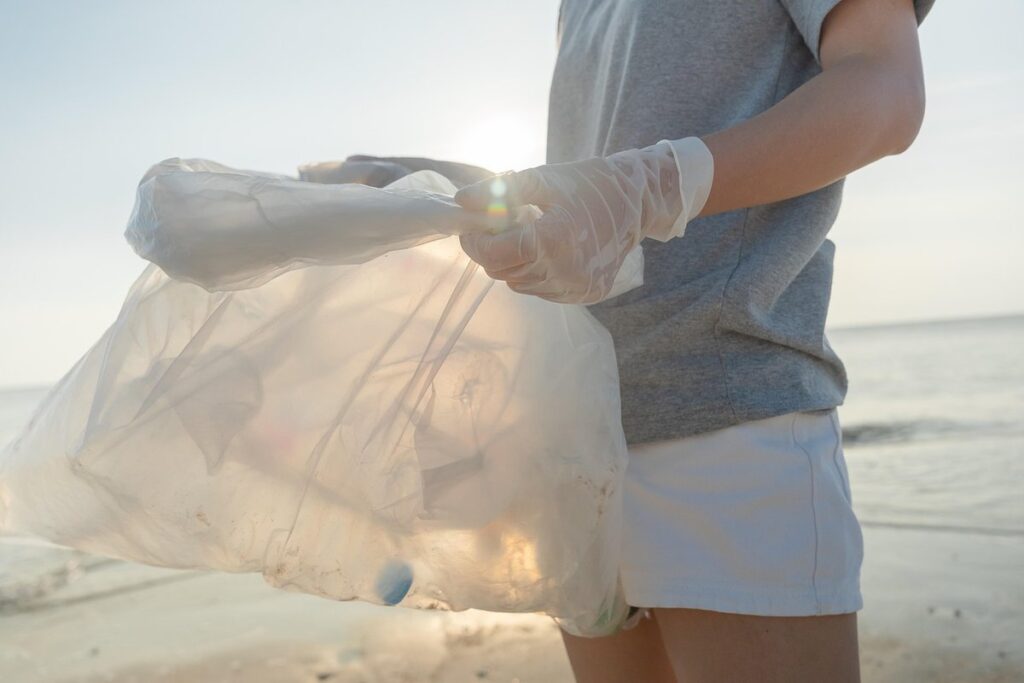
Start by rallying your friends and family to join the cause. Organize a beach clean-up event or a local park cleanup where people can gather to collect plastic bags and other waste. This hands-on approach not only raises awareness but also educates participants about the importance of reducing plastic bag use.
To take it to the next level, consider partnering with local businesses, schools, or community groups. Many organizations are already taking steps to reduce their plastic bag usage, and collaborating with them can help accelerate progress. For example, you could work together to launch a reusable shopping bag initiative, providing incentives for customers to switch from single-use bags.
When organizing local change, it’s essential to identify specific goals and key performance indicators (KPIs) to measure success. This will help ensure that your efforts are focused and directed towards tangible outcomes. By doing so, you’ll be able to track progress, make adjustments as needed, and ultimately create lasting change in your community.
Frequently Asked Questions
What If I Still Need to Use Plastic Bags for Certain Items?
Yes, it’s still okay to use plastic bags for items that require protection from moisture or have sharp edges, such as meat or frozen foods. However, consider using biodegradable bags made from plant-based materials like cornstarch or sugarcane instead of traditional plastic.
How Can I Encourage My Friends and Family to Make the Switch to Reusable Bags?
Lead by example and share your personal experience with reusable bags. You can also organize a group outing to purchase reusable bags together, making it a fun and social activity. Additionally, consider creating a friendly competition or challenge to see who can use the most reusable bags within a certain timeframe.
Can I Use Old Clothes as Reusable Bags?
While old clothes might be a creative solution, they may not provide enough structure or protection for your items. Consider repurposing them into cleaning rags or donating them instead. For reusable bags, look for materials that are durable and easy to clean, such as cotton or canvas.
What If I Forget My Reusable Bag at Home?
Yes, it’s common to forget a reusable bag sometimes. To avoid this, keep a spare set in your car or office so you’re always prepared. You can also consider purchasing bags with handles that are long enough to carry easily, making it less likely for you to leave them behind.
Can I Use Reusable Bags for Hot Foods Like Pizza?
While reusable bags can be used for most items, they may not be the best choice for hot foods like pizza. Consider using a food-grade insulated bag or a paper bag with heat-resistant lining instead to prevent damage to your reusable bag and ensure safe food handling practices.

