
Camping trips are a great way to get out into nature, but they can quickly turn disastrous if you’re not prepared. Packing the right gear is essential for a safe and enjoyable experience, whether you’re pitching a tent in the woods or spending a night under the stars. You know how easy it is to forget something important at home – that extra layer of clothing, the water purification tablets, or the first aid kit – but neglecting these basics can leave you vulnerable to cold, hunger, and even illness.
This comprehensive guide will walk you through must-have items for clothing, gear, food, and more. We’ll cover everything from the obvious essentials like a sleeping bag and tent, to often-overlooked items like insect repellent and emergency bivvy sacks. By the time you finish reading this article, you’ll be equipped with the knowledge to pack a well-stocked backpack and ensure a successful camping trip.
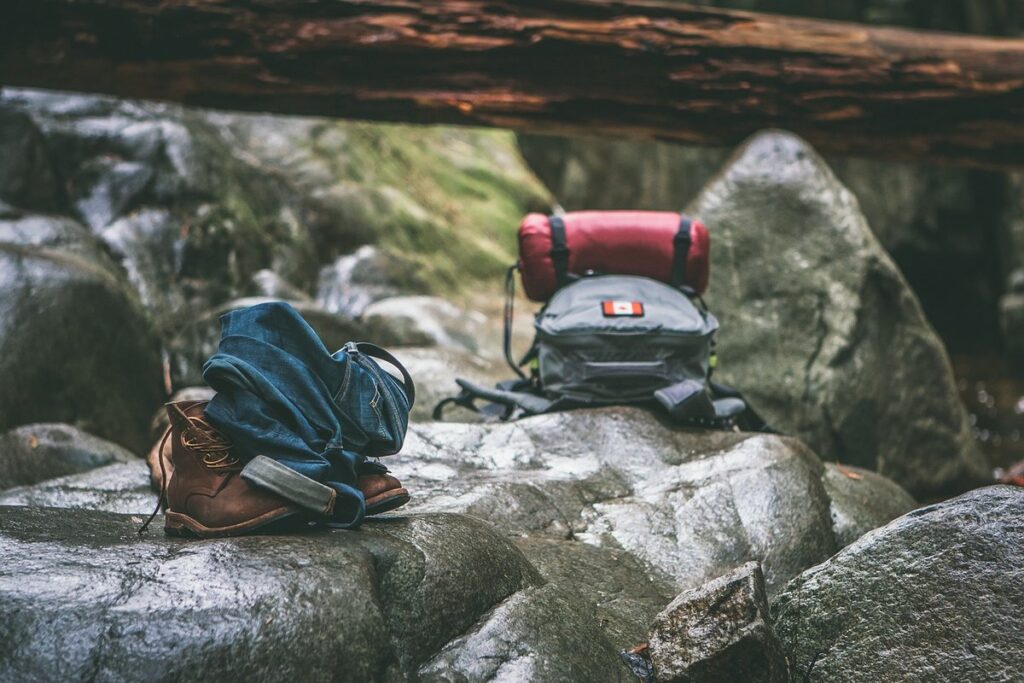
Packing Essentials
When it comes to packing for a camping trip, having the right gear can make all the difference. Here are the must-have essentials you shouldn’t leave behind.
Clothing and Footwear
When venturing into the great outdoors, a well-planned wardrobe can be the difference between a comfortable camping experience and a miserable one. For various weather conditions, layers are essential for maintaining body temperature. Base layers should be made of moisture-wicking materials to draw sweat away from the skin. These can be long-sleeved tops and leggings or tights.
Next, insulating mid-layers provide warmth without being too bulky. Fleece jackets or sweaters are ideal for this purpose. In cold and wet conditions, a waterproof jacket is a must-have to prevent hypothermia. Look for one with a breathable membrane to avoid overheating. Sturdy hiking boots or shoes should also be included in your packing list. They offer ankle support and protection from rough terrain.
When choosing footwear, consider the terrain you’ll be walking on and pack accordingly. For example, if you’re planning to hike through rocky areas, sturdier boots with good tread are necessary. On the other hand, for more casual camping trips or urban excursions, lighter shoes might suffice.
Sleeping Gear and Bedding
When it comes to sleeping gear and bedding, a comfortable night’s sleep is crucial for both physical and mental well-being. A good sleeping bag should be rated for temperatures slightly lower than the lowest expected temperature at your campsite. Consider the insulation type: down-filled bags are warm but heavy, while synthetic options are lighter but less efficient.
Don’t overlook the importance of a sleeping pad. Inflatable pads provide excellent insulation and support, but they can be noisy and prone to leaks. Foam pads are quieter and more durable, but heavier and bulkier. Choose a pad with a comfortable thickness (around 2-3 inches) and a suitable weight for your needs.
In addition to your sleeping bag and pad, pack a tent rain fly, ground cloth, and stakes to protect yourself from the elements. The rain fly should fit snugly over your tent, while the ground cloth provides a waterproof barrier between your tent and the earth. Make sure to bring extra stakes in case some break or get lost.
Personal Hygiene and First Aid
When venturing into the great outdoors, it’s easy to overlook essential items that ensure your health and safety while camping. Proper personal hygiene and first aid supplies are crucial for a safe and enjoyable trip.
Toiletries and Sanitation
When camping in wilderness environments, maintaining personal hygiene is crucial for both physical and mental well-being. Toothbrushes and toothpaste are essential items to pack, as they allow you to clean teeth effectively and prevent oral health issues. Biodegradable soap is also a must-have for washing hands and body, as it won’t harm the environment.
In addition to these basics, toilet paper and hand sanitizer are necessary for maintaining cleanliness in the great outdoors. When nature calls, be sure to use designated bathroom areas or dig catholes at least 200 feet away from water sources to minimize impact on the environment.
When washing hands, use biodegradable soap and enough water to clean the entire surface of your hands. In areas with limited water availability, consider using hand sanitizer as an alternative. To maintain cleanliness in campgrounds, designate a specific area for handwashing and make sure to dispose of toilet paper properly.
Some campsites may have access to showers or potable water, but it’s always best to assume you won’t have these luxuries. Pack accordingly and be prepared to rough it when it comes to personal hygiene.
First Aid Kit Essentials
A first aid kit is a crucial item to pack for any camping trip. It’s essential to have a basic kit that covers common injuries and ailments. Start with a first aid manual or guidebook, which should be included in the kit. Bandages are a must-have, including adhesive strips, gauze pads, and rolled gauze for wrapping injuries.
Antiseptic wipes are also necessary for cleaning wounds and preventing infection. Pain relievers like acetaminophen or ibuprofen can help with headaches and other discomforts. Blister care is another important consideration, especially if you’ll be hiking in rugged terrain or wearing new shoes. Include moleskin or blister pads to protect your feet.
Don’t forget any personal medications you may need, such as epinephrine auto-injectors for severe allergies or inhalers for asthma. It’s also a good idea to pack antihistamines for allergic reactions and hydrocortisone cream for skin irritations. Remember to check the expiration dates of your supplies and restock as needed.
A basic first aid kit should include:
• Bandages (assorted sizes)
• Antiseptic wipes
• Pain relievers (acetaminophen or ibuprofen)
• Blister care (moleskin or blister pads)
• Personal medications (as needed)
Food and Cooking Gear
When it comes to cooking over a campfire, having the right gear can make all the difference between a delicious meal and a disaster. Here are some essentials you shouldn’t forget.
Camping Cookware and Utensils
When it comes to camping cookware and utensils, durability is key. You’ll want to choose items that can withstand rough handling and extreme temperatures. Stainless steel pots and pans are excellent options, as they’re resistant to scratches and corrosion. Non-stick coatings can also be a good choice, but be aware that they may chip or flake off over time.
Reusable straws are another essential item to consider. Not only do they reduce waste, but they’re often more comfortable to drink from than traditional paper straws. Look for ones made from durable materials like silicone or stainless steel.
In terms of utensils, compact kitchen knives are a must-have. Opt for ones with sturdy blades and ergonomic handles that won’t slip out of your hand when wet. It’s also a good idea to pack a set of lightweight, collapsible tongs or spatulas for easy food handling.
When selecting plates, bowls, and cups, choose items made from BPA-free materials like stainless steel or silicone. These will not only be easier to clean but also safer for your family. Consider packing a few reusable bags or containers to store leftovers and keep your campsite tidy.
Food Storage and Preparation
When storing food while camping, it’s essential to take steps to avoid attracting wildlife. One of the most effective methods is using airtight containers. These containers are designed to keep food fresh and prevent scents from escaping, which can attract animals. When selecting airtight containers for your trip, look for ones with secure lids that can be tightly closed.
Bear-resistant bags are another option for storing food. These bags are made of heavy-duty material and have a specialized design that makes them difficult for bears to access the contents. If you’re camping in bear country, consider bringing a few bear-resistant bags to store your food, trash, and other scented items.
Proper food handling practices are also crucial when camping. This includes storing food at least 10 feet away from your campsite and keeping it on a raised platform or tree branch. Additionally, make sure to wash your hands thoroughly before handling food, and keep all food and trash in sealed containers to prevent attracting wildlife. By following these guidelines, you can help minimize the risk of attracting unwanted visitors to your campsite.
Navigation and Safety
When venturing into the wilderness, navigation and safety become top priorities, and having the right gear can make all the difference in staying on track. Knowing how to use a map and compass is essential for any camping trip.
Maps and Compass
When venturing into the wilderness, it’s crucial to bring a map, compass, and GPS device. These tools will help you navigate even when phone signals are weak or non-existent. A map provides context and visual cues, while a compass offers directionality. However, relying solely on GPS can be problematic – batteries drain quickly, and devices can become lost or damaged.
Triangulation is a basic navigation technique that involves using multiple reference points to determine your location. By identifying two landmarks at least 90 degrees apart, you can draw an imaginary line between them and locate yourself where the lines intersect. Using natural landmarks like mountains, rivers, or distinctive rock formations can also aid orientation.
For example, if you’re in a valley surrounded by three notable peaks, use their positions to estimate your direction of travel. When traveling, regularly update your map with notes on your route, terrain features, and notable events – this will help you recognize patterns and make informed decisions about navigation.
Emergency Shelter and Signaling Devices
When setting up an emergency shelter, you need to prioritize waterproofing, wind resistance, and warmth retention. A simple tarp or plastic bag can provide basic protection from the elements, but a more durable option like a lightweight emergency bivvy sack is a better investment. Look for one made with breathable materials that will help prevent condensation buildup.
In addition to your shelter, consider carrying signaling devices such as flares, whistles, and mirrors. Flares are effective for long-distance signaling, while a whistle can be used to signal for help in a more controlled environment. A mirror or shiny surface can also be used to reflect sunlight towards any potential rescuers during the day.
In cold weather, it’s essential to choose a shelter that will retain warmth. Look for one with a waterproof and breathable design, and consider bringing a warm hat, gloves, and emergency blanket to stay warm while you wait for help to arrive. Don’t forget to pack your signaling devices in an easily accessible location, such as on your person or in a brightly colored bag.
Miscellaneous Camping Gear
When it comes to camping, there are many little things that can make a big difference in your experience. We’ll cover some of these essentials in our look at miscellaneous camping gear.
Lighting and Power Sources
A reliable lighting source is crucial for a safe and enjoyable camping experience. Headlamps are often preferred over flashlights as they allow you to keep your hands free while navigating through dark terrain. Look for headlamps with adjustable brightness settings and red light modes, which preserve night vision.
In addition to primary light sources, it’s essential to pack extra batteries or a battery pack specifically designed for camping use. Many outdoor enthusiasts swear by portable power banks that can charge electronic devices such as phones and cameras on the go. These compact chargers are often rechargeable via USB-C and have enough capacity to fully charge most smartphones.
When selecting a power bank, consider its wattage rating (measured in Wh) and the type of batteries used (e.g., lithium-ion or lead-acid). Aim for a unit with multiple USB ports to charge devices simultaneously. Some popular options include Anker’s PowerCore series and Goal Zero’s Nomad line. Keep in mind that power banks are not suitable for high-power devices like laptops, but can be used to top off smaller electronics during extended camping trips.
Trash Management and Campsite Cleanliness
Human waste and trash can have a profound impact on the environment when not disposed of properly. When camping, it’s essential to consider the delicate balance between enjoying nature and preserving its integrity. The key to minimizing environmental footprint is proper waste management.
When it comes to human waste, it’s crucial to follow the “pack it in, pack it out” principle. This means that all human waste should be packed out with you when you leave the campsite, rather than burying or leaving it behind. Biodegradable toilet bags can make this process easier and more sanitary.
For trash disposal, look for designated receptacles at campsites. Many parks also have recycling facilities. Remember to pack out any recyclable materials and dispose of them properly when you return home. Minimizing packaging waste by choosing items with minimal or biodegradable packaging is another way to reduce your environmental footprint while camping.
Advanced Camping Gear and Techniques
For more experienced campers, we’ll dive into advanced gear options that can take your backcountry adventures to the next level, such as portable stoves and water purification systems.
Water Purification and Filtration
A reliable water purification system or filter is essential for staying hydrated and safe while camping. When venturing into areas with questionable water quality, you can’t rely on bottled water alone. Options like UV light purifiers, portable filters, and chemical treatment tablets offer varying levels of protection.
UV light purifiers use ultraviolet light to kill bacteria and viruses in the water. These devices are often compact and lightweight, making them ideal for backpacking trips. However, their effectiveness can be reduced by factors such as dirty or contaminated lenses.
Portable filters, on the other hand, physically remove impurities from the water using a membrane with tiny pores. Examples include LifeStraw and Sawyer Mini. When choosing a portable filter, consider the flow rate and maintenance requirements, as well as any additional features like built-in water bottles or measurement markers.
Chemical treatment tablets are another common option for water purification. Products like MSR AquaSafe and Halogen tablets use disinfectants to kill bacteria and viruses in the water. They’re often affordable and widely available but may require careful handling to avoid accidental ingestion.
Bear-Resistant Containers and Food Hangs
When venturing into areas with bears or other predators, it’s essential to take extra precautions to protect both yourself and the wildlife. Bear-resistant containers and food hangs are a crucial part of this process.
A bear-resistant container is designed to keep wildlife out while allowing you to store food and other scented items securely. These containers typically have a locking mechanism that must be opened with a specific key, making it virtually impossible for bears or other animals to access the contents. Look for containers that meet U.S. Forest Service standards (UST) or International Organization for Standardization (ISO) guidelines.
Food hangs involve suspending food and scented items from a tree at least 10 feet off the ground and 4 feet out from the trunk. This makes it difficult for bears to access, as they are unable to climb trees with their front paws. You can use bear bags or make your own by attaching the food-filled bag to a rope or cordage. When hanging food, ensure that the area is free from overhead branches and other obstacles.
It’s also essential to keep in mind that these measures should not be relied upon as the sole means of protection. Always follow park regulations and guidelines for wildlife encounters, and take additional precautions such as making noise while hiking and staying alert for signs of bears or other predators.
Final Preparations and Tips
Now that you’ve packed all the essentials, let’s review some final must-haves to ensure a safe and enjoyable camping trip for everyone in your group. Don’t miss these crucial items!
Double-Checking Your List
Before you head out on your camping trip, it’s essential to review your packing list carefully. Double-checking your list can make all the difference between a comfortable and enjoyable camping experience and one marred by forgotten essentials.
Start by going through each category of items: clothing, sleeping gear, personal hygiene, food, cooking gear, navigation, safety equipment, and miscellaneous supplies. As you review each item, ask yourself if it’s truly necessary for your specific trip. Don’t be afraid to consider the weather forecast, terrain, and potential hazards when deciding what to pack.
For example, if you’re camping in an area prone to bears, make sure you have bear-resistant containers and know how to use them properly. Similarly, if you’ll be hiking through wet conditions, pack a change of clothes or extra socks to keep your feet dry.
When reviewing your list, pay attention to specific items that are easy to overlook but crucial for safety: matches, flashlights, first aid supplies, and emergency shelter. It’s also essential to double-check the expiration dates on food and medications, as well as the condition of your gear.
Use a checklist or spreadsheet to help you stay organized and ensure nothing falls through the cracks. Consider creating separate lists for different activities, such as hiking or fishing, to keep track of specific gear needs.
Remember, it’s always better to err on the side of caution when packing for camping. Take a few extra minutes to review your list thoroughly, and you’ll be rewarded with a more enjoyable and stress-free experience in the great outdoors.
Frequently Asked Questions
Can I use my camping gear for backpacking trips?
Yes, the guide’s recommendations on lightweight and compact gear can also be applied to backpacking trips, where every ounce counts. However, consider the specific demands of long-distance hiking and adjust your packing list accordingly.
What if it starts raining during setup? How do I quickly set up my tent in wet conditions?
To minimize delays, focus on setting up the rain fly and stakes first, then proceed with the rest of the tent assembly. Use a tarp or emergency blanket to keep gear dry while you work. Practice assembling your tent in different weather conditions to build confidence.
How often should I replace my water purification tablets or filter?
The frequency of replacement depends on usage and manufacturer guidelines. Typically, you’ll need to replace filters every 12-18 months or after treating a certain number of liters. Always follow the manufacturer’s recommendations for maintenance and upkeep.
What if I’m camping in an area with no cell service? How do I plan for emergency communication?
Consider investing in a satellite phone or personal locator beacon (PLB) for remote areas. Additionally, keep a whistle, mirror, and flares as signaling devices, and always inform someone about your itinerary and expected return time.
Can I use my regular kitchen knives and utensils for camping, or do I need specialized gear?
While you can bring some regular kitchen items, it’s recommended to have dedicated camping gear for durability and ease of cleaning. Consider investing in lightweight, compact options specifically designed for outdoor use. This will save space and weight in your backpack.

