
Palm oil is one of the most widely used ingredients in personal care products, cooking oils, and food manufacturing. However, its production has been linked to widespread deforestation and habitat destruction, particularly in Southeast Asia. But there’s a more responsible alternative: sustainable palm oil. Certified by organizations like the Roundtable on Sustainable Palm Oil (RSPO), sustainable palm oil is grown using practices that minimize environmental harm and respect local communities. By choosing sustainable palm oil, businesses can reduce their impact on forests and biodiversity, while also supporting equitable trade practices that benefit small-scale farmers. In this article, we’ll explore what makes sustainable palm oil different from conventional palm oil, its impact on the environment and communities, and how you can make responsible choices as a consumer or business owner by specifying sustainable palm oil in your purchasing decisions.
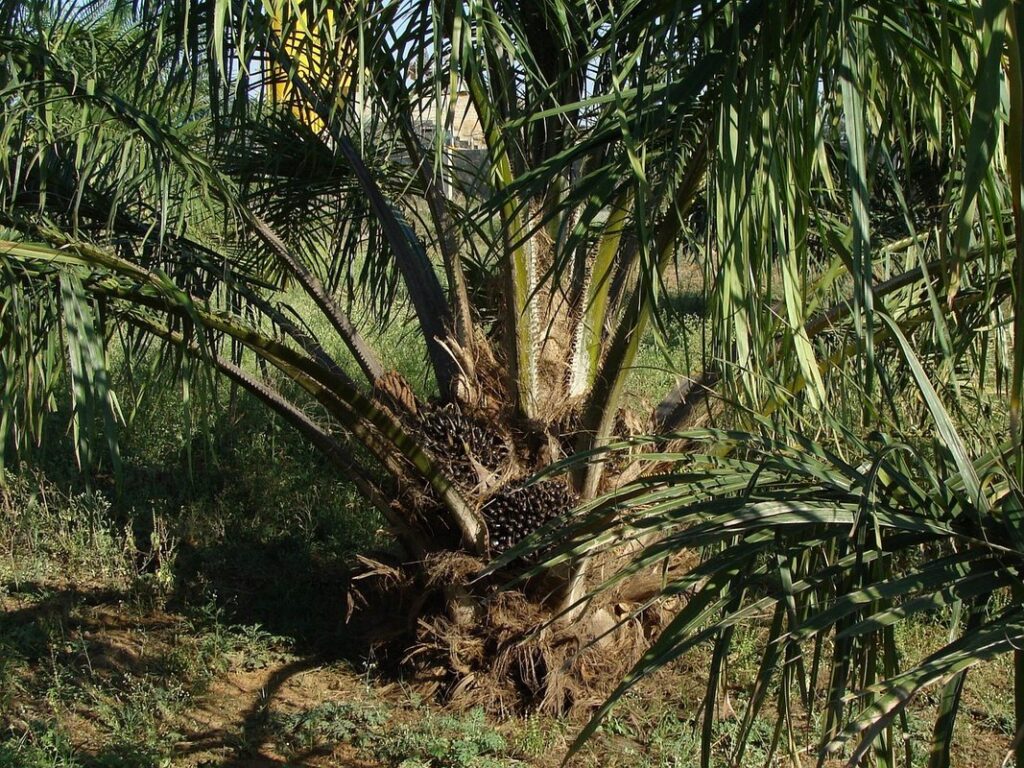
The Palm Oil Industry: An Introduction
Sustainable palm oil is a critical concept for understanding responsible production and consumption, but what exactly does it mean? Let’s start by exploring the basics of the palm oil industry.
The Rise of Palm Oil
Palm oil has become one of the most widely used oils globally, with a presence in over 40% of packaged products. Its widespread adoption can be attributed to its high yield and versatility in food processing, cosmetics, and biofuels. You’ll find palm oil in everything from baked goods and snack foods to soaps, shampoos, and lotions.
However, this rapid expansion has raised concerns about the environmental impact of large-scale palm oil production. The clearing of forests for plantations has led to habitat loss and fragmentation, threatening biodiversity and ecosystems. Moreover, the burning of peatlands during land preparation has released massive amounts of carbon dioxide into the atmosphere, contributing to climate change.
The environmental concerns surrounding palm oil have sparked a movement towards more sustainable practices. In response, many companies are seeking out certified sustainable palm oil (CSPO) or pledging to source their palm oil from environmentally responsible suppliers. As consumers become increasingly aware of the issues associated with conventional palm oil, there is growing demand for products that use responsibly sourced palm oil.
Palm Oil’s Economic Significance
Palm oil’s economic significance cannot be overstated. As a global commodity, it is one of the most widely traded oils in the world, with a vast array of applications in food, cosmetics, and biofuels. In 2020, palm oil accounted for over 35% of the world’s vegetable oil production, making it an essential component of many countries’ economies.
The reliance on palm oil production is particularly pronounced in Southeast Asia, where Indonesia and Malaysia are among the top producers. These countries have seen significant economic growth as a result of their palm oil industries, with exports generating substantial revenue for governments and local communities. In fact, palm oil has become such an integral part of these economies that it’s estimated that over 8 million people in Indonesia and Malaysia depend on the industry for their livelihood.
This reliance on palm oil production highlights the importance of sustainable practices within the industry. As global demand for palm oil continues to rise, it is crucial that producers adopt environmentally friendly and socially responsible methods to ensure the long-term viability of the sector.
The Problem with Conventional Palm Oil
Conventional palm oil has a dark side, and it starts with deforestation and habitat destruction that’s driving iconic species to extinction. We’ll examine what goes wrong when palm oil isn’t produced sustainably.
Deforestation and Land Degradation
Conventional palm oil production is a leading cause of deforestation and land degradation. Every year, millions of hectares of forest are cleared to make way for palm oil plantations. This not only leads to habitat loss but also results in soil erosion and degradation. The impact on biodiversity is particularly concerning, as many species rely on these forests for survival.
The clearing of forests also disrupts the water cycle, leading to droughts and floods in surrounding areas. In Indonesia, for example, the expansion of palm oil plantations has been linked to widespread deforestation, with over 20% of the country’s forest cover lost since the 1990s. Similarly, in Malaysia, the clearing of forests has led to soil degradation, reducing fertility and affecting crop yields.
To put a stop to this, many organizations are advocating for sustainable palm oil production methods that prioritize reforestation and conservation efforts. This can include implementing agroforestry practices, which involve growing trees alongside crops to maintain ecosystem health. By choosing certified sustainable palm oil, consumers can help support these efforts and contribute to a more environmentally friendly industry.
Social Impacts: Communities and Workers
Conventional palm oil production has devastating social impacts on local communities and workers. One of the most significant issues is the displacement of indigenous communities from their ancestral lands. As forests are cleared for palm plantations, families are forced to leave behind their homes, farmlands, and livelihoods. In many cases, they are not provided with adequate compensation or alternative housing.
Labor rights abuses are also rampant in the conventional palm oil industry. Workers often face long hours, low wages, and hazardous working conditions. Many are migrant workers who are exploited by contractors and plantation owners. Poverty is widespread among rural communities, where palm oil production has become the primary source of income.
The Roundtable on Sustainable Palm Oil (RSPO) has established principles to protect labor rights and promote community development. However, these principles are often ignored in conventional palm oil production. To support sustainable palm oil, consumers should look for certification schemes that prioritize social responsibility, such as the RSPO’s certification process.
What is Sustainable Palm Oil?
Sustainable palm oil refers to a type of palm oil that meets certain environmental and social standards. In this section, we’ll break down what makes it sustainable and how it’s different from conventional palm oil.
Certification Schemes: RSPO and Others
The RSPO certification scheme is one of the most widely recognized standards for sustainable palm oil production. Launched in 2004 by a coalition of industry stakeholders, NGOs, and conservation groups, the RSPO sets out a framework for responsible palm oil cultivation and trade. To achieve RSPO certification, producers must meet a set of rigorous criteria, including the protection of high-conservation-value forests, respect for human rights, and adherence to environmental regulations.
RSPO-certified producers are required to implement Best Management Practices (BMPs) that minimize deforestation, restore degraded lands, and promote biodiversity conservation. They also must demonstrate responsible labor practices, ensuring fair wages and safe working conditions for workers.
Other certification schemes, such as the Indonesian Sustainable Palm Oil (ISPO) and the Malaysian Sustainable Palm Oil (MSPO), have similar criteria but with some variations. The ISPO, for example, emphasizes local community engagement and development, while the MSPO focuses on greenhouse gas emissions reduction.
Key Principles of Sustainable Palm Oil
At its core, sustainable palm oil production is guided by three fundamental principles: environmental conservation, social responsibility, and transparency. Environmental conservation involves protecting high carbon stock forests, preserving biodiversity, and preventing soil erosion through responsible land use planning and management practices. This includes maintaining forest cover, restoring degraded lands, and promoting agroforestry systems that integrate trees with crops.
Social responsibility entails ensuring fair labor conditions for workers on palm oil plantations, including safe working environments, decent wages, and freedom from exploitation. Sustainable palm oil production also prioritizes the rights of local communities, respecting their tenure over their lands and involving them in decision-making processes. Transparency is essential, as it allows for accountability and tracking of progress towards sustainability goals.
A transparent supply chain ensures that all stakeholders can monitor the sourcing of palm oil, from plantation to consumer product. This includes maintaining records of land use changes, labor practices, and environmental impact assessments. By adhering to these principles, sustainable palm oil production promotes a healthier environment, fairer social conditions, and greater transparency throughout the industry.
Implementing Sustainable Practices in Production
Now that we’ve covered the basics of sustainable palm oil, let’s explore how to implement these practices effectively on the production level. This includes assessing and mitigating environmental impact.
Best Management Practices (BMPs)
Sustainable palm oil production involves adopting Best Management Practices (BMPs) that prioritize environmental conservation and social responsibility. One key BMP is reducing deforestation by identifying high-risk areas and implementing measures to prevent land clearing. This includes creating buffers around sensitive ecosystems, such as peatlands or wildlife habitats.
Reforestation efforts are another essential BMP. Planting trees in degraded or cleared areas not only helps restore biodiversity but also sequesters carbon dioxide from the atmosphere. For example, companies like Golden Agri-Resources have implemented large-scale reforestation programs on their plantations.
Improved soil management is crucial to maintaining soil fertility and preventing erosion. This involves adopting conservation agriculture practices, such as minimizing tillage and using cover crops. Companies can also implement agroforestry systems that integrate trees into agricultural landscapes, promoting ecosystem services and reducing the need for synthetic fertilizers.
Some key steps in implementing BMPs include:
- Conducting regular environmental impact assessments
- Developing comprehensive land-use plans
- Establishing monitoring programs to track progress
- Providing training to farmers on sustainable practices
- Engaging with local communities to ensure their needs are met
Community Engagement and Empowerment
Sustainable palm oil production not only minimizes environmental harm but also prioritizes social responsibility. This involves engaging with local communities, respecting their rights, and empowering them to participate in decision-making processes. A key principle is free, prior, and informed consent (FPIC) for any project or activity that may affect their lands or livelihoods.
The Roundtable on Sustainable Palm Oil (RSPO) certification scheme emphasizes community engagement as a critical component of sustainable palm oil production. This includes respecting local customs, traditions, and rights to resources. For instance, some palm oil producers work with local communities to establish conservation areas or sustainable forest management plans that benefit both parties.
To empower local communities, companies can provide training on sustainable agriculture practices, business skills, and environmental stewardship. They can also collaborate with community leaders to identify development priorities and implement projects that address social and economic needs. By doing so, producers can build trust and foster a sense of shared ownership among local stakeholders.
The Role of Consumers and Businesses
Now that we’ve discussed the complexities of sustainable palm oil production, let’s focus on how consumers and businesses play a crucial role in its adoption. Their actions have a significant impact on the industry’s sustainability.
Making Sustainable Choices
When shopping for products containing palm oil, look for certifications from reputable organizations like the Roundtable on Sustainable Palm Oil (RSPO). These certifications ensure that the oil meets certain standards for sustainability. Check product labels or websites for the RSPO logo or other certifications.
Some companies have made commitments to use 100% sustainable palm oil in their products. Supporting these brands can help drive demand for responsible production. Consider shopping from companies that prioritize transparency and reporting on their sustainability efforts.
Before choosing a brand, research its sustainability policies and practices. Check if they have a robust system in place for monitoring deforestation, habitat restoration, and community engagement. Look for companies that engage with local communities and provide benefits to small-scale farmers.
When making sustainable choices, it’s essential to consider the entire supply chain. Some products may carry certifications but still contain palm oil from non-certified sources. Be aware of this potential gap in certification.
Business Opportunities and Challenges
Businesses adopting sustainable palm oil practices can reap several benefits. One key advantage is cost savings, as sustainable production methods often reduce waste and minimize environmental degradation, leading to lower operating costs. Furthermore, consumers are increasingly looking for eco-friendly products, which can boost a company’s brand reputation and customer loyalty. Companies that commit to sustainable palm oil can also improve their regulatory compliance, avoiding potential fines or penalties associated with non-compliance.
In addition to these benefits, businesses may also encounter challenges when transitioning to sustainable practices. For instance, some companies may struggle with the initial investment required for certification and training programs. However, many organizations find that these costs are recouped through long-term savings and improved brand reputation. To navigate this transition effectively, businesses should prioritize stakeholder engagement, including communication with suppliers, employees, and customers about their commitment to sustainable palm oil.
Companies can also explore opportunities to collaborate with other stakeholders in the supply chain, such as NGOs or industry peers, to share best practices and resources. By doing so, they can accelerate their progress towards sustainability while minimizing potential risks.
Measuring Progress and Accountability
Now that you understand what sustainable palm oil is, let’s explore how progress towards responsible production and consumption is measured. We’ll examine key indicators of success and accountability in the industry.
Monitoring, Reporting, and Verification (MRV)
Sustainable palm oil producers use Monitoring, Reporting, and Verification (MRV) systems to track progress toward sustainability goals. These systems typically involve regular assessments of greenhouse gas emissions, biodiversity conservation, and social impact. For instance, the Roundtable on Sustainable Palm Oil (RSPO) requires its certified members to submit annual reports detailing their environmental and social performance.
Greenhouse gas emissions are often tracked through life cycle assessment (LCA), which considers the entire production process from seed to consumer product. This helps producers identify areas for improvement and make data-driven decisions. In some cases, MRV systems also involve on-site audits by independent third-party assessors who verify reported metrics against actual performance.
MRV systems typically include three key components: monitoring, reporting, and verification. Monitoring involves collecting and tracking relevant data, such as environmental impact or social metrics. Reporting requires producers to submit regular reports detailing their progress toward sustainability goals. Verification is the process of ensuring that reported metrics are accurate through third-party audits or assessments. This helps build trust in the sustainability credentials of certified products.
Industry Initiatives and Collaborations
Industry-led initiatives and collaborations play a crucial role in promoting sustainable palm oil production and consumption practices. The Roundtable on Sustainable Palm Oil (RSPO) is one such initiative, bringing together stakeholders from various sectors to develop and implement sustainable palm oil standards. Another example is the Palm Oil Sustainability Initiative (POSI), which focuses on improving smallholder productivity and reducing deforestation.
Several notable collaborations have emerged in recent years. For instance, the Consumer Goods Forum’s (CGF) Sustainable Palm Oil (SPoC) initiative aims to ensure that all CGF member companies source 100% sustainable palm oil by 2025. The World Wildlife Fund’s (WWF) Palm Oil Scorecard evaluates companies’ progress towards sustainability goals.
These initiatives and collaborations demonstrate the industry’s commitment to adopting more responsible practices. However, they also highlight challenges in implementing and enforcing these standards across supply chains. Companies can support these efforts by joining industry-led initiatives, engaging with NGOs and certification schemes, and promoting transparency throughout their operations. By working together, stakeholders can drive meaningful change towards a more sustainable palm oil industry.
Frequently Asked Questions
Can I still use palm oil in my products if I’m committed to sustainable practices?
Yes, many companies source sustainable palm oil through certification schemes like RSPO. Look for certified products or support brands that prioritize sustainability. This way, you can continue using palm oil while minimizing its negative impact.
How do I know which companies are genuinely committed to sustainable palm oil?
Research the company’s policies and certifications. Check if they have a clear commitment to sustainable palm oil production, transparency in their supply chains, and regular progress reports on their sustainability goals. Reputable certifications like RSPO can also provide assurance.
What if I’m working with suppliers who don’t have the resources or expertise for sustainable practices? How do I support them?
Start by offering training and resources to help your suppliers adopt more sustainable methods. This might include workshops, audits, or connecting them with other companies that have successfully implemented sustainable palm oil production. You can also consider offering incentives for adopting sustainable practices.
Can sustainable palm oil be certified organic as well? Are there any trade-offs?
Yes, some certifications like RSPO and Organic Palm Oil Certification allow for organic certification alongside their sustainability standards. However, the cost of obtaining these dual certifications might be higher than standard sustainability certifications alone. Weigh the costs against your brand’s values and target market.
How do I measure progress toward my own sustainable palm oil goals? Are there any free or low-cost tools available?
Use tracking sheets or spreadsheets to monitor progress against specific metrics such as deforestation reduction, greenhouse gas emissions, and community engagement. Many organizations offer free resources or templates for implementing sustainability initiatives, including MRV systems for monitoring and reporting progress.

