
Planning your meals around seasonal produce can be overwhelming, especially when you’re not sure which fruits are at their best each month. The truth is, many of us default to familiar favorites like strawberries in spring and blueberries in summer, but there’s a whole world of flavors waiting to be discovered beyond these staples. From the tangy juice of winter citrus to the luscious sweetness of late fall apples, understanding what fruit is in season can elevate your cooking and baking. This guide will walk you through which fruits shine at any given time, including their flavor profiles, culinary uses, and recipe ideas to help you make the most of seasonal produce. By the end of this article, you’ll be able to identify the freshest options each month and incorporate them into delicious meals, snacks, and treats.
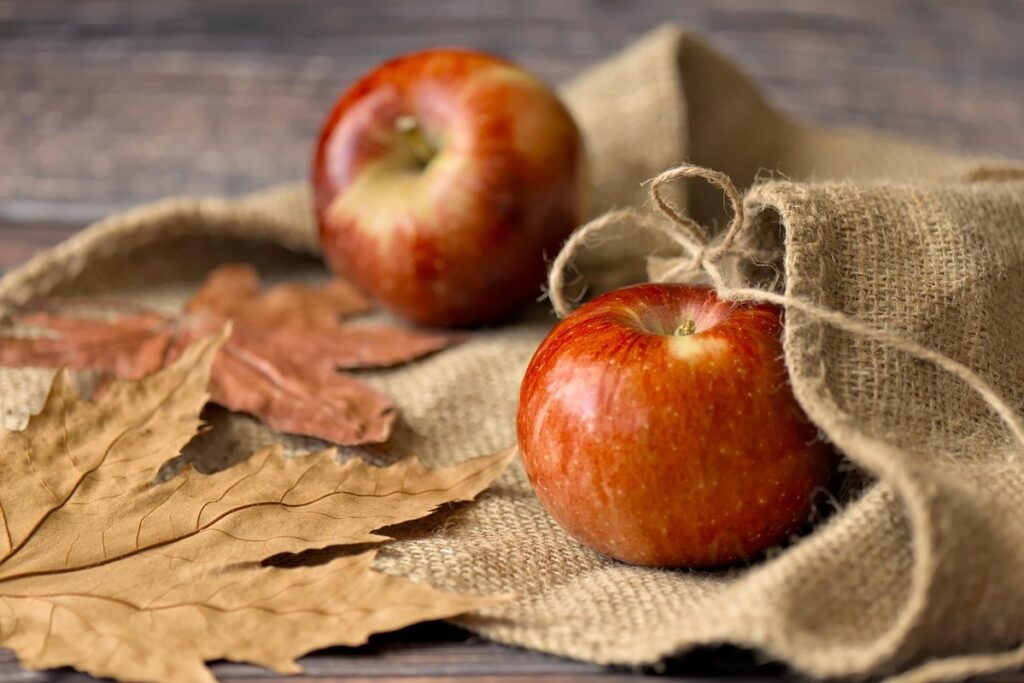
January: Winter Fruits
As we welcome the new year, let’s shine a spotlight on some of the season’s sweetest winter fruits that are at their peak in January, perfect for snacking and baking. Oranges, grapefruits, and pomegranates take center stage during this chilly month.
Citrus Delights
Winter is the perfect time to indulge in a variety of citrus fruits, each with its unique flavor profile and uses. Oranges are one of the most widely available citrus fruits during winter, with popular varieties like Navels and Blood oranges. Navels are seedless and sweet, while Blood oranges have a deep red or reddish-purple flesh that adds a subtle earthy note to dishes.
Grapefruits are another winter staple, known for their tart flavor and high acidity. They’re often eaten fresh, squeezed for juice, or used in salads and desserts. Lemons, with their bright citrus aroma, are also widely available during winter. They’re essential for marinades, dressings, and sauces, adding a burst of citrus flavor to a variety of dishes.
When using citrus fruits, consider the flavor profile you’re aiming for. If you want something sweet and mellow, opt for an orange or tangerine. For a tangy kick, choose grapefruit. Lemons are best used in smaller amounts due to their intense flavor, but they add depth and brightness to many recipes. By incorporating these winter citrus fruits into your cooking and baking, you can elevate flavors and create delicious, seasonal dishes that showcase the best of winter’s offerings.
Apples and Pears
During January, supermarkets typically carry a variety of apples and pears that are in season. For apples, look for popular varieties like Braeburn, Fuji, and Gala, which are known for their sweet-tart flavor and crisp texture. These apples are not only delicious but also packed with nutrients like fiber, vitamin C, and antioxidants.
In terms of pears, January is a great time to try varieties like Bartlett, Anjou, and Bosc, which have a buttery, smooth texture and a sweet flavor. Pears are also high in fiber and contain essential vitamins and minerals like potassium and copper.
To make the most of these winter fruits, consider adding them to salads or using them as a topping for oatmeal or yogurt. Try pairing sliced apples with a sprinkle of cinnamon and a dollop of peanut butter for a tasty snack, or use pears in a homemade chicken salad with mixed greens and a tangy dressing. Both apples and pears also make great additions to baked goods like pies, crisps, and muffins.
Exotic Options
Persimmons and quince are often overlooked winter fruits, but they bring unique flavors and textures to the table. Persimmons, for instance, have a sweet and tangy taste, similar to a combination of dates and apricots. They’re often eaten raw, sliced up in salads or as a snack on their own. However, cooking persimmons can also reveal their rich flavor potential – try baking them into muffins or crisps.
Quince is another lesser-known winter fruit that deserves attention. Its flesh is crisp and firm to the bite, with a floral and slightly sweet aroma. Quince paste, made by cooking down quince fruit with sugar, is a staple in many Middle Eastern and Mediterranean cuisines. It’s often served as a spread on crackers or used as a topping for yogurt or cheese.
To incorporate these fruits into your winter meals, look for them at local farmers’ markets or specialty grocery stores. Persimmons are typically available from October to January, while quince is available from September to February. When cooking with either fruit, be aware that they can be quite tart – balance their flavor by pairing them with sweet ingredients like honey or maple syrup.
February: Early Spring Fruits
As winter slowly fades away, February brings a sweet surprise: early spring fruits start to ripen and become available. Let’s look at some of the delicious options you can enjoy this month!
Strawberries and Raspberries
Strawberries and raspberries are two of the first spring fruits to emerge from their winter dormancy. These delicate berries burst with flavor and offer a sweet respite from the earlier winter months’ heavier, more robust options.
In terms of flavor profiles, strawberries tend to be sweeter and milder, while raspberries have a tartness that’s balanced by their intense sweetness. When it comes to nutritional benefits, both berries are high in vitamin C, with strawberries also boasting a good amount of fiber and potassium. Raspberries, on the other hand, are rich in antioxidants and manganese.
When cooking or baking with these spring fruits, consider recipes that showcase their unique flavor profiles. Try pairing fresh strawberries with balsamic glaze for a simple but impressive dessert topping, or using raspberries as a sweet addition to homemade yogurt parfaits. For a sweet treat, try making a strawberry-raspberry crumble, featuring the two berries in equal measure and topped with an oat and brown sugar crust.
When choosing between these early spring fruits, look for bright coloration and firm texture – avoid any that are soft or wilted.
Grape Varieties
Grape Varieties are often categorized into two main groups: table grapes and wine grapes. Table grapes are larger and more plump, with thicker skins that make them sweet and juicy. They’re typically grown for eating fresh or using in fruit salads. Wine grapes, on the other hand, are smaller and thinner-skinned, with a more acidic taste.
When shopping for table grapes, look for varieties like Thompson Seedless, Flame Seedless, or Muscat. These grapes have a sweeter flavor profile and are often seedless. For wine grapes, common varieties include Chardonnay, Cabernet Sauvignon, and Merlot. If you’re planning to grow your own grapes, keep in mind that wine grapes require more precise growing conditions and pruning techniques.
It’s worth noting that some grape varieties can be used for both eating fresh and making wine. For example, the Muscat grape is often eaten fresh but also used in dessert wines. When choosing grapes for a specific use, consider factors like texture and flavor profile. If you’re new to growing or buying grapes, start with table varieties for their ease of growth and consumption.
Avocado Season
Avocados typically reach their peak season in February, and for good reason. Not only are they rich in healthy fats, fiber, and various essential vitamins and minerals, but they’re also incredibly versatile. From guacamole to toast toppings, salads to smoothies, the uses for avocados are endless.
To get the most out of your February avocado haul, consider trying some new recipes that showcase their creamy texture and nutty flavor. Grilled avocado with lime and cilantro makes a tasty side dish, while avocado salsa adds a fresh twist to tacos or grilled meats. If you’re looking for a quick breakfast option, mash ripe avocados and spread on whole grain toast – add a fried egg for extra protein.
Ripening avocados at home can be a bit tricky, but there’s an easy fix. Simply place the fruit in a paper bag with an apple or banana to speed up the ripening process. The ethylene gas produced by these fruits will help break down the avocado’s cellular structure, turning it from hard and green to soft and creamy – usually within 3-5 days.
March: Spring Fruits
As spring awakens, March brings a vibrant array of fresh fruits that are at their peak ripeness and flavor. Look for strawberries, lemons, and rhubarb to add natural sweetness and zest to your recipes.
Berries Galore
Spring is a time of abundance for berry lovers. March marks the beginning of berry season, with several varieties available during these early weeks. Blueberries are among the first to ripen, bursting with sweet-tart flavor and a hint of earthy undertones. These small fruits are perfect for snacking on their own or adding to oatmeal, yogurt, or salads.
Blackberries follow closely behind blueberries, with their slightly sweeter and more robust flavor profile. Use them in jams, preserves, or baked goods like muffins and crisps. Currants, both black and red, also make an appearance during March. These tiny fruits are a great addition to smoothies, sauces, and desserts.
When selecting berries, look for those with plump, firm texture and vibrant colors. Avoid shriveled or moldy fruit, as this can indicate over-ripeness or spoilage. To make the most of these seasonal berries, consider freezing them in airtight containers or freezer bags to enjoy throughout the year. This way, you’ll be able to incorporate their unique flavors into your cooking and baking long after March has passed.
Stone Fruit Introduction
As March arrives, many regions begin to see a surge in stone fruits, including peaches and nectarines. These smooth-skinned fruits are typically harvested in late spring but often become more widely available in early March, depending on the specific variety and local climate. You can identify stone fruits by their hard pit or stone in the center of each fruit. Peaches, with their fuzzy skin and sweet aroma, tend to be a bit juicier than nectarines, which have smooth skin but retain some fuzz around the stem.
When selecting stone fruits, look for ones that are slightly soft to the touch but still firm enough to hold their shape. Avoid fruits with cracks or bruises, as these can affect texture and flavor. Once home, store stone fruits at room temperature until they’re ripe, then refrigerate them to prolong freshness. For a simple dessert, try slicing a ripe peach over vanilla ice cream or yogurt, adding a drizzle of honey if desired. Alternatively, grill sliced nectarines with a sprinkle of cinnamon for a sweet and savory treat.
Spring Citrus Continues
Lemons and limes are among the citrus fruits that continue into spring. While many think of these fruits as winter staples, they’re still plentiful during March and April. You can squeeze fresh lemons over salads or use them in place of sugar to add moisture to muffin recipes.
One way to incorporate lemons is by making a lemon-ginger syrup. This sweet and tangy condiment is perfect for topping yogurt, oatmeal, or even using as a mixer in cocktails. To make it, combine equal parts water and granulated sugar with sliced ginger and lemon juice in a saucepan. Bring the mixture to a boil, then reduce heat and simmer until the syrup has thickened.
Limes are also versatile in spring recipes. Try adding lime zest to soups or salads for an extra burst of citrus flavor. You can also use lime juice as a marinade for grilled meats or vegetables. For example, combine lime juice with olive oil, cumin, and chili powder for a flavorful rub on chicken or fish before grilling.
April: Peak Spring Fruits
As we enter peak spring, many of our favorite fruits are ripening and ready to be picked! In April, you can expect a bounty of strawberries, rhubarb, and citrus fruits like lemons and limes.
Stone Fruit Showcase
Stone fruits are in full swing during April, with plums, apricots, and cherries taking center stage. Plums bring a sweet and slightly tart flavor to the table, with varieties like Santa Rosa and Methley ripening now. Their firm texture makes them perfect for snacking, baking, or adding to salads.
Apricots are another stone fruit that’s bursting with flavor during April. They have a tender skin and a rich, orange-pink flesh that’s high in vitamin A. Try them fresh as a snack or add them to omelets and breakfast dishes for a burst of springtime flavor.
Cherries round out the stone fruit trifecta, with sweet cherries like Bing and Rainier ripening now. Their tart flavor pairs well with creamy cheeses, chocolate, and even savory meats. For a show-stopping dessert, try arranging fresh cherries on top of a homemade ice cream or sorbet.
When selecting stone fruits, look for those that are heavy for their size and have a slight give when pressed gently. This ensures they’re ripe and ready to eat. Store them at room temperature until fully ripe, then refrigerate to prolong their freshness. With so many delicious options available, now’s the perfect time to get creative with stone fruit recipes!
Tropical Treats
April is a time of vibrant flavors and exotic aromas as tropical fruits continue to arrive at markets. One standout option is the mango, with its buttery sweetness and velvety texture. While peak season for mangoes typically falls in May or June, some varieties like the Haden or Tommy Atkins can still be found in April. When selecting a ripe mango, look for a yellow or reddish tint to the skin and a slight give when pressed.
Pineapples are another tropical treat that may be available year-round, but peak season runs from March through July. Choose a pineapple with a slightly soft crown and no signs of mold or mildew. Use it in a traditional Hawaiian-style upside-down cake, or as a topping for yogurt or oatmeal. Guavas and passionfruits are also worth seeking out in April, with their unique tartness and sweet fragrance adding a burst of flavor to salads, smoothies, and desserts. When working with these fruits, remember that they’re often more fragile than other varieties, so handle them gently to avoid bruising or spoilage.
Spring Fruits in Baked Goods
As April arrives, the warmer weather and longer days signal the peak of spring’s fruit bounty. Spring fruits like strawberries, rhubarb, lemons, and blood oranges add a burst of flavor to sweet baked goods. To incorporate these seasonal flavors into your baking, try substituting winter staples like apples or pears with their lighter, fresher counterparts.
When working with delicate spring fruits, it’s essential to preserve their texture and flavor. For instance, strawberries can quickly become mushy when over-mixed or over-cooked. To avoid this, gently fold them into batters or doughs towards the end of mixing time. Alternatively, use strawberry puree instead of whole berries for a more stable addition.
Rhubarb’s tartness pairs beautifully with sweet strawberries in a classic crisp or cobbler. Meanwhile, blood oranges bring a deep, citrusy flavor to muffins and cakes. To maximize their impact, try using the zest as well as the juice in your recipe. By incorporating these spring fruits into your baked goods, you’ll not only capture the essence of the season but also elevate the flavors of your treats.
May: Late Spring Fruits
As we reach late spring, the warmer weather brings a burst of juicy flavor to your local farmers’ markets and grocery stores. Look for ripe strawberries, sweet cherries, and tart rhubarb in May’s abundance of fresh produce.
Melon Season
Late spring is a prime time for melon lovers, with a variety of flavors and textures available. Watermelon, cantaloupe, and honeydew are among the most popular options during this season. These refreshing fruits are perfect for hot weather, as they provide hydration and natural sweetness.
One of the best ways to enjoy late spring melons is in salads. The sweet, juicy flesh pairs well with tangy feta cheese, peppery arugula, and a drizzle of balsamic glaze. For a simple yet impressive side dish, combine diced watermelon with mint leaves and a sprinkle of red pepper flakes.
Watermelon’s high water content makes it an excellent choice for post-workout snacks or as a refreshing addition to summer gatherings. Cantaloupe’s musky flavor is balanced by its sweet aroma, while honeydew’s smooth texture provides a soothing contrast to spicy dishes. Look for ripe melons with yellow spots on their rinds and netted skin, which indicates sweetness and juiciness.
Stone Fruit Roundup
May is a great time for stone fruits, with many varieties still in season and others entering their peak availability. Let’s take a closer look at some popular options.
Plums are one of the first stone fruits to come into season, typically available from March to August. In May, you can find both European and Japanese plums, each with its own unique flavor profile. European plums tend to be firmer and sweeter, while Japanese plums are often softer and more aromatic.
Apricots, on the other hand, peak in late spring to early summer, but some varieties like Tilton and Moorpark can still be found in May. These sweet and tangy fruits are perfect for snacking or baking into pies and tarts.
Nectarines and peaches also start to come into season around this time, with some early varieties available in May. While they’re often associated with summer, these stone fruits add a welcome burst of flavor to spring menus. Consider pairing sliced nectarines or peaches with prosciutto for a simple yet elegant appetizer.
In the kitchen, take advantage of these seasonal stone fruits by incorporating them into salads, smoothies, and baked goods. Try grilling slices of peach or nectarine for a caramelized twist on classic desserts.
Berries Continue to Flourish
As May progresses, strawberries and raspberries reach their peak ripeness, making them abundant in markets and gardens. You can enjoy these berries fresh for a short period, but to make the most of the season, consider preserving some for later use.
Freezing is an excellent method for extending the shelf life of berries. Rinse and pat dry the freshly picked or purchased berries, then spread them out on baking sheets in a single layer. Place the sheets in the freezer until frozen solid, about 1-2 hours. Transfer the frozen berries to airtight containers or freezer bags for long-term storage.
You can also preserve berries through jam-making or dehydrating methods. For homemade jam, combine fresh berries with sugar and pectin (optional) in a saucepan, cooking over medium heat until the mixture thickens. Dehydrated berries retain their flavor and nutrients, making them perfect for snacking or adding to oatmeal.
Whether you choose freezing, jam-making, or dehydration, preserving your berry bounty ensures that you can enjoy these sweet treats throughout the year, not just during their fleeting peak season.
June: Summer Fruits
During the month of June, summer’s sweetest fruits start to ripen, including juicy peaches and plump nectarines that are perfect for snacking and baking.
Summer Stone Fruit
Summer stone fruits bring a burst of sweetness and flavor to markets during June. Peaches, nectarines, and plums are staples, but don’t overlook other varieties like apricots, greengage plums, and yellow plums. The heat of summer intensifies the sugars in these fruits, making them perfect for snacking or adding to desserts.
Peaches come in a range of flavors, from the sweet, juicy ‘Red Haven’ to the tangy ‘Crimson Lady’. Nectarines are essentially fuzzless peaches and offer an especially smooth eating experience. Plums are perhaps the most versatile, with European-style plums like greengage prized for their intense flavor.
When choosing stone fruits, look for those that are slightly soft to the touch but still firm enough to hold their shape. Avoid overripe fruit, as it will be too sweet and mushy. For cooking or baking, choose firmer varieties like greengage plums or apricots. Store them at room temperature to ripen slowly, or refrigerate for longer storage.
Tropical Fruits at Their Peak
Mangoes and pineapples are two of the most beloved tropical fruits, and June is their peak season. Mangoes are a sweet and creamy delight, with a soft, velvety texture that’s perfect for snacking or adding to salads. They’re also incredibly versatile in recipes, making appearances in everything from salsas to smoothies. For example, try grilling sliced mangoes and serving them as a side dish or topping for yogurt parfaits.
Pineapples are another tropical treasure, with their tough exterior giving way to a sweet, tangy interior. They’re an essential ingredient in Hawaiian-style BBQ sauces and can also be used as a topping for pizzas or salads. When choosing pineapples, look for ones with a gentle yielding to pressure and a sweet aroma.
Both mangoes and pineapples are rich in vitamins A and C, potassium, and fiber, making them a nutritious addition to your diet. To enjoy these fruits at their peak, try shopping at farmers’ markets or joining a community-supported agriculture (CSA) program to get the freshest picks of the season.
Cucumbers and Squash
Summer brings a refreshing mix of cucumbers and squash varieties, perfect for hot weather. These vegetables are technically fruits, but often used as savory ingredients rather than sweet treats.
Cucumbers are one of the most widely available options, with English, slicing, and pickling types all in season during June. You can enjoy them raw in salads or as a snack on their own, or use them to make refreshing sauces and dips. Many Asian cuisines feature cucumbers prominently, often pairing them with herbs like mint and basil.
Zucchini, yellow crookneck, and acorn squash are some of the many summer squash varieties available this time of year. They’re all easy to grow at home if you have a garden or even just a few pots on your balcony. These versatile vegetables can be grilled, roasted, or sautéed as a side dish, or used in place of noodles in dishes like zucchini “noodle” stir-fries.
When selecting cucumbers and squash from the store, look for ones with firm skin and no soft spots – these will be more prone to spoilage. To keep them fresh longer, store them in the refrigerator away from direct sunlight. With a little creativity, you can enjoy these refreshing summer fruits all season long.
July: Mid-Summer Fruits
As we hit mid-summer, the sweetest and juiciest fruits are ripe for the picking, including some old favorites and a few surprise stars of the season. Look for stone fruits like peaches and plums to take center stage in July.
Melons Galore
July is a peak season for melons, with an incredible variety of sweet and refreshing options at their best. Watermelon, cantaloupe, and honeydew are staples, but look for other lesser-known varieties like Galia, Crenshaw, and Canary Rock to add some excitement to your summer salads and desserts.
When choosing a ripe melon, don’t rely on color alone – it’s not always an indicator of sweetness. Instead, gently thump the melon; a deep, resonant sound indicates ripeness. You can also check the weight: a heavy melon is more likely to be sweet and juicy. For cantaloupe, look for netting that’s even and symmetrical – avoid any with uneven or sparse patterns.
Avoid picking melons that are too firm or have white spots on their rind, as these can indicate unripeness or fungal infection. A ripe honeydew will give slightly to pressure around the stem end, while a cantaloupe should have a sweet, musky aroma near the stem. With so many varieties available, experiment with different types and flavors to find your new summer favorite.
Summer Berries Abound
Summer berries are at their peak in July, and for good reason. Raspberries, blackberries, and blueberries all have intense flavors and uses in desserts. Raspberries are sweet-tart and pair well with creamy ingredients like vanilla or mascarpone. They’re a great addition to tarts, crisps, and sorbet.
Blackberries are often used in baked goods, such as muffins and cakes, but they also make an excellent base for jam or preserves. Their earthy flavor is enhanced by sweet spices like cinnamon or nutmeg. Blueberries are high in antioxidants and have a sweet-tart taste that works well with citrus flavors like lemon or orange.
When using summer berries in desserts, consider their natural sweetness levels to balance the dish. Raspberries can be overpowering if not balanced with acidity or richness. Blackberries hold their shape well when cooked, but blueberries tend to break down quickly, making them ideal for sauces and syrups.
Corn and Other Staple Vegetables
As we move into mid-summer, the focus shifts from fresh berries and stone fruits to a new cast of characters: corn and other staple vegetables. The sweetness of corn on the cob is a quintessential summer experience, but it’s not the only game in town. Zucchini, bell peppers, and eggplant join the party, bringing their own unique flavors and textures to the table.
These summer staples are incredibly versatile, making them perfect for hot weather cooking. Try grilling sliced zucchini as a side dish or adding it to omelets for a burst of freshness. Roasted eggplant makes a great dipper for hummus, while bell peppers add sweetness to stir-fries and salads.
When planning meals around these vegetables, consider their natural sweetness and pair them with herbs like basil and mint to create balanced flavors. Don’t be afraid to get creative: corn can be used in both sweet and savory dishes, from cornmeal-crusted chicken to creamy corn pudding. With a little imagination, the possibilities are endless.
August: Late Summer Fruits
As we enter late summer, the flavors of the season become even sweeter and more vibrant, with a variety of fruits ripe for the picking. Think stone fruits like peaches, plums, and nectarines.
Last of the Stone Fruits
As late summer transitions to early fall, a mix of stone fruits remains available. Plums, for instance, are still in abundance and can be enjoyed fresh or used in baked goods like plum crisps and tarts. Their sweetness pairs well with savory ingredients like blue cheese and prosciutto.
In some regions, peaches may linger into September, although their flavor and texture will start to decline. It’s essential to choose ripe peaches for the best results, as unripe ones can be tart and fibrous. Use them in salads or as a topping for yogurt or oatmeal.
Apricots, too, are still available during this time, but their season is typically shorter than other stone fruits. They’re perfect for baking into jams, preserves, or dried fruits like apricot leather. When selecting apricots, look for those with a sweet aroma and slightly soft skin.
These late-summer stone fruits offer the opportunity to experiment with new recipes and flavor combinations before they disappear. Take advantage of their short window by trying them in savory dishes, baked goods, or as a topping for breakfast foods.
Fall Fruit Introduction
Pears and apples are among the first autumnal fruits to start appearing in late summer. These cool-season fruits have a milder flavor profile compared to their warm-season counterparts. Pears, such as Bartlett or Anjou varieties, bring a sweet and buttery taste to salads, desserts, and savory dishes like prosciutto-wrapped pears.
Apples are often eaten fresh but also hold their own in cooked recipes. Try pairing apples with onions and cinnamon for a classic pork chop filling or using them in a warm apple crisp dessert. As the season progresses, look for heirloom varieties that retain more of their natural sweetness.
When selecting late-season pears, choose those with a slight give to the touch; they’re typically riper than their firmer counterparts. For apples, focus on sweet varieties like Honeycrisp or Fuji for snacking and baking. With these fruits in season, experiment with new recipes that combine them with summer’s lingering flavors.
Harvest Season Fruits
Grapes are a prime example of a fruit that reaches its peak during late summer. For wine makers and jam producers, August is a crucial time to harvest grapes for production. The optimal sugar levels and acidity have developed over the summer months, making the fruit ideal for preserving. Growers will often monitor the grape’s Brix level closely, as it indicates when they are at their ripest.
In areas with warm climates, such as California or parts of Europe, a small crop may be harvested earlier in the month to ensure optimal quality. Meanwhile, in regions like the Pacific Northwest, the harvest season is typically longer, and grapes may remain on the vine well into September. To make the most of this window, wine makers will often employ techniques like hand-picking or using mechanical harvesters to minimize damage.
Some popular varieties for late summer harvesting include Cabernet Sauvignon, Merlot, and Chardonnay. These grapes are prized not only for their flavor but also for their resistance to disease and ability to ripen evenly.
September: Early Fall Fruits
As we transition into fall, September brings a bounty of delicious fruits that are ripe for the picking. Apples, pears, and grapes are among the stars of this month’s produce lineup.
Apple Harvest
Apples are at their peak ripeness in September, offering a wide range of flavors and textures. Varieties like Honeycrisp, Fuji, and Granny Smith are commonly found at markets and grocery stores during this time. The sweetness of Honeycrisp apples makes them ideal for snacking, while the tartness of Granny Smith is well-suited for baking pies and crisps.
Fuji apples have a sweet-tart flavor that works well in salads or as a topping for oatmeal. For those looking to try something new, September is also a great time to sample heirloom varieties like Golden Delicious or McIntosh. When choosing apples for cooking, consider their acidity level and texture. A mix of sweet and tart apples will add depth to baked goods.
In the kitchen, apples can be used in both sweet and savory dishes. Try adding sliced apples to your favorite salad recipe for a burst of flavor, or use them as a topping for pork chops or chicken breasts. For a classic dessert, make an apple crisp with a mix of Granny Smith and Golden Delicious apples. Simply peel, core, and slice the fruit, then combine it with sugar, flour, and spices in a baking dish topped with oatmeal and brown sugar.
Pear Varieties
September marks the beginning of peak season for a diverse array of pear varieties. Among them are the sweet and buttery Bartlett pears, perfect for snacking fresh from the tree or poaching in a spiced wine syrup. The elegant and refined Anjou pears excel in salads, their crisp texture and delicate flavor making them an excellent accompaniment to blue cheese and walnuts.
The late-ripening varieties like Bosc and Seckel are also coming into season during this time, boasting unique characteristics that elevate them above more common options. Bosc pears bring a hint of spice to the table, while Seckel’s sweet-tart flavor pairs well with a variety of cheeses, from creamy brie to tangy goat cheese.
To showcase these seasonal wonders, try poaching Bartlett pears in a flavorful liquid like apple cider or wine, then serving them as a topping for yogurt or oatmeal. For a more elegant presentation, slice Anjou pears thinly and layer them with creamy cheeses and crunchy nuts on a charcuterie board.
Autumn Berries
As summer’s warmth fades, autumn berries begin to take center stage. Cranberries and elderberries are two of the most prominent varieties, and their unique characteristics make them perfect for a range of recipes.
Cranberries are a staple in many fall desserts, including pies and sauces. They have a tart flavor and firm texture that holds up well to cooking. Look for fresh or frozen cranberries in early autumn, typically from September to November. To use cranberries in baking, be sure to thaw them first and pat dry with paper towels to remove excess moisture.
Elderberries are another versatile berry option, often used in jams, jellies, and wines. They have a sweet-tart flavor and a soft, powdery texture. Elderberries can be found fresh or dried, with the dried variety being available year-round. When using elderberries for cooking, be aware that their seeds contain small amounts of cyanide compounds – a negligible risk in moderation but worth noting for large-scale uses.
Both cranberries and elderberries are rich in antioxidants and have been linked to several health benefits when consumed as part of a balanced diet. Their unique flavors and textures also make them ideal for experimenting with new recipes, such as adding fresh or dried berries to salads or using them as toppings for yogurt or oatmeal.
October: Mid-Fall Fruits
As we transition into mid-fall, the harvest season is still going strong, bringing an abundance of juicy and flavorful fruits to tables across the country in October. Look for pomegranates, persimmons, and quince to add some excitement to your fruit bowl.
Pears at Their Best
In mid-fall, a range of pear varieties reaches their peak ripeness. Bartlett pears, with their buttery texture and sweet flavor, are perfect for snacking on their own or adding to salads. Anjou pears have a slightly tart taste and firm flesh, making them well-suited for baking. For a more subtle sweetness, try using Bosc pears in desserts like poached pear with vanilla ice cream.
Pears pair particularly well with autumnal flavors like cinnamon, nutmeg, and ginger. Try adding sliced pears to your oatmeal or yogurt for added texture and flavor. You can also use them in savory dishes, such as grilling slices of pear alongside chicken or pork to add a sweet contrast.
When shopping for pears, look for those with a slight give when pressed, but still firm enough to hold their shape. Avoid overripe pears, which will be soft and mushy. To keep pears fresh, store them in the refrigerator to slow down ripening. By incorporating these autumn-ripening pear varieties into your cooking and baking, you can take advantage of their peak season and add new flavors to your fall recipes.
Applesauce and Cider Making
Apples are a staple of mid-fall harvests, and while enjoying them fresh is a treat, their versatility extends far beyond the fruit bowl. One of the simplest ways to preserve apples is by making homemade applesauce. This process involves cooking down chopped apples with a splash of water until they’re tender and easily mashed. The resulting product can be canned or frozen for later use in recipes like muffins, smoothies, or as a topping for oatmeal.
Applesauce-making is an excellent way to utilize bruised or overripe fruit that might otherwise go to waste. It’s also a great opportunity to experiment with different apple varieties and flavor combinations – try pairing sweet Gala apples with tart Granny Smith for a tangy twist. In addition to its practical uses, making homemade applesauce can be a fun activity to do with kids, teaching them about food preservation and cooking basics.
For those looking to take their apple-processing to the next level, cider-making is another option worth considering. This involves crushing or pressing apples to release their juice, which can then be fermented into a delicious and refreshing beverage.
Fall Fruits in Baked Goods
When baking with mid-fall fruits like pears, apples, and cranberries, it’s essential to balance their robust flavors with complementary ingredients. Pears pair well with spices like cinnamon and nutmeg, while apples shine when combined with a hint of vanilla or citrus zest. Cranberries, on the other hand, benefit from sweet and tangy combinations, such as orange or maple syrup.
Incorporating these fruits into sweet baked goods can be achieved through various techniques. For instance, try using poached pears in a cake recipe to add moisture and depth of flavor. Apples work beautifully in crumble toppings or oatmeal cookies, where their sweetness is balanced by the crunch of oats. Cranberries make an excellent addition to muffin or bread recipes, adding a burst of tartness.
When working with these fruits, consider their varying textures. Pears are typically firmer and hold their shape well when cooked, while apples break down quickly and release their natural juices. Cranberries remain firm even after cooking, providing a lovely pop in baked goods. By understanding the unique characteristics of each fruit, you can create harmonious flavor combinations that showcase their best qualities.
November: Late Fall Fruits
As we transition into November, late fall fruits are at their peak ripeness, making this the perfect time to indulge in juicy persimmons and sweet citrus varieties. Try incorporating these seasonal flavors into your favorite recipes!
Last of the Apples
As November rolls around, many apple varieties are beginning to disappear from local orchards and markets. However, a few late-season apples remain, offering a unique flavor profile and texture that’s perfect for cooking and baking.
Among these, the Braeburn stands out for its tartness and firm texture. Great for snacking on its own or adding to salads, Braeburns hold their shape surprisingly well when cooked, making them an excellent choice for apple sauces and crisps.
The Fuji is another late-season variety worth exploring. Its sweetness and crispness make it a great addition to desserts like apple cakes and pies, while its mild flavor won’t overpower other ingredients.
For a more robust flavor, try the Granny Smith. These apples are ideal for cooking down into applesauce or using in savory dishes like stews and braises. Their tartness also pairs well with rich flavors like caramel and cinnamon.
When choosing late-season apples, look for those that have been stored properly to ensure they remain fresh throughout November.
Winter Squash and Pomegranates
Winter squash and pomegranates burst onto the scene during late fall, offering a vibrant mix of flavors, textures, and nutritional benefits. Among the winter squash varieties, pumpkins stand out for their sweet, slightly nutty flavor and versatility in both savory and sweet dishes. Roasting brings out their natural sweetness, making them a perfect addition to soups or stews.
Pomegranates, on the other hand, are prized for their tart juice and crunchy seeds. Rich in antioxidants and vitamins C and K, pomegranates have been linked to various health benefits, including reducing inflammation and improving heart health. When selecting a pomegranate, look for heavy ones with no soft spots, as they will be easier to open.
Both winter squash and pomegranates are incredibly easy to incorporate into your cooking routine. Simply roast or bake them in the oven until tender, then use them in salads, smoothies, or as a topping for oatmeal or yogurt. For added nutrition, try pairing roasted pumpkin with quinoa and kale for a filling and flavorful side dish. As the seasons transition from fall to winter, these late-arriving fruits offer a delicious and nutritious bridge between the two.
Seasonal Fruit Preservation Tips
When it comes to preserving November’s late fall fruits, consider freezing, dehydrating, or making jam or sauce. Freezing is a great option for berries like cranberries and blueberries, which retain their flavor and texture when flash-frozen in airtight containers or freezer bags.
Dehydrating can concentrate the natural sweetness of fruits like apples and pears, but be aware that the process can also concentrate any existing acidity. If you choose to dehydrate your fruit, monitor the temperature and humidity levels closely to ensure even drying.
Making jam or sauce is another popular preservation method, perfect for utilizing abundant harvests of citrus fruits like oranges and lemons. To make a basic jam recipe, combine 1:1 parts sugar and lemon juice with 2-3 cups of chopped fresh fruit in a large pot. Bring the mixture to a boil, then reduce heat and simmer for 10-15 minutes or until the desired consistency is achieved.
When making jam or sauce, be mindful of pectin levels – some fruits like apples and citrus contain naturally high amounts, while others require additional pectin to achieve the right consistency.
Frequently Asked Questions
Can I still find winter fruits in stores when they’re out of season?
Yes, it’s common for stores to stock some winter fruits like citrus and apples even after their peak season due to imports and storage. However, the selection might be limited, and prices may increase.
How do I know which stone fruits are ripe at the store?
Look for stone fruits with a slight give when pressed, especially around the stem end. A sweet, fruity aroma is also a good indicator of ripeness. Avoid fruits with soft spots or bruises, as they may not be fresh.
What if I want to incorporate seasonal fruits into my baked goods but have limited storage space?
Consider freezing or dehydrating fruits to preserve them for later use in recipes. This way, you can enjoy the flavors and textures of seasonal fruits throughout the year without taking up too much space.
Can I grow some of these seasonal fruits at home, even if it’s not their peak season?
Yes, many fruits like citrus, berries, and apples can be grown in containers or backyards, regardless of the season. Research specific growing conditions, pruning techniques, and climate requirements for each fruit variety to ensure success.
How do I balance flavors and textures when using multiple seasonal fruits in a single recipe?
Consider the dominant flavor profile of each fruit and use complementary ingredients to enhance or contrast them. Don’t be afraid to experiment with ratios and combinations to find the perfect balance for your taste buds.

