
As you navigate outdoor terrain or daily life with mobility challenges, a trusty walking stick can be a game-changer. Not only does it provide stability and support, but it can also add a personal touch to your style. Whether you’re an avid hiker, a senior looking for extra security, or a crafty individual with a passion for DIY projects, finding the right walking stick design is crucial. But what if you could make your own walking stick, tailored to your specific needs and preferences? You can! With a little creativity and some basic materials, you can transform a plain wooden dowel into a functional tool that not only enhances mobility but also reflects your personality. In this article, we’ll explore creative walking stick ideas, DIY projects, and designs to inspire your next project.
Introduction to Walking Sticks
Walking sticks have been a trusted companion for outdoor enthusiasts, providing support and balance on uneven terrain. Let’s start by exploring the basics of walking sticks to understand their purpose and design.
Benefits of Using a Walking Stick
Using a walking stick can have numerous benefits for individuals who need extra support while walking. For seniors, people with mobility issues, and outdoor enthusiasts, a walking stick can be a game-changer. One of the primary advantages is improved balance. A walking stick provides an additional point of contact with the ground, allowing users to adjust their center of gravity and maintain stability on uneven or slippery surfaces.
Reducing fatigue is another significant benefit of using a walking stick. By distributing weight more evenly and providing extra support, walking sticks can help alleviate strain on joints and muscles. This is especially important for individuals who engage in frequent outdoor activities, such as hiking or backpacking, where prolonged periods of walking can be exhausting.
Increased safety is also a major advantage of using a walking stick. In emergency situations, such as a slip or fall, a walking stick can serve as a makeshift support to help the user regain balance and stability. Furthermore, walking sticks often have non-slip handles and sturdy bases that prevent them from slipping out of users’ hands, reducing the risk of accidents altogether.
Types of Walking Sticks
When it comes to choosing a walking stick, you have a variety of materials, styles, and features to consider. Aluminum walking sticks are lightweight, durable, and often less expensive than other options. Carbon fiber walking sticks, on the other hand, are incredibly strong yet surprisingly light, making them an excellent choice for backpackers or hikers.
Some walking sticks also offer collapsible designs, which can be particularly useful for travelers who need to stow their stick away in a crowded airplane cabin or hotel room. These sticks typically feature a simple mechanism that allows you to extend and retract the handle with ease.
Adjustable walking sticks are another popular option, offering users a customizable fit to suit their height and comfort level. Some walking sticks even come with interchangeable handles or tips, allowing you to swap out different styles or materials as needed. When selecting a walking stick, consider your intended use, terrain, and personal preferences to ensure you find the perfect companion for your outdoor adventures.
Designing a Custom Walking Stick
When it comes to creating a customized walking stick, you’ll want to consider the material, shape, and features that best suit your needs. Let’s explore how to design a functional and personalized stick.
Choosing Materials for Your Walking Stick
When selecting materials for your walking stick, you have several options to consider. Wood is a popular choice due to its natural appearance and durability. However, different types of wood vary in weight and resistance to wear. For example, hickory is often used because it’s strong and lightweight, while maple is denser and heavier.
Bamboo is another option that offers excellent durability and a unique aesthetic. It’s also relatively lightweight and resistant to weathering. Titanium, on the other hand, provides exceptional strength-to-weight ratio but can be more expensive than other materials. Graphite is highly durable and resistant to corrosion but may not provide sufficient support for heavy users.
When evaluating materials, consider your specific needs and preferences. Think about the terrain you’ll be walking in, as well as any personal style or design requirements. For instance, if you plan to use your walking stick frequently, a more durable material like graphite or titanium might be a better choice. If aesthetics are more important, bamboo or wood may be the way to go. Ultimately, weighing these factors will help you choose the most suitable material for your custom walking stick.
Adding Personal Touches to Your Walking Stick
When it comes to personalizing a walking stick, engravings and inlays can be an excellent way to add unique touches. Consider adding a special message or initials to make the stick truly yours. This could be a heartfelt quote, a favorite poem, or even a playful joke that brings a smile to your face.
In addition to text-based engravings, you can also incorporate intricate designs and patterns into your walking stick. Wooden inlays, for example, allow you to add contrasting colors and textures to create visually striking effects. You might choose to match the inlay’s design to your surroundings or personal style – a desert-inspired pattern on a walking stick used for hiking, perhaps.
Some creative ways to incorporate personal touches include:
- Adding a small family crest or coat of arms
- Incorporating a meaningful gemstone or bead
- Using contrasting woods or colors to create visual interest
- Carving a favorite animal or symbol
Functional Walking Stick Ideas
Let’s focus on some truly functional walking stick ideas that will make a real difference in your daily life. From ergonomic grips to adjustable handles, we’ll explore it all.
Walking Sticks with Built-in Tools
These walking sticks are designed to provide outdoor enthusiasts with a convenient solution for everyday tasks. Integrated tools like bottle openers and multi-bit drivers allow users to perform various functions without carrying separate items.
For campers, a built-in knife or scissors can be particularly useful for cutting twine or trimming branches. A compact LED light or flashlight is another practical feature that can provide illumination in dark environments.
Some walking sticks come with integrated carabiners or hooks, making it easy to hang gear from trees or attach the stick to a backpack. Others may have built-in fire starters, such as ferrocerium rods or waterproof matches.
When choosing a walking stick with built-in tools, consider your specific needs and preferences. Think about the types of activities you’ll be using the stick for and select features that align with those tasks. For example, if you’re an avid camper, look for sticks with knives or scissors. If you’re more concerned with safety, opt for a stick with a built-in light or emergency whistle.
Walking Sticks with Safety Features
When it comes to walking sticks with safety features, designers focus on creating tools that can prevent accidents or provide assistance in emergency situations. One common feature is an integrated emergency whistle, which can be especially helpful for seniors or individuals with mobility issues who may need help in a pinch. For example, the “SOS Walk Stick” features a built-in whistle that emits a loud, high-pitched sound when pressed.
Another important safety feature is LED lighting, often incorporated into the walking stick’s handle or tip. This can provide increased visibility for users navigating through low-light areas, such as stairs or uneven terrain. Some walking sticks also incorporate shock-absorbing materials, like foam or rubber grips, to reduce impact and prevent falls.
In addition to these features, some walking sticks include a secondary stabilizer or counterweight for added support and balance. This can be particularly useful for individuals with mobility issues who may struggle to maintain their center of gravity while walking. When choosing a walking stick with safety features, consider the specific needs and abilities of the user – opting for a model that incorporates multiple safety features can provide peace of mind and increased confidence when navigating challenging environments.
Themed and Seasonal Walking Stick Ideas
Are you looking for a walking stick that adds some festive flair to your hikes? This section showcases creative, themed designs perfect for every season.
Holiday-Themed Walking Sticks
Holiday-themed walking sticks bring a touch of festive fun to everyday walks. These unique designs often feature vibrant colors and decorations inspired by holidays like Christmas, Halloween, or Easter.
For instance, a Christmas-themed walking stick might be adorned with red and green stripes, snowflakes, or even a small Santa hat on the handle. Similarly, a Halloween-themed walking stick could have a spooky design featuring bats, ghosts, or jack-o’-lanterns.
To create your own holiday-themed walking stick, consider adding festive decorations like ribbons, bows, or tiny ornaments to the handle or shaft. You can also use holiday-themed grips or ferrules for an extra touch of personality.
Some popular materials for holiday-themed walking sticks include brightly colored woods, glittery resin, or even glow-in-the-dark accents. When choosing a design, think about your personal style and the type of walks you’ll be taking with your new stick. For example, if you’re heading out on a snowy hike, a winter-inspired design might be perfect for the occasion.
A few key considerations when designing a holiday-themed walking stick include:
• Using durable materials that can withstand regular use
• Ensuring the decorations don’t obstruct the walking stick’s balance or functionality
• Choosing a design that reflects your personal style and preferences
Seasonal Walking Stick Designs
Seasonal walking sticks are a great way to add some personality to your outdoor gear. Winter snowflakes, autumn leaves, and summer flowers can all be beautifully incorporated into walking stick designs. For example, a winter-themed walking stick might feature intricate etchings of snowflakes or a pattern of pinecones and evergreen branches. Meanwhile, a summer walking stick could be adorned with bright beach-inspired motifs like anchors, seashells, or palm trees.
To create your own seasonal walking stick design, consider the time of year and the activities you’ll be using it for. For instance, if you’re planning a winter hike, a walking stick with built-in LED lights can add an extra layer of safety and visibility in low-light conditions. When choosing materials, opt for those that are durable and weather-resistant to withstand the elements.
Some popular seasonal design ideas include:
• A spring-inspired walking stick featuring colorful floral patterns or a delicate butterfly motif
• An autumn-themed walking stick with warm, earthy tones and leaf-shaped accents
• A winter walking stick adorned with sparkling snowflake designs or a pattern of frost-covered branches
Artistic and Unique Walking Stick Ideas
Looking for a walking stick that stands out from the crowd? We’ll explore some artistic and unique designs that combine form and function to create truly one-of-a-kind accessories.
Handcrafted Walking Sticks
Handcrafted walking sticks are a testament to human ingenuity and creativity. These unique pieces of art are often crafted by skilled artisans who pour their hearts into selecting the finest materials and honing traditional techniques. The result is a one-of-a-kind walking stick that not only serves its purpose but also becomes a treasured possession.
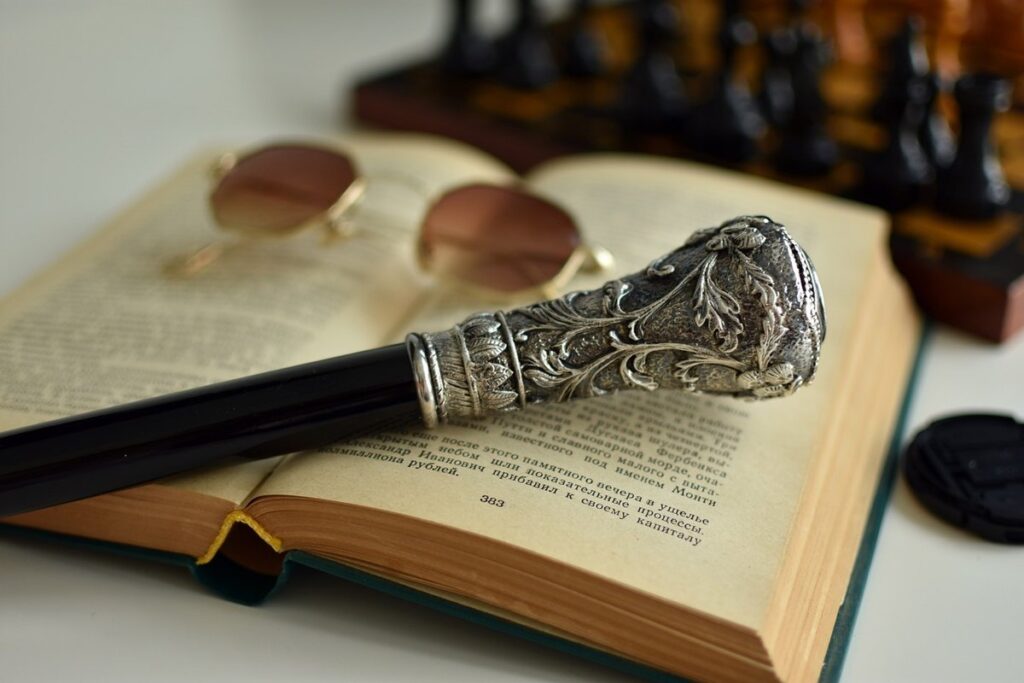
Artisans may incorporate unusual materials, such as reclaimed wood, antler, or even meteorite fragments, to create striking patterns and textures. Some handcrafted walking sticks feature intricate carvings, while others showcase elaborate inlays of precious stones or metals. These visual details not only add aesthetic appeal but also highlight the craftsmanship that goes into each piece.
When shopping for a handcrafted walking stick, look for artisans who share their inspiration, process, and materials used. This transparency can help you appreciate the value of your investment and perhaps even develop an appreciation for the craft itself. As with any unique or bespoke item, be prepared to wait for production – sometimes up to several weeks or months – but rest assured that your patience will be rewarded with a walking stick that is truly one-of-a-kind.
Walking Sticks with Unconventional Materials
Walking sticks made from unconventional materials bring a unique touch to traditional walking stick designs. Driftwood, for instance, can add an organic and weathered look to your walking stick. Its irregular shape and texture create a visually interesting design that’s perfect for nature lovers.
Antler walking sticks are another option for those looking to add some personality to their walking stick. They often have a rustic charm that pairs well with outdoor activities like hiking or camping. When using antlers, consider pairing them with other natural materials like wood or stone for a cohesive look.
Recycled plastic can also be used to create eco-friendly and durable walking sticks. This material is perfect for those who want to combine sustainability with functionality. Look for recycled plastic that’s been transformed into a wood-like material, which can then be shaped and finished like traditional wood.
When working with unconventional materials, it’s essential to consider the durability and weight of the final product. Make sure the walking stick you create is sturdy enough to withstand regular use and not too heavy to carry around. Experimenting with different combinations of materials will help you find the perfect balance between uniqueness and practicality.
DIY Walking Stick Projects
Take your creativity to the next level by learning how to make a functional and beautiful walking stick that suits your personal style. We’ll show you simple DIY projects to get started.
Upcycling Old Walking Sticks
Upcycling old walking sticks is a fantastic way to breathe new life into discarded items, reduce waste, and create unique functional pieces. Start by inspecting the stick for any damage or rot, which can be easily sanded or replaced with a wooden dowel. Consider the original material and shape of the stick – you might find that it’s perfect as is, while others may need some TLC to restore their former glory.
Think about what kind of functional piece you want to create: a coat hook, a plant marker, or even a tiny table? You can repurpose the stick as a base for your project and add new materials like wood, metal, or leather. Some ideas include turning an old walking stick into a candle holder by attaching a small glass votive or a tea light. Alternatively, use it as a base for a decorative shelf or a picture frame.
When upcycling old walking sticks, remember that the key is to be creative and adaptable. Consider adding new textures, colors, or patterns to give your piece a fresh look. Think about combining materials like wood, metal, or fabric to create something truly unique. With a little imagination and some basic DIY skills, you can transform an old walking stick into a functional work of art that’s both eco-friendly and stylish.
Creating Your Own Walking Stick
When creating your own walking stick from scratch, start by selecting a sturdy base material. Consider using a hardwood like ash, oak, or maple for its durability and resistance to wear. You’ll also need a comfortable grip material that won’t slip even when wet. Look for materials with texture, such as cork, foam, or rubber.
Design considerations are crucial to ensure your walking stick is both functional and comfortable to use. Think about the height and weight distribution of the stick, taking into account your personal preferences and any mobility needs. A well-designed handle should fit comfortably in your hand, with a slight curve or offset for ergonomic support.
To assemble your custom walking stick, follow these steps:
- Cut the base material to the desired length using a saw or a miter box.
- Sand the cut edges to smooth out any splinters or rough spots.
- Attach the grip material using a strong adhesive, such as epoxy or hot glue.
- Allow the adhesive to dry completely before handling the stick.
Remember to follow proper safety precautions when working with power tools and sharp materials.
Frequently Asked Questions
Can I Use My Walking Stick Indoors?
Yes, walking sticks can be used indoors for balance and support while navigating stairs or uneven flooring. Consider using a lighter material or collapsible design to make it easier to store and transport.
How Do I Clean and Maintain My Custom Walking Stick?
Cleaning your walking stick regularly with mild soap and water will help maintain its appearance and prevent damage from dirt buildup. For more complex designs, consider consulting the manufacturer’s maintenance instructions or seeking advice from a professional craftsman.
What If I Have a Pre-Existing Injury; Can I Still Use a Walking Stick for Support?
Yes, walking sticks can be beneficial even with pre-existing injuries, as they provide additional support and stability without putting unnecessary strain on affected areas. Consult with your doctor to determine the best walking stick features for your specific needs.
How Do I Know Which Type of Material Is Best for My Walking Stick?
Choosing a material depends on your personal preferences, lifestyle, and intended use. Consider factors like durability, weight, and aesthetics when deciding between materials like wood, bamboo, or titanium. If you’re unsure, consult with a professional or try out different options.
Can I Add Functional Tools to an Existing Walking Stick?
While it’s possible to modify an existing walking stick with functional tools, ensure that the addition does not compromise the structural integrity of the stick. Consult a professional craftsman if you’re unsure about the feasibility or safety of adding new features.

