Your closet is likely filled with old clothes that no longer fit or are just plain tired. Instead of throwing them away, you can breathe new life into them with upcycled clothing techniques. Upcycling your wardrobe not only reduces waste and minimizes environmental impact but also allows you to get creative with your existing fabric stash. With a few basic sewing skills, you can transform old t-shirts into reusable bags or turn a worn-out pair of jeans into a unique patchwork quilt. But if you’re new to upcycled clothing, it’s easy to feel overwhelmed by the possibilities and unsure where to start. This guide will walk you through various techniques, from simple repurposing to more advanced crafting methods, giving you the confidence to create something entirely new from your old clothes, and teaching you how to give discarded materials a second chance.
Understanding the Basics of Upcycled Clothing
Upcycling is all about giving old clothes new life, and it starts with understanding some basic principles. Let’s begin by exploring what upcycling entails and how to get started.
What is Upcycled Clothing?
Upcycled clothing is a design approach that transforms pre-existing garments into new, often unique pieces. This method has its roots in traditional craftsmanship and thrift shopping. Unlike repurposed clothing, which merely reimagines existing styles or adds embellishments to used items, upcycling fundamentally alters the garment’s structure and functionality.
Upcycled clothing can involve deconstructing and reassembling original components, such as turning an old t-shirt into a patchwork dress. This process not only gives new life to discarded materials but also reduces waste and supports sustainable fashion practices. To create upcycled pieces, consider repurposing buttons, zippers, or other hardware from thrift store finds.
While recycled clothing typically refers to items made from post-consumer waste, such as plastic bottles or fabric scraps, upcycling focuses on reimagining existing garments rather than creating new ones from raw materials. By distinguishing between these two approaches, you can better appreciate the value of upcycled fashion and how it contributes to a more eco-friendly wardrobe.
Benefits of Upcycling Your Old Clothes
Upcycling old clothes reduces waste by repurposing materials that would otherwise end up in landfills. This method of creative reuse not only minimizes environmental impact but also saves resources typically required for producing new garments. The cost-effectiveness of upcycling is another significant advantage, as it allows you to breathe new life into items you already own instead of discarding them and purchasing something new.
When you upcycle old clothes, you’re not just reducing waste – you’re also creating a unique piece that reflects your personal style. This process can be incredibly fulfilling, allowing you to see potential in discarded materials and transform them into functional, fashionable items. Consider transforming an old t-shirt into a reusable bag or turning an ill-fitting pair of jeans into a one-of-a-kind skirt.
One practical approach is to start small by repurposing simple items like fabric scraps or an old button-down shirt. You can use these basic pieces as the foundation for more complex projects, gradually building your upcycling skills and confidence. By doing so, you’ll not only reduce waste but also enjoy a sense of accomplishment from creating something entirely new from existing materials.
Identifying Potential Materials for Upcycling
To get started, we’ll identify potential materials for upcycling, scouring your closet and local thrift stores for hidden gems waiting to be transformed into unique fashion pieces. Look beyond obvious items like old t-shirts and jeans.
Common Materials Used in Upcycled Clothing
Old t-shirts are a staple for upcyclers due to their softness and versatility. They can be repurposed into anything from baggy tunics to fitted tank tops. A simple way to start is by cutting the sleeves off and using them as arm warmers or a DIY scarf.
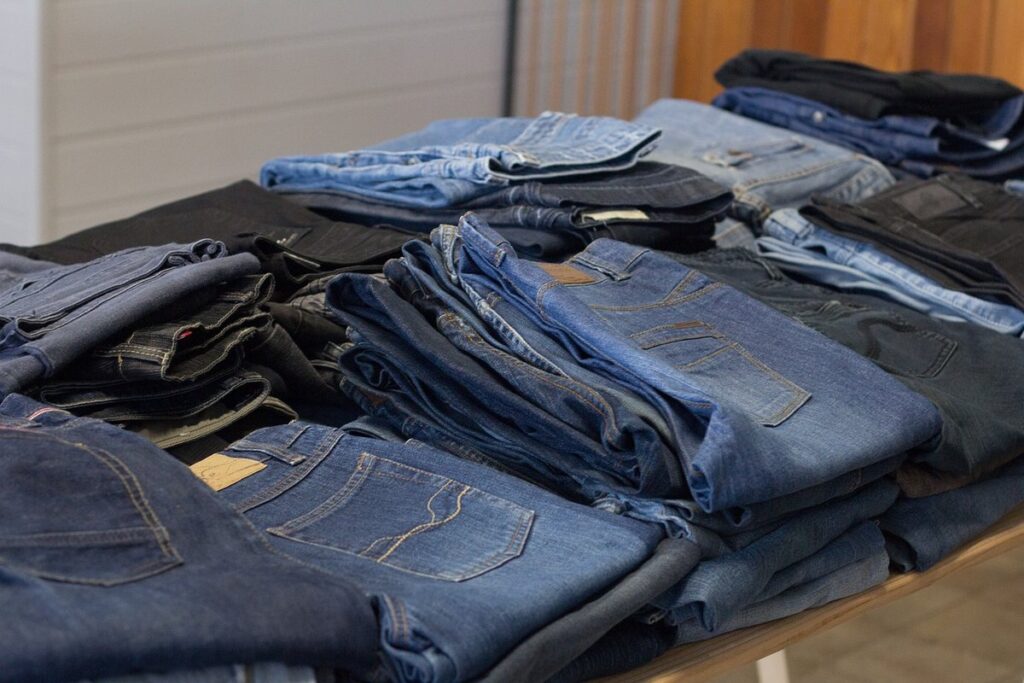
Jeans, with their durable denim, are another popular choice for upcycling. They can be transformed into unique patches, embellishments, or even functional items like wallets and bags. Consider turning an old pair of jeans into a quilted patchwork blanket for a cozy home decor piece.
Sweaters provide a wealth of material for repurposing, especially the chunky, oversized types. They can be unraveled to create yarn for knitting or crocheting new garments. Alternatively, use them as fabric patches to add texture and interest to upcycled clothing projects.
Common household items like tablecloths, bedding, and towels can also find new life in your wardrobe. Use them as inspiration for bold prints and patterns, or incorporate their softness into a cozy throw blanket.
Tips for Scouring Local Thrift Stores and Charity Shops
When scouring local thrift stores and charity shops for upcycling potential, it’s essential to know what to look for. Start by examining the garment’s fabric composition – cotton, linen, or silk are ideal candidates for upcycling due to their durability and versatility. Avoid items with synthetic fibers like polyester, as they may not hold up well to alteration.
Inspect the item’s condition carefully. Look for hidden gems like unique textures, interesting silhouettes, or one-of-a-kind details that can be preserved or repurposed. Consider the garment’s original purpose – a vintage coat might make an excellent statement piece with some creative tailoring.
Approach the selection process with patience and an open mind. Try on items to gauge their fit potential and envision how they could be transformed. Don’t dismiss an item solely based on its current form; think about what you can do to breathe new life into it. For example, a thrifted denim jacket might become a one-of-a-kind tote bag or patchwork skirt with some careful cutting and stitching.
Upcycling Techniques and Methods
From repurposing old buttons to transforming thrift store finds, we’ll share expert techniques for giving new life to discarded fabrics. Get ready to breathe fresh creativity into your upcycled wardrobe!
Basic Sewing and Crafting Skills Required
Upcycling clothes requires a basic understanding of sewing skills and crafting techniques. To start revamping your wardrobe, you’ll need to know how to operate a sewing machine and perform simple stitching tasks, such as straight lines, backstitching, and turning seams right side out. Familiarity with hand-sewing is also beneficial for projects that require intricate details or repair work.
Practicing basic sewing skills can be achieved through online tutorials or local classes. Websites like YouTube, Craftsy, and Skillshare offer a wealth of instructional videos on various techniques. For example, the “Upcycled Denim Shorts” tutorial on Craftsy teaches viewers how to turn old jeans into trendy shorts using simple stitching methods.
In addition to sewing skills, knowledge of basic crafting techniques is also essential for upcycling clothes. This includes understanding how to work with different fabrics, such as cutting patterns, working with zippers and buttons, and handling stretchy materials like knits. By mastering these fundamental skills, you’ll be able to tackle a wide range of upcycling projects, from simple repairs to more complex transformations.
Advanced Techniques: Embellishments, Dyeing, and Stenciling
When you’re ready to take your upcycled clothing creations to the next level, consider adding embellishments such as patches and appliques. These can completely transform a piece of clothing, making it unique and eye-catching. For instance, adding a decorative patch to a denim jacket or an embroidered appliqué to a t-shirt can instantly give them a vintage vibe.
You can also experiment with dyeing fabrics to achieve the desired colors and textures for your upcycled pieces. Shibori dyeing, which involves folding and binding fabric to create resistance areas, is particularly effective for creating intricate patterns. This technique requires patience but yields beautiful results. On the other hand, tie-dyeing allows for more spontaneity, as you can achieve unique patterns simply by folding or twisting your fabric before dyeing.
For those who prefer a more graphic look, stenciling designs onto clothing is another viable option. You can use specialized stencils or create your own using cardstock and scissors. When stenciling, it’s essential to choose a design that complements the existing patterns on the garment, rather than overpowering them. By balancing colors and textures, you can achieve stunning visual effects with minimal effort.
Upcycled Clothing Ideas and Projects
Take old t-shirts, jeans, and fabric scraps and turn them into unique accessories, bags, and even entire garments that will breathe new life into your wardrobe. Get creative and see what amazing upcycled clothing ideas you can come up with!
Revamping Old T-Shirts and Sweatshirts
Take an old t-shirt and transform it into a sturdy reusable bag. Start by cutting off the hem at the bottom to create a straight edge. Then, fold the edges of the shirt up by about 1 inch to prevent fraying. Next, place the folded edge side down on a flat surface and begin rolling the shirt tightly from the top down. Secure with a rubber band or tape. You can use this bag for grocery shopping or as a beach tote.
Upcycle a hoodie into a unique jacket by cutting off the sleeves and re-sewing them to create a more fitted silhouette. Alternatively, you can repurpose the hood as a detached poncho or cape. To make a more striking piece, use contrasting fabric to create a new collar or trim for your upcycled hoodie.
When working with old t-shirts and sweatshirts, consider the type of fabric they’re made from. Cotton blends are usually easy to work with, while thin synthetics may require additional stabilizing layers or interfacing to achieve the desired shape. Be mindful of any care labels or instructions that might affect your upcycled design’s durability.
Transforming Jeans into New Garments
Transforming old jeans into new garments is a fantastic way to breathe life into worn-out favorites and reduce textile waste. A common starting point is to repurpose them as shorts. You can cut off the legs just above the knee for a casual, summer-friendly pair or go for a more dramatic look by cutting higher up on the thigh.
To create a skirt from old jeans, try using a portion of the fabric as the hem, adding some contrast with a contrasting thread color to give it visual interest. Consider combining different parts of the original garment – like the back pockets and waistband – to add texture and depth.
Another creative option is to repurpose the denim as a unique tote bag or pouch. Cut out the usable pieces, sew them together, and add some decorative stitching to create a one-of-a-kind accessory that showcases your upcycling skills.
Sustainable Fashion Practices and Upcycling
From repurposing old t-shirts to transforming discarded fabrics, sustainable fashion practices offer a world of creative possibilities for upcycled clothing. Learn how to get started on your own eco-friendly fashion journey.
The Impact of Fast Fashion on the Environment
Fast fashion’s rapid production and consumption cycles have devastating consequences for the environment. The textile industry is one of the largest polluters globally, with water pollution being a significant concern. Chemical dyes and treatments used in manufacturing contaminate rivers and lakes, harming aquatic life and human health. Additionally, textile waste contributes to landfills, with the average American generating 82 pounds of clothing waste per year.
Resource depletion is another critical issue. Synthetic fabrics like polyester are made from non-renewable resources such as petroleum, natural gas, and coal. The production process requires massive amounts of energy, further exacerbating greenhouse gas emissions. Furthermore, the cotton industry relies heavily on pesticides and fertilizers, which can pollute soil, water, and air.
To mitigate these effects, consider choosing sustainable fabrics like organic cotton or Tencel. When shopping for new clothing, prioritize second-hand options or invest in high-quality pieces that will last longer. By adopting a more mindful approach to fashion consumption, you can significantly reduce your environmental footprint.
Integrating Upcycled Clothing into Your Wardrobe
Incorporating upcycled clothes into your wardrobe can significantly reduce waste and promote sustainable fashion practices. A typical American generates about 82 pounds of textile waste per year, with most ending up in landfills or incinerators. By repurposing existing clothing, you not only breathe new life into forgotten garments but also divert materials from the waste stream.
Start by identifying pieces that are still in good condition but no longer fit or suit your style. Consider deconstructing old jackets to create a unique quilted vest or upcycling t-shirts into reusable bags. You can also repurpose buttons, zippers, and other hardware to give new life to discarded accessories.
When shopping for second-hand clothing, prioritize high-quality materials like cotton, linen, and silk. These natural fibers are biodegradable and less likely to contribute to microplastic pollution. Additionally, look for items with timeless designs that won’t quickly go out of style, ensuring your upcycled purchases remain relevant for years to come.
Conclusion: Embracing the Art of Upcycling
Now that we’ve explored creative ways to upcycle your wardrobe, it’s time to tie everything together and share some final thoughts on embracing this eco-friendly approach. Let’s wrap up our journey with practical takeaways.
Recap of Key Takeaways
Upcycling offers a wide range of benefits for both individuals and the environment. By giving old clothes new life, you can create unique and personalized pieces while reducing waste and conserving resources. We discussed various materials that are perfect for upcycling, including denim, leather, and even vintage band tees. These items can be transformed into everything from chic jackets to stylish accessories.
In terms of techniques, we explored the importance of deconstructing garments, allowing you to reimagine their original design and create something entirely new. This approach enables you to repurpose even the most discarded pieces, giving them a second chance at life. For instance, an old t-shirt can become a quilt or a set of coasters with some creative cutting and sewing.
Some of the projects we discussed included turning old t-shirts into reusable bags, transforming vintage dresses into statement pieces, and upcycling denim jeans into one-of-a-kind skirts. These examples showcase the endless possibilities that upcycling presents, allowing you to breathe new life into discarded items and inject your wardrobe with personality.
To get started with upcycling, remember to keep an open mind and be willing to experiment with different techniques and materials. Don’t be afraid to think outside the box or push the boundaries of what’s considered “upcycle-worthy.” By embracing this creative approach, you can develop a more sustainable fashion sense that aligns with your unique style and values.
Frequently Asked Questions
How Can I Make Upcycled Clothing a Long-Term Habit?
Yes, making upcycling a habit requires consistent effort and creativity. Start by setting aside time each week to browse thrift stores or your own closet for materials. Experiment with new techniques and projects, and don’t be afraid to make mistakes – they’re an opportunity to learn and improve.
Can I Use Synthetic Fabrics Like Polyester in Upcycled Clothing?
While synthetic fabrics can be upcycled, it’s generally recommended to use natural fibers like cotton or linen whenever possible. This is because natural fibers are biodegradable and require less processing, reducing their environmental impact. If you do choose to work with synthetics, consider washing them before upcycling to reduce microplastic shedding.
How Do I Know if a Thrift Store Item Is Suitable for Upcycling?
When browsing thrift stores or charity shops, look for items made from sturdy materials like cotton, wool, or denim. Check the condition of the item – avoid anything with holes, tears, or excessive wear. Also, consider the style and design: upcycle pieces that can be easily reimagined as new garments.
Can I Sell Upcycled Clothing Items Online?
Yes, selling upcycled clothing online is a viable option for creative entrepreneurs. Research local laws regarding handmade or vintage sales, and take high-quality photos of your items to showcase their unique features. Use platforms like Etsy or eBay to reach a wide audience, and consider partnering with sustainable fashion brands or bloggers to promote your work.
What If I’m New to Sewing – Where Do I Start?
Begin by investing in basic sewing tools and supplies, such as a sewing machine, needles, threads, and scissors. Watch online tutorials or take classes to learn fundamental skills like threading the machine, sewing straight lines, and working with patterns. Practice on scrap fabric before moving onto actual projects, and don’t be afraid to ask for help or join online sewing communities for support.