
The Bergen to Oslo train ride is a 6.5-hour journey that slowly unwinds across Norway’s stunning landscape, making it one of the most scenic train rides in Europe. As you settle into your seat and watch the fjords unfold outside your window, you might wonder what makes this particular route so special. The answer lies not just in its breathtaking views but also in its slow pace, allowing travelers to truly immerse themselves in Norway’s natural beauty. By doing so, it becomes an experience that’s as much about the journey as the destination. This article will explore how you can make the most of this scenic train ride and discover the art of slow travel on board.
What is Slow TV?
Slow TV is a unique concept that originated from Norway, where everyday experiences are broadcasted on television without any dramatic twists. It’s an antidote to fast-paced reality shows and entertainment.
Origins of Slow TV
Slow TV has its roots in Norway, where it originated as a concept for television broadcasting. In 2009, NRK, the Norwegian public service broadcaster, started airing live coverage of trains traveling through scenic routes, including the Bergen to Oslo railway. This marked a departure from traditional travel documentaries, which typically featured fast-paced editing and narration. Instead, Slow TV focused on the journey itself, allowing viewers to experience the sights and sounds in real-time.
The idea was simple: film a train ride from start to finish, without any interruptions or distractions. The result was a calming and meditative viewing experience that allowed audiences to slow down and appreciate the beauty of Norway’s landscapes. Since its inception, Slow TV has gained popularity worldwide, with various countries adapting the concept for their own scenic routes.
One key difference between traditional travel documentaries and Slow TV is the pace at which the narrative unfolds. Traditional shows often feature quick cuts, music, and narration to keep viewers engaged. In contrast, Slow TV takes a more relaxed approach, allowing the viewer to absorb the scenery without any external influences. This subtle distinction makes all the difference in creating an immersive experience that’s both calming and engaging.
Characteristics of Slow TV
Slow TV emphasizes real-time footage, eschewing editing and narration in favor of unscripted experiences. This approach allows viewers to witness everyday events unfold naturally, often at a slow pace. The lack of editing gives the impression that time is passing as it would for an actual person watching from a train window.
Without narration or music, viewers are left to interpret what they see, creating a more immersive experience. In Slow TV, the focus shifts from entertainment to observation and contemplation. This can be seen in programs like “The Train Ride” series, where cameras follow trains as they travel through various landscapes, often with little commentary.
Some key characteristics of Slow TV include its use of static shots, which allow viewers to take in details that might otherwise go unnoticed. These shots also create a sense of stillness and quiet contemplation. Additionally, Slow TV often features unremarkable or mundane events, such as passengers boarding a train or eating their meals.
The Bergen to Oslo Railway: A Scenic Route
As we continue our journey from Bergen to Oslo, let’s take a closer look at the scenic route itself, which winds its way through some of Norway’s most breathtaking landscapes. This stunning railway line has been a favorite among locals and tourists alike for decades.
Geography and Landscape Features
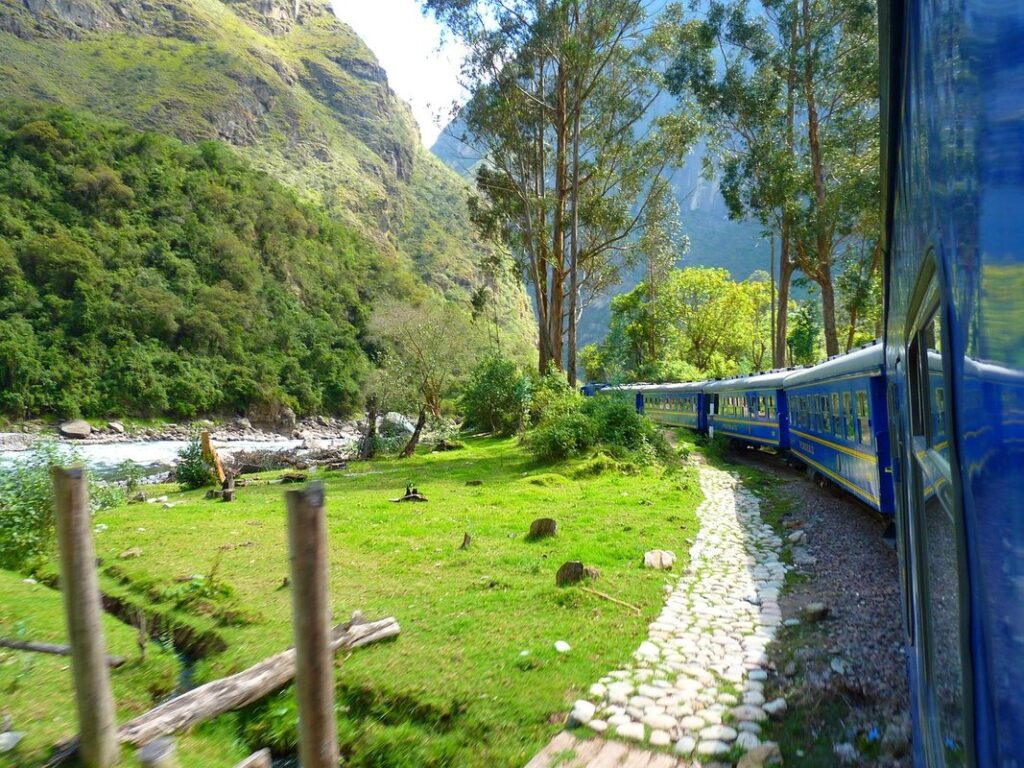
The Bergen to Oslo railway line traverses a diverse and breathtaking landscape of fjords, mountains, and valleys. One of the most striking features passengers will encounter is the Sognefjord, Norway’s longest and deepest fjord. The train winds its way along the fjord’s shores, offering spectacular views of towering cliffs, serene waterways, and picturesque villages. As you travel north, the terrain shifts to rolling hills and verdant valleys, punctuated by sparkling lakes and rivers.
To the west lie the majestic Dovrefjell mountains, a UNESCO-protected site known for its unique cultural heritage and stunning natural beauty. Passengers will have ample opportunities to take in the breathtaking vistas from the train’s observation deck or through the large windows of the carriage. Be sure to keep your camera handy – with so many scenic stops along the way, you’ll want to capture every moment.
As you chug northwards, the climate changes from mild and temperate to cooler and more rugged. Don’t be surprised if you spot snow-capped peaks even in summer, a testament to Norway’s unpredictable yet awe-inspiring weather patterns. Keep an eye on the train’s schedule to catch the most spectacular views during optimal light conditions – usually early morning or late afternoon when the sun casts its golden glow over the landscape.
History of the Railway Line
The construction of the railway line between Bergen and Oslo was a significant undertaking for Norway’s transportation network. Completed in 1909, it was one of the most ambitious engineering projects of its time. The 372-kilometer route passes through diverse landscapes, from fjords to mountains, and was crucial for connecting western and eastern parts of the country.
The railway played a vital role in Norway’s economic development, facilitating trade and communication between regions. Prior to its construction, travel between Bergen and Oslo was arduous, involving horse-drawn carriages or small ships that navigated treacherous waters. The new railway significantly reduced journey times, making it easier for people and goods to move across the country.
The Bergen to Oslo railway has undergone several modernizations over the years, with significant upgrades in recent decades. However, its original charm remains intact, offering passengers a unique glimpse into Norway’s industrial heritage. As you sit back and enjoy your Slow TV experience, take note of the historic significance that surrounds you – it’s an integral part of what makes this journey so unforgettable.
Planning Your Slow TV Train Ride
Before you board the train from Bergen to Oslo, let’s plan your slow TV experience, including choosing the right seat and timing your journey for optimal viewing. You’ll want to prioritize comfort and scenery over arrival time on this relaxing ride.
Booking and Scheduling
Booking and scheduling for the Bergen to Oslo train ride are essential steps in planning a successful Slow TV experience. You can book tickets online through the Norwegian State Railways (Vy) website, which offers advance reservations up to 3 months prior to departure. It’s recommended to book early, especially during peak travel seasons, as popular routes like this one tend to fill up quickly.
For last-minute bookings, you can check for available seats on the Vy website or mobile app. Keep in mind that same-day bookings may not be possible, and availability will depend on the train’s capacity. If you’re unable to book online, you can also contact Vy’s customer service team for assistance.
In addition to online booking, some travel agencies and tour operators offer package deals that include the Bergen to Oslo train ride as part of a larger itinerary. These packages may provide additional perks, such as hotel accommodations or guided tours. However, be sure to research and compare prices before booking through a third-party provider.
Packing for the Journey
When packing for your slow TV train ride from Bergen to Oslo, consider the length of your journey and the changing climate along the way. Norway’s weather can be unpredictable, so it’s essential to bring layers for varying temperatures. Pack warm clothing, such as a coat or jacket, as well as lighter items like sweaters or cardigans.
In addition to clothing, don’t forget to bring snacks and refreshments to enjoy during your journey. The train café may offer limited options, and you’ll appreciate having some of your favorite treats on hand. Choose items that are easy to consume while seated, such as sandwiches, fruits, or energy bars.
Entertainment is also crucial for a comfortable ride. Bring a book, e-reader, or tablet loaded with movies, TV shows, or music. Consider downloading some Norwegian podcasts or language learning apps to enhance your experience. If you prefer to interact with fellow passengers, bring games like cards or travel-sized board games. To avoid clutter and conserve storage space, pack light and choose items that serve multiple purposes.
Onboard Experience: What to Expect
As you prepare for the 17-hour train ride from Bergen to Oslo, it’s natural to wonder what your onboard experience will be like. We’ll take a closer look at what to expect during this unique journey.
Cabin Classes and Amenities
You’ll find three cabin classes on board the train from Bergen to Oslo, each offering a unique blend of comfort and scenic views. The most luxurious option is the NSB (Norges Statsbaner) Class 2, which features spacious seats with ample legroom, adjustable headrests, and large windows for taking in the breathtaking vistas.
The NSB Class 1 cabin offers a slightly more modest layout but still provides comfortable seating and plenty of natural light. This class is an excellent choice if you’re traveling on a budget or prefer a more relaxed atmosphere. Onboard amenities include complimentary Wi-Fi, power outlets, and a selection of snacks and beverages for purchase.
When it comes to dining, the train offers a limited but satisfying menu featuring Norwegian specialties like open-faced sandwiches and waffles. You can also bring your own food and enjoy eating in your cabin or at one of the designated dining areas. Keep in mind that meal options may be limited during peak travel seasons, so plan ahead if you have specific dietary needs or preferences.
Some NSB trains even offer a small buffet car with hot meals and refreshments for purchase. Be sure to check the train’s schedule and amenities before your journey to make the most of your onboard experience.
Train Staff and Passenger Interaction
Train staff on the Bergen to Oslo slow train are available to assist with various needs and provide insight into the route and its scenic highlights. If you need help finding your seat, using onboard amenities, or accessing wheelchair-accessible areas, don’t hesitate to ask a member of staff for assistance.
When it comes to questions about the scenery and local landmarks along the way, train staff are happy to share their knowledge and provide context. They may point out specific features visible through the windows or recommend reading material related to the region’s history and culture. Some staff members have even been known to offer tips on the best photo opportunities during the journey.
A few things to keep in mind when interacting with onboard staff: they are there to help, so don’t be afraid to ask for assistance; they often have a wealth of knowledge about the route and its surroundings; and you may find that certain staff members are more familiar with specific sections of the train or particular scenic features.
Scenic Highlights Along the Way
As we chug along from Bergen to Oslo, you’ll be treated to breathtaking views of Norway’s stunning landscapes, from snow-capped mountains to serene fjords. These scenic highlights are sure to leave you in awe.
Fjords and Waterways
As you gaze out the train window, the serene beauty of Norway’s fjords and waterways will unfold before your eyes. The Bergen to Oslo railway passes through some of the most stunning landscapes in the country, where towering mountains meet crystal-clear waters. One of the most notable fjords is the Sognefjord, the longest and deepest fjord in Norway, which stretches over 200 kilometers from the coast to its innermost point. This natural wonder is a testament to the region’s unique geology, shaped by millions of years of glacial activity.
During your journey, you’ll also catch glimpses of other notable waterways, such as the Hardangerfjord and the Nærøyfjord, both UNESCO World Heritage Sites. These fjords are home to an incredible array of wildlife, including seals, eagles, and even the occasional whale sighting. Keep your eyes peeled for these majestic creatures as you take in the breathtaking views. As the train winds its way through the mountains, you’ll experience the full majesty of Norway’s natural beauty, with towering cliffs, waterfalls, and picturesque villages dotting the landscape.
Mountain Landscapes and Climatic Conditions
As you travel through the mountains on the Bergen to Oslo train ride, you’ll witness diverse landscapes and climatic conditions. The Norwegian fjords often shroud mountain peaks in mist, casting a mystical aura over the scenery. On clear days, snow-capped peaks pierce the sky, their rugged beauty a testament to nature’s power.
The train navigates through valleys and gorges, where waterfalls cascade down steep slopes and tiny villages cling to the hillsides. In these areas, the air is crisp and clean, with a hint of dampness from the nearby waterways. Be prepared for temperature fluctuations, as the climate can shift dramatically within short distances.
When traveling through the mountains in winter, expect possible delays due to snow or ice on the tracks. However, this only adds to the slow TV experience – you’ll have more time to absorb the serene atmosphere and appreciate the train’s gentle pace. Look out for the Northern Lights, which often dance across the sky during winter nights.
Keep your camera handy, as the ever-changing light creates a kaleidoscope of colors and moods throughout the day. Don’t be afraid to step outside onto the observation deck or platform, where you can breathe in the crisp mountain air and feel the gentle rocking motion of the train.
Capturing Your Slow TV Experience
As you watch the breathtaking Norwegian landscapes unfold through your screen, capturing every moment is crucial to relive the magic of your slow TV experience. Here are some tips on how to do just that.
Photography Tips and Tricks
When it comes to capturing stunning photographs during your slow train ride from Bergen to Oslo, composition is key. Look for scenes with a strong foreground and background, such as a mountain range reflected in a serene lake or a train passing through a picturesque tunnel. Consider using the rule of thirds by placing these elements off-center.
Lighting can also make or break an image. Early morning and late afternoon are ideal times to capture warm, golden light that accentuates the scenery. Be mindful of harsh midday sun, which can create unflattering shadows. Use a polarizing filter to reduce glare on water and glass surfaces.
In terms of equipment, you don’t need a high-end camera or lens to take great photos. A smartphone with a good camera will suffice. Experiment with different shooting modes, such as manual or aperture priority, to achieve the desired effect. Bring a tripod or use a stabilizer to prevent camera shake when capturing low-light scenes.
Here are some essential photography accessories to bring along:
- A memory card with sufficient storage space
- A spare battery and charger for your camera
- A small lens cleaning cloth
- A portable power bank for charging your devices
By following these tips, you’ll be well-equipped to capture the breathtaking scenery and memorable moments of your slow train ride from Bergen to Oslo.
Social Media Sharing and Storytelling
As you sit back and enjoy the stunning views of Norway’s fjords and mountains outside your train window, don’t forget to share your Slow TV experience with friends and family on social media. With the breathtaking scenery as a backdrop, your photos will likely go viral. To make your posts stand out, try incorporating engaging captions that capture the essence of the journey.
For instance, you could describe the majestic waterfalls you pass by or the quaint villages nestled in the mountains. You might also share interesting facts about the train’s history or the region’s unique geology. To make it more interactive, ask your followers to guess which station is coming next or where the train will stop for a brief break.
When choosing your photos, select those that showcase the slow pace of life on board – a passenger reading a book, a waiter serving coffee in the dining car, or a group of travelers chatting with each other. Use relevant hashtags like #SlowTV or #BergenToOslo to connect with others who share your experience. Remember, your social media posts can be an extension of the Slow TV spirit – encouraging mindfulness, appreciation for nature, and joy in the journey itself.
Conclusion: Reflecting on Your Journey
As you conclude your slow TV journey from Bergen to Oslo, take a moment to reflect on the sights and sounds that have left an impression on your heart. What memories will you carry with you?
Takeaways from Your Slow TV Experience
As you reflect on your slow TV experience from Bergen to Oslo, consider what stood out to you during the journey. Perhaps it was a breathtaking view of the fjords that left you speechless, or an unexpected encounter with fellow passengers that turned into a meaningful conversation. Maybe you discovered hidden talents for photography or storytelling as you captured the scenery and shared your experiences on social media.
Take note of any moments that surprised you – whether it was the comfort of the train’s cabin class, the attentiveness of the train staff, or the unexpected beauty of the landscapes passing by through the windows. These surprises can often reveal new insights about yourself and what you value in travel. For instance, did you find that you appreciated the slow pace more than anticipated? Or perhaps you realized that the journey was just as important as the destination.
As you look back on your experience, ask yourself what you would do differently next time – or if there’s anything you’d like to explore further. Would you choose a different cabin class or opt for an overnight train ride to fully immerse yourself in the scenery? Reflecting on these questions can help you solidify the lessons and memories from your slow TV experience, making it easier to apply them to future travels.
Continuing the Slow Travel Spirit
As you conclude your slow TV journey from Bergen to Oslo, you’re left with a newfound appreciation for Norway’s breathtaking landscapes and a sense of accomplishment for embracing the slow pace. The experience has likely inspired you to explore more of what this beautiful country has to offer. To continue the slow travel spirit, we recommend considering other scenic train routes that wind through Norway’s majestic fjords, mountains, and valleys.
For example, the Flåm Railway from Myrdal to Flåm offers a thrilling descent into the Aurlandsfjord, while the Bergen Railway continues on to Trondheim, passing through the Dovre Mountains. Alternatively, you could travel north along the Nordland Line, taking in the dramatic scenery of the Lofoten Islands. Each route presents a unique opportunity to slow down and absorb Norway’s natural beauty.
Before embarking on your next adventure, take a moment to research and plan ahead. Check the train schedules, book accommodations, and pack accordingly for the season and terrain you’ll encounter. By doing so, you’ll ensure a seamless transition into your next slow travel experience.
Frequently Asked Questions
Can I bring my pet on the train ride from Bergen to Oslo?
Yes, pets are allowed in certain cabin classes and with prior approval from the train staff. However, it’s essential to check with NSB (Norwegian State Railways) for specific policies and any additional fees associated with bringing your pet onboard.
What if I get seasick or experience motion sickness during the train ride?
If you’re prone to motion sickness, consider booking a cabin near the front of the train, which tends to have less movement. You can also try taking medication before the journey or keeping yourself occupied with reading or listening to music.
Are there any special events or festivals I should be aware of during my Bergen to Oslo train ride?
The article mentions that the train route passes through scenic landscapes and regions with unique cultural events, but it doesn’t specify which ones. To get a more accurate answer, check NSB’s website for upcoming events or ask the train staff directly.
Can I use my phone’s GPS to track our location during the journey, or should I download an app specifically designed for this route?
While your phone’s GPS can provide general location information, using a specialized app like Train24 or NSB’s own app will give you more detailed and accurate tracking of the train’s position along the Bergen to Oslo route.
What if I experience technical issues with my camera equipment during the train ride, such as battery drain or lens malfunction?
If you encounter any issues with your camera gear, don’t panic! Try reaching out to a fellow passenger for advice or assistance. If that doesn’t work, contact the onboard staff, and they may be able to provide guidance or lend you a charger or other equipment if needed.

