Second-hand shopping has become increasingly popular in recent years, with many people turning to thrift stores as a way to refresh their wardrobes while reducing waste. But thrifting isn’t just about finding cheap clothes – it’s also about making a conscious choice that benefits both your wallet and the planet. By choosing second-hand clothing, you’re not only conserving resources but also reducing the environmental impact of the fashion industry. In this comprehensive guide to thrifting, we’ll cover everything from how to shop smart in thrift stores to styling tips for mixing high-end and low-end pieces. We’ll also provide expert advice on caring for your second-hand clothes so they last longer and look their best. By the end of this article, you’ll know how to shop, style, and care for second-hand clothing like a pro, making it easy to incorporate sustainable fashion into your daily life.
Embracing Second-Hand Style
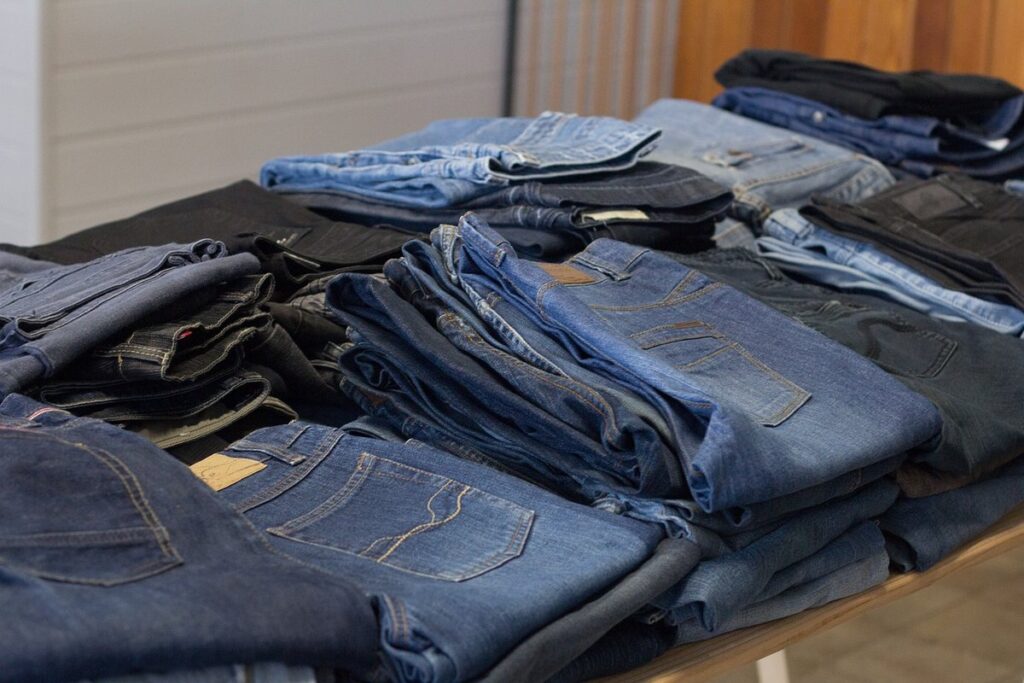
When it comes to incorporating second-hand style into your wardrobe, there’s a vast array of options available at thrift stores and charity shops. Let’s explore some tips for making second-hand pieces shine in your everyday look.
What is Thrifting?
Thrifting is the act of shopping for second-hand clothing and accessories at thrift stores, charity shops, or vintage boutiques. It’s a treasure hunt where you can discover unique, one-of-a-kind pieces that reflect your personal style without breaking the bank. When done right, thrifting is an environmentally friendly alternative to fast fashion.
When you shop at thrift stores, you’re reducing waste by giving old clothes new life. The average American generates 82 pounds of textile waste per year, with most ending up in landfills or incinerators. By choosing second-hand clothing, you’re keeping these materials out of the waste stream and reducing your carbon footprint.
Thrift shopping also encourages creativity and resourcefulness. You might find a vintage coat that needs alterations, but with some TLC, it becomes a one-of-a-kind statement piece. Or, you could mix high-end designer items with affordable second-hand finds to create a stylish, eco-friendly wardrobe on a budget. To get the most out of thrifting, try visiting stores during off-peak hours or checking online listings for rare or hard-to-find items. With patience and persistence, you can build a thriving (pun intended) second-hand wardrobe that’s both stylish and sustainable.
Types of Thrift Stores
Thrift stores come in various forms, each with its unique character and purpose. Charity shops, also known as second-hand charity stores, are often run by local charities and rely on donations to stock their shelves. They typically carry a wide range of items at affordable prices, making them a great option for those on a tight budget.
Vintage stores specialize in high-end or designer items from past decades, often with a focus on luxury brands. These stores usually have a curated selection of high-quality pieces that are well-maintained and restored to their former glory. If you’re looking for unique, investment-worthy items, vintage stores are worth exploring.
Consignment boutiques, on the other hand, sell gently used or new items on behalf of their original owners. The store takes a commission from each sale, which helps to fund its operations. Consignment shops often carry higher-end or designer items and may have stricter quality control measures in place.
When shopping at these types of stores, it’s essential to inspect items carefully for any flaws or defects before purchasing. This will help you avoid bringing home items that don’t fit your needs or budget.
Benefits of Thrifting for the Environment
Thrifting is a powerful tool for reducing waste and conserving resources. When you shop second-hand, you’re giving new life to existing garments rather than contributing to the staggering amounts of textile waste generated each year. The average American generates 82 pounds of clothing waste annually, with most of it ending up in landfills or incinerators. By choosing thrifted over new, you can significantly reduce your own environmental footprint.
Conserving resources is another key benefit of thrifting. Many second-hand stores source their inventory from donations and end-of-season clearance sales, rather than relying on virgin materials. This reduces the demand for raw materials, energy, and water required to produce new garments. Additionally, thrifted items often have a lower carbon footprint due to the reduced transportation needs associated with second-hand shopping.
To maximize the environmental benefits of thrifting, be mindful of your purchases. Opt for high-quality, timeless pieces that won’t need to be replaced soon. Avoid buying from stores with poor labor practices or unsustainable supply chains. By making conscious choices and embracing the thrifted lifestyle, you can help create a more circular and sustainable fashion industry.
Finding the Perfect Thrifted Pieces
When scouring thrift stores for unique finds, it’s easy to get overwhelmed by the sheer variety of options. Let’s focus on some expert tips for spotting hidden gems and perfecting your thrifted style.
Understanding Measurements and Sizing
When thrift shopping for clothing, understanding measurements and sizing can be a challenge. This is because many second-hand items come from different countries, eras, and brands, each with their own unique sizing standards. To ensure a good fit, it’s essential to know how to measure garments accurately.
Start by taking your own measurements: chest circumference, waist, hips, and sleeve length. Use a flexible measuring tape for this task. When examining thrifted items, look for internal labels or care tags that provide measurement guidelines. Some vintage pieces may have been designed to fit smaller frames, while others cater to larger silhouettes.
Sizing variations also occur due to brand-specific measurements. For instance, some brands use a “relaxed” fit, while others opt for a more fitted design. Be aware of these differences when trying on garments or purchasing online. To account for sizing discrepancies, consider the following tips: check the item’s condition and any visible alterations; try it on with matching items from your existing wardrobe to gauge fit; and don’t be afraid to ask store staff about specific measurements if possible.
When in doubt, remember that many thrifted pieces can be altered or tailored to suit your needs.
Identifying Quality and Durability
When browsing through thrift stores, it’s essential to look beyond the price tag and focus on the quality of the garment. Start by examining the materials used – cotton, wool, or silk are generally more durable than synthetic fibers. Check for signs of wear, such as fraying threads, loose buttons, or uneven hemlines. These imperfections can indicate a pre-loved piece that has been well-worn, rather than poorly made.
Inspect the construction of the garment. Zippers should be smooth and not jammed, while seams should be even and not visible from the outside. A well-made thrifted item will have a clear label indicating its country of origin, fabric content, or other relevant details. Avoid garments with missing labels, as this can indicate a lack of quality control.
Pay attention to craftsmanship, too. Check for any signs of repairs or alterations, which can be a good indicator of the garment’s durability. A well-repaired item may even have added character. When in doubt, hold the garment up against your body and assess its overall fit and comfort – this is often a more reliable indicator of quality than its appearance alone.
Staying On-Trend with Vintage and Second-Hand Fashion
When incorporating vintage and second-hand pieces into modern outfits, it’s essential to balance nostalgia with contemporary style. One way to achieve this is by mixing high-end and low-cost items. Pair a statement piece from a thrift store, such as an embroidered top or a bold print dress, with more minimalist, recent purchases like a simple white shirt or a pair of dark jeans.
Consider the era and aesthetic of the vintage item. For instance, 1980s shoulder pads can be updated by pairing them with slim-fit trousers and modern accessories. Alternatively, 1970s peasant tops look fresh when paired with distressed denim and sneakers. To avoid looking dated, focus on timeless silhouettes, like A-line dresses or tailored jackets.
To further modernize second-hand finds, experiment with different textures and colors. Combine lace-trimmed blouses with leather jackets or rough-hewn denim for a contrasting effect. You can also update vintage pieces by adding modern embellishments, such as new buttons or embroidery floss.
Building a Thrifty Wardrobe
Building a sustainable wardrobe is all about mixing and matching thrifted pieces, so let’s explore how to curate a cohesive and stylish collection.
Creating a Capsule Collection
A capsule wardrobe is a curated collection of essential pieces that can be mixed and matched to create multiple outfits. By paring down your closet to only the most versatile items, you’ll not only reduce waste but also simplify your daily dressing routine. When it comes to building a capsule wardrobe from thrifted items, consider this: what are the core pieces you need to feel confident and stylish? Focus on timeless basics like a classic white shirt, a pair of well-fitting jeans, or a cozy sweater.
To curate a capsule collection from second-hand finds, start by taking stock of your existing wardrobe. Identify the pieces that get the most wear and tear, then look for similar items at thrift stores. For example, if you have a favorite pair of high-waisted trousers, search for similar styles in different colors or patterns to add variety to your capsule collection. Don’t be afraid to experiment with new combinations – try pairing a thrifted dress with a jacket from another era to create a unique look.
When building your capsule wardrobe, consider the 80/20 rule: 80% of the time, you likely wear 20% of your clothes. By focusing on these core pieces and incorporating them into your daily routine, you’ll be well on your way to creating a sustainable and stylish wardrobe from thrifted items.
Mixing High-Low Fashion
Combining high-end and low-cost items can be intimidating, but it’s a crucial skill for building a versatile wardrobe on a budget. Start by identifying the common thread between the two pieces – whether it’s a similar color palette, texture, or style element. For instance, pairing a luxurious silk blouse with distressed denim jeans creates an interesting contrast of textures and prices.
When mixing high-low fashion, don’t be afraid to balance expensive items with cheaper ones. A simple way to do this is by layering a pricey top over a thrifted tank or t-shirt. This not only adds visual interest but also extends the life of your more expensive pieces.
Another key consideration is proportion. Balance expensive items with simpler, more affordable pieces to avoid overwhelming the senses. For example, pair a high-end handbag with a thrifted dress and some inexpensive accessories. To create visually appealing outfits, focus on mixing and matching rather than trying to match prices. Experiment with different combinations to find what works best for you and your personal style.
Consider pairing expensive items with affordable basics like t-shirts or jeans, which can help bridge the price gap and add versatility to your wardrobe.
Accessorizing with Second-Hand Finds
Incorporating second-hand accessories into your wardrobe is a great way to add personality and depth to your outfits while reducing waste. When shopping for second-hand accessories, you can find unique pieces at affordable prices. Start by browsing local thrift stores or online marketplaces for hats, bags, and jewelry that catch your eye.
To ensure your second-hand accessories fit in with the rest of your wardrobe, consider the occasion and style of the piece. For example, a vintage handbag might be perfect for a night out, while a more understated accessory like a scarf could add a touch of elegance to a work outfit.
When shopping for second-hand jewelry, look for pieces made from sustainable materials or repurposed from old items. Consider upcycling your own broken or outdated jewelry into something new and unique. You can also repurpose old buttons, brooches, or other trinkets as embellishments for your clothing or accessories.
Troubleshooting Common Thrift Shopping Issues
Let’s face it, thrift shopping isn’t always easy, and we’ve all been there – struggling to find that perfect piece or dealing with frustrating sizing issues. This section is here to help you tackle common problems head-on.
Dealing with Unpleasant Odors and Stains
When dealing with unpleasant odors and stains on thrifted items, it’s essential to approach the issue with a combination of cleaning techniques and gentle care. Start by examining the item for any visible stains or discoloration. For protein-based stains like blood or sweat, try applying a stain remover specifically designed for protein-based stains. Enzyme-based cleaners can break down these organic compounds, making it easier to remove the stain.
For tougher odors, mix 1 tablespoon of white vinegar with 2 tablespoons of water and apply the solution directly to the affected area. Let it sit for about 10-15 minutes before rinsing the item thoroughly with cold water. Avoid using hot water, as this can set the odor or damage the fabric.
If an item has a strong musty smell, try placing it in direct sunlight for a few hours. This can help to naturally disinfect and deodorize the fabric. For more severe odors, consider washing the item with an eco-friendly laundry detergent specifically designed to eliminate odors.
When cleaning or treating thrifted items, be gentle and avoid using harsh chemicals that can damage the fabric. Always read the care label before attempting to clean or repair an item, and test any cleaning solutions on a small, inconspicuous area first.
Alterations and Repairs
When purchasing second-hand clothing, you may encounter items that need alterations or repairs. Common issues include hemmed pants with uneven hems, ill-fitting tops with too much stretch, and buttons missing from coats. To extend the life of these pieces, it’s essential to know basic repair techniques.
For example, patching a torn seam is often as simple as sewing a small piece of fabric over the affected area using a matching thread color. You can also use fabric glue for delicate or sensitive materials. Another common issue is uneven hems; simply fold the pant leg up to your desired length and press before re-hemming.
If you’re not comfortable with DIY repairs, consider visiting a local tailor or seamstress who specializes in altering second-hand clothing. They can assess the item’s condition and provide guidance on the best course of action. When repairing or altering second-hand items, prioritize using sustainable materials whenever possible – think repurposed fabric scraps or natural dyes.
Some common alterations to consider include shortening pant legs, taking in loose sleeves, or adding a lining to a dress for added structure. By learning these basic repair and alteration techniques, you can breathe new life into your thrifted finds and reduce waste in the fashion industry.
Caring for Second-Hand Fabrics
When you bring home a unique second-hand find with delicate or unusual fabrics, it’s essential to handle them with care. Delicate fabrics like silk, lace, and chiffon require gentle washing and drying methods to prevent damage. Start by checking the label for specific care instructions; if none are provided, research the fabric type online. For hand-washable items, use a mild detergent and cold water. Gently swish the garment around in the water, then let it soak for about 15-20 minutes before rinsing thoroughly.
To dry delicate fabrics, remove excess water without wringing or twisting the item. Lay it flat on a clean towel, reshaping as needed to prevent creases. Allow the fabric to air-dry away from direct sunlight and heat sources. Avoid tumble drying or using high heat, which can cause shrinkage or damage.
When storing second-hand fabrics, keep them separate from other clothes and protected from dust and pests. Fold items like scarves and sweaters loosely, and consider using acid-free tissue paper or breathable storage bags to maintain fabric quality. For more fragile pieces, consider professional cleaning and preservation services to ensure their longevity.
The Thrifted Community: Connecting with Like-Minded Individuals
Connecting with others who share your passion for sustainable fashion is a key part of the thrifting experience. In this next chapter, we’ll explore how to build relationships and find like-minded individuals in the thrifted community.
Online Forums and Social Media Groups
Online forums and social media groups dedicated to thrifting have become essential hubs for like-minded individuals to share knowledge, inspiration, and passion. These platforms offer a space to connect with others who understand the value of sustainable fashion and second-hand shopping. Joining online communities can be as simple as searching for hashtags on Instagram or Facebook, such as #thriftstorefinds or #sustainablefashion.
You’ll find groups like ThredUp’s Goody Box community, where members share their favorite thrifted pieces and styling tips. Pinterest boards are also a great resource for discovering new second-hand fashion trends and getting inspiration from others’ thrifted styles. These online platforms often feature “swap” threads or Facebook events, allowing users to connect with local thrifty enthusiasts and exchange gently used clothing items.
Before joining any group or forum, consider the community’s guidelines and tone to ensure it aligns with your values and preferences. Participate by sharing your own experiences, asking questions, and offering advice – doing so will help you build meaningful connections with others who share your passion for sustainable fashion.
Local Thrift Store Events and Workshops
Thrift stores are not just places to find great deals on second-hand clothing; they’re also community hubs that foster connections and promote sustainable fashion practices. Many local thrift stores now host events and workshops that bring together like-minded individuals who share a passion for thrifting and sustainability.
Some examples of these events include sewing classes, upcycling workshops, and repair clinics. At these events, attendees can learn new skills, such as how to mend tears or repurpose old fabric into something new. For instance, Goodwill’s “Style Your Second-Hand” event series offers free fashion advice, styling tips, and DIY tutorials on how to transform thrifted finds.
Additionally, some stores host guest speakers who share their expertise on sustainable fashion practices, such as zero-waste design or slow fashion principles. These events are a great way to connect with others who share your interests and values. To find out what’s happening at your local thrift store, check their website, social media pages, or give them a call.
Keep an eye out for events like these in your community – they’re a great way to meet fellow thrifting enthusiasts and learn new skills that will help you create a more sustainable wardrobe.
Thrifting as a Form of Self-Expression
Thrifting allows you to express yourself through unique and creative fashion choices. When you shop second-hand, you’re not limited by the latest trends or high-end designer labels. Instead, you can curate a wardrobe that reflects your personal style without breaking the bank.
One of the most exciting aspects of thrifting is discovering pieces that fit perfectly into your aesthetic. You might stumble upon a vintage band t-shirt from your favorite childhood artist or find a pair of distressed denim jeans that add an edge to your everyday look. These finds can be just as meaningful as buying something new, but with a lower environmental impact.
To make the most of thrifting as a form of self-expression, focus on building a collection of pieces that you truly love and wear regularly. This might involve mixing high-end and low-end items or combining second-hand finds with new accessories to create a cohesive look. By embracing thrifted fashion, you’re not only reducing waste but also cultivating a distinctive sense of style that’s all your own.
Some tips for incorporating thrifting into your self-expression include:
- Keeping an open mind when searching for pieces – you never know what hidden gems you might find
- Experimenting with new combinations and pairings to create fresh outfits
- Investing in alterations or repairs to breathe new life into tired favorites
Frequently Asked Questions
Can I Thrift During Pregnancy or Postpartum?
Yes, it’s absolutely possible to thrift while pregnant or postpartum. Many women find that thrifting during these times allows for a flexible and budget-friendly way to update their wardrobe as they change shapes. However, keep in mind that finding garments with adjustable waistbands or expandable sleeves can be more challenging during pregnancy.
What If I Have Limited Time to Thrift? Can I Still Make the Most of It?
Yes, even with limited time, you can still find great second-hand pieces quickly. Focus on visiting stores that sell pre-curated collections or those with a strong online presence. Consider shopping during off-peak hours when selection is often better and staff more available for assistance.
How Do I Know If a Thrifted Item Is Worth Altering?
Consider the item’s potential, not just its current state. Ask yourself if the alterations will significantly improve the garment’s fit or style. Factor in the cost of alterations versus buying new. Also, assess whether the fabric and construction are suitable for alteration. A professional seamstress can help you determine the feasibility of altering a particular piece.
What If I’m Unable to Find Affordable Second-Hand Options in My Area?
Explore online marketplaces that specialize in second-hand clothing or consider shopping at local consignment stores that often have more curated collections. Some websites even offer free shipping or return policies, making it easier to purchase from afar. You can also try searching for thrift stores outside of your immediate area or consider purchasing items as gifts.
Can I Sell My Own Thrifted Items Online?
Yes, you can resell your own second-hand finds online through platforms like eBay, Poshmark, or Depop. Research the market demand and prices for similar items before listing. Consider taking high-quality photos and writing detailed descriptions to increase sales chances. Be honest about the item’s condition and any needed alterations.