
Camping is an adventure that allows you to disconnect from the hustle and bustle of daily life, immerse yourself in nature, and create unforgettable memories. However, planning a successful camping trip requires more than just setting up a tent and starting a fire – it involves being prepared for any situation, respecting the environment, and making the most out of your time outdoors. Whether you’re a seasoned camper or a beginner, having a solid plan and knowledge of essential activities can make all the difference between a relaxing getaway and a stressful experience. In this article, we’ll share expert advice on planning, gear, safety tips, and eco-friendly practices to help you prepare for an unforgettable outdoor adventure that’s both enjoyable and sustainable.
(Word count: 106)
Planning Your Camping Trip
Before you head out on your camping adventure, take a moment to plan ahead and ensure that you have everything you need for a fun-filled trip. This includes deciding on a campsite and packing essential gear.
Choosing a Campsite
When selecting a campsite, consider its proximity to nature. A spot near a lake, river, or forest can provide stunning views and opportunities for exploration. However, be mindful of noise pollution from nearby roads or human activity. Accessibility is also crucial; ensure the site has a suitable entrance and parking area for your vehicle.
Research local regulations regarding campfires, waste disposal, and quiet hours to avoid any fines or disruptions during your stay. Some campsites may have specific rules about generator usage, pets, or group sizes. Check the campsite’s website or contact them directly to confirm their policies.
Booking in advance is essential, especially during peak season. This ensures availability and allows you to plan your itinerary accordingly. Consider factors like amenities offered by the campsite, such as flush toilets, showers, or laundry facilities. Some campsites may also provide additional services like Wi-Fi, picnic tables, or grills.
When choosing a campsite, prioritize those with clear signs of wildlife-friendly practices, such as recycling programs or organic waste management. By considering these factors and planning ahead, you can have a more enjoyable and stress-free camping experience.
Packing the Right Gear
When packing for your camping trip, it’s essential to strike a balance between bringing everything you might need and avoiding unnecessary bulk. Start by making a list of the must-haves: sturdy tent, sleeping bag, backpacking stove, and safety gear such as a first aid kit and flashlight.
Consider the climate and terrain where you’ll be camping when selecting your clothing. Pack layers for unpredictable weather, including rain gear and warm insulation. A base camp location with easy access to amenities can help minimize the weight of your pack by allowing you to restock or purchase essentials along the way.
Camping equipment should also prioritize efficiency: a portable grill can serve as both cooking surface and storage container, while a multi-tool can consolidate various functions into one compact item. To maximize space in your vehicle or backpack, consider rolling clothing items instead of folding them, and store small gear like utensils or matches in dedicated pouches or compartments.
Aim to pack clothes that can be easily mixed-and-matched to create multiple outfits from a single set. This will help reduce the overall weight of your pack while still providing for comfortable and practical camping attire.
Setting Up Your Campsite
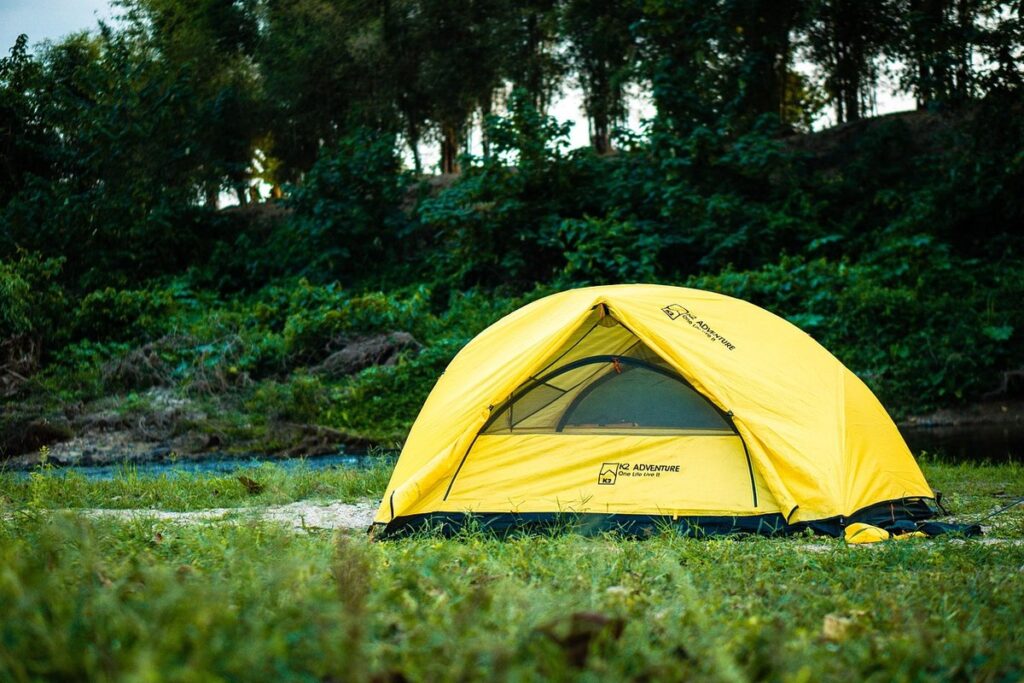
When selecting a campsite, consider its proximity to water sources, shade, and level terrain. Aim for a spot with minimal wind exposure and good drainage. If you’re camping near a lake or river, choose a site at least 200 feet away from the water’s edge to prevent erosion.
Next, set up your tent on a flat area, clear of any debris or rocks. Use a tarp or ground cloth to protect the floor from moisture and provide extra comfort. Arrange your sleeping area in a way that allows for easy access and minimizes disruptions during the night. Typically, position the sleeping area at least 10-15 feet away from the fire pit.
Building a fire pit is essential for cooking, warmth, and ambiance. Choose a spot with good airflow to prevent smoke accumulation. Construct the pit using rocks or by digging a shallow hole and lining it with metal or stone. For bad weather preparation, consider bringing a waterproof tarp or canopy to provide shelter. Additionally, ensure your tent has adequate ventilation to prevent moisture buildup during rain or snow.
Camping Activities for All Ages
Whether you’re a seasoned camper or bringing your little ones along, there are plenty of fun activities to enjoy under the stars, and we’ll cover some age-friendly favorites next.
Hiking and Exploring
When planning your hiking excursion near the campsite, it’s essential to choose trails that suit your group’s skill level and interests. Look for trails marked with difficulty levels, such as easy, moderate, or challenging, to ensure everyone stays safe and comfortable. Consider factors like distance, elevation gain, and terrain when selecting a trail.
Some campsites have designated hiking trails with scenic highlights, such as waterfalls, lakes, or mountain vistas. Research these trails in advance to make the most of your exploration time. For example, if you’re near a lake, consider taking a short hike to a nearby lookout point for panoramic views.
To navigate trails safely, always bring a map and compass (and know how to use them), as well as plenty of water, snacks, and sun protection. Pay attention to trail signs and markings, and stay on designated paths to avoid getting lost or damaging the environment. When exploring, take breaks to rest and recharge – it’s better to pace yourself than risk exhaustion. Consider taking a guidebook or joining a guided hike if you’re new to the area or unsure of the terrain.
Water Sports and Activities
Water sports and activities are an excellent way to cool off and have fun while camping. Swimming is a great option if you’re near a lake or ocean, but be sure to check for any swimming restrictions or warning signs. If you’re at a campsite with a lake or river, consider bringing a kayak or canoe to explore the water from a different perspective.
Fishing is another popular water sport that can be enjoyed while camping. Many campsites offer fishing licenses and gear rentals, so be sure to check with the site administrator before heading out. If you’re new to fishing, start by choosing a quiet spot with minimal distractions and practice casting your line in shallow waters.
Some essential safety tips for water sports include:
- Wearing a properly fitting life jacket while swimming or boating
- Being aware of your surroundings and watching for other swimmers, fishermen, or boat traffic
- Following all local regulations and guidelines for fishing and boating
- Bringing plenty of sunscreen and staying hydrated in the sun
- Knowing basic first aid techniques in case of an emergency
Stargazing and Nighttime Activities
When the sun dips below the horizon, the campsite transforms into a tranquil oasis. To make the most of this magical time, consider engaging in nighttime activities like stargazing, campfire storytelling, or wildlife watching. Identify constellations by downloading a free mobile app that provides detailed maps and information on celestial bodies.
To create a peaceful atmosphere around your campsite, start by building a comfortable seating arrangement near the fire pit. Bring out blankets, pillows, and warm beverages to snuggle up with. Encourage everyone to share stories or sing songs to foster camaraderie among family and friends. If you’re feeling adventurous, try wildlife watching by bringing along binoculars or using a smartphone app to identify nocturnal creatures.
For stargazing enthusiasts, find an area away from campsite lights and observe the night sky in silence. Bring out a star chart or use a mobile app to help you locate constellations like Orion or Cassiopeia. As your eyes adjust to the darkness, notice the subtle sounds of crickets, frogs, or owls providing a soothing background melody. By embracing the stillness and beauty of the night, you’ll create unforgettable memories with your loved ones.
Cooking and Preparing Meals While Camping
When venturing into the wilderness, a delicious meal can be just what you need to boost morale and energy. Let’s talk about how to cook and prepare tasty meals while camping safely and efficiently.
Campfire Cooking Essentials
When cooking over an open flame, you’ll need some essential equipment to get started. This includes a sturdy pot and pan set, a grill grate or camping grill, and a set of utensils like spatulas, tongs, and a long-handled fork. Don’t forget a Dutch oven for hearty stews and roasts.
For ingredients, plan ahead by packing non-perishable staples like rice, pasta, canned goods, and dried legumes. Fresh produce can be added to your menu once you’re at the campsite, but consider what’s available in season and can withstand transport without spoiling. Meat and seafood should be stored safely and cooked promptly.
Grilling over an open flame is a simple matter of oiling the grate and cooking for 3-5 minutes per side. For roasting, place your food in a Dutch oven or foil packet with some aromatics like onions and herbs. Boiling requires bringing water to a rolling boil, then reducing heat for gentle simmering.
Some basic techniques to keep in mind include letting meat rest before serving, using utensils with long handles to avoid burns, and keeping a bowl of cold water nearby to help cool down when needed. With these essentials and techniques under your belt, you’ll be well-equipped to whip up tasty meals over the campfire.
Meal Planning and Preparation
When planning meals for your camping trip, it’s essential to consider dietary restrictions and preferences. This may involve packing separate ingredients or having a backup plan for vegetarian or gluten-free options. A great way to ensure everyone has something they enjoy is to ask each person about their dietary needs in advance.
For healthy meal options that are easy to prepare while camping, focus on simple proteins like grilled chicken, fish, or beans. These can be paired with complex carbohydrates such as whole grains, fruits, and vegetables. Some examples of easy-to-prepare meals include one-pot dishes like lentil soup or chili, as well as omelets and stir-fries.
When meal planning, consider the ingredients you have on hand and what can be easily cooked over a campfire. You may also want to pack some pre-cut veggies or fruit to save time during preparation. A good rule of thumb is to aim for meals that can be ready in under 30 minutes, leaving more time for activities and relaxation.
Some essential items to include in your meal planning are:
- Non-perishable ingredients like canned goods and dried fruits
- Fresh produce like veggies and fruits that won’t spoil quickly
- Protein sources like eggs, beans, or pre-cooked meats
Food Safety and Storage
When camping, it’s essential to prioritize food safety to prevent spoilage and contamination. Perishable items like meat, dairy, and eggs require special care. Store them in a cooler with ice packs or cold gel packs to maintain a temperature below 40°F (4°C). If you don’t have access to a cooler, use insulated containers with frozen gel packs or even frozen water bottles to keep food chilled.
When handling perishable items, always wash your hands thoroughly before and after contact. Keep raw meat, poultry, and seafood separate from ready-to-eat foods to avoid cross-contamination. Use clean utensils and plates for each meal to prevent bacterial transfer.
Store food in airtight containers to prevent pests and other animals from accessing it. Keep the campsite clean, disposing of trash and leftovers properly. If you’re unsure about the safety of stored food, err on the side of caution and discard it to avoid foodborne illness. When preparing meals, cook foods to recommended internal temperatures: 165°F (74°C) for poultry, 145°F (63°C) for beef and pork, and 145°F (63°C) for fish.
Wildlife and Environmental Awareness
When camping, it’s essential to be mindful of your impact on the natural environment and respect the wildlife that inhabits these areas. This includes knowing how to minimize waste and preserve habitats.
Identifying Local Wildlife
When venturing into nature, observing local wildlife can be a thrilling experience. However, it’s essential to do so safely and responsibly. Start by researching the types of birds, mammals, and reptiles that inhabit the area you’re visiting. Familiarize yourself with their habitats, behaviors, and any specific regulations or guidelines for interacting with them.
Bring binoculars to observe wildlife from a distance without disturbing them. Move quietly and avoid sudden noises that might scare animals away. For birdwatching, consider investing in a field guide or downloading a bird identification app on your smartphone. These tools can help you identify species based on their plumage, beak shape, and other distinctive features.
When encountering mammals or reptiles, keep a safe distance to avoid stressing them out. Never approach or feed wildlife, as this can lead to dependence and alter their natural behavior. Be mindful of your surroundings and respect any warning signs or closures in the area. By observing wildlife responsibly, you’ll not only enhance your camping experience but also contribute to conservation efforts and preservation of these incredible creatures.
Reducing Your Campsite’s Eco-Footprint
When it comes to minimizing your campsite’s environmental impact, proper waste disposal is a crucial step. Pack out all trash and recyclables, and make sure to dispose of human waste properly by digging catholes at least 200 feet away from water sources and campsite. Also, keep your campsite clean by collecting food scraps and storing them in sealed containers to avoid attracting wildlife.
Conserving resources is another key aspect of reducing your eco-footprint. Bring reusable water containers and refill them at designated water stations instead of relying on single-use plastic bottles. Similarly, opt for biodegradable soap and dishwashing liquid that are gentle on the environment. When it comes to campfires, use fire starters or dry kindling instead of lighter fluid, which can contaminate soil and water.
Respecting natural habitats is also essential. Keep a safe distance from wildlife and avoid feeding them, as this can disrupt their natural behavior and lead to aggressive encounters. Also, be mindful of sensitive plant species and avoid trampling on vegetation. By following these simple tips, you can enjoy your camping experience while minimizing your impact on the environment.
Preparing for Emergencies
When venturing into the great outdoors, it’s essential to be prepared for emergencies that may arise. Forest fires can spread rapidly, while severe weather conditions like thunderstorms or flash floods can pose a significant threat. Wildlife encounters, such as bear attacks or snake bites, also require caution and knowledge.
To stay informed about local conditions, check with park rangers or visitor centers upon arrival at your campsite. They often provide up-to-date information on fire restrictions, weather forecasts, and potential wildlife activity in the area. You can also download mobile apps like Ranger or OnTheSnow to access critical alerts and safety advisories.
In case of an emergency, have a plan in place for evacuation routes and assembly points. Make sure you know how to contact local authorities and emergency services from your campsite. Keep essential items like first aid kits, fire extinguishers, and bear spray within easy reach. By being aware of potential hazards and taking proactive steps, you can minimize risks and enjoy a safe and enjoyable camping experience.
Some key items to include in your emergency kit are:
- A map of the area
- A whistle or other signaling device
- Extra batteries for flashlights and radios
- Water purification tablets or equipment
- Any medications or personal medical supplies
Safety Tips and Best Practices
When you’re out in nature, it’s easy to get caught up in the excitement of your camping trip. To ensure a safe and enjoyable experience, be aware of potential hazards like wildlife encounters and fire safety.
Personal Safety and Hygiene
When venturing into the great outdoors, personal safety and hygiene are crucial aspects to consider. Proper handwashing is essential to prevent the spread of illnesses like giardiasis and cryptosporidiosis, which can be caused by contaminated water sources.
To maintain good hygiene, wash your hands frequently with soap and warm water for at least 20 seconds. When using a portable sink or camping shower, make sure to properly rinse the area with clean water before use. It’s also vital to keep your living area clean and free of food debris to prevent attracting pests like rodents and raccoons.
Protect yourself from insect-borne illnesses by applying insect repellent that contains at least 20% DEET. Ticks are particularly prevalent in wooded areas, so be sure to check yourself thoroughly after spending time outdoors. To prevent accidents around the campsite, keep a safe distance between your cooking area and any flammable materials.
To minimize risks, follow these guidelines:
- Store food in sealed containers and keep them away from living quarters
- Dispose of waste properly, using bear-proof trash cans or storing it in sealed bags until you can dispose of it at the nearest recycling center
- Keep a first aid kit on hand that includes essentials like bandages, antiseptic wipes, and pain relievers
Fire Safety and Prevention
When building a campfire, it’s essential to create a safe environment for yourself and others. Start by choosing a flat, dry spot away from trees, tents, and other flammable objects. Clear the area of leaves, grass, and other combustible materials, and if you’re in a fire ring or pit, make sure it’s clean and free of debris.
To build a safe campfire, follow these steps:
- Use only small twigs and dry kindling to start your fire.
- Leave enough space between the fire and nearby objects for proper airflow.
- Keep a bucket of water or a fire extinguisher nearby in case the fire gets out of control.
Once your fire is burning steadily, manage flames by adjusting the size of your logs. Add larger logs to the center of the fire to maintain heat without increasing the flame’s height. Monitor wind conditions and adjust the size of your flames accordingly to prevent sparks from spreading.
When it’s time to extinguish your campfire, use the “drown, stir, and repeat” method:
- Drown the flames with water until they’re completely out.
- Stir the ashes to ensure everything is extinguished.
- Repeat the process if there are any remaining hotspots.
Emergency Preparedness Kits
When venturing into the great outdoors, it’s essential to be prepared for unexpected situations. A well-stocked emergency preparedness kit can make all the difference in keeping you and your loved ones safe. This kit should include basic first aid supplies such as bandages, antiseptic wipes, pain relievers, and any medications that may be necessary.
In addition to medical supplies, a flashlight or extra batteries for existing lights are crucial in case of a power outage. A communication device like a whistle or a two-way radio can help you signal for help if needed. It’s also a good idea to include a map, compass, and matches or a lighter to start a fire.
When packing your emergency kit, consider the specific needs of your group. For example, if you have young children, be sure to include any necessary medications or equipment. If you’re planning a long trip, pack extra supplies such as food, water, and warm clothing. Don’t forget to check your kit regularly to ensure that all items are still usable and not expired. A simple rule of thumb is to replace any supplies after 6-12 months to guarantee their effectiveness.
Frequently Asked Questions
Can I Bring My Pet on a Camping Trip?
Yes, many campsites allow pets, but it’s essential to check with the campsite beforehand and follow their pet policy. Also, ensure your pet is well-behaved, up-to-date on vaccinations, and has any necessary medication or documentation.
How Do I Prepare for Extreme Weather Conditions While Camping?
When camping in areas prone to extreme weather, research local forecasts and be prepared to adapt your plans accordingly. Bring gear suitable for the conditions, such as a portable tent, warm clothing, or rain gear. Familiarize yourself with emergency procedures, like finding shelter during severe storms.
Can I Cook Meat Over an Open Flame Without Risking Food Poisoning?
Yes, cooking meat over an open flame can be done safely if you follow proper food handling and preparation guidelines. Ensure your hands are clean before handling raw meat, and cook it to the recommended internal temperature to avoid undercooking or overcooking.
What If I Encounter Wildlife While Camping and It’s Aggressive Towards Me?
If wildlife becomes aggressive towards you while camping, stay calm and slowly back away from the area without running. Make loud noises to scare it off if possible, and seek shelter in a vehicle or a designated safe area. If the situation escalates, contact park rangers or local authorities for assistance.
Can I Use Portable Stoves as an Alternative to Campfires?
Yes, portable stoves are a great alternative to campfires, especially in areas with fire restrictions or when you want to minimize your environmental impact. Choose a stove that’s suitable for the terrain and weather conditions, and follow manufacturer guidelines for use and maintenance.

