
Fishing has been a crucial source of food and livelihood for coastal communities for centuries, but the growing demand for seafood has put immense pressure on marine ecosystems. The alarming rate of overfishing, bycatch, and habitat destruction threatens the very foundation of ocean health. Sustainable fishing methods and practices have become essential to conserve marine biodiversity, ensure fish populations remain healthy, and promote a resilient ocean ecosystem. You’ve probably heard about catch-and-release fishing as a way to reduce catch pressure, but what are its benefits? How can trawling alternatives help mitigate bycatch and habitat damage? Community-led conservation initiatives are also gaining momentum, empowering local communities to take charge of their marine resources. This article will explore these topics in-depth, providing you with practical knowledge on sustainable fishing methods that can help ensure a healthier ocean for future generations.
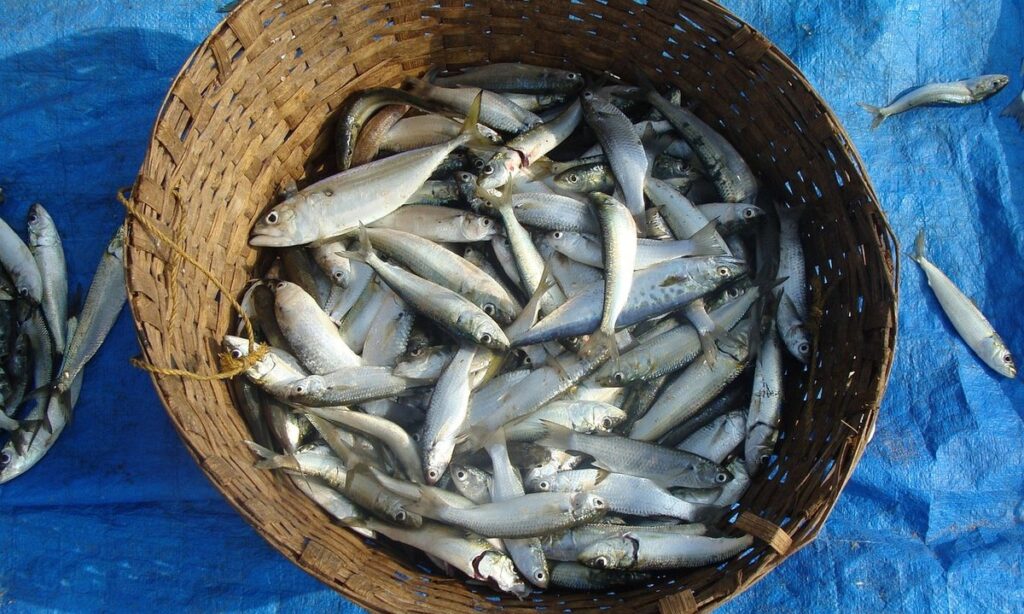
The Problem with Traditional Fishing Methods
Traditional fishing methods have been around for centuries, but they often come with devastating consequences for our oceans and marine life. Let’s take a closer look at why this is the case.
Overfishing and its Consequences
Overfishing is a critical consequence of traditional fishing methods. Depleted fish populations are a stark reality: nearly 30% of assessed fish stocks are overfished, and many more are maximally fished or depleted. This has far-reaching impacts on marine ecosystems. For instance, a study found that when cod populations declined by just 20%, the entire ecosystem suffered significant changes.
The consequences of overfishing extend beyond the affected species. A reduction in fish populations can lead to reduced biodiversity and altered food webs. In some areas, this has resulted in a shift from commercial fisheries to recreational fishing, often with limited catch limits and enforcement. The effects on marine habitats are equally concerning: coral reefs, seagrasses, and kelp forests – all crucial for coastal ecosystems – suffer when fish populations decline.
The overfishing of certain species can also have cascading impacts on the ecosystem as a whole. For example, a decrease in large predatory fish like sharks and tuna can allow smaller fish to overpopulate, degrading water quality and causing algae blooms. By understanding these connections, we can work towards restoring balance to our oceans through more sustainable fishing practices.
The Role of Bycatch and Discards
Bycatch and discards are two major issues plaguing traditional fishing methods. Bycatch refers to the catching of non-target species, which can range from small fish and invertebrates to larger marine mammals and even sharks. These bycatch species often get entangled in fishing gear or caught accidentally in nets, resulting in significant losses for both the fishers and the environment.
Discards are even more disturbing – they involve intentionally throwing back caught fish overboard, usually because they’re deemed too small or of poor quality to be sold at market. According to some estimates, as much as 20% of all catch is discarded at sea. This practice not only wastes a significant amount of food but also contributes to the already depleted ocean resources.
The effects of bycatch and discards on ocean biodiversity are severe. Non-target species often get injured or killed during the fishing process, while others may die from starvation or disease after being released back into the wild. The loss of these species can have a ripple effect throughout entire ecosystems, leading to further depletion of fish stocks and even changes in the marine food chain.
Fishers can take steps to reduce bycatch and discards, such as using more selective fishing gear and implementing catch limits. This not only helps conserve non-target species but also reduces waste and promotes more sustainable fishing practices.
Sustainable Fishing Methods and Practices
When it comes to sustainable fishing, adopting eco-friendly methods is crucial for maintaining a healthy ocean ecosystem. We’ll explore some effective practices that can make a big difference in your daily fishing routine.
Catch-and-Release Fishing
Catch-and-release fishing is a sustainable fishing method that reduces bycatch and promotes conservation. This technique involves catching fish, but releasing them unharmed back into the water instead of keeping them for food or other purposes. Bycatch refers to non-target species caught accidentally while trying to catch a specific one, often including endangered or vulnerable species.
To release fish unharmed, it’s essential to handle them carefully and quickly. This means avoiding excessive handling, which can cause stress and exhaustion. Fish should be released with their mouths facing upwards to prevent water from entering the gills, and their scales must not be damaged during removal of hooks or lures. For species with sensitive handling requirements, like sturgeon or sea turtles, specialized equipment and techniques are necessary.
A crucial aspect of catch-and-release fishing is choosing suitable fish for release. Species that are easy to handle and have a high survival rate after release should be targeted. Anglers can also adopt the “minimum size limit” approach, releasing smaller fish to allow them to grow and reproduce before being caught again. By applying these best practices, anglers can contribute significantly to reducing bycatch and promoting conservation in their fishing activities.
Trawling and Gillnets: Alternatives to Traditional Gear
Trawling and gillnets are two traditional fishing gear methods that have been criticized for their high bycatch rates and damage to the ocean floor. To address these issues, fishermen are turning to alternative gear designs that minimize bycatch and reduce harm to marine habitats.
One such alternative is the “turtle excluder device” (TED), which allows sea turtles to escape from trawl nets while keeping fish inside. These devices have been shown to significantly reduce turtle bycatch rates. Another innovation is the use of “square mesh panels,” which allow undersized fish to swim out of the net, reducing bycatch and protecting juvenile populations.
In gillnet fishing, alternatives include using “rope-and-chain” nets that are less damaging to marine habitats than traditional monofilament gillnets. Some fishermen are also experimenting with “passive gear” such as longlines and hand lines, which can be more selective and reduce bycatch rates.
When choosing alternative gear, it’s essential to consider the specific needs of your fishing operation and the local ecosystem. Consult with fisheries experts or organizations that specialize in sustainable fishing gear to find the best solution for your situation.
Aquaculture and Sustainable Seafood
Aquaculture, a vital part of modern seafood production, raises important questions about sustainability and environmental impact. We’ll explore the role of aquaculture in achieving sustainable seafood goals.
The Pros and Cons of Aquaculture
Aquaculture has become an increasingly important source of seafood worldwide. One benefit of aquaculture is its ability to increase food supply and reduce pressure on wild fish populations. For example, salmon farming in Norway helps meet the country’s domestic demand for this popular species, taking pressure off wild stocks. However, aquaculture also poses significant drawbacks.
Disease transmission between farmed and wild fish can occur when escaped farmed fish interbreed with their wild counterparts or introduce new pathogens to the wild population. For instance, escapees from salmon farms in Chile have been linked to outbreaks of disease among wild salmon. Moreover, aquaculture often leads to water pollution due to waste discharge from crowded cages.
To mitigate these risks, some farms are adopting more sustainable practices, such as using recirculating aquaculture systems (RAS) that minimize water usage and reduce waste output. Additionally, many countries have implemented regulations on aquaculture operations to prevent disease transmission and pollution. By understanding the pros and cons of aquaculture, consumers can make informed choices about their seafood purchases and support more responsible farming practices.
Certifications and Labels for Sustainable Seafood
When shopping for sustainable seafood, you’ll often come across certifications like ASC (Aquaculture Stewardship Council) and MSC (Marine Stewardship Council). These labels are designed to promote responsible fishing practices and ensure that the seafood you buy is sourced sustainably. The ASC certification focuses on aquaculture, verifying that farms meet high standards for environmental and social responsibility.
The MSC certification, on the other hand, evaluates wild-caught fisheries based on their ability to maintain healthy fish populations and minimize bycatch (non-target species caught accidentally). To earn an MSC label, a fishery must demonstrate a well-managed fishing operation with clear catch limits and monitoring in place. Look for these certifications when shopping at your local seafood market or choosing options at a restaurant.
Some key differences between ASC and MSC labels include the scope of their standards (aquaculture vs. wild-caught) and the focus on environmental and social responsibility. By choosing certified sustainable seafood, you’re supporting fisheries that prioritize long-term sustainability over short-term gains. Check for both ASC and MSC labels when selecting sustainable options to ensure that your choice aligns with your values.
Community-Led Conservation Initiatives
Community-led conservation initiatives are empowering local communities to take ownership of marine protected areas and sustainable fishing practices. Let’s take a closer look at some inspiring examples from around the world.
Local Fisheries Management
Local fishermen are at the forefront of sustainable fishing practices. Community-led initiatives empower them to participate in fisheries management decisions, ensuring that fishing activities align with environmental and social goals. This collaborative approach fosters a sense of ownership among local communities, encouraging responsible fishing practices.
Involving fishermen in decision-making processes helps identify specific management needs for their area. For instance, they can pinpoint overfished species or areas where bycatch is prevalent. By addressing these issues collectively, the community can develop targeted strategies to mitigate them.
Practical examples of community-led fisheries management include:
- Fishermen participating in marine protected area (MPA) planning and monitoring
- Establishing fishing cooperatives that enforce catch limits and gear restrictions
- Implementing traditional fishing practices that promote biodiversity
Effective local fisheries management requires ongoing communication between fishermen, scientists, and policymakers. Regular meetings and workshops facilitate knowledge sharing and encourage collaborative problem-solving. By working together, communities can create a stable and sustainable fishing environment that benefits both the ocean’s ecosystem and local livelihoods.
Marine Protected Areas
Marine Protected Areas serve as vital tools for safeguarding marine ecosystems and promoting biodiversity conservation. By establishing these protected areas, communities can conserve vulnerable species, maintain ecosystem balance, and ensure the long-term health of fisheries. MPAs can be designated as no-take zones, where all fishing activities are prohibited, or they can be managed with limited fishing gear or quotas.
Effective MPA management involves engaging local communities in decision-making processes and ensuring that conservation efforts align with their needs and interests. This approach fosters a sense of ownership and responsibility among community members, increasing the likelihood of successful conservation outcomes.
In practice, MPAs can take many forms, including marine reserves, national parks, or wildlife sanctuaries. Some notable examples include the Papahānaumokuākea Marine National Monument in Hawaii and the Galapagos Marine Reserve in Ecuador. These protected areas provide essential habitat for diverse species, such as sea turtles, coral reefs, and fish populations.
When establishing or supporting MPAs, consider factors like size, location, and management strategies to ensure their effectiveness. By prioritizing conservation within these designated areas, communities can safeguard marine ecosystems and promote sustainable fishing practices that support a healthier ocean.
Policy Changes and Industry Shifts
As we explore sustainable fishing practices, it’s essential to consider how policy changes and shifting industry trends are impacting ocean conservation efforts. Recent developments in regulations and technologies have far-reaching implications for the future of our oceans.
Government Regulations and Enforcement
Government regulations and enforcement play a crucial role in promoting sustainable fishing practices. The Magnuson-Stevens Fishery Conservation and Management Act, for example, is a key piece of legislation in the United States that sets catch limits and enforces habitat protection. Similarly, the European Union’s Common Fisheries Policy aims to rebuild fish stocks and reduce bycatch.
International agreements like the United Nations Food and Agriculture Organization (FAO) Code of Conduct for Responsible Fisheries provide a framework for countries to adopt sustainable fishing practices. The FAO also monitors compliance with these codes through regular assessments and recommendations.
To ensure effective enforcement, governments can establish robust monitoring and reporting systems. These might include vessel tracking, observer programs, or data logging requirements. In some cases, this data is made publicly available, allowing researchers and advocacy groups to track progress toward sustainable fishing goals.
Examples of successful government-led initiatives include the Marine Stewardship Council’s (MSC) certification program for sustainable seafood. This program recognizes fisheries that meet rigorous standards for sustainability, helping consumers make informed choices about the fish they eat.
Industry-Wide Initiatives and Certification Programs
Industry-wide initiatives and certification programs play a crucial role in promoting sustainable fishing practices. One notable example is the Marine Stewardship Council (MSC), an organization that sets standards for responsible fishing and certifies fisheries that meet these criteria. The MSC’s certification process involves regular audits to ensure compliance with guidelines such as minimizing bycatch, discarding non-target species, and protecting habitats.
To become certified, fisheries must demonstrate a commitment to sustainable practices, which can include implementing catch-and-release fishing methods or transitioning to more selective gear like hook-and-line fishing. This certification not only benefits the environment but also has economic advantages for fishermen who adopt sustainable practices.
Other industry-wide initiatives worth mentioning include the Aquaculture Stewardship Council (ASC) and the Best Aquaculture Practices (BAP). These programs promote responsible aquaculture practices, such as minimizing waste and protecting water quality. By supporting certified seafood products, consumers can play a vital role in driving demand for sustainable fishing and promoting healthier ocean ecosystems.
Consumers should look for certifications like MSC, ASC, or BAP when purchasing seafood to ensure they are contributing to more sustainable fishing practices.
Conclusion: Creating a Sustainable Future for Fishing
As we conclude our journey into sustainable fishing practices, let’s focus on what you can do to help create a healthier ocean that thrives for generations to come.
Key Takeaways and Recommendations
As you’ve learned about sustainable fishing methods and practices, community-led conservation initiatives, and policy changes, it’s time to distill the key takeaways into actionable recommendations.
Reducing bycatch and discards is crucial – adopt catch-and-release fishing whenever possible, and support fisheries that have implemented bycatch reduction measures. Be aware of certifications like MSC (Marine Stewardship Council) and ASC (Aquaculture Stewardship Council), which verify sustainable seafood practices.
When purchasing seafood, choose options with minimal environmental impact. Opt for species that are abundant in the wild, rather than those farmed or overfished. Consider local, seasonal catches to reduce transportation emissions and support local economies.
Support community-led conservation initiatives by participating in beach cleanups, spreading awareness about marine protected areas, and advocating for local fisheries management policies. These efforts contribute to a healthier ocean ecosystem.
For industry-wide change, demand policy reforms that prioritize sustainable fishing practices, enforcement of regulations, and certification programs. Encourage your favorite restaurants and seafood retailers to source sustainably.
To make sustainable choices in your daily life, consider the following:
- Buy from local fishermen or reputable retailers with transparent sourcing practices
- Choose species that are certified as sustainably caught or farmed
- Reduce food waste by planning meals and using up leftovers
- Support organizations working on marine conservation efforts
Frequently Asked Questions
Can I start implementing sustainable fishing practices in my local community without waiting for government regulations to change?
Yes, you can start promoting sustainable fishing practices immediately by educating your fellow fishermen and encouraging them to adopt catch-and-release fishing methods. You can also participate in community-led initiatives that involve local fishermen in fisheries management decisions.
What if some fish species are not covered by certifications like ASC or MSC – should I still choose seafood from those certified programs?
Yes, it’s still worth choosing seafood from certified programs even if the specific fish species is not included. These programs have rigorous standards for responsible fishing practices and sustainable seafood sourcing, which can help protect marine ecosystems.
How do I know whether a particular aquaculture facility is practicing sustainable aquaculture methods?
Look for facilities that are transparent about their practices, use recirculating aquaculture systems (RAS) to minimize waste and pollution, and have a clear plan for disease prevention and management. You can also check if the facility has any certifications or awards from reputable organizations.
Can I use both traditional fishing gear and sustainable alternatives at the same time – or do I need to switch completely?
It’s recommended to start by incorporating sustainable alternatives gradually into your existing fishing operations, rather than switching entirely. This will help minimize disruptions to your business while you adapt to new practices. Start by replacing traditional gear for specific species or fishing grounds where sustainability is most critical.

