
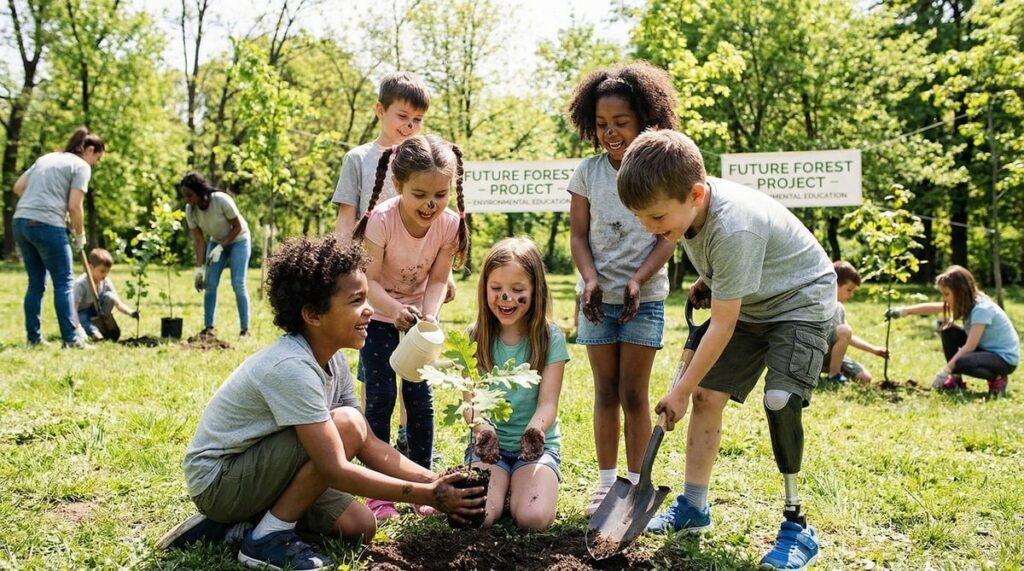
Raising eco-conscious children is one of the most valuable gifts we can give them, setting the stage for a lifetime of environmental responsibility. As parents, caregivers, and educators, it’s our job to teach kids about sustainability and instill in them a love for nature. But how do we get started? Many of us are unsure where to begin or feel overwhelmed by the complexity of teaching children about the environment. The good news is that sustainability activities don’t have to be complicated or time-consuming. In fact, simple outdoor games, crafts, and projects can be incredibly effective in promoting environmental awareness and encouraging kids to take action. This guide will provide you with a comprehensive collection of fun and engaging sustainability activities for kids, covering everything from nature scavenger hunts to eco-friendly art projects that will have them excited about making a difference. By the time you finish reading this article, you’ll be equipped to start teaching your child the value of sustainability.
Introduction to Sustainability
Let’s start by exploring what sustainability means and why it’s essential for our children to learn about it from a young age, laying the foundation for a greener future.
What is Sustainability?
Sustainability is a crucial concept that affects every aspect of our lives, and it’s essential to introduce kids to its significance early on. At its core, sustainability refers to meeting our present needs without compromising the ability of future generations to meet their own needs. This means considering the environmental, social, and economic implications of our actions.
In everyday life, sustainability manifests in various ways, such as reducing waste, conserving energy, and protecting natural resources. For kids, understanding sustainability can help them develop a sense of responsibility towards the planet and its inhabitants. By learning about sustainable practices, they can make informed choices that promote a healthier environment.
A simple yet effective way to introduce kids to sustainability is by practicing what we preach at home. This might involve turning off lights when not in use, reducing water consumption, or composting food waste. By modeling eco-friendly behaviors and engaging kids in discussions about sustainability, we can help them develop a strong foundation for making environmentally conscious decisions throughout their lives.
Ultimately, teaching kids about sustainability is about empowering them to become active stewards of the planet’s resources.
Benefits of Teaching Sustainability to Kids
Teaching sustainability to kids is essential for their future and the planet’s well-being. By introducing eco-friendly habits at a young age, children develop a lifelong appreciation for the environment and its resources. This foundation helps them make informed decisions about their daily actions, from reducing waste to conserving energy.
As kids grow up with sustainable values, they become more likely to adopt environmentally conscious behaviors in adulthood. Studies have shown that individuals who learn about sustainability during childhood are more likely to engage in eco-friendly practices later on. For instance, a child who participates in recycling programs at school is more likely to continue reducing waste as an adult.
Teaching sustainability also enhances children’s cognitive and social skills. By exploring environmental issues, kids develop critical thinking, problem-solving, and collaboration abilities. Moreover, they learn empathy for other living beings and the interconnectedness of ecosystems. This holistic understanding prepares them to tackle complex global challenges in a responsible and sustainable manner.
Outdoor Activities for a Greener Tomorrow
Get ready to inspire your little ones to explore and appreciate nature through fun outdoor activities that promote sustainability, from camping to environmental art projects. These hands-on experiences will spark a lifelong love of the outdoors.
Gardening 101: A Fun Family Activity
Starting a garden with kids can be a rewarding experience, teaching them valuable skills and promoting an appreciation for nature. When selecting plants to grow together, choose easy-to-grow varieties such as cherry tomatoes, herbs like basil or cilantro, and leafy greens like lettuce or spinach.
These plants are perfect for children because they require minimal maintenance and can thrive in containers, making them ideal for small spaces or indoor gardens. You can also involve your kids in the process of preparing the soil, planting seeds, and watering the garden, teaching them about the importance of nurturing living things.
Some fun gardening projects to try with your kids include building a DIY trellis using recycled materials, creating a self-watering planter, or even making a garden gnome from natural elements like rocks or sticks. These activities not only encourage creativity but also foster a sense of responsibility and pride in their handiwork. By working together on gardening projects, you can create lasting memories and instill a love for nature and sustainability in your children.
Nature Scavenger Hunts
To make a nature scavenger hunt engaging and effective, you need to plan it carefully. Start by identifying the age range of the children participating, as younger kids might enjoy simpler tasks while older ones can tackle more complex challenges. Set clear objectives for the scavenger hunt, such as encouraging observation skills or teaching about local flora and fauna.
You can create a list of items for kids to find in nature, like specific types of leaves, rocks, or birds. To make it more challenging, you can include items that require observation and identification, like different shapes of clouds or types of insects. Consider dividing the group into teams to promote teamwork and friendly competition.
Some examples of scavenger hunt items include: collecting a pinecone from an evergreen tree, finding a flower with five petals, or spotting a bird building its nest. Be sure to provide a clear list of rules and guidelines for kids to follow during the hunt. This will help them stay focused on the task at hand while minimizing disruptions to the environment.
When designing your scavenger hunt, consider the local ecosystem and avoid disrupting it in any way.
Outdoor Games for Sustainability Awareness
Outdoor games can be an engaging way to teach sustainability concepts to kids. Consider playing “Eco-System Scavenger Hunt” where children identify and categorize local plants and animals, illustrating the interconnectedness of ecosystems. “Trash Tag” is another game that encourages kids to pick up litter while trying to avoid being tagged themselves.
For older kids, you can organize a “Sustainable Community Challenge” where they work in teams to design and implement environmentally friendly solutions for their neighborhood or school. This could involve creating recycling programs, reducing energy consumption, or promoting public transportation.
When choosing outdoor games, it’s essential to consider the local environment and climate. For example, if you live near a beach, organize a “Beach Clean-Up” game where kids collect trash and learn about marine pollution. If you’re in a forested area, play “Nature Bingo” where kids identify different types of trees and plants.
To make these games even more effective, encourage kids to reflect on what they’ve learned and how it can be applied in their daily lives. Ask questions like: What did we learn today about reducing waste? How can we apply this knowledge at home or school? By combining fun with education, outdoor games can help kids develop a deeper understanding of sustainability principles.
Arts and Crafts for Sustainability
As a parent, you want your kids to develop a love for creating while also learning about sustainability, which is where arts and crafts come in, offering a fun way to reduce waste.
Through projects like upcycled jewelry making and recycled paper art, kids can express themselves creatively while developing eco-friendly habits that will last a lifetime.
Eco-Art Projects: Turning Trash into Treasure
Creating art pieces from recycled materials is a fun and engaging way to promote creativity while reducing waste. Start by collecting various types of trash, such as old cardboard tubes, plastic bottles, newspaper, and fabric scraps. Encourage kids to think outside the box and imagine what they can create using these materials.
A simple project is making a collage using old magazines and scissors. Cut out images and words that appeal to your child’s interests, then glue them onto a large piece of paper or cardboard. You can also add texture by incorporating fabric scraps, yarn, or even natural materials like leaves and twigs.
For more complex projects, try making sculptures from recycled plastic bottles. Clean and cut the bottles into different shapes and sizes, then let your child’s imagination run wild as they assemble their creation using glue, scissors, and other craft supplies. Another idea is to create a mobile using old CDs and wire hangers. Simply attach the CDs to the hanger using string or wire, and hang them in a window for a colorful display.
Sustainable Fashion Design with Kids
When it comes to sustainable fashion, kids can learn valuable lessons about reducing waste and reusing existing materials. One fun and engaging way to teach kids about eco-friendly fashion is through DIY projects and upcycling old clothes. You can start by collecting gently used clothing items from family members or thrift stores.
Transforming old t-shirts into reusable bags or turning an old pair of jeans into a unique skirt are great ways to get kids creative while reducing waste. To begin, gather a variety of materials like scissors, glue, fabric paint, and any other craft supplies you have on hand. Next, help your child brainstorm ideas for their project and provide guidance as needed.
Here are some simple steps to follow:
- Collect old clothes that can be repurposed
- Wash and clean the items before starting your project
- Let kids’ imaginations run wild with creative designs or patterns
- Use eco-friendly materials whenever possible, such as recycled fabric paint or natural dyes
By working together on these DIY projects, you’ll not only create unique and sustainable fashion pieces but also teach kids about the importance of reducing waste and reusing existing materials.
Environmental Storytelling Through Art
Using art as a medium to convey environmental messages is an effective way to promote sustainability and encourage kids to think creatively about eco-friendly practices. By incorporating storytelling into their artwork, children can develop a deeper understanding of the impact of human actions on the environment.
Consider this example: ask your child to create a painting or drawing that illustrates a local wildlife habitat. They might choose to depict a park near their home filled with trees, flowers, and birds. As they work on their project, guide them in thinking about the needs of these animals and how humans can help protect their habitats.
To take this activity further, have your child create a short story or poem that accompanies their artwork. This narrative can highlight specific environmental concerns, such as pollution, deforestation, or climate change. By using art to convey these messages, kids can develop empathy for the natural world and inspire others to join them in protecting it.
This approach not only fosters creativity but also promotes critical thinking about sustainability issues.
Indoor Activities for a Greener Home
Now that we’ve explored outdoor sustainability activities, let’s move indoors and discover fun ways to make your home more eco-friendly through creative projects and daily routines.
Zero-Waste Kitchen Hacks with Kids
Reducing food waste and implementing eco-friendly kitchen practices is an excellent way to teach kids about sustainability. One way to do this is by repurposing old jars for storing spices, oils, or condiments. This not only reduces waste but also encourages kids to think creatively.
Another idea is to make your own cleaning products using natural ingredients like baking soda and vinegar. Kids can help measure out the ingredients and mix them together in a spray bottle. Not only will this reduce your exposure to harsh chemicals, but it’s also a fun science experiment.
You can also involve your kids in meal planning and grocery shopping by letting them help with planning meals and making a grocery list. This encourages them to think about the environmental impact of their food choices and helps you avoid buying unnecessary items that may go to waste.
When cooking, teach your kids how to properly store leftovers and use up any remaining ingredients. For example, you can turn last night’s dinner into tomorrow’s lunch by packing it in a thermos or container.
DIY Cleaning Products: A Fun Family Project
Making natural cleaning products with household items is a fun and educational activity for kids. Start by gathering common ingredients like baking soda, white vinegar, lemon juice, and castile soap. You can use these to create all-purpose cleaners, glass cleaners, and even disinfectants.
To make an all-purpose cleaner, mix 1 cup of water with 2 tablespoons of castile soap and 10 drops of lemon essential oil in a spray bottle. Shake well before each use. This solution is gentle on surfaces and the environment. For tougher messes, try adding 1 tablespoon of baking soda to the mixture.
You can also make a glass cleaner by mixing 1 cup of water with 1/2 cup of white vinegar and 10 drops of lemon essential oil in a spray bottle. Spray and wipe clean for streak-free surfaces. Remember to label and store your homemade cleaning solutions safely out of reach of children.
When making these natural cleaners, be sure to discuss the importance of chemical-free living and the impact of harsh chemicals on our environment with your kids. Encourage them to help you create a list of ingredients and mixing ratios, promoting hands-on learning and responsibility.
Energy-Efficient Home Improvements with Kids
Involving kids in energy-efficient home improvements can be a great way to teach them about sustainability and encourage environmentally friendly habits. Start by explaining the concept of energy efficiency to your child, using simple examples like turning off lights when not in use or adjusting thermostat settings. Next, involve them in the process of researching and choosing cost-effective, eco-friendly solutions for your home.
Some ideas include installing low-flow showerheads, switching to LED light bulbs, or adding insulation to windows. For a more hands-on approach, consider DIY projects like making curtains with thermal linings or creating draft stoppers using old clothes. Make sure to involve your child in the decision-making process and let them take ownership of the project.
When it comes to implementing changes, be sure to explain the reasoning behind each improvement and how it will benefit the environment. This can help kids develop a sense of responsibility and agency in making sustainable choices. For example, you could create a chart or graph to track energy consumption before and after implementing new measures.
Community Involvement and Education
Helping kids develop a sense of responsibility towards their community is just as important as teaching them about environmental conservation. This section shares creative ways to get your child involved in local initiatives and educational programs.
Local Environmental Organizations for Kids
Local environmental organizations often offer programs and activities specifically designed for children. These initiatives not only educate kids about sustainability but also provide hands-on experiences that foster a deeper connection with nature. To find such organizations in your area, start by searching online using keywords like “environmental education for kids” or “sustainability programs near me.” You can also check local websites, social media groups, and community newsletters for information on upcoming events and activities.
Some examples of organizations that offer environmental programs for children include the Nature Conservancy’s Youth Leadership Program, the Sierra Club’s Eco-Adventures, and the Audubon Society’s Green Hour. These organizations often provide a range of activities, from nature walks and bird-watching excursions to hands-on projects like habitat restoration and conservation efforts.
When selecting an organization for your child, consider factors such as age range, program format (e.g., in-person or online), and focus areas (e.g., wildlife conservation or sustainable living). You can also reach out directly to organizations to ask about their programs, volunteer opportunities, and any requirements or recommendations for participants.
Participating in Community Clean-Ups
Participating in community clean-up events with kids is a great way to teach them about environmental responsibility and the importance of taking care of their community. Before heading out, it’s essential to involve your child in planning and organizing the event. Ask them what they’d like to do, how they want to contribute, and what kind of impact they hope to make.
This will help ensure that they’re invested in the process and motivated to participate actively. You can also use this opportunity to teach your child about different types of waste, such as recyclables, compostables, and hazardous materials, and show them how to properly dispose of each type.
When participating in a community clean-up event, encourage your child to get hands-on and take ownership of their actions. Assign them tasks that fit their age and ability, such as picking up trash or helping to sort recyclables. By doing so, you’ll not only be teaching them about sustainability but also fostering a sense of responsibility and civic engagement.
Some community clean-up events may offer special activities for kids, like making signs or creating art from recycled materials. Take advantage of these opportunities to make the experience more engaging and fun for your child.
Environmental Education Resources for Teachers and Parents
When teaching sustainability concepts to kids, it’s essential to have access to reliable and engaging educational resources. Here are some top recommendations for books, apps, and websites that can help:
For younger learners (ages 4-8), “The Lorax” by Dr. Seuss is a great starting point for discussing environmentalism and conservation. For older kids (ages 9-12), books like “Cradle to Cradle: Remaking the Way We Make Things” and “The Uninhabitable Earth: Life After Warming” offer more in-depth explorations of sustainability.
Some popular educational apps include National Geographic Kids, which offers interactive games and quizzes on environmental topics. Another great resource is Eeko, an app that teaches kids about sustainability through puzzles, quizzes, and videos.
Websites like the Environmental Protection Agency’s (EPA) website for kids (epa.gov/kids) provide a wealth of information on various environmental topics. The National Wildlife Federation’s Kids’ Zone (nwf.org/Kids-Zone) also offers games, activities, and educational resources focused on wildlife conservation and sustainability.
These resources can be incorporated into lesson plans or used as standalone teaching tools to help kids develop essential sustainability skills.
Encouraging Sustainability Habits at Home
At home, creating a nurturing environment that promotes sustainable habits is crucial for kids to develop eco-friendly practices. By setting a good example and making small changes together, you can encourage your child’s commitment to sustainability.
Setting Sustainable Goals as a Family
Setting sustainable goals as a family can be a fun and rewarding experience for kids. It’s essential to start by making goals specific, measurable, achievable, relevant, and time-bound (SMART). For example, instead of saying “we want to reduce our carbon footprint,” say “we will reduce our energy consumption by 10% in the next three months.” This clarity helps create a sense of accountability.
To set SMART goals together as a family, consider creating a vision board or brainstorming session. Ask each family member to contribute their ideas and suggestions for reducing waste, conserving energy, or using public transport. Make sure to involve kids in the decision-making process, allowing them to take ownership of their goals.
Breaking down larger goals into smaller, manageable tasks is also crucial. For instance, if your goal is to reduce plastic use, start by replacing single-use bags with reusable ones and gradually phase out plastic water bottles. By setting achievable goals together, you’ll create a sense of unity and shared responsibility for creating a more sustainable household.
Creating a Sustainable Morning Routine
Creating a sustainable morning routine with kids is an excellent way to instill eco-friendly habits from a young age. One simple yet effective idea is to reduce waste during breakfast by using reusable cloth napkins, beeswax wraps, or stainless steel containers instead of disposable paper products and plastic wrap.
To conserve water, teach your child to turn off the tap while brushing teeth and to use a cup for drinking water instead of leaving it running. You can also involve them in simple tasks like measuring out food portions using a digital scale to avoid excess packaging.
Another habit to adopt is making their own breakfast using locally sourced ingredients. Not only does this reduce carbon footprint, but it’s also an excellent way to teach kids about nutrition and meal planning. Consider involving your child in menu planning and grocery shopping to make them feel more invested in the process.
Some additional tips include turning off lights and electronics during morning routines to save energy, using eco-friendly cleaning products for surfaces and floors, and taking a few minutes each day to discuss what they’re grateful for – this can help foster an appreciation for nature and the environment.
Making Sustainable Choices in Daily Life
When it comes to making sustainable choices in daily life, small actions can add up to make a big impact. One way to start is by incorporating public transportation into your family’s routine. Not only does this reduce air pollution and carbon emissions, but it also saves on fuel costs and parking fees. You can begin by mapping out your local bus routes or exploring carpooling options with friends and neighbors.
Another simple choice is buying locally sourced products, such as fresh produce from a nearby farmer’s market or artisanal goods from local shops. This supports the local economy and reduces transportation-related emissions associated with importing goods. Consider shopping at stores that prioritize sustainability and transparency in their supply chain practices.
When shopping for groceries, choose products with minimal packaging or those sold in bulk to reduce waste. You can also repurpose old containers or bags instead of relying on single-use plastics. These everyday habits may seem minor, but collectively they contribute to a more environmentally conscious lifestyle. By incorporating these choices into your daily routine, you model sustainable behavior for your children and create opportunities for meaningful conversations about eco-friendly practices.
Frequently Asked Questions
Can I start with just one or two sustainability activities for my child and gradually increase the number as they become more engaged?
Yes, it’s perfectly fine to begin with a small commitment, such as setting aside an hour each week for gardening or doing a simple craft project. As your child becomes more enthusiastic and involved, you can gradually add more activities and make them more challenging.
How do I handle situations where my child doesn’t want to participate in sustainability activities, especially if they’re not interested in the environmental benefits?
Don’t force it! Instead, try to involve them in the decision-making process by asking what type of activity they’d like to do. This can help them feel more invested and excited about contributing to a sustainable lifestyle.
What’s the best way to balance teaching sustainability habits with other responsibilities, such as homework or extracurricular activities?
Prioritize and schedule sustainability activities around your child’s existing commitments. Start small and make it fun – aim for short, achievable sessions that fit into their daily routine, like doing a quick nature walk during recess.
What if I’m not sure about the suitability of certain materials or products for our DIY projects? How can I ensure they’re safe and eco-friendly?
Research and choose reputable sources for materials and products. Look for certifications like non-toxic, biodegradable, or sustainable forestry labels. If in doubt, err on the side of caution and substitute with a more environmentally friendly option.
Can sustainability activities be adapted for children with special needs or physical limitations? Are there any resources available to support inclusive practices?
Yes! Many organizations offer adaptive programs and materials that cater to diverse abilities. Look into local disability advocacy groups, consult online forums, or reach out to experts in the field for guidance on creating inclusive environments and adapting activities to meet individual needs.

