
Do you often feel overwhelmed by clutter, but tackling it head-on only seems to add to your stress levels? You’re not alone. Soft decluttering is an approach that’s gaining popularity because it acknowledges that getting rid of physical clutter can be a daunting task, especially for those who struggle with anxiety or perfectionism. By focusing on the emotional and psychological aspects of clutter, soft decluttering aims to create a peaceful living environment without the need for drastic changes. In this beginner’s guide, we’ll explore expert strategies for reducing stress and anxiety through soft decluttering, improving mental health, and cultivating a more mindful approach to everyday life. By the end of this article, you’ll have a clear understanding of how to apply soft decluttering principles in your own home and develop habits that promote relaxation and well-being.
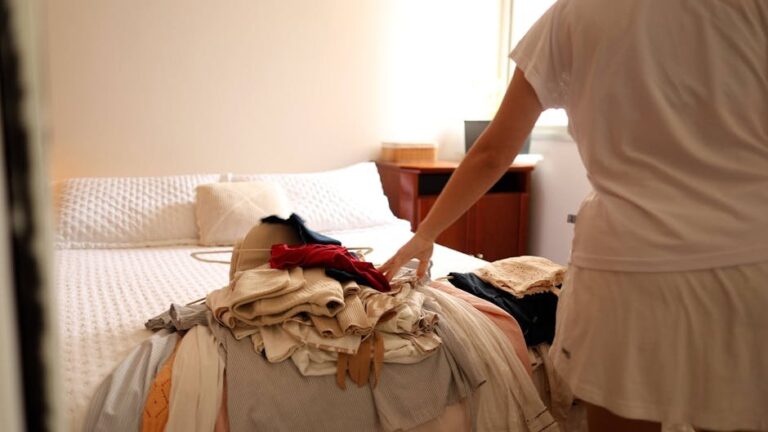
Understanding Soft Decluttering: A Beginner’s Guide
Soft decluttering is a gentle approach that allows you to slowly let go of unwanted items while still keeping memories and emotions attached. Let’s break down what this subtle method entails in practical terms.
What is Soft Decluttering?
Soft decluttering is a gentler, more compassionate approach to managing clutter. It acknowledges that items hold emotional value and that discarding them can be painful. Unlike traditional decluttering methods, which often focus on eliminating as much as possible, soft decluttering encourages you to honor your attachment to certain possessions.
This approach involves slowing down the decluttering process and being more mindful of why you’re getting rid of something. You might ask yourself questions like “What memories are tied to this item?” or “Would I miss it if it were gone?” This introspection helps you develop a deeper understanding of your relationship with each object.
Soft decluttering also emphasizes finding new homes for items rather than simply discarding them. This could mean repurposing, upcycling, or donating items instead of throwing them away. By adopting this mindset, you can create a more sustainable and compassionate approach to managing clutter that prioritizes the emotional well-being of both yourself and your belongings.
The Benefits of Soft Decluttering for Mental Health
Reduced stress and anxiety levels are just a few of the many mental health benefits associated with soft decluttering. When we surround ourselves with clutter, it can create a sense of overwhelm and visual chaos that’s hard to ignore. By introducing gentle decluttering practices into our daily routines, we can begin to shift this energy and cultivate a more peaceful environment.
One key advantage of soft decluttering is its ability to reduce decision fatigue. When faced with too many choices or options, our brains become exhausted, leading to feelings of anxiety and stress. Soft decluttering encourages us to simplify and streamline our surroundings, making it easier to focus on what’s truly important. By paring down our belongings to only the most essential items, we can create space for clarity and calmness.
A simple exercise to try is to set aside a few minutes each day to sort through cluttered areas, not with the intention of purging everything at once but rather to acknowledge the weight it’s carrying. You might be surprised by how just that small act of recognition can help you feel more centered and focused. As you continue on your soft decluttering journey, keep in mind that mental clarity and reduced stress are among the most valuable rewards – ones that extend far beyond a tidy room.
Common Misconceptions About Soft Decluttering
Soft decluttering is often misunderstood as a gentle or easy approach to tidying up, implying that it’s less effective than traditional decluttering methods. However, this misconception couldn’t be further from the truth. In reality, soft decluttering requires a thoughtful and intentional mindset, rather than a lack of effort.
One common misconception is that soft decluttering involves getting rid of nothing at all – that it’s an excuse to keep everything just because “it might come in handy someday.” However, this couldn’t be further from the truth. Soft decluttering involves letting go of items that are no longer serving you, but doing so in a way that respects your emotional attachment and doesn’t leave you feeling overwhelmed.
In practice, soft decluttering often means taking small steps towards creating space and simplicity – maybe starting with one area or category of item at a time. It’s about building momentum and developing habits, rather than trying to tackle everything at once. By adopting this approach, you can create a more peaceful living environment without sacrificing your values or sense of identity.
Preparing for a Soft Decluttering Journey
Soft decluttering requires a gentle and gradual approach, so let’s start by creating a safe space to work through your belongings without feeling overwhelmed. We’ll explore practical steps to set you up for success.
Assessing Your Current Living Situation
Take stock of your current living space. Walk through each room, observing the layout, furniture arrangement, and contents on shelves and surfaces. Note which areas feel cluttered, disorganized, or stagnant. Ask yourself: where do you tend to spend most of your time? What activities make you feel most relaxed or stressed in this environment?
Identify specific areas that require attention, such as a cluttered closet, messy kitchen countertops, or overflowing bookshelves. Consider the emotional significance attached to these spaces and items within them. Be honest about why certain possessions remain despite their lack of use or function.
Set realistic goals for improvement by prioritizing changes based on importance and feasibility. For example, focus on clearing one cluttered area at a time, starting with high-traffic zones or those that impact daily routines. Allocate specific timeslots for decluttering sessions to maintain momentum and avoid burnout.
Gathering Essential Tools and Resources
Soft decluttering involves more than just getting rid of clutter; it’s also about creating a space that feels calm and organized. To achieve this, you’ll need some essential tools and resources.
Start with storage solutions that promote flexibility. Look for containers or bins with removable lids, allowing you to easily access the contents without having to remove everything first. Consider baskets with dividers for separating items like toys or craft supplies. You can also repurpose old furniture by adding casters or wheels, making it easier to move things around as needed.
Cleaning products are another essential resource. Opt for eco-friendly options that are gentle on surfaces and the environment. Some popular choices include microfiber cloths, which pick up dust and dirt with ease, and plant-based cleaners that leave a refreshing scent.
Organizational systems can also help you stay on track. Try implementing a “one in, one out” policy to prevent clutter from building up again. Consider using a planner or app to keep track of your schedule and reminders, keeping your space clutter-free and organized.
Decluttering Strategies: From Simple to Advanced
As you continue on your soft decluttering journey, let’s explore practical strategies for creating a more peaceful living space, from easy-to-implement ideas to more involved techniques.
The “One Touch” Rule in Soft Decluttering
When applying the “one touch” rule in soft decluttering, you handle each item only once before deciding where it will go. This approach can significantly reduce the time spent on decluttering and minimize decision fatigue. For instance, when cleaning out a closet, instead of placing items temporarily into a box labeled “donations” or “storage,” immediately sort them into categories like keep, donate, sell, or discard.
This simple yet effective strategy helps you avoid procrastination by not leaving piles to tackle later. You make decisions about each item on the spot, which also reduces the likelihood that items will get lost in transit or misplaced when transferred from one storage area to another. As a result, you’re more likely to maintain your newly decluttered space over time and avoid future clutter buildup. In practice, implementing the “one touch” rule requires discipline and mindfulness, but it can become second nature with consistent application. By adopting this habit, you’ll streamline your decluttering process and make the most of your time.
Using the “4-Box Method” for Sorting and Decluttering
The 4-box method is a versatile approach to sorting and decluttering that can be tailored to suit individual needs. This structured method involves setting up four boxes or containers labeled “Keep,” “Donate/Sell,” “Recycle,” and “Toss.” Begin by gathering all items from a specific area, such as a closet or drawer, and placing them into the boxes.
When sorting, consider each item’s purpose, frequency of use, and sentimental value. Be honest with yourself about whether an item truly brings you joy or serves a practical function. For example, if you have multiple pairs of shoes that are similar in style but different in condition, place the worn-out pair in the “Toss” box and donate the better ones to charity.
This method is particularly useful for tackling cluttered areas where decision-making can be overwhelming. By breaking down the task into distinct categories, you’ll make it easier to decide what stays and what goes. Remember that soft decluttering is not about perfection; it’s about creating a more peaceful living space by gradually letting go of unnecessary items.
Soft Decluttering for Specific Areas of Your Home
For a clutter-free home, let’s start with the most-used spaces: kitchens, bathrooms, and entryways. These areas require tailored soft decluttering strategies to maintain functionality and style.
Decluttering Bedrooms: Strategies for a Peaceful Sleep Environment
In the bedroom, clutter can quietly undermine our ability to relax and recharge. To create a peaceful sleep environment through soft decluttering, start by addressing the closet. Consider using a double rod to double your hanging space, allowing you to keep frequently worn items front and center while storing out-of-season clothes behind. Alternatively, install shelves or drawers for folded items like sweaters and blankets.
Next, turn attention to reducing clutter on bedside tables and dressers. Remove any unnecessary items, such as broken jewelry or expired books, and store sentimental objects in a designated memory box. Keep only what brings you comfort or serves a practical purpose, like a reading light or a favorite book.
Finally, prioritize simplicity in your bedroom’s overall design. Choose a calming color palette for walls and furniture, and consider using sheer curtains to filter natural light. By streamlining your belongings and creating a soothing atmosphere, you can establish a restful sleep environment that fosters deep relaxation and rejuvenation.
Kitchen Decluttering: Tackling the Most Cluttered Room in the House
Kitchen decluttering can be a daunting task due to the sheer number of items typically stored in this room. Cookbooks alone can take up significant space, with some households accumulating hundreds of volumes over the years. One solution is to install a cookbook carousel or a rotating bookstand that allows for easy access and visibility without covering too much surface area.
Utensil organization also poses a challenge, particularly if you have limited drawer space. Magnetic strips on the side of a cabinet or fridge can be an effective way to keep frequently used items within reach. For less essential tools, consider storing them in a designated container or on a high shelf, making it clear what’s kept there for future reference.
Appliances and small gadgets also contribute to kitchen clutter. Regularly evaluate your collection and remove any redundant or broken devices. Install dividers or baskets to store small items like spices, oils, or coffee pods, keeping them organized and within easy sight.
Soft Decluttering for Long-Term Success
For long-term success, soft decluttering focuses on creating habits that maintain order and calm, rather than a one-time purge of clutter. This approach requires patience and self-compassion to develop.
Creating Maintenance Routines for Long-Term Decluttering Success
To maintain a clutter-free environment over time, creating effective maintenance routines is crucial. This involves scheduling regular decluttering sessions to prevent accumulation of items. Set aside dedicated time each week, ideally 30 minutes to an hour, for tidying up. Allocate this time on the same day and at the same hour every week.
Some consider dedicating one morning a month to deeper cleaning and organizing tasks. This can be a more intensive session where you tackle areas that need extra attention or sort through storage containers. For instance, if you’re moving towards a paperless lifestyle, use this time to digitize documents and file them away.
Another aspect of maintenance routines is implementing habits like putting things back in their designated place after use. This habit can be developed by making it part of your daily routine, such as immediately putting away dishes after meals or hanging up coats the moment you enter your home. Remember, the key to successful soft decluttering lies not only in the initial organization but also in consistent effort and dedication over time.
Overcoming Challenges and Staying Motivated on Your Decluttering Journey
Decluttering can be a daunting task, especially when it comes to sentimental items. One common challenge is deciding what to keep and what to let go of, particularly if an item holds emotional value. Start by acknowledging the attachment you have to the item, rather than fighting against it. Ask yourself if keeping it will truly bring you joy or serve a practical purpose.
It’s also essential to be kind to yourself throughout the process. Remember that soft decluttering is not about perfection; it’s about creating space for what truly matters. Set realistic goals and celebrate small victories along the way. For instance, clear one cluttered area each day, no matter how tiny. This will help you build momentum and confidence.
When faced with a particularly tough decision, try to view it as an opportunity to let go of emotional weight rather than physical clutter. Consider enlisting the help of a trusted friend or family member to provide support and new perspectives. By reframing your approach and cultivating self-compassion, you’ll be better equipped to overcome common challenges and stay motivated throughout the soft decluttering process.
Frequently Asked Questions
Can I apply soft decluttering principles to large-scale projects like renovating or downsizing my home?
Yes. Soft decluttering can be adapted for larger scale projects by breaking them down into smaller, manageable tasks and focusing on one area at a time. This approach helps maintain momentum while still prioritizing mental health benefits.
How do I handle sentimental items that are difficult to part with when using the 4-box method?
When handling sentimental items, it’s essential to acknowledge their emotional value before making a decision. Use the 4-box method as a guide, but also consider setting aside specific time for reflecting on these items and creating a separate storage system for them if needed.
What if I’m living with family members or roommates who aren’t interested in soft decluttering? How can I encourage them to join me?
Encourage open communication about your goals and the benefits you’ve experienced from soft decluttering. Focus on how it can improve your shared living space and overall well-being, suggesting they try it alongside you for a more positive experience.
Can soft decluttering be applied to digital spaces like computers, phones, or social media accounts?
Yes, soft decluttering principles can extend beyond physical spaces to digital ones as well. Organizing your computer files, managing digital clutter, and setting boundaries with social media can all contribute to reduced stress and improved mental health.
Is it necessary to get rid of items that are still in good condition but no longer needed or useful? Can’t I just store them somewhere?
While the intention behind soft decluttering is to let go of items, storing things “just in case” can create a new form of clutter. Instead, consider adopting a ‘one in, one out’ policy and regularly reviewing stored items for whether they still serve a purpose or bring joy.

