You’re probably familiar with the feeling of being overwhelmed by clutter, obligations, and distractions. Simple living and high thinking are not just buzzwords; they represent a conscious choice to prioritize what truly matters in your life. By embracing simplicity, you can break free from the cycle of consumption and focus on inner growth, self-awareness, and personal development. However, this isn’t about adopting an extreme ascetic lifestyle or suppressing your thoughts and emotions. Rather, it’s about creating space for deeper connections with yourself and others. In this guide, we’ll explore practical tips for decluttering your physical and mental spaces, mindfulness practices to cultivate presence, and self-care strategies to nurture your well-being. By the end of this article, you’ll have a clear understanding of how simple living high thinking can transform your life.
Embracing Minimalism and Mindfulness
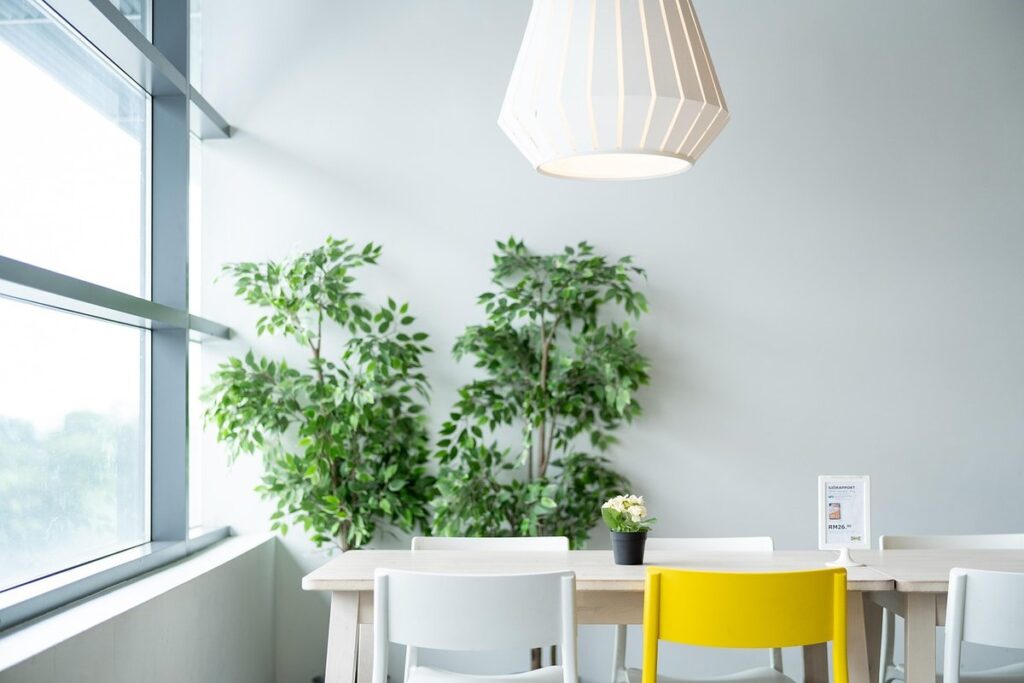
As you begin to simplify your life, embracing minimalism and mindfulness can help you cultivate a greater sense of calm and clarity in your daily routine. By letting go of excess, you’ll find space for what truly matters.
Understanding the Importance of Simple Living
Reducing stress is one of the most immediate benefits of embracing simple living. When we surround ourselves with clutter and distractions, it’s easy to feel overwhelmed by the demands of daily life. In contrast, a simpler environment allows us to focus on what’s truly important. By paring down our belongings and commitments, we can free up mental energy for more meaningful pursuits.
A simplified lifestyle also boosts productivity. When you’re not bogged down by clutter and unnecessary tasks, you have more time and resources to devote to creative endeavors, learning new skills, or pursuing hobbies that bring joy. For example, a writer might save hours each week by eliminating distractions in their workspace and streamlining their writing process.
Perhaps most importantly, simple living helps us connect with what truly matters. By stripping away non-essential activities and possessions, we’re forced to confront our values and priorities. What do I stand for? What do I want to achieve? In this way, simple living becomes a catalyst for personal growth and self-awareness.
Letting Go of Clutter and Consumerism
Consumerism’s insidious influence can lead to a cluttered living space and a cluttered mind. When we’re constantly bombarded with advertisements and social media feeds showcasing the latest products and trends, it’s easy to get caught up in the cycle of consumption. But this relentless pursuit of more often results in feelings of emptiness and dissatisfaction.
To break free from consumerism’s grip, start by reassessing your relationship with material possessions. Begin with a small area, like your closet or kitchen counter, and sort items into three categories: keep, donate/sell, and discard. Be ruthless – if you haven’t used something in the past year, it’s likely safe to let it go.
Consider the 80/20 rule, where 80% of the time, you likely use only 20% of your belongings. Apply this principle to your possessions, and be intentional about what you bring into your life. For example, instead of buying a new outfit, try hosting a clothing swap with friends or family members. This not only reduces waste but also fosters connection and community. By letting go of clutter and embracing simplicity, you’ll create space for more meaningful experiences and relationships to flourish.
Cultivating Mindfulness in Daily Life
Incorporating mindfulness into daily life is simpler than you think. Start by setting aside just five minutes each morning for a meditation practice. You can use a guided app like Headspace or Calm, or simply focus on your breath. The key is to quiet the mind and tune into the present moment.
To cultivate mindfulness in daily activities, try incorporating deep breathing exercises. For example, take three slow breaths before meals to appreciate the simple pleasure of eating. You can also practice mindful walking by paying attention to the sensation of your feet touching the ground with each step.
Another way to bring mindfulness into your routine is through physical activity. Try taking a yoga class or going for a walk outside without distraction. Pay attention to the sensations in your body and the surroundings. By doing so, you’ll find that even mundane tasks become more enjoyable and fulfilling. With consistent practice, you’ll develop greater awareness and appreciation for the simple things in life.
The Connection Between Simple Living and High Thinking
Embracing simplicity can actually have a profound impact on our mental clarity, allowing us to think more critically and creatively about life’s bigger questions. This connection is what we’ll explore in greater depth below.
Rethinking Priorities and Values
When evaluating our priorities and values, it’s common to discover areas where material possessions are taking center stage. We may find ourselves fixated on acquiring the latest gadgets, upgrading our wardrobe, or renovating our living space. While these pursuits might bring fleeting satisfaction, they often come at the expense of more meaningful aspects of our lives.
Consider your daily routine: how much time and energy do you dedicate to consuming products and services versus cultivating personal growth and well-being? Ask yourself if your priorities align with what truly matters to you. For instance, are you spending more hours browsing social media than practicing mindfulness or learning a new skill?
A helpful exercise is to create a “value map.” Write down the things that bring you joy, fulfillment, and a sense of purpose. Next to each item, note how much time and money you’re willing to invest in it. This visual representation can help you identify areas where your actions don’t match your values. By reexamining our priorities and making intentional changes, we can redirect our focus toward what truly enriches our lives.
Embracing a Growth Mindset
Embracing a growth mindset is essential for simple living and high thinking. This means adopting an attitude of continuous learning, self-improvement, and embracing challenges as opportunities for growth. When you cultivate a growth mindset, you open yourself up to new experiences, perspectives, and knowledge.
Practically, this can manifest in various ways. For instance, instead of avoiding tasks that are outside your comfort zone, you see them as chances to learn and develop new skills. You might take online courses or attend workshops on topics that interest you, such as sustainable living or personal finance. By doing so, you not only enhance your skills but also expand your perspectives, making you a more well-rounded individual.
Embracing challenges also allows you to view failures as stepping stones rather than setbacks. This mindset shift is crucial for high thinking, as it enables you to take calculated risks and push beyond your perceived limits. In simple living, adopting this approach means being willing to question existing habits and explore new ways of doing things – whether that’s trying a new recipe or experimenting with minimalist decorating.
Creating Space for Reflection and Introspection
To truly live a simple life, it’s essential to create time and space for quiet reflection, where you can tune into your thoughts and emotions. This allows you to reevaluate priorities and align your actions with your values.
Establishing a Regular Journaling Practice
A journaling practice can be a powerful tool for reflection and introspection, allowing you to tap into your thoughts and emotions without judgment. To establish a regular journaling habit, start by setting aside a dedicated time and space each day. This could be first thing in the morning or before bed – whatever works best for your schedule.
Begin by writing down your intentions for the day or week ahead. What do you hope to accomplish? What goals are you working towards? This helps clarify your priorities and gives you direction. When reflecting on your progress, ask yourself questions like: What worked well today? What didn’t? What can I improve on tomorrow?
Consider keeping a separate section in your journal for goal-setting and reflection. Break down larger objectives into smaller, actionable steps. Celebrate your successes – no matter how small they may seem – to build momentum. For example, if you’re trying to reduce waste, write about the small changes you made today, like using reusable bags or avoiding single-use water bottles. Reflecting on these tiny wins can help you stay motivated and committed to your goals.
Practicing Self-Compassion and Self-Care
Incorporating self-care and self-compassion into our daily lives is crucial for cultivating a mindset of simplicity. When we prioritize our well-being, we’re better equipped to navigate life’s challenges with clarity and intention. A simple yet effective approach is to establish a consistent morning routine that sets the tone for the day. Begin by allowing yourself at least 30 minutes to wake up gradually, avoiding the sudden jolt of an alarm clock. Use this time to stretch, meditate, or practice gentle yoga.
Incorporating physical activity into your daily schedule can also have a profound impact on both body and mind. Engage in activities that bring you joy, whether it’s walking, hiking, or dancing – the goal is to cultivate a sense of ease and pleasure, not exertion. Additionally, prioritize healthy eating by focusing on whole, locally sourced foods rather than relying on processed convenience items.
Cultivating self-compassion requires us to adopt a kinder narrative around ourselves. Practice acknowledging your imperfections as an essential part of the human experience, rather than something to be ashamed of. Treat yourself with the same kindness and understanding that you offer to others. By making these small adjustments, we can begin to shift our focus from what’s lacking in our lives to what truly matters: cultivating a sense of inner peace and contentment.
Integrating Simple Living High Thinking into Daily Life
Now that you’ve started embracing simple living, let’s talk about how to apply high thinking principles to your daily routines and habits. We’ll explore practical ways to cultivate a more thoughtful, intentional lifestyle.
Creating a Morning Routine for Mindfulness and Reflection
Starting small is essential when creating a morning routine for mindfulness and reflection. Begin by incorporating one new practice each week to avoid feeling overwhelmed. For example, you might start with a 5-minute meditation session using an app like Headspace or Calm.
Another simple yet effective practice is journaling first thing in the morning. Take a few minutes to write down your thoughts, feelings, and intentions for the day. This helps clarify your priorities and sets a clear direction. You can also include prompts from books like “The Artist’s Way” or create your own based on your personal goals.
Make time for reflection by asking yourself questions like: What am I grateful for today? What can I improve on tomorrow? A small notebook or a notes app on your phone can be an excellent tool for recording your reflections. The key is to keep it concise and make it a habit. As you progress, feel free to experiment with different practices, such as yoga, reading, or even simply taking a short walk outside.
Building a Supportive Community
Surrounding yourself with like-minded individuals is crucial for maintaining a simple living high thinking mindset. When you’re immersed in an environment where people share similar values and goals, it’s easier to stay motivated and focused on what truly matters. This support system can help you avoid getting caught up in consumerist culture and maintain your commitment to simplicity.
Consider joining online communities or forums dedicated to simple living. These platforms allow you to connect with others who are walking a similar path, share experiences, and gain valuable insights from their successes and setbacks. You might also find local meetups or workshops where like-minded individuals gather to learn from each other and work towards common objectives.
In addition to online connections, prioritize in-person relationships that support your goals. This could mean volunteering with others who share your passion for sustainability or participating in community projects that align with your values. As you surround yourself with supportive people, remember to cultivate these relationships by actively listening, offering help when needed, and being open to learning from one another’s perspectives.
Overcoming Obstacles and Staying Committed
Living a simple life with high thinking requires perseverance, but it’s not always easy. We’ll explore common challenges that can derail your progress and how to overcome them successfully.
Managing Expectations and Perfectionism
Setting realistic expectations and letting go of perfectionism are crucial steps towards achieving simple living high thinking. When we set unrealistic goals for ourselves, we can become discouraged by our own inadequacies, leading to feelings of burnout and frustration. This mindset can cause us to revert back to the very habits that clutter our lives in the first place.
To manage expectations, try adopting a ‘good enough’ mentality. Instead of striving for perfection, focus on making progress towards your goals rather than achieving them flawlessly. For instance, if you’re trying to declutter your living space, don’t feel like everything needs to be sorted and organized before you start using it again. Start with small steps – tidy up one area at a time, or sort through one box of belongings.
Additionally, recognize that there’s often no one ‘right’ way to achieve simple living high thinking. What works for someone else may not work for you, so avoid comparing yourself to others and instead focus on developing habits that align with your unique values and priorities. By letting go of perfectionism and embracing a more flexible approach, you’ll be better equipped to maintain momentum and make sustainable changes in your life.
Celebrating Small Wins and Progress
Celebrating small wins can be a powerful antidote to feelings of frustration and burnout. When we focus solely on our long-term goals, it’s easy to get caught up in disappointment over incremental progress or setbacks along the way. A key part of simple living high thinking is acknowledging that true growth often occurs through many small, seemingly insignificant steps.
Try setting aside time each week to reflect on your accomplishments, no matter how minor they may seem. Write them down in a journal or share with a friend – this can help you appreciate the value of effort over outcome. For instance, if you’ve been working to reduce your energy consumption and this week reduced your usage by 10%, celebrate that milestone! Similarly, if you’re trying to adopt a more mindful eating practice and had one successful meal without distraction, give yourself credit for taking that step forward.
Remember, every small victory builds upon the last. By focusing on these incremental successes, rather than fixating on what’s still to be achieved, we can build momentum and sustain our commitment to living in alignment with our values.
Final Thoughts and Next Steps
As you near the end of your simple living journey, let’s take a moment to reflect on what you’ve learned and how you can apply it to your daily life moving forward. You’re now equipped to make lasting changes.
Reflecting on Personal Growth and Transformation
Reflecting on your journey towards simple living high thinking can be a powerful way to solidify new habits and mindsets. Take time to reflect on areas where you’ve experienced significant growth, such as decluttering your physical space or developing a consistent meditation practice.
Consider the mindset shifts that have occurred along the way. Have you become more present in daily activities, less reactive to stressors? Are you now more intentional with your time and resources, prioritizing what truly adds value to your life?
Identifying these transformation points can help you solidify new patterns of thought and behavior. You may find it helpful to journal or discuss your progress with a trusted friend or mentor. What specific practices or decisions have contributed to these shifts?
By acknowledging the ways in which simple living high thinking has transformed your life, you’ll be better equipped to continue making progress on your path forward. Celebrate your successes and use them as motivation for continued growth – whether that means refining existing habits or exploring new approaches to simplify and elevate your daily experience.
Moving Forward with Intention and Purpose
As you continue to integrate simple living high thinking into your daily life, it’s essential to maintain momentum by setting clear intentions and goals. Take a moment to reflect on what you’ve accomplished so far and identify areas where you’d like to grow or improve. Write down specific objectives that align with your values and priorities.
When setting new goals, make them SMART: Specific, Measurable, Achievable, Relevant, and Time-bound. For instance, instead of “I want to be more mindful,” aim for “I will dedicate 15 minutes each morning to meditation and journaling.” This clarity helps you create a plan of action and track your progress.
To infuse intention into your daily routine, try the “pause and reflect” exercise: at designated intervals (e.g., before bed or during breaks), take a moment to assess your actions and decisions. Ask yourself questions like “Is this aligned with my values?” or “Can I simplify this process?” By pausing to reflect, you’ll become more attuned to your thoughts and behaviors, allowing you to make adjustments that support your simple living high thinking journey.
Frequently Asked Questions
Can I apply simple living high thinking principles to my career or work environment?
You can definitely integrate simple living high thinking into your professional life by prioritizing tasks, setting clear boundaries, and focusing on what truly adds value. This might involve delegating tasks, simplifying workflows, or adopting a more minimalist approach to meetings and communication.
How do I balance simplicity with the need for technology and gadgets in my daily life?
Yes, it’s possible to balance simplicity with the use of technology and gadgets. Focus on using tools that genuinely enhance your life, simplify processes, and reduce clutter. For instance, you can use a task manager to stay organized or a meditation app to guide mindfulness practices.
What if I’m struggling to let go of sentimental items or attachments?
Yes, it’s normal to feel attached to certain possessions, especially those with sentimental value. To overcome this, try reframing your perspective: consider the item’s emotional significance and whether it’s truly essential to your well-being. You might also ask yourself what would happen if you lost the item – would it cause significant distress or could you replace it?
Can I apply simple living high thinking principles to my relationships with others?
Yes, cultivating mindfulness and simplicity can positively impact your relationships by allowing you to be more present, empathetic, and authentic. This might involve practicing active listening, simplifying communication styles, or setting clear boundaries to maintain healthy connections.
How do I know if I’ve truly achieved a state of simple living high thinking – what are the signs?
Achieving simple living high thinking involves more than just decluttering your space; it’s about cultivating mindfulness, self-awareness, and a growth mindset. Signs you’re on the right track include feeling more grounded, focused, and clear about your priorities, as well as experiencing increased creativity, productivity, and overall sense of fulfillment.