Drawing a cute and engaging frog is a great way to unleash your creativity, whether you’re an art enthusiast or a beginner looking for a fun activity. With just a few basic shapes and techniques, you can create realistic faces and adorable artwork that will leave everyone smiling. However, simple frog drawing often intimidates beginners because they’re unsure where to start. The good news is that anyone can learn to draw a charming frog with ease.
This guide is perfect for those who want to improve their artistic skills without getting overwhelmed by complex instructions or difficult techniques. By the end of this beginner’s guide, you’ll be able to create cute and realistic frogs using simple shapes and drawing techniques. From basic outline to detailed features, we’ll take it one step at a time so that you can easily master the art of frog drawing.
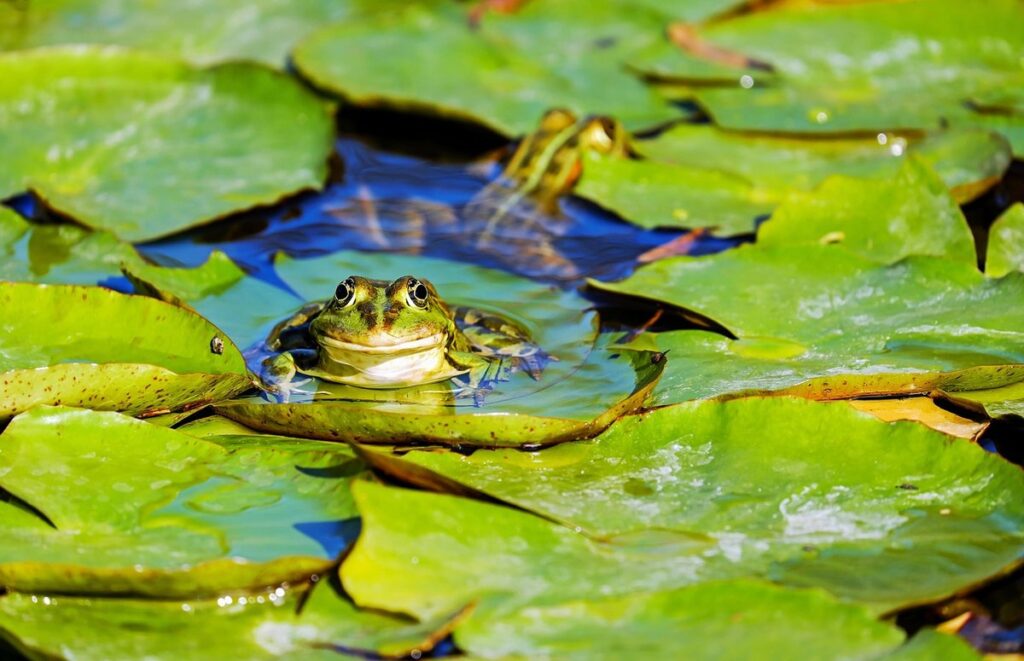
Getting Started with Simple Frog Drawing
Begin by grasping the basic shape of a frog, which is essentially a large oval body with shorter legs. Focus on capturing the overall proportions and placement of features.
Understanding Basic Shapes and Forms
When drawing a frog, it’s essential to understand the basic shapes and forms that make up its body. Start by identifying circles: these form the eyes, nostrils, and mouth. Notice how each eye is slightly offset from the center of the head, creating a small triangle shape between them.
Next, look for ovals – the body itself is usually an oval or slightly elongated circle. This shape will help you get the overall proportions right. The legs are also long, curved shapes that can be broken down into smaller sections: thicker rectangles for the upper leg and thinner ovals for the lower leg.
Pay attention to these fundamental forms as you sketch your frog. A rough outline of circles, ovals, and rectangles can quickly come together to create a cute and recognizable shape. Practice breaking down more complex shapes into their basic components – this will help you draw frogs with greater accuracy and consistency.
Choosing the Right Tools and Materials
To draw simple frogs, you’ll need a few essential tools. A good quality pencil is crucial for creating smooth lines and details. Consider using a graphite pencil (HB or 2B) for general drawing and a fine-tip pencil for adding finer details. An eraser is also necessary for correcting mistakes without smudging your work.
When it comes to paper, look for something with a smooth finish. A4 or letter-sized paper works well, but feel free to experiment with different sizes if you prefer a larger canvas. Keep in mind that smaller papers can be easier to handle and less intimidating for beginners.
In terms of specific materials, a sharpener is useful for maintaining your pencils’ tips. You’ll also want a blending stump or tortillon for smoothening out shading and creating subtle transitions between colors. A ruler can help you draw straight lines, but it’s not essential – simple frog drawing often involves loose, organic shapes.
For beginners, starting with basic tools is recommended to avoid feeling overwhelmed. As you become more comfortable with your craft, you can experiment with additional materials like colored pencils or markers. Remember that the most important thing is having fun and enjoying the process of creating.
Mastering Frog Anatomy
Now that you’ve got a grasp on the basics, let’s take a closer look at the intricacies of frog anatomy and how to accurately depict their unique features in your drawings.
Identifying Key Features of a Frog’s Body
When drawing a realistic frog, it’s essential to focus on its distinctive body features. Start by examining the torso, which should be roughly oval-shaped and slightly flattened from front to back. Note the position of the limbs: frogs typically hold their legs close to their bodies, with the hind legs slightly more forward than the forelegs. This unique posture helps them balance while jumping.
Look closely at the head, where you’ll notice a short, broad snout and large, round eyes that are positioned relatively far apart. The tail is often long and thin, serving as an additional balancing aid. When drawing the body, pay attention to proportions: frogs have relatively short bodies compared to their limbs.
Consider studying pictures of real-life frogs to get a better sense of these features. Pay attention to how different species vary in shape and size. For example, the American bullfrog has a more rounded snout than the African clawed frog. By incorporating these distinctive characteristics into your drawing, you can create a more realistic and detailed representation of this fascinating creature.
Understanding the Different Types of Frogs
Frogs come in a wide range of shapes and sizes, making them a delight to draw. One of the most recognizable characteristics of frogs is their skin, which can be smooth and slimy or bumpy and textured. The Red-Eyed Tree Frog, for example, has vibrant green skin with bright red eyes that can add a pop of color to your drawing. In contrast, the African Clawed Frog has rough, dry skin that’s easier to represent in simple drawings.
Another way to distinguish between frog species is through their body shape and proportions. The American Bullfrog has a long, slender body and large webbed feet, while the Poison Dart Frog is much smaller with a rounded body and short legs. When simplifying these characteristics for drawing, focus on exaggerating the features that make each species unique. For instance, you can emphasize the Red-Eyed Tree Frog’s bright eyes or the African Clawed Frog’s textured skin.
When drawing different types of frogs, it’s essential to study their individual characteristics and simplify them accordingly. This will help you create more realistic and engaging artwork, even in simple forms.
Simple Frog Drawing Techniques
To create a realistic frog drawing, you’ll want to master the basics of shading and texture, which we’ll cover next. Mastering these techniques will elevate your artwork from cute to stunning!
Basic Strokes and Lines for Frog Bodies
When drawing a frog’s body, it’s essential to master basic strokes and lines. Start with straight lines for the frog’s spine and limbs. Hold your pencil at a 45-degree angle to create sharp edges and defined borders. For curved lines, use gentle, flowing motions to capture the rounded shape of the frog’s torso and head.
To add texture and dimension, experiment with hatching techniques. Hatching involves layering short, parallel strokes that follow the contours of your subject. For a smooth, realistic skin tone, start with light, feathery strokes and gradually build up to darker, more defined lines. Pay attention to the direction of your strokes – hatching should always follow the direction of the fur or feathers.
For beginners, it’s helpful to practice these basic strokes on simple shapes before moving on to a frog’s body. Try drawing a series of connected circles for the torso and head, then add straight lines for the limbs and tail. As you become more comfortable with these techniques, you’ll be able to capture the intricate details of a frog’s anatomy with ease.
Adding Texture and Patterns to Your Frogs
To add texture and patterns to your frog drawings, you can employ techniques like cross-hatching and stippling. Cross-hatching involves layering parallel lines with varying spacings to create a textured effect. For example, to depict the rough skin of a frog, draw close together parallel lines on its body, gradually increasing the spacing between them as you move towards the edges.
Stippling creates a pattern by using small dots in varying densities. To achieve this look, place dots randomly on the surface you’re drawing, increasing or decreasing their density to suggest different textures. You can also use stippling to depict patterns like spots or freckles. Consider adding texture to your frog’s skin, face, and legs for a more realistic appearance.
When using cross-hatching, keep your lines consistent in direction and spacing for a cohesive look. For stippling, experiment with varying dot sizes and densities to achieve different effects. These techniques can add depth and visual interest to your drawings, helping to bring your frogs to life.
Drawing Realistic Frog Faces
To draw realistic frog faces, you’ll want to focus on capturing their distinctive facial features and expressions. Let’s start by breaking down the key elements of a frog’s face, including its eyes and mouth.
Understanding Facial Expressions and Features
A frog’s face is a delicate balance of subtle features and expressive lines. To create realistic and cute frog faces, it’s essential to understand the various facial expressions and features that can be used. Start by studying the shape and structure of a frog’s head: the rounded eyes, the tiny nose, and the wide mouth.
Notice how frogs often tilt their heads slightly to one side, giving them an endearing, curious appearance. This subtle gesture can add a touch of charm to your drawing. Pay attention to the placement and shape of the eyelids – a raised upper lid can create a sense of surprise or alertness, while a relaxed lower lid can convey contentment.
The mouth is also crucial in conveying emotions: a slight upward curve can suggest happiness, while a downturned corner can indicate sadness. Don’t forget about the texture and pattern of a frog’s skin; these details can greatly enhance the realism and cuteness of your drawing. By paying attention to these facial expressions and features, you’ll be able to create more convincing and endearing frog faces in your art.
Adding Eyes, Eyelids, and Mouths to Your Frogs
When drawing a frog’s face, the eyes are typically large and rounded, taking up about one-third of the face. To draw them accurately, start by sketching two large circles for each eye, making sure to leave some space between them for the bridge of the nose. The top eyelid should be slightly thicker than the bottom one, with a gentle curve at the outer corner.
The mouth is usually small and horizontal, positioned below the eyes. For realism, draw it as a thin line that curves slightly upwards at the edges. Avoid making the mouth too large or prominent, as this can give your frog an unnatural appearance.
Remember to keep the proportions in mind: the eyes should be roughly one-third of the face’s height, while the mouth is about one-fifth. This will help create a balanced and realistic look. You can also add some subtle details like eyelashes or nostrils for added depth.
Advanced Techniques for Simple Frog Drawing
Once you’ve mastered the basics, it’s time to take your simple frog drawings to the next level by exploring more complex features and styles. Let’s get started with these advanced techniques!
Using Shading and Lighting Effects
When it comes to creating depth and dimension in your simple frog drawings, shading and lighting effects are crucial techniques to master. Chiaroscuro, an artistic method using strong contrasts between light and dark, can add a sense of volume to your frog’s body. To achieve this effect, focus on creating a clear distinction between the lit and shadowed areas. This can be done by varying the value of shading, with darker values in the shadows and lighter values where the subject is illuminated.
Atmospheric perspective, which takes into account the way objects appear when viewed through a layer of atmosphere, can also enhance your frog’s three-dimensionality. Use soft, hazy shading to suggest depth, especially in the background or distant areas of your drawing. For instance, if you’re drawing a forest scene with frogs in various poses, apply lighter, more diffused shading towards the back of the drawing and increasingly darker values as the viewer’s eye moves forward.
Remember that it’s all about subtlety when using these techniques – too much contrast or overly detailed shading can make your frog look unapproachable. Instead, opt for gentle, suggestive strokes that invite the viewer to imagine a more complete scene.
Incorporating Backgrounds and Environments
Adding a background or environment to your simple frog drawing can elevate it from a static image to a richly detailed scene. This added context can also convey personality and storytelling potential, making your art more engaging for viewers. Consider the frog’s natural habitat – is it lounging on a lily pad in a serene pond, or perched on a branch in a dense rainforest? By incorporating elements like water, foliage, or even a sun-drenched rock, you can transport the viewer to a specific time and place.
Use simple shapes and lines to block out the environment. A rough outline of trees or bushes can be created with short strokes, while a body of water might be represented by gentle curves or soft waves. You don’t need to worry about intricate details at this stage – focus on establishing the overall atmosphere and mood. As you add more elements, remember that less is often more: too much clutter can overwhelm the central subject (your adorable frog!).
Tips and Tricks for Improving Your Frog Drawing Skills
As you continue to practice your frog drawing skills, these expert tips will help you refine your techniques, enhance details, and create even more adorable and realistic artwork. Let’s explore some essential tricks to take your drawings to the next level.
Overcoming Common Challenges and Mistakes
Drawing a frog can be a fun experience, but it’s not uncommon for beginners to encounter some common challenges and mistakes. One of the most frequent issues is getting the proportions wrong – frogs have relatively long legs compared to their body size, so make sure you’re paying attention to this detail when sketching.
Another common mistake is overemphasizing the frog’s facial features. While it’s true that frogs have distinctive eyes and a wide mouth, remember that they also have a rather flat face overall. Try to balance out your depiction of these features with some softer lines around the edges.
In terms of solutions, one tip is to study real-life photos or videos of frogs to get a better sense of their anatomy. This can help you develop an eye for proportion and detail. Additionally, try practicing simple exercises like drawing a frog’s body shape without any legs at first – this will help you focus on the overall form before adding in details.
By paying attention to these common challenges and making a few tweaks to your approach, you should find that your drawings start looking more confident and realistic.
Encouraging Creativity and Experimentation
To push the boundaries of simple frog drawing, you need to think beyond traditional techniques. One way to encourage creativity and experimentation is by incorporating different mediums into your art. For instance, try combining watercolors with colored pencils or markers for unique textures and colors. You can also experiment with mixed media like paper scraps, glitter, or even found objects.
Another approach is to play with proportions and exaggeration. Instead of drawing a frog in perfect anatomical detail, try making it oversized or distorted for comedic effect. This can add humor and whimsy to your artwork. For example, you could draw a giant frog sitting on a lily pad, its eyes and mouth comically large.
You can also experiment with different poses and scenarios. Instead of drawing a static frog, try capturing it in motion – like jumping or swimming. You could even depict a frog interacting with other animals or objects in its environment. This will not only add visual interest but also tell a story through your art.
Frequently Asked Questions
Can I use digital tools to draw simple frogs?
Yes. You can use digital drawing software like Adobe Photoshop or Illustrator to create simple frog drawings. This will allow you to experiment with different techniques and styles without the need for traditional materials.
How do I know if my frog drawing is realistic enough?
To determine if your frog drawing is realistic, pay attention to proportions, anatomy, and texture. Study reference images of real frogs to get an idea of their overall shape, facial expressions, and body patterns. Use basic shapes to guide your drawing and experiment with different shading techniques to add depth.
Can I draw frogs from different angles or perspectives?
Yes. You can create simple frog drawings from various angles by adjusting the proportions and features accordingly. For example, a side view of a frog will have a longer head and shorter body compared to a front view. Practice drawing from multiple angles to develop your skills.
What if I want to draw frogs in different environments or settings?
You can incorporate backgrounds and environments into your simple frog drawings by using various techniques such as layering, blending, or texture mapping. Research and study different environments that frogs inhabit, like forests, ponds, or deserts, to add context and storytelling to your artwork.
How do I make my frog drawing look more cute and engaging?
To create a cute and engaging simple frog drawing, focus on proportions, facial expressions, and texture. Use basic shapes to guide your drawing and experiment with different shading techniques like hatching, cross-hatching, or stippling to add depth and dimension. Study reference images of cute frog illustrations for inspiration and practice regularly to develop your skills.