
Setting up a simple bird feeder can be a great way to attract a variety of bird species to your yard, but knowing where to start can be overwhelming. You may have seen elaborate feeders with multiple perches and compartments, but these are not necessary for a successful bird-watching experience. In fact, some of the most effective bird feeders are simple in design. By choosing the right type of feeder and placing it in the right location, you can create a haven that attracts birds from far and wide. This comprehensive guide will walk you through the process of selecting, setting up, and maintaining simple bird feeders to attract a diverse range of bird species, giving you the knowledge and skills to establish your own backyard bird paradise.
Choosing the Right Location
When selecting a location for your bird feeder, consider placing it near a window so you can easily observe the birds, and also choose a spot that’s protected from harsh weather conditions.
Understanding Local Regulations
Before setting up a bird feeder, it’s essential to understand local regulations and ordinances that may impact its placement. These regulations can vary significantly depending on your location, so it’s crucial to check with local authorities before hanging your bird feeder.
Some common regulations you might encounter include restrictions on the type of feeders allowed in residential areas or the maximum height at which a feeder can be hung. For instance, some municipalities may have laws prohibiting bird feeders near certain types of wildlife habitats or protected species’ breeding grounds.
Check with your local animal control agency, county extension office, or municipal government website for specific information on regulations in your area. You can also contact your homeowner’s association (HOA) if you live in a development with rules governing outdoor features. When speaking with authorities, be prepared to provide information about the type of bird feeder you plan to set up and its location.
By taking a few minutes to research and understand local regulations, you can avoid potential issues with your neighbors or local government while still enjoying the benefits of attracting birds to your yard.
Identifying Sunlight and Shelter Requirements
When selecting a location for your simple bird feeder, it’s essential to consider the impact of sunlight and shelter on bird behavior and preferences. Birds often prefer feeding locations with moderate to full sunlight, as it allows them to regulate their body temperature and warm up during cold winter months. However, some species may seek out shaded areas to escape intense midday sun.
Shelter from harsh weather conditions is also crucial for birds. A nearby tree or shrub can provide protection from wind, rain, and snow, allowing birds to feed safely without exerting themselves. Consider placing your bird feeder near a south-facing wall or under a canopy of branches, which can offer a sense of security for the birds.
For example, finches often prefer open areas with minimal shelter, whereas woodpeckers seek out dense vegetation. By observing the types of birds you want to attract and their specific needs, you can choose a location that meets their requirements. Keep in mind that some birds may adapt to unusual feeding locations if food is readily available.
Selecting the Perfect Bird Feeder Type
When choosing a bird feeder, you have several types to consider, including hanging feeders, tray feeders, and suet feeders, each with its own unique benefits. Let’s explore these options together!
Platform Feeders for Large Birds
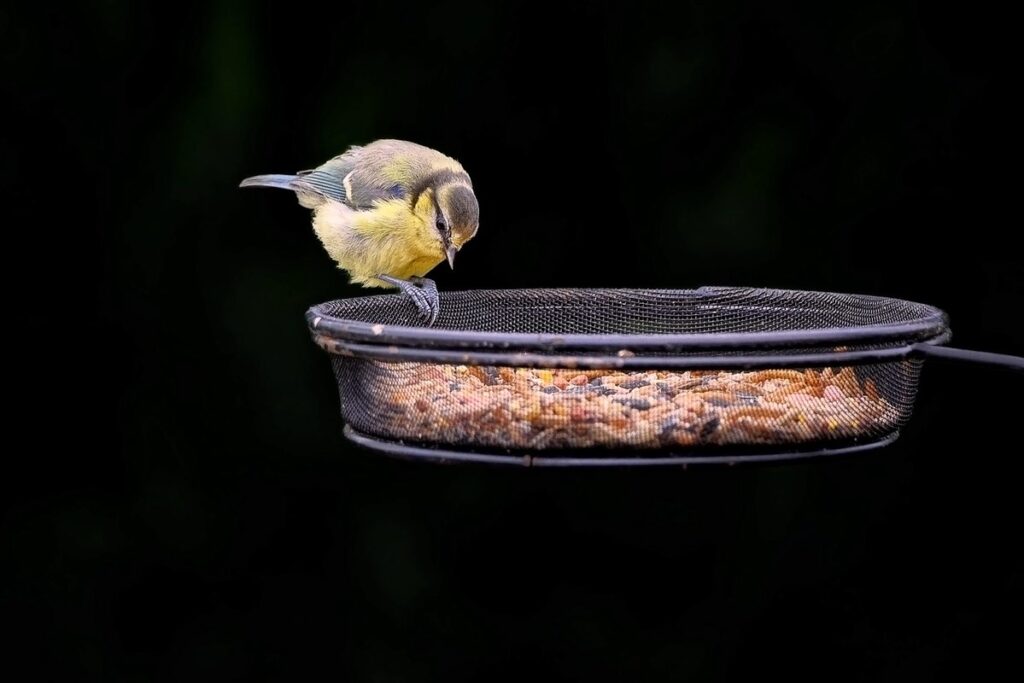
Platform feeders are a straightforward and accessible option for feeding large birds. These flat, open platforms typically consist of a wooden or plastic tray with perches around its edges. The simplicity of platform feeders makes them easy to clean, as you can simply sweep away debris and refill the feeder without worrying about intricate parts.
One benefit of platform feeders is that they allow larger birds like doves and pigeons to comfortably land and eat. In contrast, some bird feeders with small openings or complicated perches may be difficult for these birds to access. However, a drawback of platform feeders is their tendency to attract squirrels, which can easily jump onto the feeder’s surface.
To minimize squirrel visits, consider using squirrel-proof seed types or covering your platform feeder with netting or plastic sheeting. You can also try placing the feeder in an area where squirrels are less likely to venture. By being mindful of these potential drawbacks and taking simple precautions, you can enjoy the benefits of a platform feeder while still attracting the birds you want to see.
Hopper Feeders for Small Birds
Hopper feeders are a popular choice for small birds, but they have their limitations. One advantage of hopper feeders is their high seed efficiency. They can hold a large quantity of seeds and distribute them slowly over time, making them ideal for areas with frequent bird visits. This means you’ll need to refill the feeder less often, which is convenient if you’re short on time or forgetful.
However, hopper feeders also have some drawbacks. One major issue is messiness. Since the seed is stored in a large container, it can be prone to spills and leaks, especially during windy or rainy weather. This can create a slippery surface for birds to land on, increasing the risk of injury. Additionally, hopper feeders can attract larger birds, such as sparrows and finches, that might intimidate smaller species.
To mitigate these issues, consider placing the feeder in a sheltered location, like under a tree or against a wall. You should also choose seeds that are less likely to create a mess when spilled, like safflower seeds or black oil sunflower seeds.
Suet Feeders for High-Energy Treats
Suet feeders are a crucial component of any bird-friendly yard, especially during harsh weather conditions. These specialized feeders provide high-energy treats to birds when they need them most. Suet is a dense mixture of animal fat and seeds that’s typically sold in brick or log form. When placed in a suet feeder, it slowly melts as the birds eat it, providing a reliable source of energy.
Not all suet feeders are created equal, however. Some are designed to hold large blocks of suet, while others feature multiple compartments for smaller amounts. Consider the types of birds you want to attract and choose a feeder that suits their needs. For example, bluebirds and chickadees prefer small suet cakes, while larger birds like woodpeckers require more substantial blocks.
When selecting a suet feeder, look for one made from durable materials that can withstand the elements. Some feeders even feature built-in trays or pans to catch any debris or waste. Mount your suet feeder in a sheltered location, such as under an evergreen tree, to protect it from wind and rain. This will help ensure your feathered friends have access to this vital food source all winter long.
Preparing the Feeder for Use
Before filling your bird feeder, make sure it’s clean and free of any debris or old seeds that might be stuck inside. Now, let’s move on to preparing the feeder for its first use.
Cleaning and Maintenance Tips
Clean and maintain your bird feeder regularly to prevent mold and bacterial growth. Clean the feeder at least once a week during peak bird activity, and more often if you notice visible dirt buildup or birds avoiding the feeder.
Use a mild dish soap and warm water to scrub away debris. A soft-bristled brush can help loosen stubborn particles. Rinse thoroughly with clean water to remove any remaining soap residue. Allow the feeder to air dry before refilling it with seed. This helps prevent water spots and keeps the seed fresh.
For tougher messes, soak the feeder in a solution of 1 part white vinegar to 9 parts water for several hours or overnight. This will help break down any stubborn stains. Avoid using harsh chemicals or abrasive materials that can damage the feeder’s surface.
It’s also essential to clean the perches and any hanging hardware. These areas can accumulate debris and attract pests, so give them a good scrubbing with soap and water whenever you clean the feeder itself. Regular maintenance will help keep your birds healthy and happy, and ensure your feeder remains in good condition for years to come.
Seed Selection: The Right Food for Your Birds
Choosing the right seed for your bird feeder can be overwhelming with so many options available. The good news is that most birds have simple dietary needs, and once you know what to look for, selecting seeds becomes a straightforward task.
Black oil sunflower seeds are a popular choice because they’re rich in fat and calories, making them an excellent source of energy for birds like cardinals, finches, and sparrows. Safflower seeds, on the other hand, are a good alternative for areas with squirrels or other small mammals that might be visiting your feeder. These seeds are less appealing to these critters but still provide essential nutrients for birds.
Nyjer seed is another favorite among finches and other small bird species. It’s high in oil content and provides a concentrated energy source during the winter months when food can be scarce. Sunflower hearts, which are essentially sunflower seeds with shells removed, offer a convenient option for smaller birds like chickadees and titmice.
When selecting seeds, consider the types of birds that visit your yard and choose varieties that cater to their specific needs.
Attracting a Diverse Range of Bird Species
To attract a diverse range of bird species, you’ll want to consider offering a variety of food types and presentation styles in your feeder. This means selecting seeds that cater to different birds’ dietary needs and preferences.
Water Sources: An Often-Overlooked Component
When it comes to creating a welcoming space for birds and other wildlife, many of us focus on bird feeders and seed types. However, water sources are just as crucial for attracting a diverse range of species. Birds need water not only for drinking but also for bathing and preening their feathers.
Incorporating a water feature into your backyard can be as simple as placing a shallow dish or birdbath in a sunny spot. Change the water frequently to keep it clean and free from bacteria. A small fountain or mister can add visual interest, but make sure it’s not so loud that it scares birds away.
For beginners, consider starting with a low-maintenance option like a self-emptying birdbath. These models automatically replace old water with fresh, reducing the need for frequent cleaning and maintenance. Some bird feeders also come with built-in water features, such as a small reservoir or dripping system.
Native Plants for a Thriving Ecosystem
When choosing plants to complement your bird feeder, consider native species that provide a natural source of food and shelter for local birds. These plants will also attract beneficial insects and pollinators, enriching the ecosystem around your feeder.
For example, if you live in a temperate region with deciduous trees, plant native shrubs like dogwood or hawthorn. These shrubs produce berries that are a vital food source for many bird species during winter months. Native grasses like switchgrass or little bluestem provide shelter and nesting sites for birds.
In areas with warm climates, consider planting drought-tolerant natives like Texas sage or Mexican buckeye. These plants offer berries, seeds, and nectar that cater to a variety of bird species’ needs. When selecting native plants, ensure they are suitable for your region’s climate and soil type. This will help prevent maintenance issues and encourage healthy growth.
By incorporating native plants into your garden design, you create a thriving ecosystem around your simple bird feeder. This synergy between plants and birds enhances the overall experience of feeding wildlife in your backyard.
Troubleshooting Common Issues
If you’re experiencing problems with your bird feeder, don’t worry – we’ve got you covered. This section will help you identify and resolve common issues that might be affecting your feathered friends’ visitation.
Squirrel-Proofing Techniques
When it comes to deterring squirrels from accessing your bird feeder, there are several strategies you can employ. One effective solution is to invest in a cage feeder, which typically features a wire mesh enclosure that prevents small mammals from reaching the seed. These feeders often come with adjustable perch and tray styles, making them versatile options for accommodating different bird species.
If you’re not ready to purchase a new feeder, there are some DIY approaches worth considering. For instance, you can try adding baffles or spouts to your existing feeder to create obstacles that squirrels find difficult to overcome. A baffle is essentially a physical barrier placed between the feeder and any nearby surfaces, such as a fence or branch. You can purchase pre-made baffles at most hardware stores or make your own using plastic or metal containers.
Alternatively, some bird enthusiasts have found success with squirrel-deterrent seed types, which contain capsaicin – the active ingredient in chili peppers that deters squirrels but not birds. These seed varieties are usually labeled as such, so be sure to read the packaging carefully before making a purchase.
Pest Control Methods
Birds of prey, such as hawks and owls, are a natural deterrent against other birds visiting your feeder. Consider installing a few nesting boxes or roosting sites nearby to attract these birds, which will help keep the problem birds at bay. A small minority of bird species, like woodpeckers, can also be encouraged by providing a source of water and suitable foraging spots.
Raccoons are more difficult to deter, as they’re intelligent and adaptable animals that’ll figure out ways to access your feeder if it’s too easy. Typically, a few weeks is all it takes them to return after an initial blockage or two. One effective method is to use a weight-activated perch that collapses under their weight, forcing them to move on. You can also try using baffles – physical barriers placed above the feeder to prevent raccoons from reaching in.
Another approach is to provide an alternative food source nearby, like a ground-level feeder or a tray-style dish filled with fruits and nuts. This way, you’re giving these clever critters a legal outlet for their foraging activities. Be sure to position this secondary feeder at least 10 feet away from your main bird feeder to avoid drawing more pests into the area.
Frequently Asked Questions
Can I Use a Simple Bird Feeder in a Small Apartment Balcony?
Yes, it’s possible to set up a simple bird feeder even on a small apartment balcony. Consider using a compact or hanging feeder that doesn’t require much space. Just make sure to check with your landlord or building management for any regulations or restrictions.
How Long Does It Take to Notice the Effectiveness of My Bird Feeder?
The time it takes to notice the effectiveness of your bird feeder can vary depending on factors like location, feeder type, and nearby food sources. However, you may start seeing regular visitors within a few days to a week after setting up your feeder.
Can I Use a Single Type of Seed in All My Feeders to Attract a Wide Range of Birds?
While it’s tempting to use one type of seed for convenience, using multiple types can attract a more diverse range of bird species. Consider offering black oil sunflower seeds and safflower seeds as a mix to cater to different birds’ preferences.
What If I Have a Large Property with Many Bird Feeders – How Do I Ensure They’re All Cleaned Regularly?
To maintain cleanliness across multiple feeders, consider implementing a cleaning schedule where you designate specific days for each feeder. This can be done using a calendar or a task list to stay organized and ensure regular maintenance.
Can I Use a Simple Bird Feeder in Areas with High Pest Activity, Such as Squirrels or Raccoons?
While simple bird feeders may not be designed specifically with pest control in mind, there are steps you can take to minimize their impact. Consider adding squirrel-proof covers or using deterrents like squirrel baffles to protect your feeder and its contents from unwanted visitors.

