
Planning a self-care weekend can be just what you need to break free from the monotony of daily life. By prioritizing your well-being, you’ll not only recharge your mind, body, and soul but also set yourself up for lasting changes that will have a positive impact on all areas of your life. A busy schedule often leaves little time for relaxation and rejuvenation, which is why it’s essential to take control of your self-care routine. This weekend can be the perfect opportunity to slow down, unwind, and focus on cultivating healthy habits that promote mindfulness and overall well-being. In this article, we’ll explore how to plan a relaxing self-care weekend, incorporating activities and practices that will leave you feeling refreshed and revitalized, ready to tackle whatever comes your way with renewed energy and purpose.
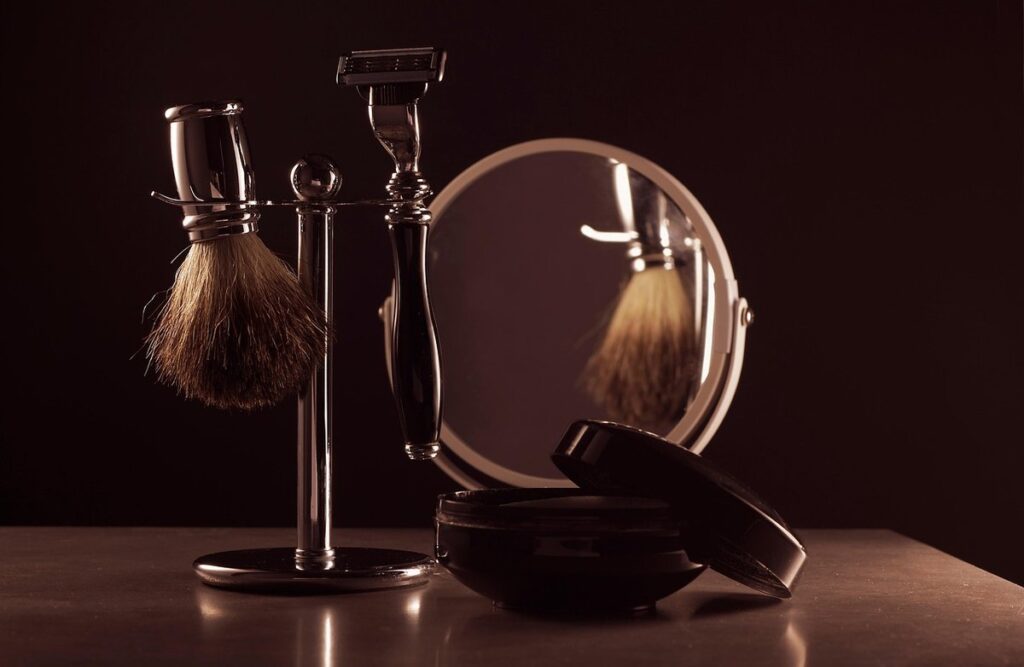
Planning a Self-Care Weekend
Let’s take a closer look at planning the perfect self-care weekend, where you can leave your worries behind and focus on relaxation. To start, consider what activities will bring you joy and calmness.
Defining Self-Care and Its Importance
Self-care is often misunderstood as a luxury reserved for the few who have the time and resources to indulge. However, it’s essential for everyone, regardless of age, income, or social status. Self-care is not just about pampering yourself with spa treatments or expensive products; it’s about making conscious choices that nourish your mind, body, and soul.
By prioritizing self-care, you can experience a range of benefits that improve overall well-being. For instance, regular self-care practices have been shown to reduce stress levels, boost mood, and increase energy. It also helps to prevent burnout by giving you time to recharge and refocus. Moreover, self-care encourages mindfulness, allowing you to be more present in your daily life.
To incorporate self-care into your weekend, start small. Set aside dedicated time for activities that bring you joy and relaxation, such as reading a book, taking a walk, or practicing yoga. Be intentional about what you choose, and allow yourself to fully engage without guilt or distraction. By making self-care a priority, you’ll be better equipped to handle life’s challenges and cultivate a more positive outlook.
Setting Goals and Intentions for the Weekend
When setting goals for your self-care weekend, it’s essential to consider your individual needs and priorities. Start by reflecting on how you’ve been feeling lately – are you exhausted, stressed, or burnt out? What activities or habits have been draining your energy, and what do you need to recharge? Make a list of your top three priorities for the weekend.
Be realistic about what you can accomplish in one weekend. Avoid overcommitting yourself by trying to cram too many activities into your schedule. Prioritize relaxation and self-care above productivity and achievement. For example, instead of planning an intense workout or cleaning the entire house, focus on gentle stretches, meditation, or a relaxing bath.
Consider your lifestyle and circumstances when setting goals. If you have family or work commitments, plan accordingly. Make time for activities that promote rest and rejuvenation, such as reading, listening to music, or taking a nap. By being intentional about your self-care weekend goals, you can create a peaceful and rejuvenating experience that sets you up for a healthier, happier week ahead.
Some other things to consider when setting goals include:
- What time of day do I feel most energized?
- What activities make me feel relaxed and calm?
- How much sleep do I need to function at my best?
Creating a Relaxing Environment
Transform your living space into a serene oasis by incorporating calming elements, such as soft lighting and soothing colors. This will help you unwind and feel more at ease during your self-care weekend retreat.
Declutter and Organize Your Space
Decluttering your living space can be a therapeutic process that clears not only physical clutter but also mental clutter. Start by setting aside a specific time to declutter, and try to focus on one area at a time. Begin with items that are easy to get rid of, such as trash or broken objects, and work your way up to more sentimental or difficult-to-part-with items.
Consider the 4-box method: sort items into four boxes labeled “keep,” “donate,” “sell,” and “discard.” This visual system can help you make decisions about what to keep and what to let go of. Be ruthless – if you haven’t used it in a year, it’s probably safe to get rid of it.
Once you’ve decluttered, organize your space using storage solutions that fit your needs. Consider investing in a few quality storage bins or baskets that can help keep clutter at bay. Label each bin so you know what’s inside and can easily find what you need. This will not only save time but also reduce stress caused by clutter.
Remember to maintain your newly organized space by setting aside time each week for tidying up.
Lighting and Color Therapy
When it comes to creating a relaxing environment for your self-care weekend, the impact of lighting and color therapy should not be overlooked. Research has shown that our surroundings can significantly influence our mood and well-being. Calming colors such as blue, green, and neutral tones like beige or gray can help create a soothing atmosphere.
To incorporate calming colors into your space, consider repainting walls or adding throw pillows, blankets, and rugs in these hues. You can also use colored glass vases, bowls, or candle holders to add pops of color without overwhelming the space. Soft lighting is equally important, as harsh overhead lights can be energizing rather than relaxing.
To create a more relaxing ambiance, try using table lamps or floor lamps with soft shades to cast warm, gentle light. Dimming existing overhead lights or using smart light bulbs that adjust to your desired brightness level can also make a big difference. Consider setting the lighting to a warmer tone in the evening to signal to your body that it’s time to wind down and prepare for rest.
Nourishing Body and Mind
As you focus on rejuvenating your body, consider incorporating nutrient-rich foods that promote energy and clarity. Healthy eating is a crucial aspect of self-care for a balanced weekend.
Healthy Eating for Self-Care
When planning healthy meals for self-care, consider your dietary needs and preferences. Start by meal planning for the weekend, taking into account any ingredients you already have at home. Aim to cook simple, nourishing meals that promote relaxation, such as soups, stews, or roasted vegetables.
For a self-care weekend, it’s essential to focus on whole, unprocessed foods like fruits, vegetables, whole grains, and lean proteins. Limit your intake of sugary drinks, caffeine, and processed snacks, which can disrupt your mood and energy levels. Instead, opt for herbal teas, infused water, or seltzer with a squeeze of fresh fruit.
When cooking, prioritize ease and convenience without sacrificing flavor. Try one-pot meals like quinoa bowls or sheet pan dinners that require minimal cleanup. Also, prep in advance by chopping vegetables, marinating proteins, or setting out ingredients for the next meal. This will help you stay focused on relaxation rather than culinary stress. By nourishing your body with healthy, comforting foods, you’ll be better equipped to recharge and refresh your mind, body, and soul over the self-care weekend.
Hydration and Refreshment
Staying hydrated is essential during a self-care weekend, as it helps to replenish fluids lost due to stress, relaxation, and physical activity. Dehydration can lead to fatigue, headaches, and difficulty concentrating, making it challenging to fully recharge and relax.
Incorporating hydrating drinks into your self-care routine is simple. Consider making herbal teas like peppermint, chamomile, or lemon balm a part of your weekend ritual. These calming beverages promote relaxation without adding caffeine or sugar. Infused water with fruits, herbs, or cucumber is another refreshing option. You can also try coconut water or electrolyte-rich drinks to replenish lost salts.
In addition to staying hydrated from the inside out, consider indulging in hydrating treats like homemade sorbet, popsicles, or fruit salads. These light and refreshing snacks provide a welcome respite from rich self-care foods like chocolates or baked goods. Remember, even small amounts of water can make a big difference in how you feel. Aim to drink at least 8-10 glasses throughout the day, and adjust as needed based on your individual needs and activities.
Engaging in Relaxing Activities
Relaxation is a crucial part of self-care, and engaging in calming activities can help quiet your mind and soothe your body. We’ll explore some peaceful pursuits to make your weekend truly rejuvenating.
Meditation and Mindfulness Practices
Try body scan meditation to release physical tension. Lie down or sit comfortably with your eyes closed, bringing awareness to each part of your body, starting from your toes and moving up to the top of your head. Notice areas of tension without judgment, allowing yourself to let go of any discomfort.
Practice mindfulness through deep breathing exercises. Focus on slow, deliberate breaths, feeling the sensation of air entering and leaving your nostrils. You can use a guided recording or follow a simple pattern like inhaling for four counts and exhaling for six.
Use loving-kindness meditation to cultivate compassion and kindness towards yourself. Repeat phrases such as “May I be happy, may I be healthy” while focusing on the sensation of love and acceptance in your heart center.
Creative Expression and Leisure
Engaging in creative activities can be a powerful way to promote mental well-being during your self-care weekend. Whether it’s painting, reading, playing music, or writing, make time for activities that allow you to express yourself freely without judgment. This can help quiet the mind and reduce stress.
Try setting aside dedicated time for a hobby or creative pursuit each day of your self-care weekend. For example, if you’re an avid reader, schedule a few hours to get lost in a favorite book. If music is more your thing, take some time to practice playing an instrument or sing along to your favorite tunes.
Some other ideas for creative expression include trying a new craft, like knitting or pottery, or exploring different forms of art, such as photography or drawing. The key is to choose activities that bring you joy and help you relax. Don’t worry about perfection – focus on the process, not the end result. Allow yourself to unwind and have fun with it.
If you’re struggling to come up with ideas, try looking for inspiration online or checking out local classes in your area. Many communities offer workshops or groups focused on creative activities that can help you get started.
Prioritizing Sleep and Recovery
Adequate rest and recovery are essential for your body to repair itself, so let’s start by prioritizing sleep and establishing a consistent bedtime routine.
Establishing a Bedtime Routine
A consistent bedtime routine helps signal to your body that it’s time to sleep, making it easier to wind down and relax. Aim for a calming pre-sleep sequence that lasts around 30-60 minutes, allowing you to disconnect from the day’s activities. Start by dimming lights in your home at least an hour before bed; this triggers a natural dip in alertness hormones.
Next, engage in relaxing activities like reading a book, listening to soothing music, or practicing gentle stretches. Avoid screens and stimulating content that can interfere with sleep. Try taking a warm bath with Epsom salts to promote muscle relaxation and calm your mind. You can also experiment with aromatherapy by incorporating calming scents like lavender into your pre-sleep routine.
Consider establishing a consistent wake-up time on your self-care weekend, even if you’re not going back to work or school the next day. This helps regulate your body’s internal clock and sets a healthy precedent for regular sleep patterns. By prioritizing a restful night’s sleep, you’ll feel refreshed and rejuvenated come morning, ready to tackle the rest of your self-care weekend with renewed energy and focus.
Napping and Rest for Recovery
Napping during a self-care weekend can have a profound impact on both physical and mental rejuvenation. During periods of high stress, the body’s natural response is to go into “fight or flight” mode, suppressing the non-essential functions such as digestion and repair. Napping allows the body to enter a state of relaxation, where these suppressed functions are restored.
Research suggests that napping can improve memory consolidation, boost creativity, and even support weight management by regulating hunger hormones. To incorporate napping into your self-care weekend routine, try setting aside 20-30 minutes for a power nap or indulge in a longer, more restorative sleep session if needed.
Some tips to consider when incorporating napping into daily routines include: establishing a consistent sleep schedule; creating a dark, quiet sleep environment; and avoiding caffeine and electronic screens before attempting to rest. Experiment with different types of naps – from short 15-minute snoozes to longer, more leisurely sleeps – to find what works best for you and your unique needs.
Making It Last: Incorporating Self-Care into Daily Life
Now that you’ve started your self-care journey, it’s time to think about how to make these practices a sustainable part of your daily life. We’ll discuss practical tips for incorporating self-care into your busy routine.
Scheduling Regular Self-Care Time
When you return to your daily routine after a self-care weekend, it’s essential to prioritize scheduling regular self-care time. This doesn’t have to mean setting aside hours each day, but rather making small, consistent moments for yourself. For instance, start by dedicating 10-15 minutes in the morning or evening for activities like meditation, deep breathing, or journaling.
Another strategy is to schedule self-care into your calendar just as you would any other appointment. Treat it as non-negotiable and try to avoid rescheduling or canceling. You can also consider waking up earlier or going to bed later to accommodate a short morning or evening routine that nourishes both body and mind.
To make self-care a sustainable habit, identify the times of day when you feel most energized and focused. For some people, this might be right after breakfast, while others prefer the calmness of the evening hours. Experiment with different schedules until you find what works for you. By incorporating regular self-care into your daily routine, you’ll be better equipped to handle life’s stressors and maintain a sense of balance and well-being.
Maintaining a Self-Care Mindset
To maintain a self-care mindset beyond the weekend, it’s essential to establish habits that promote ongoing reflection and accountability. Start by incorporating journaling into your daily routine. Set aside a few minutes each morning or evening to write down your thoughts, feelings, and gratitudes. This practice helps you process your emotions, identify patterns, and acknowledge progress.
Consider implementing an accountability system, such as sharing your self-care goals with a friend or family member. Regularly check-in with them to discuss your experiences, challenges, and successes. You can also join a self-care community online or in-person, providing a supportive environment for motivation and growth.
In addition to these practices, be intentional about your surroundings. Create a physical space that fosters relaxation and calmness. This might involve lighting scented candles, playing soothing music, or displaying calming artwork. By cultivating an environment that promotes self-care, you’ll be more likely to prioritize it in the long term.
Frequently Asked Questions
Can I still have some productive time during my self-care weekend?
Yes, incorporating productivity into your self-care weekend is possible by setting realistic goals and prioritizing tasks that align with your well-being. Allocate specific times for work or creative projects, ensuring they don’t interfere with relaxation activities.
What if I’m on a tight budget; can I still have a self-care weekend?
Absolutely, you can create a self-care weekend on any budget. Focus on free or low-cost activities such as going for walks, practicing yoga in your living room, cooking simple yet nourishing meals, and exploring local parks or nature reserves.
How do I ensure my family understands the importance of my self-care time?
Communicate openly with your family about your needs during this weekend, explaining that self-care is essential for your overall well-being. Set clear boundaries, suggesting they engage in activities independently to respect your chosen relaxation period.
Can a self-care weekend be adapted for families or children?
Yes, you can adapt the concept of a self-care weekend to suit different ages and family dynamics. Incorporate age-appropriate activities like arts and crafts, outdoor play, or group games that promote bonding and stress relief for all members involved.
What if I’m feeling overwhelmed after my self-care weekend; how do I maintain momentum?
Re-evaluate your self-care plan, recognizing that maintaining momentum often requires adjustments to daily routines rather than drastic changes. Schedule regular self-care sessions and commit to practices that brought you joy and relaxation during the weekend, ensuring these habits stick beyond the initial retreat.

