
The average household uses dozens of single-use plastic bags every week to carry their fresh produce from the grocery store to the kitchen. However, these small conveniences have a significant environmental impact: billions of non-biodegradable bags end up in landfills and oceans each year, contributing to pollution and harming marine life. One simple switch can make a big difference: reusable bags for fruit and vegetables. By making this easy change, you can not only reduce your plastic waste but also save money on disposable bags. In this article, we’ll explore the benefits of using reusable produce bags, how to choose the right ones for your needs, and expert tips for incorporating them into your sustainable grocery shopping routine.
Why Reusable Bags Are Essential for Sustainable Grocery Shopping
Reusable bags are a simple yet effective way to reduce waste and minimize environmental impact, especially when shopping for fresh produce. By choosing reusable over single-use bags, you’ll be making a significant difference in your daily grocery trips.
Reducing Single-Use Plastic Waste
Single-use plastic bags contribute significantly to pollution, harming marine life, and creating waste management issues. When these bags are not disposed of properly, they can end up in oceans and waterways, where animals mistake them for food or become entangled. Marine debris causes the deaths of over 100,000 sea turtles and other marine animals annually.
In addition to harming wildlife, single-use plastic bags also contribute to overflowing landfills and littered streets. According to the United States Environmental Protection Agency (EPA), in 2018, the average American used 115 disposable paper or plastic bags per year. The EPA also reports that if these bags were banned nationwide, it would save over 12 million barrels of oil annually.
A small change in daily behavior can make a substantial difference. To reduce single-use plastic waste, try to use reusable bags for your fruits and vegetables whenever possible. If you forget your bag at home, consider purchasing items loose or using produce bags made from biodegradable materials. Reducing our reliance on single-use plastic bags is an essential step towards creating a more sustainable future.
Choosing the Right Materials for Your Reusable Bag
When selecting reusable bags for carrying fruits and vegetables, choosing the right materials is crucial. Eco-friendly options like cotton, jute, and recycled polyester are popular choices. Cotton bags are breathable and gentle on produce, but may require occasional washing to prevent mildew buildup.
Jute bags, on the other hand, offer excellent durability and can withstand heavy loads. However, they may be prone to fraying over time. Recycled polyester bags are another option, often made from post-consumer plastic waste. These bags tend to be water-resistant and easy to clean but may not be as breathable as cotton.
Some reusable bag manufacturers also incorporate additional eco-friendly features, such as natural dyes or repurposed materials like old t-shirts. When evaluating material options, consider the type of produce you’ll typically carry: delicate fruits like berries may require more gentle handling than sturdy vegetables like carrots.
When choosing between these materials, weigh factors like durability, breathability, and maintenance requirements to select a bag that meets your needs.
The Economic Benefits of Switching to Reusable Bags
Switching to reusable bags can save consumers money in the long run by reducing bag purchases and providing a long-term investment for grocery shopping. Many stores charge customers for single-use plastic bags, which can add up quickly. According to a typical US supermarket chain’s pricing policy, a single use plastic bag costs around $0.25-$0.50 per bag.
When you opt for reusable bags, you avoid paying for these charges and instead get to reuse your bags multiple times. Consider this: if you buy 10-15 items at the store each week, using one single-use bag per item would add up to around $4-$7.50 per week in bag costs alone. Over a year, that’s approximately $208-$382.
In contrast, investing in a high-quality reusable bag can cost anywhere from $5 to $20, providing you with long-term savings and reducing your environmental footprint. It’s essential to choose bags made from durable materials that will withstand regular use and washing. By making this switch, consumers can save money while also contributing to the reduction of single-use plastic waste in their communities.
Design and Features to Consider When Buying Reusable Bags
When shopping for reusable bags, it’s essential to consider their design and features to ensure they meet your needs. Look for durable materials and practical pockets that can keep fruits and vegetables organized.
Size, Shape, and Capacity
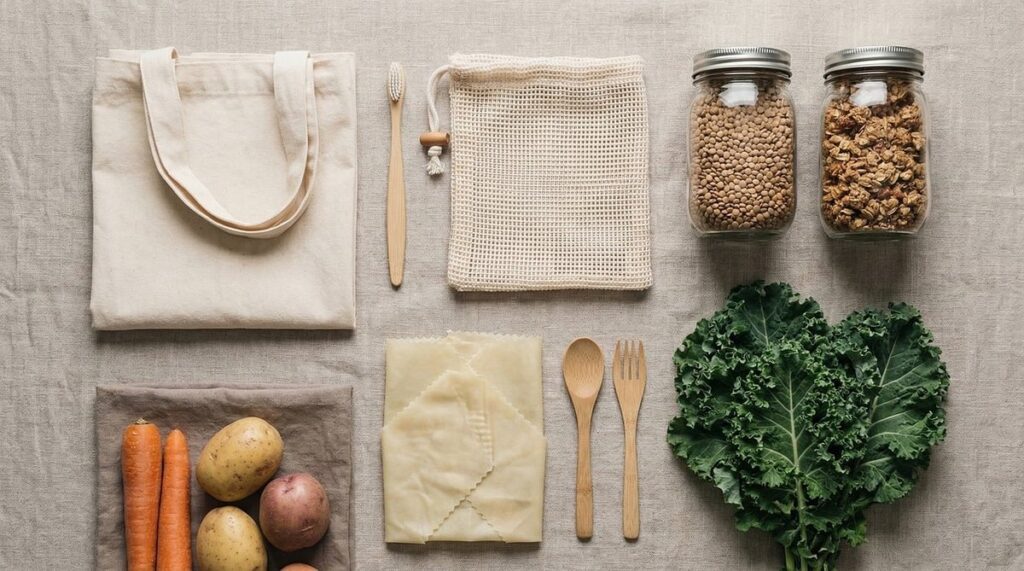
When choosing a reusable bag for carrying fruits and vegetables, consider the size, shape, and capacity of the bag. A tote bag with a sturdy handle is ideal for transporting larger items like watermelons or bunches of kale. However, if you primarily shop for smaller produce like berries or leafy greens, a mesh bag or produce bag might be more suitable.
Mesh bags are great for delicate fruits and vegetables that require air circulation to maintain freshness. They often have a fine mesh design that allows excess moisture to escape, reducing the risk of mold or rot. Produce bags, on the other hand, typically have a larger capacity than mesh bags and can hold multiple items at once. Some produce bags also feature separate compartments for organizing different types of produce.
When selecting a reusable bag, consider how often you plan to use it and what types of produce you typically buy. If you’re looking for a single bag that can handle both large and small items, opt for one with adjustable dividers or multiple compartments.
Durability and Maintenance
When choosing a reusable bag for your fruits and vegetables, it’s essential to consider its durability and maintenance requirements. A well-made bag can last for months, even years, with proper care. Look for bags made from sturdy materials like canvas or nylon, which are resistant to tears and punctures.
To extend the lifespan of your reusable bag, regular washing is crucial. Machine wash bags in cold water using a mild detergent, and line dry them to prevent shrinkage. Avoid putting your bags in the dryer, as high heat can damage the material. For tougher stains, you can spot clean with a solution of equal parts water and white vinegar.
When storing your reusable bag, fold or roll it neatly to prevent creasing. This will also help maintain its shape. Consider using a breathable storage container or bag to keep your bags clean and dry when not in use. By following these simple tips, you can ensure that your reusable bag remains in great condition for many shopping trips to come.
Tips for Effective Use and Care of Reusable Bags
To make the most of your reusable bags, it’s essential to follow a few simple care tips to ensure they remain clean and durable over time. Regular maintenance will extend their lifespan.
Storing and Organization
Proper storage is crucial to maintaining the longevity and cleanliness of your reusable bags. Designate a specific spot near the entrance or in a mudroom for bag storage. This keeps them out of direct sunlight, which can cause fading or degradation. Hang them from hooks or place them on a tiered rack to keep them off the floor and easy to access.
Use dividers or baskets to separate clean bags from those that need washing. Labeling each section can help family members quickly identify where their bag is stored. Consider storing bags in a breathable container, such as a canvas bin or mesh bag, to allow air circulation and prevent moisture buildup.
To keep bags dry and free of dirt, store them with the openings facing downwards. This prevents any debris from entering the bag and causing damage. You can also store bags that are still damp after washing by laying them flat on a towel or drying rack.
Using Your Reusable Bag for Multiple Purposes
When you’re not using your reusable bag to carry fruits and vegetables from the market, it’s easy to let it sit idle. But think creatively about other tasks where a sturdy bag like yours can be of great use. For carrying books or school supplies, for instance, a lightweight yet durable material is ideal – consider bags made with mesh or canvas.
For clothes, look for bags specifically designed with garment care in mind. Some reusable bags even have built-in laundry sorting compartments to keep your delicates separate from heavier items. If you’re an outdoor enthusiast, consider using a bag that’s water-resistant and has reinforced stitching for added durability. This will help protect your gear from the elements.
You can also repurpose your reusable bag as a tote or beach bag. Just remember to choose a material that’s easy to clean and maintain – nylon or polyester are good options. For example, you could use a larger reusable bag to carry all your essentials for a day at the beach, including towels, sunscreen, and water bottles. With a little imagination, your reusable bag can become an indispensable companion in various aspects of daily life.
Implementing Reusable Bags in the Workplace and Community
Now that we’ve covered the benefits of using reusable bags for fruits and veggies, let’s talk about how to make them a part of your daily routine at home, work, and in the community. Making a switch can be as simple as keeping a stash on hand.
Promoting Sustainable Practices in Offices and Workplaces
Encourage employees to use reusable bags by making them easily accessible and visible throughout the office. Provide a designated spot near entrances or watercoolers where employees can pick up a bag on their way out for their daily tasks, such as grocery shopping or lunch runs. Some companies also offer branded reusable bags with the company logo, which not only promotes sustainability but also serves as a marketing tool.
Successful initiatives often involve employee engagement and incentives. For example, a “Bring Your Reusable Bag” campaign can reward employees who consistently use their own bags for daily tasks with rewards such as gift cards or extra break time. A small minority of companies have even implemented a “Reusable Bag Challenge” where teams compete to see who can reduce the most single-use plastic waste.
When implementing these initiatives, consider involving employees in the planning process to ensure they feel invested and motivated. This can include surveys to gauge interest and feasibility, as well as brainstorming sessions to identify potential challenges and solutions.
Organizing Community Events and Initiatives
Organizing community events and initiatives can be a powerful way to promote the adoption of reusable bags. These events can take many forms, such as workshops, demonstrations, or educational programs. For example, local governments can host “Reusable Bag Day” where residents can bring their old single-use plastic bags and exchange them for free reusable bags.
Community groups can also partner with local businesses to offer discounts or promotions to customers who use reusable bags during a specific period. This not only encourages the use of reusable bags but also drives foot traffic to participating businesses. To make these events more engaging, consider inviting experts to share tips on sustainable grocery shopping practices, or hosting interactive activities that demonstrate the benefits of reusable bags.
Some ideas for community events include:
- Hosting a “Reusable Bag Swap” where residents can exchange gently used reusable bags
- Partnering with local farmers’ markets to offer free reusable bags to customers
- Organizing a “Sustainable Shopping Challenge” where participants are encouraged to use reusable bags and reduce their single-use plastic waste
Overcoming Common Challenges and Barriers
One of the biggest hurdles to using reusable bags for your produce is dealing with stubborn stains, but don’t worry, we’ve got some solutions to share.
Addressing Initial Costs and Investment
Investing in reusable bags can seem daunting at first, especially when considering the initial cost. However, it’s essential to view these bags as a long-term investment in sustainability and cost savings. A high-quality reusable bag can last for years with proper care, making it a more economical choice than constantly purchasing single-use plastic bags.
To make reusable bags more accessible, consider purchasing them in bulk or during sales events. Many retailers offer discounts on bulk orders, reducing the overall cost per bag. You can also explore affordable options made from eco-friendly materials like cotton or recycled polyester.
For those on a tight budget, consider starting with a smaller investment by buying one or two reusable bags and gradually increasing your collection over time. This approach allows you to test the durability and functionality of the bags before committing to larger purchases. Additionally, many online retailers offer free shipping or discounts for first-time customers, making it even more convenient to start shopping for reusable bags.
Handling Public Perception and Misconceptions
When introducing reusable bags to their daily routine, some individuals may encounter resistance due to concerns about inconvenience, aesthetics, or other factors. For instance, they might think reusable bags are too bulky or cumbersome to carry around. To address this perception, consider the following:
Reusable bags can be compact and lightweight when not in use. Look for designs that feature collapsible or foldable structures, which can save space in your bag or purse.
If aesthetics are a concern, choose from a variety of stylish and durable materials, such as canvas or mesh bags with vibrant colors and patterns. This way, you can still maintain a visually appealing appearance while contributing to sustainability.
Some people might also assume that reusable bags are only for grocery shopping. However, they can be used for carrying fruits and vegetables, as well as other items like books, magazines, or even as a picnic mat.
To overcome these misconceptions, try incorporating reusable bags into your daily routine gradually. Start by using them for small tasks, such as carrying snacks or lunch, and then progress to more significant grocery shopping trips. This will help you become accustomed to their size and functionality while reaping the benefits of reducing single-use plastic waste.
Conclusion: The Future of Sustainable Grocery Shopping with Reusable Bags
As we’ve explored the benefits and best practices of using reusable bags for fruits and vegetables, let’s now consider what the future holds for sustainable grocery shopping. What changes can we expect to see?
Recap Key Benefits and Takeaways
By adopting reusable bags for your fruit and vegetable shopping, you can significantly reduce single-use plastic waste, a major contributor to environmental pollution. This simple switch also has economic benefits, such as saving money on bag costs and supporting local businesses that adopt sustainable practices.
Key takeaways from this article include choosing the right materials for your reusable bag – look for durable, easy-to-clean options like canvas or mesh – and considering the size, shape, and capacity of the bag to suit your needs. Durability is also crucial; opt for bags with reinforced stitching and handles that can withstand regular use.
In addition to personal benefits, promoting the use of reusable bags in the workplace and community can have a lasting impact on environmental sustainability. This can be achieved through organizing community events and initiatives or implementing sustainable practices in offices and workplaces.
To overcome common challenges like initial costs and public perception, it’s essential to address misconceptions about reusable bags being expensive or inconvenient. Instead, focus on the long-term savings and environmental benefits of making this switch. By choosing the right materials and following best practices for use and care, you can enjoy a seamless transition to sustainable grocery shopping.
Some key points to remember when implementing reusable bags include:
- Storing them in an accessible location to encourage frequent use
- Using your reusable bag for multiple purposes, such as carrying groceries or packing lunches
- Encouraging others to join the movement by sharing tips and success stories
By adopting these best practices and emphasizing the importance of sustainable grocery shopping with reusable bags, you can contribute to a more environmentally conscious future.
Frequently Asked Questions
Can I use my reusable bags for hot foods and drinks?
Yes, but make sure to check the manufacturer’s guidelines for temperature limits and wash them immediately after use. Some materials like cotton or jute can withstand moderate heat, while others may not.
How do I measure the effectiveness of using reusable bags in reducing single-use plastic waste at my workplace or community?
Track the number of single-use plastic bags used before implementing reusable bag practices and compare it to the new usage rate after a set period. You can also conduct surveys or focus groups to gather feedback on the initiative’s success.
What if I’m traveling or don’t have access to a washing machine – how do I maintain my reusable bags?
For short trips, consider using travel-sized cleaning products or pre-wash your bags before leaving. For longer periods without access to laundry facilities, you can air-dry or spot clean your bags as needed.
Can I use reusable bags for carrying non-food items like books, clothes, or outdoor gear, as mentioned in the article, but with a specific capacity or weight limit?
Yes, many reusable bags are designed to be versatile and durable. When using them for non-food items, ensure you don’t overload the bag beyond its recommended capacity to maintain its integrity.
Is it worth the initial investment of buying high-quality reusable bags that might cost more upfront but last longer?
Yes, investing in higher-quality reusable bags made from durable materials can save you money and reduce waste over time. Consider them a long-term investment for sustainable grocery shopping practices.

