
Raised garden beds are a popular choice for home gardeners, but they’re not without their drawbacks. One of the main advantages is improved drainage, which can be especially beneficial in areas with heavy clay soil or standing water. This design also makes it easier to work on your garden, as you won’t have to bend down to reach plants at ground level. However, there are some trade-offs to consider: raised beds can be more expensive to build and maintain than traditional gardens, and they often require specialized materials. Furthermore, the elevated structure may limit your plant selection, as certain varieties prefer deeper root systems or direct sunlight.
You’ll want to carefully weigh these factors before deciding whether a raised bed is right for you. By understanding both the benefits and drawbacks of this design, you’ll be better equipped to create a thriving garden that meets your needs and fits within your budget. This article will explore the pros and cons of raised garden beds in detail, helping you make an informed decision about how to plan your next gardening project.
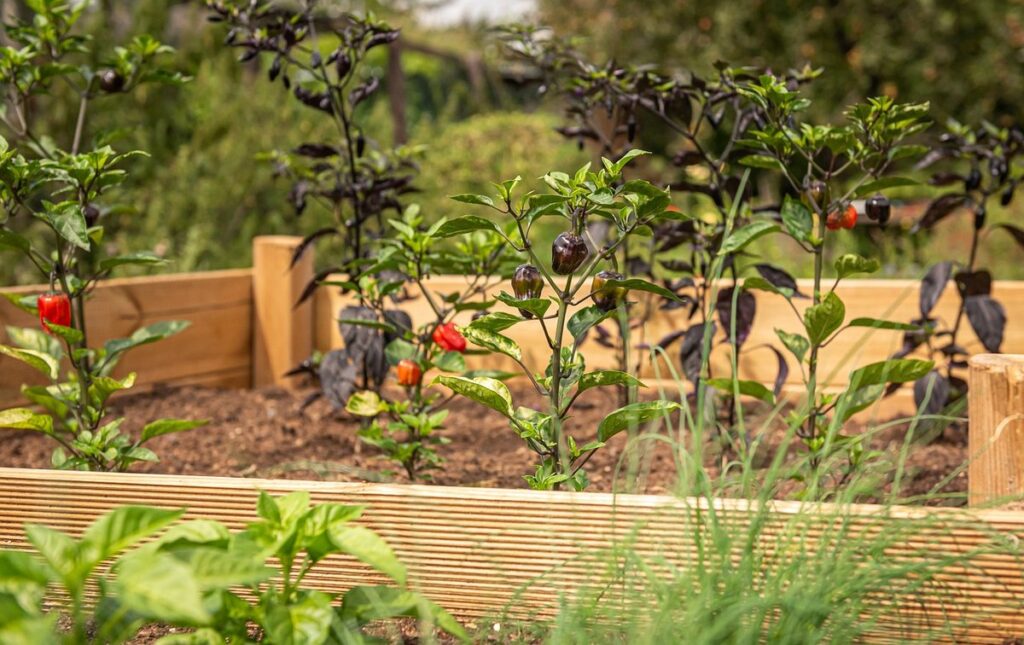
Benefits of Raised Garden Beds
Raised garden beds offer numerous advantages over traditional in-ground gardens, and we’re about to explore some of the most significant benefits you can expect. Let’s start by discussing improved drainage and soil quality.
Improved Drainage and Root Growth
Raised beds offer several advantages when it comes to drainage, aeration, and root growth. One of the primary benefits is improved water drainage. The raised design allows excess water to drain quickly and easily, preventing waterlogged soil that can lead to root rot. This is particularly beneficial for plants with deep taproots, such as carrots and beets.
The raised bed’s aeration also promotes healthier root growth. By elevating the soil, roots are able to grow downward more efficiently, reducing the risk of root bound conditions. This also allows for better air exchange, which helps to prevent fungal diseases that thrive in moist environments.
For example, parsnips and radishes have taproots that can extend several feet into the ground. In raised beds, these plants are able to develop their roots without being restricted by waterlogged soil or poor drainage. As a result, they tend to be healthier and more productive than when grown in traditional garden beds. By choosing raised beds, gardeners can create an ideal environment for plants with deep taproots, leading to better yields and reduced maintenance.
Increased Accessibility and Versatility
Raised beds can be built at waist-high levels, making it easier for gardeners to plant, maintain, and harvest their crops without straining their backs. This is particularly beneficial for older adults or individuals with mobility issues who may struggle with bending and kneeling.
By constructing raised beds between 2-3 feet high, you can work comfortably while standing upright. This ergonomic design reduces the risk of back strain and fatigue, allowing gardeners to tend to their plants for longer periods without feeling exhausted. Furthermore, waist-high raised beds enable people with limited mobility to participate in gardening activities that might otherwise be challenging or impossible.
When building your raised bed, consider using a wide, stable platform to ensure it remains secure and even. You can also install a trellis or other support system nearby for plants that need vertical space, like climbing peas or beans. This thoughtful design not only increases accessibility but also adds versatility to your garden by accommodating a range of plant types and growth habits.
Soil Erosion Prevention and Retention
Raised beds help prevent soil erosion by containing the soil within the bed, reducing the risk of nutrient loss and improving soil quality. This is particularly beneficial for gardeners who have sloping or uneven terrain, as raised beds can be built to level out the ground and prevent water from washing away the topsoil.
One key advantage of raised beds in preventing soil erosion is that they allow you to create a barrier between the soil and external factors like heavy rainfall or irrigation runoff. By containing the soil within the bed, you reduce the risk of nutrient loss through leaching or erosion. This means your plants will have access to a consistent supply of nutrients, promoting healthy growth and development.
To maximize the benefits of raised beds in preventing soil erosion, consider using materials that are resistant to water and can withstand heavy loads. For example, cedar or reclaimed wood can be used for raised bed frames, while composite materials like recycled plastic can provide additional durability. By building a sturdy and well-designed raised bed, you’ll not only prevent soil erosion but also create a healthy environment for your plants to thrive in.
Drawbacks of Raised Garden Beds
Raised garden beds have their downsides, and understanding these limitations is crucial for you to make an informed decision about using them. We’ll examine some common drawbacks to consider.
Higher Initial Cost and Maintenance
One of the main drawbacks of raised garden beds is the higher initial cost and ongoing maintenance expenses. Building a raised bed requires investing in materials such as wood, composite boards, or liners, which can be expensive upfront. The cost of building a single raised bed can range from $50 to over $500, depending on its size and material quality.
In addition to the initial investment, raised garden beds also require regular maintenance. Wooden boards may need to be replaced every 5-10 years due to rot or insect damage, which can add up in cost over time. Liners, on the other hand, typically last longer but may still need to be replaced periodically. Regular maintenance tasks such as weeding and watering can also increase labor costs.
To minimize these expenses, consider using recycled or reclaimed materials for your raised bed frame. You can also choose more durable materials that require less frequent replacement. By planning ahead and budgeting for ongoing maintenance, you can enjoy the benefits of raised garden beds while minimizing their drawbacks. This includes considering the cost of replacement parts when selecting materials for your raised bed.
Limited Depth and Plant Selection
One major limitation of raised garden beds is their limited depth. Most raised beds are between 6 and 12 inches deep, which can be a problem for plants with extensive root systems. For example, potatoes, carrots, and parsnips require deeper soil to grow properly. These plants need room to develop their taproots, which can extend several feet below the surface of the soil.
As a result, you may find that certain plants simply won’t thrive in raised beds. Consider using containers or other deep-growing methods for these types of vegetables. You can also try using raised beds with deeper sides or even raised beds on legs to increase the depth of the growing area.
Additionally, some plants are naturally more suited to shallower soil conditions and will do well in raised beds. These include leafy greens like lettuce, spinach, and kale, as well as herbs like basil and rosemary. Be sure to choose varieties that are compact or dwarf, which tend to have smaller root systems and are better suited to the conditions found in raised beds.
Raised bed planters may also limit your selection of plants due to space constraints.
Designing and Building Raised Garden Beds
When designing and building raised garden beds, choosing the right materials and size is crucial to create a functional and aesthetically pleasing space for your plants. Let’s take a closer look at some essential considerations.
Choosing the Right Materials
When building a raised garden bed, one of the most critical decisions you’ll make is selecting the right materials. The durability and longevity of your bed depend on it. Wood types vary significantly in quality and lifespan. Cedar and cypress are popular choices due to their natural resistance to rot and insects. However, they can be expensive and may require additional treatments.
Composite materials, made from a blend of wood fibers and plastic, offer improved durability and low maintenance. They’re often more cost-effective than cedar or cypress but may not provide the same aesthetic appeal. Recycled plastic is another option, suitable for budget-conscious gardeners. It’s eco-friendly and can withstand harsh weather conditions.
Consider the climate and intended use when selecting materials. For example, a raised bed in an area prone to heavy rainfall might require materials that allow for good drainage. In contrast, a bed in a dry region could benefit from more water retention capabilities. Additionally, think about the style and color of your garden; composite or recycled plastic may not be as visually appealing as natural wood.
When choosing materials, prioritize durability, longevity, and maintenance requirements. Consider budget constraints and the desired aesthetic to make an informed decision.
Planning for Space and Layout
When planning a raised bed layout, it’s essential to consider the space constraints and maximize the use of resources. Measure your available area and create a rough sketch of the space where you’ll be placing the raised beds. Consider the mature size of the plants you want to grow, leaving about 1-2 feet of space between each plant for easy access and air circulation.
Think about the path you’ll need to follow when watering or harvesting your crops. A straight layout with rows running north-south can help reduce shading from taller plants and make maintenance easier. If you’re short on space, consider a square or circular bed design that allows for more efficient use of corners and edges.
Remember to also plan for access points and pathways between beds. A width of at least 2-3 feet is recommended for easy movement, but it ultimately depends on your personal preference and mobility needs. Consider the type of plants you’ll be growing and their specific requirements when planning your layout. By taking these factors into account, you can create a well-designed raised bed layout that meets your needs and promotes healthy plant growth.
Soil Preparation and Fertilization in Raised Beds
To grow a thriving garden in your raised bed, you’ll need to focus on creating a nutrient-rich soil environment through preparation and strategic fertilization. This process is simpler than you might think!
Understanding Soil pH and Nutrient Requirements
Soil pH levels play a crucial role in determining which nutrients are available to plants. Most vegetables prefer a slightly acidic to neutral soil pH between 6.0 and 7.0, while some like blueberries thrive in more acidic conditions below 5.5. On the other hand, alkaline soils above pH 8.0 can lead to nutrient deficiencies and reduced plant growth.
Different plants have varying nutrient requirements as well. For instance, leafy greens like lettuce and spinach require a lot of nitrogen, phosphorus, and potassium (NPK) for optimal growth, while root vegetables like carrots and beets need less NPK but more calcium and magnesium. Understanding these specific needs is essential to avoid over-fertilizing or under-fertilizing your raised bed plants.
To make informed decisions about soil pH and nutrient requirements, research the specific needs of each plant variety you’re growing. Check seed packets, consult gardening experts, or look up online resources like the USDA’s Soil Quality Information System for guidance on optimal soil conditions for various crops. By taking these factors into account, you can create a well-balanced fertilizer plan that meets your raised bed plants’ unique needs and promotes healthy growth.
Techniques for Optimizing Soil Structure and Fertility
To optimize soil structure and fertility within raised garden beds, you can start by adding organic matter. Mix in 2-3 inches of compost, well-rotted manure, or peat moss to improve soil’s water-holding capacity and drainage. You can also use cover crops like clover or rye, which have deep taproots that help break up compacted soil layers.
Another technique is to incorporate green sand, a natural source of potassium, to promote root development and overall plant health. Some gardeners also swear by using worm castings, rich in micronutrients and beneficial microorganisms, as a fertilizer booster.
When it comes to pH management, consider adding dolomitic limestone to raise the pH if your soil is too acidic, or sulfur to lower it if it’s too alkaline. Regularly testing your soil will help you pinpoint specific nutrient deficiencies, which can then be addressed through targeted additions of fertilizers or other amendments.
For raised beds with poor drainage, create a layer of coarse material like perlite or sand at the bottom to facilitate water movement and prevent waterlogging.
Raised Garden Bed Maintenance and Upkeep
To keep your raised garden bed thriving, regular maintenance is crucial, including tasks like watering, fertilizing, and pruning to ensure a healthy harvest. This process may seem daunting, but with a few simple tips, you’ll be on your way to a stress-free gardening experience.
Regular Weeding and Watering Practices
To maintain healthy plants in raised beds, regular weeding and watering practices are crucial. Weeds can compete with your desired plants for water and nutrients, while excessive moisture can lead to root rot and other issues.
When it comes to weeding, focus on removing weeds before they produce seeds. Hand-weeding or using a hoe is effective for most raised bed gardens. Be sure to remove the entire root system of the weed to prevent regrowth.
Watering practices also require attention. Raised beds dry out faster than traditional in-ground gardens due to their elevated design. Aim to water your plants when the top 2-3 inches of soil feels dry to the touch. Avoid overwatering, which can lead to fungal diseases and root rot.
To optimize watering, consider installing a drip irrigation system or soaker hose, which deliver water directly to the roots while minimizing evaporation and runoff. You should also mulch around plants to retain moisture in the soil and suppress weeds.
By incorporating these weeding and watering practices into your routine, you’ll be well on your way to maintaining a healthy and thriving raised bed garden.
Monitoring and Adjusting pH Levels and Nutrient Content
Monitoring pH levels is crucial for optimal plant growth in raised garden beds. You can use a soil testing kit to determine the current pH level and nutrient content. These kits typically provide a color-coded result, making it easy to understand the pH reading. For example, if the test strip turns yellow, the soil is alkaline (pH 7 or higher), while a blue color indicates acidity (pH below 7). Most vegetables prefer a slightly acidic to neutral soil pH between 6.0 and 7.0.
To adjust the pH levels, you can add elemental sulfur or dolomitic limestone to lower or raise the pH, respectively. However, be cautious when making significant changes, as this can disrupt the existing nutrient balance. Aim for small adjustments (0.5-1 pH unit) at a time and retest the soil after each application.
In addition to monitoring pH levels, it’s essential to check nutrient content regularly. You’ll want to test for nitrogen (N), phosphorus (P), and potassium (K) levels using a similar testing kit or sending a sample to a lab. Based on the results, you can apply organic fertilizers like compost, manure, or fish emulsion to supplement the soil’s natural fertility.
Tips for Extending the Growing Season with Raised Beds
If you want to grow a lush and vibrant garden year-round, extending the growing season is key. Consider these essential tips for getting the most out of your raised bed.
Using Cold Frames, Greenhouses, or Row Covers
To extend the growing season with raised beds, you can employ various strategies using cold frames, greenhouses, or row covers. Cold frames are essentially transparent boxes that trap sunlight and warm air to extend the growing period by 4-6 weeks. They’re ideal for vegetables like lettuce, spinach, and kale, which thrive in cooler temperatures. To use a cold frame effectively, place it near your raised bed and ensure it’s level and secure.
Greenhouses offer more protection from harsh weather conditions and can be used year-round. However, they require regular maintenance to maintain optimal temperature and humidity levels. Some gardeners opt for mini-greenhouses or hoop houses, which are less expensive and easier to build than full-scale greenhouses.
Row covers are lightweight, breathable fabrics that allow plants to breathe while keeping frost and pests at bay. They can be used in conjunction with cold frames or as a standalone solution. When choosing row covers, select materials that filter 70-90% of light to prevent overheating. Apply the cover directly over your raised bed, ensuring it’s snug but not too tight to allow for air circulation.
Sowing Seeds at Different Times of Year
To ensure a continuous harvest with raised beds, consider sowing seeds at different times of year. This approach allows you to take advantage of seasonal changes and extend the growing season. In temperate climates, for example, spring and fall are ideal times for planting cool-season crops like broccoli, kale, and carrots.
In regions with mild winters, winter sowing can be just as successful. Plant seeds in late summer or early fall for a winter harvest. For warm-season crops like tomatoes and peppers, wait until the soil has warmed up in late spring or early summer. Avoid planting too early, when risk of frost is still high.
For continuous production, rotate your plantings. Sow cool-season crops in early spring or late summer/early fall to ensure a steady supply of fresh produce. Warm-season crops can be planted later in the season, typically after the last frost date. Keep in mind that specific planting times will vary depending on your region’s climate and weather patterns.
Some examples of bi-annual plants include beans, peas, and lettuce. These can be sown in early spring or late summer/early fall for a continuous harvest.
Frequently Asked Questions
How Often Should I Replace Wooden Boards in My Raised Garden Bed?
Replace wooden boards every 5-7 years or when they show significant signs of rotting. Regularly inspect your raised garden bed for damage and replace boards promptly to prevent infestations and maintain the bed’s integrity.
What If I Want to Build a Raised Garden Bed with a Sloping Site?
To build a raised garden bed on a sloping site, consider installing a level or using adjustable supports to ensure the bed remains stable. You can also design your bed with built-in drainage systems to prevent water accumulation and erosion.
Can I Use Raised Garden Beds in Areas with High Winds or Frost?
Yes, you can use raised garden beds in areas with high winds or frost. However, choose wind-resistant materials for your bed’s construction, and consider adding protective covers or row covers to shield plants from harsh weather conditions.
How Do I Know When My Raised Garden Bed Needs More Fertilization?
Monitor your plant growth and adjust fertilization accordingly. Typically, raised garden beds require more frequent fertilization due to their contained soil volume. Check the nutrient content in your soil through regular testing kits or consult with a local nursery for guidance on optimal fertilizer application.
Can I Use Recycled Materials for Building Raised Garden Beds?
Yes, you can use recycled materials like reclaimed wood, plastic containers, or old pallets for building raised garden beds. However, ensure that these materials are clean and free of contaminants to avoid harming your plants’ health and the environment.

