
Plastic-free living is no longer just a trend, but a necessary shift towards a more sustainable lifestyle. You might be wondering where to start or feeling overwhelmed by the thought of eliminating plastic from your daily life. The truth is, every small change counts, and making conscious choices about the products you use and the waste you generate can have a significant impact on the environment.
From the kitchen to the bathroom, our homes are filled with single-use plastics that contribute to the staggering amount of waste we produce each year. By learning how to reduce, reuse, and recycle, you’ll not only be doing your part for the planet but also discovering healthier alternatives for yourself and your family. In this comprehensive guide, we’ll explore practical tips and strategies for living plastic-free at home and beyond, so by the time you finish reading, you’ll know exactly how to make a positive change in your daily life.
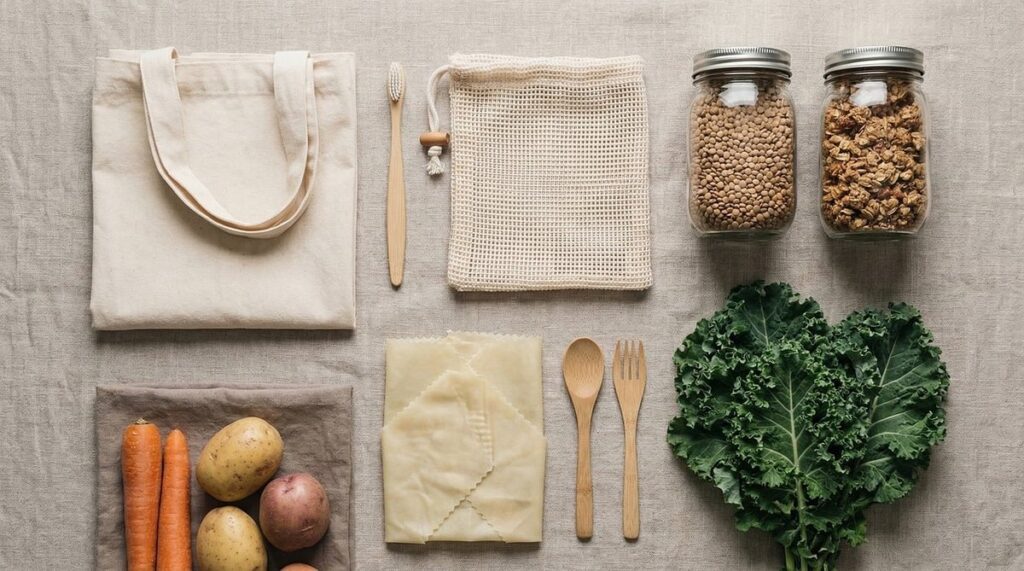
Understanding the Problem
When it comes to making a change towards plastic-free living, understanding the root of the issue is crucial. Let’s examine the environmental and personal impact of our current plastic usage habits.
The Impact of Plastic Pollution
Plastic pollution has far-reaching consequences for both the environment and human health. According to a recent study, over 8 million tons of plastic waste enter our oceans every year, harming marine life through entanglement, suffocation, and ingestion. For example, sea turtles mistake plastic bags for jellyfish and eat them, while fish absorb toxic chemicals from plastic debris.
The effects of plastic pollution extend beyond the ocean to human health. Microplastics have been found in tap water, bottled water, and even beer, raising concerns about their potential impact on our bodies. Exposure to microplastics has been linked to an increased risk of cancer, reproductive issues, and other health problems. In addition, many plastics release chemicals like BPA and phthalates when they break down, which can leach into food and water.
To put this issue into perspective, consider the following facts: plastic production has tripled since 1990, and if we continue at this rate, there will be more plastic than fish in the ocean by 2050. These statistics underscore the need for immediate action to reduce plastic waste and promote sustainable living practices. By making conscious choices about our consumption habits and supporting policy changes, we can mitigate the impact of plastic pollution on both the environment and human health.
The Role of Consumerism in Plastic Use
Consumerist culture is a significant contributor to plastic waste. The constant pursuit of new and cheap products fuels the production of single-use plastics, which are used for packaging, disposable bags, straws, and other items. This cycle of consumption and disposal creates a massive amount of waste that ends up in landfills or oceans.
To break this cycle, individuals can start by reassessing their purchasing habits. They should look for products with minimal or biodegradable packaging, buy in bulk to reduce the number of individual packages, and choose items made from sustainable materials like bamboo or recycled plastics. Avoid buying products that are unnecessary or will quickly become obsolete.
Some companies have started to adopt more environmentally friendly practices, such as using refillable containers or eliminating single-use plastics altogether. However, it’s essential for consumers to hold these companies accountable by demanding more sustainable options and boycotting those that continue to prioritize profits over the environment.
Reducing Plastic Waste at Home
Reducing plastic waste is one of the simplest and most impactful changes you can make to live more sustainably, starting right at home. Let’s look at practical ways to minimize single-use plastics in your daily life.
Simple Swaps for a More Sustainable Home
Start by making changes to your daily habits and routines. One of the simplest swaps you can make is switching from plastic water bottles to refillable containers. Choose a BPA-free stainless steel or glass bottle that fits your style and preferences. You can also consider using a reusable coffee cup or mug instead of disposable cups.
Another easy switch is from plastic wrap to beeswax wraps or reusable containers for storing food in the kitchen. Beeswax wraps are a great alternative to plastic wrap as they are non-toxic, compostable, and can be reused multiple times. You can also use glass containers with lids to store leftovers and snacks.
When shopping for personal care products, look for refill options instead of buying new plastic packaging every time. Consider using a reusable makeup remover pad or cotton rounds to reduce waste. Finally, take stock of your cleaning supplies and switch to eco-friendly alternatives that come in recyclable or biodegradable packaging.
Zero-Waste Kitchen Essentials
When it comes to reducing plastic waste in the kitchen, having the right tools and gadgets can make all the difference. One essential item is a stainless steel straw, which replaces single-use plastic straws found in many beverages. This simple swap can eliminate thousands of straws from entering landfills and oceans each year.
Reusable coffee filters are another game-changer for coffee lovers who want to reduce waste. Instead of discarding paper filters after each use, you can clean and reuse metal or silicone filters made from durable materials. These filters also often come with built-in grinds containers, further reducing the amount of waste generated in the process.
Cloth napkins are a staple in many zero-waste households, replacing paper towels for everyday cleaning tasks like wiping down countertops and cleaning up spills. Made from natural fibers like cotton or linen, these napkins can be washed and reused multiple times before eventually needing to be replaced. Look for napkins with a durable weave that can withstand repeated washing and use.
Plastic-Free Personal Care
When it comes to personal care, many everyday products contribute significantly to plastic waste. We’ll explore alternatives to traditional toiletries and beauty products that are gentle on you and the planet.
Toxic Chemicals in Personal Care Products
Personal care products often contain chemicals that can harm human health and the environment. Endocrine disruptors, such as parabens and phthalates, mimic hormones in the body, potentially leading to issues like reproductive problems and cancer. Carcinogens, including formaldehyde and triclosan, are known or suspected to cause cancer.
Many personal care products contain multiple chemicals that can combine to increase their toxicity. For example, a study found that women who used more than 20 personal care products per week were exposed to an average of 168 chemicals daily. This is concerning, as even small amounts of some chemicals have been linked to serious health issues.
Some common culprits include:
- Parabens in shampoos and body washes
- Formaldehyde in nail polishes and hair straightening treatments
- Phthalates in fragrances and men’s personal care products
When shopping for personal care products, read labels carefully. Look for certifications like EWG Verified or NATRUE, which indicate that a product meets certain standards for safety and sustainability. Choose products with natural ingredients and avoid those with known toxins. By making informed choices, you can reduce your exposure to toxic chemicals in personal care products.
Eco-Friendly Alternatives to Conventional Products
Coconut oil has become a staple in many natural skincare routines due to its moisturizing and anti-inflammatory properties. When used as a face mask, it can deeply nourish dry skin, leaving it feeling soft and supple. However, not all coconut oils are created equal – opt for cold-pressed and organic options to avoid harsh chemicals.
Essential oils have also gained popularity in recent years as a natural cleaning alternative. Peppermint oil, for instance, is a potent disinfectant that can be used to clean countertops and sinks without leaving any residue. Mix a few drops of peppermint essential oil with water in a spray bottle for an effective all-purpose cleaner.
Bamboo toothbrushes are another eco-friendly alternative to conventional oral care products. Not only do they reduce plastic waste, but they also promote good oral hygiene by allowing for gentle scrubbing and effective cleaning. Look for toothbrushes with soft-bristled heads and natural antibacterial properties like activated charcoal or baking soda.
When switching to these alternatives, keep in mind that it may take some time to adjust to their unique textures and scents. Start with small batches of essential oil cleaners or use coconut oil as a spot treatment for minor skin irritations before incorporating it into your daily routine.
Sustainable Fashion
As we continue on our journey to a plastic-free lifestyle, let’s explore sustainable fashion practices that not only reduce waste but also promote eco-friendly production methods. This includes conscious purchasing habits and second-hand shopping options.
The Hidden Truth About Fast Fashion
Fast fashion’s impact on the environment is staggering. The industry churns out an estimated 12% of global greenhouse gas emissions each year. This is due in part to the massive amounts of water required for cotton cultivation, as well as the energy used for manufacturing and transportation.
The exploitation of workers in fast fashion factories is equally disturbing. Many garment workers labor in conditions that would be considered unacceptable in other industries: long hours, low pay, and hazardous working environments are common. In some countries, employees may work up to 18-hour shifts without adequate rest or compensation.
In addition to environmental degradation and worker exploitation, the fast fashion business model relies on a “take, make, dispose” approach. This means that clothes are designed to be worn briefly before being discarded and replaced with new items. The average American generates about 82 pounds of textile waste per year, much of which ends up in landfills or incinerators.
When shopping for clothing, consider the lifespan of each item. Choose high-quality pieces that can be repaired or repurposed when they eventually wear out. By doing so, you’ll reduce your contribution to the fast fashion problem and help create a more sustainable fashion industry.
Investing in Quality Over Quantity
When it comes to sustainable fashion, investing in quality over quantity is a game-changer. Buying second-hand clothing can significantly reduce plastic waste, as most thrift stores and online marketplaces reuse bags made from recycled materials or biodegradable alternatives.
Renting clothes is another fantastic option for those who want to stay stylish without contributing to the fast fashion problem. Clothing rental services like Rent the Runway offer high-end designer dresses for rent, eliminating the need for single-use garments. This model not only reduces waste but also encourages customers to take better care of their rented items.
Investing in sustainable fabrics is a long-term solution that benefits both the environment and your wardrobe. Look for clothing made from natural fibers like organic cotton, hemp, or bamboo. These materials are biodegradable, require less water and pesticides during production, and often have a longer lifespan than synthetic fibers.
When shopping for second-hand or sustainable clothing, prioritize items made from these eco-friendly materials. You can also consider investing in timeless pieces that won’t go out of style quickly, reducing the need for frequent purchases and waste generation.
Community Involvement and Activism
As you strive for a more sustainable lifestyle, understanding how your actions can make a broader impact is crucial. This section explores ways to get involved in your community and amplify the plastic-free movement through activism.
Joining Local Initiatives to Reduce Plastic Waste
Many communities have formed local initiatives to tackle plastic waste, and joining these groups can be a great way for you to get involved. Start by searching online for “plastic-free initiative” or “zero-waste group” in your area, along with the name of your city or region. You might also check local Facebook groups or community boards at coffee shops and libraries.
Some examples of local initiatives include beach cleanups, park cleanups, or organized trash collection events. These events can be a great way to meet like-minded individuals and learn about other ways you can contribute to the cause. Many groups also organize workshops, lectures, and demonstrations on sustainable living practices, which can provide valuable insights and practical tips.
Before getting involved with any group, consider their goals, values, and methods. Ask questions like: What is the focus of this initiative? How do they plan to achieve their goals? Are their methods effective and environmentally friendly?
When joining a local initiative, be prepared to get hands-on and contribute your time and skills. Whether it’s participating in an event or helping with behind-the-scenes tasks, every bit counts. By working together with your community, you can make a tangible impact on reducing plastic waste and create lasting change.
Organizing Your Own Plastic-Free Event
When planning a plastic-free event, start by choosing a clear and engaging theme. This could be anything from a beach clean-up to an eco-market showcasing sustainable products. Be specific about what you want to achieve and how the event will contribute to reducing plastic waste.
Consider partnering with local businesses, schools, or community groups to amplify your efforts. Reach out to them for support, resources, or even sponsorship. You can also involve local artists or musicians who share your eco-friendly values.
Create a social media buzz around your event by designing eye-catching posters and flyers that highlight the theme and importance of reducing plastic waste. Utilize platforms like Facebook Events and Instagram to promote your event and encourage attendees to share their experiences with friends and family.
Use relevant hashtags to increase visibility, such as #plasticfree, #sustainability, or #ecofriendly. Collaborate with influencers or eco-conscious bloggers to help spread the word about your initiative.
Conclusion: Making a Lasting Impact
As you continue on your plastic-free journey, it’s time to reflect on what lasting impact you can make and how to sustain these changes in your daily life. Let’s explore practical ways to create a ripple effect.
Key Takeaways for a More Sustainable Lifestyle
Embracing a plastic-free lifestyle requires a multifaceted approach. One of the most critical steps is to reassess your daily habits and identify areas where you can make changes. Consider replacing single-use plastics with reusable alternatives, such as switching from disposable water bottles to refillable ones.
Another key takeaway is to prioritize sustainable products when shopping. Opt for items packaged in minimal or biodegradable materials, and choose products with minimal or recyclable packaging. For instance, look for soap bars instead of liquid soap dispensers, which often come in plastic bottles.
In addition, it’s essential to adopt a mindset shift towards quality over quantity. Instead of buying cheap, disposable items, invest in durable, long-lasting alternatives that will reduce waste in the long run. This approach may require an initial investment, but it will pay off in terms of reduced waste and environmental impact.
To further minimize plastic use, consider adopting the “5 Rs”: Refuse what you don’t need, Reduce your consumption, Reuse what you can, Recycle when possible, and Rot (compost) food waste. By incorporating these habits into your daily routine, you’ll be well on your way to a more sustainable lifestyle.
Continuing Your Journey Towards Plastic-Free Living
Continuing Your Journey Towards Plastic-Free Living is a lifelong commitment. You’ve taken the first steps towards reducing plastic waste and embracing sustainable living, but there’s still so much to explore. One inspiring example of individual impact is Bea Johnson, who has been living zero-waste since 2008 and has helped countless others join her in this endeavor.
To continue on your own journey, consider sharing your experiences with friends and family, or joining local initiatives that align with your goals. You can also share tips and advice on social media using hashtags like #zerowaste or #plasticfree. For further learning, check out websites like Zero Waste Home, Plastic Pollution Coalition, or The Better Packaging Project for innovative ideas and practical guides.
When it comes to staying motivated, remember that every small change counts – from switching to a reusable water bottle to choosing products with minimal packaging. Celebrate your successes and don’t be too hard on yourself when you slip up. As you continue down the path of plastic-free living, you’ll find creative solutions, supportive communities, and a deeper connection to the world around you.
Frequently Asked Questions
How Do I Know If My Plastic-Free Changes Are Making a Difference?
Start tracking your waste reduction by weighing and measuring the amount of plastic you’re eliminating. Use a habit tracker or journal to monitor your progress, and celebrate small victories along the way. This will help you stay motivated and see tangible results from your efforts.
What Happens When I Run Out of Eco-Friendly Alternatives for My Personal Care Routine?
Don’t feel like you need to switch everything at once. If you can’t find a suitable alternative for a particular product, consider making do with what you have or exploring DIY recipes. You can also try reaching out to brands for more sustainable options or supporting startups that offer eco-friendly personal care products.
How Can I Effectively Convince Family and Friends to Join Me in Plastic-Free Living?
Start by sharing your own experiences and the benefits of plastic-free living, such as cost savings and improved health. Encourage them to try small changes together, like using reusable bags or straws. Be patient and supportive, as everyone’s journey is unique, and avoid being judgmental about their choices.
What If I’m Unable to Afford Eco-Friendly Products or Alternatives?
Look for affordable options by shopping second-hand or exploring local thrift stores. Consider making your own products or repurposing items you already have at home. You can also reach out to organizations that offer free or low-cost resources and support for transitioning to a more sustainable lifestyle.
How Can I Balance My Desire for Plastic-Free Living with the Needs of People in Poverty Who Rely on Single-Use Plastics?
Acknowledge that access to clean water, sanitation, and hygiene (WASH) facilities is a human right. In some communities, single-use plastics are necessary due to limited resources or infrastructure. Consider supporting organizations that provide WASH services and advocate for sustainable solutions that prioritize human needs over convenience.
What If I’m Struggling to Maintain My Plastic-Free Habits During Travel or When Eating Out?
Plan ahead by packing reusable containers, bags, and water bottles when traveling. Research restaurants and cafes that offer eco-friendly options, such as refillable coffee cups or straws made from sustainable materials. Be kind to yourself if you slip up – simply acknowledge the setback and continue moving forward with your plastic-free journey.

