
Creating a pollinator garden is a simple yet effective way to make a big impact on the environment. You might be surprised to learn that one-third of all the food you eat is directly or indirectly dependent on the visits of bees and butterflies. These pollinators are essential for the reproduction of many plant species, and their numbers have been declining at an alarming rate due to habitat loss and pesticide use. By planting a pollinator-friendly garden, you can provide a haven for these vital insects and help to reverse this trend. This article will show you how to create a pollinator garden with native plants, proper location, and minimal maintenance. You’ll learn how to attract bees and butterflies to your garden and discover the importance of pollinators in our ecosystem. By the time you finish this article, you’ll be able to create a thriving pollinator garden that brings joy and benefits to both you and the environment.
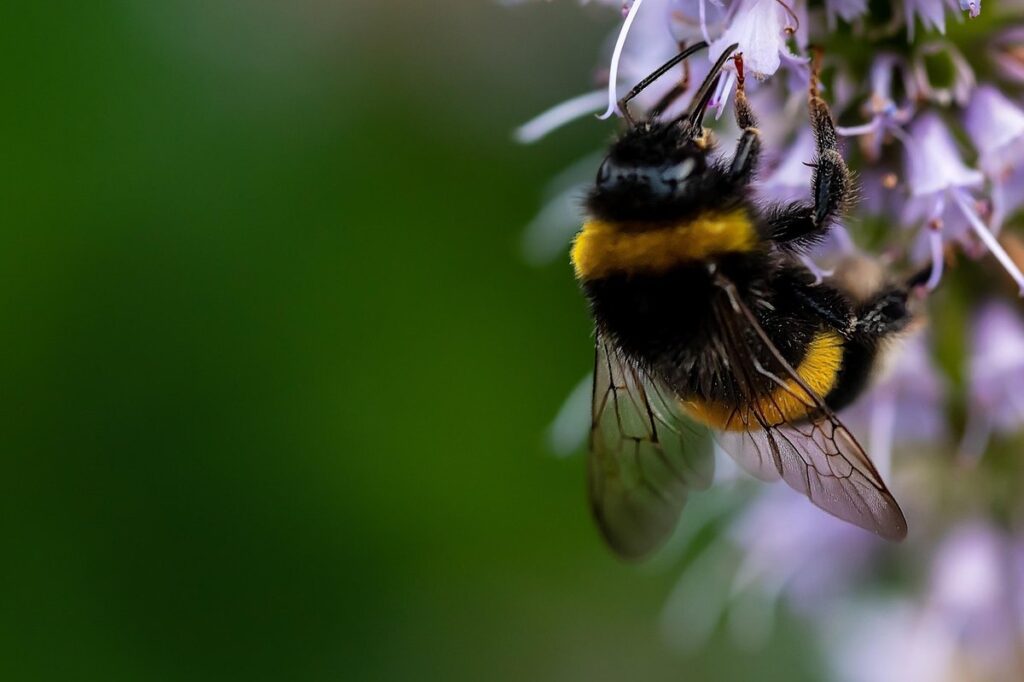
Understanding the Importance of Pollinator Gardens
Creating a pollinator garden is not just about planting flowers, it’s about understanding the vital role these gardens play in supporting local ecosystems and wildlife. This crucial connection is what makes pollinator gardens truly special.
The Role of Pollinators in Ecosystem Health
Pollinators like bees, butterflies, and hummingbirds play a crucial role in maintaining ecosystem health by transferring pollen between plants, facilitating the reproduction of plants, and contributing to seed production. This process is essential for the reproduction of many plant species, and it’s estimated that one-third of the food we eat is directly or indirectly dependent on animal pollination.
When pollinators transfer pollen between plants, they facilitate the reproduction of plants, allowing them to produce seeds and fruits. This process is vital for the continuation of many plant species, and it’s also essential for the production of many crops, including fruits, vegetables, and nuts. Without pollinators, many plant species would be unable to reproduce, and their populations would decline.
In addition to facilitating plant reproduction, pollinators also contribute to seed production. By transferring pollen between plants, pollinators help to increase seed production, which is essential for the growth and development of new plant populations. This process is particularly important for annual plants, which rely on seed production for their reproduction and growth.
Pollinators play a vital role in maintaining ecosystem health, and their decline can have significant impacts on ecosystem function and biodiversity. By planting a pollinator garden, you can help to support local pollinator populations and contribute to the health and resilience of ecosystems.
The Impact of Habitat Loss on Pollinator Populations
The loss of natural habitats and the degradation of ecosystems have led to a decline in pollinator populations, threatening food security and ecosystem resilience. This issue is particularly concerning for bee and butterfly populations, as they rely on specific habitats to survive. The destruction of meadows, forests, and wetlands has reduced the availability of food sources, nesting sites, and shelter for these pollinators.
For example, the monarch butterfly’s migration relies on specific milkweed plants, which are often found in natural habitats. Without these habitats, the monarch population is severely impacted. Similarly, bees require a diverse range of flowers to collect nectar and pollen, which is often lacking in urban areas.
To mitigate this issue, consider the impact of your pollinator garden’s location on local pollinator populations. Choose a site that is close to natural habitats or has been restored to its natural state. This will provide a vital connection for pollinators to forage and nest, helping to support the local population.
Choosing the Right Location for Your Pollinator Garden
When it comes to creating a haven for pollinators, choosing the right location for your garden is crucial, as it will impact the types of plants that thrive and the diversity of visitors you attract.
Selecting a Sunny Spot with Adequate Water Access
When selecting a location for your pollinator garden, it’s essential to identify a spot that receives at least six hours of direct sunlight. This will provide the necessary light for plants to undergo photosynthesis and thrive. Consider the orientation of your garden: south-facing areas receive the most direct sunlight, while north-facing areas receive the least.
In addition to sunlight, pollinator-friendly plants require access to a reliable water source. This can be a nearby hose or a rainwater collection system. Make sure the water source is close enough to the plants to prevent evaporation and ensure consistent moisture levels. Typically, plants need about 1-2 inches of water per week, either from rain or irrigation.
Be mindful of the microclimate in your garden. If you live in an area with high winds or extreme temperatures, choose a location that provides some protection. Also, consider the proximity to a water feature, such as a pond or stream, which can provide a natural source of water for your plants. By selecting a spot with adequate sunlight and water access, you’ll create an ideal environment for your pollinator garden to flourish.
Avoiding Areas with High Foot Traffic or Pesticide Use
When selecting a location for your pollinator garden, it’s essential to avoid areas with high foot traffic or pesticide use. These factors can pose significant risks to pollinators, including bees and butterflies. High foot traffic can lead to trampling of plants and soil compaction, making it difficult for pollinators to access food and shelter. Additionally, pesticides can be toxic to pollinators, causing harm or even death.
When assessing a location, consider the proximity to nearby gardens, parks, or other areas where pesticides may be applied. If possible, choose a spot that’s at least 10-15 feet away from any potential pesticide sources. Similarly, avoid areas with high foot traffic, such as playgrounds, sidewalks, or busy street corners. Instead, opt for a quieter spot that’s easily accessible for maintenance but not so close to human activity that it compromises pollinator safety.
If you’re unable to find a completely pesticide-free location, consider taking steps to mitigate potential risks. For example, you can install a physical barrier, such as a fence or trellis, to separate your garden from neighboring areas. This can help contain any potential pesticide drift and protect your pollinator garden.
Selecting Pollinator-Friendly Plants
When selecting plants for your pollinator garden, it’s essential to choose varieties that provide nectar and pollen for bees and butterflies to thrive. Consider the specific needs of these visitors when making your selections.
Native Plants and Their Benefits for Local Pollinators
Native plants are a crucial component of a pollinator garden, as they provide a source of nectar, pollen, and shelter for local pollinators. These plants have co-evolved with native pollinators over thousands of years, resulting in a mutually beneficial relationship. By choosing native plants, you can create a welcoming environment for pollinators in your area.
Native plants also require less maintenance than non-native plants, as they are better adapted to local climate and soil conditions. This means less watering, fertilizing, and pruning are needed, making them a low-maintenance choice for gardeners. For example, in the eastern United States, plants like coneflower and black-eyed Susan are native and provide a rich source of nectar for bees and butterflies.
When selecting native plants, consider the specific needs of your local pollinators. Different regions have unique native plant species that provide distinct benefits. For example, plants with long, tube-shaped flowers, like trumpet vine, are particularly attractive to hummingbirds. By choosing native plants that match your region’s climate and soil type, you can create a pollinator-friendly garden that thrives with minimal upkeep.
Plants to Avoid and Their Pollinator-Friendly Alternatives
When selecting plants for your pollinator garden, it’s essential to avoid those that are toxic to pollinators. Certain plants, such as those in the nightshade family, including eggplants, peppers, and tomatoes, contain toxic compounds that can harm or even kill bees and butterflies. These plants are particularly problematic because they can cross-pollinate with other plants, spreading their toxic compounds and putting pollinators at risk.
Some specific plants to avoid include:
- Solanum (nightshade) family members, such as eggplants, peppers, and tomatoes
- Coleus and its hybrids, which contain toxic alkaloids
- Castor bean (Ricinus communis), which is highly toxic to pollinators
- Oleander (Nerium oleander), a highly toxic plant that can be fatal to pollinators
Instead, opt for pollinator-friendly alternatives that are non-toxic and rich in nectar and pollen. Some good options include:
- Zinnias and marigolds, which are easy to grow and attract a variety of pollinators
- Sunflowers, which provide a rich source of nectar and pollen
- Lavender and coneflowers, which are popular with bees and butterflies
Designing and Preparing Your Pollinator Garden
As you begin planning your pollinator garden, the next step is to design and prepare the space to attract these vital visitors. Consider factors like sunlight, soil, and bloom timing to create a welcoming haven.
Creating a Diverse Planting Scheme
To create a diverse planting scheme, consider a mix of plants with different bloom times and heights. This approach ensures a constant source of nectar and pollen for pollinators. For instance, plant early-blooming species like crocuses and daffodils in the spring, followed by mid-season bloomers such as coneflowers and black-eyed Susans. Summer-blooming plants like lavender and bee balm provide a final nectar-rich period.
In terms of plant height, include a mix of tall, medium, and low-growing plants. This diversity provides shelter and nesting sites for pollinators. For example, tall plants like sunflowers and cosmos provide a backdrop for smaller plants like creeping thyme and sedum. Consider grouping plants by height and bloom time to create a layered, dynamic effect.
Aim to include at least three to five plants with different bloom times and heights in each 4×4 foot bed. This will create a diverse and resilient ecosystem that attracts a variety of pollinators throughout the growing season. By incorporating a mix of plants with different characteristics, you’ll create a pollinator-friendly garden that provides a constant source of food and shelter.
Preparing the Soil and Mulching
To prepare your pollinator garden’s soil for optimal growth and pollinator health, focus on creating a well-draining environment. Test your soil to determine its pH level and nutrient content. Most plants prefer a slightly acidic to neutral soil pH (around 6.0-7.0). Based on the test results, add organic matter like compost or well-rotted manure to adjust the pH and improve soil structure. Aim for a mix that’s 10-20% compost or manure, blending it with existing soil to avoid overwhelming the ecosystem.
Mulching is another essential step in maintaining a healthy pollinator garden. Apply a 2-3 inch layer of organic mulch, like wood chips, bark, or leaves, around plants. This will help retain moisture, suppress weeds that compete with pollinator-friendly plants, and regulate soil temperature. Mulch also reduces soil compaction, which can hinder root growth and make plants more susceptible to disease. Avoid using invasive mulch species or materials that can harbor pests, such as pine straw.
Planting and Maintaining Your Pollinator Garden
To create a thriving pollinator garden, you’ll need to choose the right plants and learn how to properly care for them, including watering and pruning techniques.
Planting Techniques and Timing
When planting your pollinator garden, timing and technique play critical roles in the success of your plants. Planting in the spring or fall, when the weather is cooler, will help reduce transplant shock and promote healthy growth. This is particularly important for young plants, which are more susceptible to stress and damage from extreme temperatures.
In the spring, wait until the soil has warmed up and the threat of frost has passed. This is usually around late March or early April, depending on your location. For fall planting, aim for late August or early September, when the days are still warm but the nights are starting to cool.
Avoid planting in the peak heat of summer, as this can cause plants to struggle and reduce their chances of survival. If you must plant in the summer, choose a spot with partial shade to help protect the plants from the intense sun. By planting at the right time and taking steps to reduce transplant shock, you can set your pollinator garden up for long-term success.
Maintenance Tasks and Scheduling
To keep your pollinator garden thriving, it’s essential to schedule regular maintenance tasks. This includes watering, weeding, and pruning, which should be done at specific times to ensure the garden’s health and vibrancy throughout the growing season. For example, water your plants when the top inch of soil feels dry to the touch, usually every 7-10 days during hot weather. Weeding is also crucial, as it prevents competition for water and nutrients between plants and reduces the risk of pests and diseases. Prune plants to maintain their shape, promote healthy growth, and encourage blooming.
Create a maintenance schedule to help you stay on track. Set reminders for watering, weeding, and pruning, and assign specific tasks to each week or month. Consider breaking down larger tasks into smaller, manageable chunks, such as weeding a section of the garden each day or pruning one plant at a time. This will make maintenance feel less overwhelming and more enjoyable. By staying on top of regular maintenance, you’ll be rewarded with a vibrant, healthy pollinator garden that attracts bees and butterflies all season long.
Encouraging Pollinator Visitation and Minimizing Stress
To attract and support pollinators, it’s essential to create a garden that minimizes stress and provides a welcoming environment for bees and butterflies to thrive. By implementing a few simple strategies, you can make your pollinator garden a haven for these vital visitors.
Providing a Source of Water and Shelter
When designing your pollinator garden, it’s essential to provide a source of water and shelter for these beneficial visitors. A shallow water source, such as a birdbath or a shallow dish, will allow pollinators to easily access water without drowning. Place the water source in a location that receives some shade, as direct sunlight can cause the water to evaporate quickly.
In addition to a water source, create a sheltered area with native vegetation. This can be a small copse of native trees or a patch of native shrubs. The sheltered area will provide a safe haven for pollinators to escape harsh weather conditions, such as strong winds or intense sunlight. It will also serve as a habitat for beneficial insects, such as ladybugs and lacewings, which prey on pests that can harm pollinators.
Some examples of native vegetation that provide excellent shelter include shrubs like butterfly bush and shrub rose, as well as perennials like coneflower and black-eyed Susan. When selecting native vegetation for your sheltered area, choose species that are well-suited to your local climate and soil conditions.
Minimizing Pesticide Use and Other Stressors
Pollinators are sensitive to chemical residues, so it’s essential to minimize or eliminate pesticide use in your garden. Instead of relying on broad-spectrum pesticides, adopt integrated pest management (IPM) strategies that target specific pests. For example, hand-picking aphids, lady beetles, and lacewings can control aphid populations without harming beneficial insects. Companion planting can also help deter pests; for instance, basil repels aphids and whiteflies, while marigolds deter nematodes.
Other stressors to minimize include lawn mowing, foot traffic, and nearby pollution sources. Consider creating a pollinator-friendly lawn substitute, such as a meadow or a native grass mix. If you must mow, use a mulching mower to leave the clippings on the lawn, which will act as a natural fertilizer and retain moisture. Regularly inspect your garden for signs of stress, like droopy or wilted plants, and address the issue promptly to prevent further stress.
To further reduce stressors, choose plants that are naturally resistant to pests and diseases. Some examples include coneflowers, black-eyed Susans, and bee balm. These plants not only attract pollinators but also require less maintenance and care.
Monitoring and Evaluating the Success of Your Pollinator Garden
As your garden grows and flourishes, it’s essential to assess its impact on local pollinators, and a few simple steps can help you measure its success over time.
Tracking Pollinator Activity and Plant Health
Tracking pollinator activity and plant health is crucial to ensuring the success of your pollinator garden. Regular observations will help you identify areas where the garden can be improved, allowing you to make adjustments and optimize its performance.
Start by observing the types of pollinators visiting your garden, including the frequency and duration of their visits. Keep a log or use a mobile app to record your observations, noting the time of day, weather conditions, and any notable events. This will help you understand the patterns and preferences of your local pollinators.
Monitor plant health by inspecting for signs of stress, disease, or pests. Look for yellowing or wilting leaves, black spots, or white powdery patches, and take action promptly if you notice any issues. Watering and fertilization schedules can also be adjusted based on plant health observations. Consider using a plant label or a garden mapping app to keep track of plant species and their specific needs.
Check for beneficial insects, such as ladybugs and lacewings, which prey on pests that can harm your plants. This will help you maintain a balanced ecosystem and reduce the need for pesticides.
Making Adjustments and Improvements
As you track pollinator activity and plant health in your garden, you may notice areas that require improvement. Perhaps you’ve observed that certain plants are struggling to thrive, or that a particular species of pollinator isn’t visiting as frequently as you’d like. This is where the data you’ve collected becomes most valuable, as it can guide targeted adjustments to your garden design, plant selection, and maintenance schedule.
One key area to consider is the diversity of plants in your garden. Are there any areas where the same species is being planted repeatedly, or where the mix of plants is too uniform? Introducing more diverse plants can help attract a wider range of pollinators and reduce the reliance on a single species. Consider replacing plants that are consistently underperforming with more resilient alternatives.
Another aspect to examine is the timing of your maintenance tasks. Are you pruning or deadheading plants at a time when pollinators are most active, potentially disrupting their activity? Adjusting your maintenance schedule to avoid peak pollinator hours can help minimize stress on your garden’s ecosystem.
Frequently Asked Questions
Can I use container gardens or vertical planters for a pollinator garden?
Yes, you can use container gardens or vertical planters for a pollinator garden, but make sure to choose deep containers with good drainage to accommodate the root systems of native plants. This approach can be especially useful for small spaces or areas with poor soil quality.
How do I protect my pollinator garden from deer and other wildlife?
To protect your pollinator garden from deer and other wildlife, use physical barriers such as fencing or mesh to enclose the garden, or plant deer-resistant plants that are less appealing to wildlife. You can also use repellents or other deterrents to discourage wildlife from visiting the garden.
What if I have a small yard or limited space for a pollinator garden?
If you have a small yard or limited space for a pollinator garden, focus on creating a small but diverse planting scheme using native plants that require minimal maintenance. Consider using a trellis or a wall-mounted planter to maximize space. Even a small garden can make a significant impact on local pollinator populations.
Can I use compost or manure in my pollinator garden?
Yes, you can use compost or manure in your pollinator garden, but make sure to use it in moderation and in combination with other soil amendments. Excessive compost or manure can cause soil imbalances and harm plants. Use it to enrich the soil, but also maintain good drainage and aeration to prevent waterlogged soil conditions.
How do I know if my pollinator garden is attracting the right pollinators?
To know if your pollinator garden is attracting the right pollinators, observe the types of pollinators visiting the garden and note their behavior. Look for pollinators like bees, butterflies, and hummingbirds, and observe which plants they prefer. Use this information to adjust your garden design and plant selection to better attract the desired pollinators.

