
Excessive phone use has become a ubiquitous issue in modern society, with individuals spending hours each day staring at screens. But have you ever stopped to think about the impact this habit is having on your own life and relationships? For many of us, our phones have become an indispensable part of daily routine, but excessive usage can lead to signs of phone addiction, including social isolation, decreased productivity, and a range of physical health problems. Phone addiction may seem like a trivial concern, but the consequences are far-reaching, affecting not just individuals but also families, workplaces, and communities at large. In this article, you’ll learn about the symptoms and signs of phone addiction, its effects on mental and physical health, and practical strategies to reduce excessive phone use and promote healthier habits.
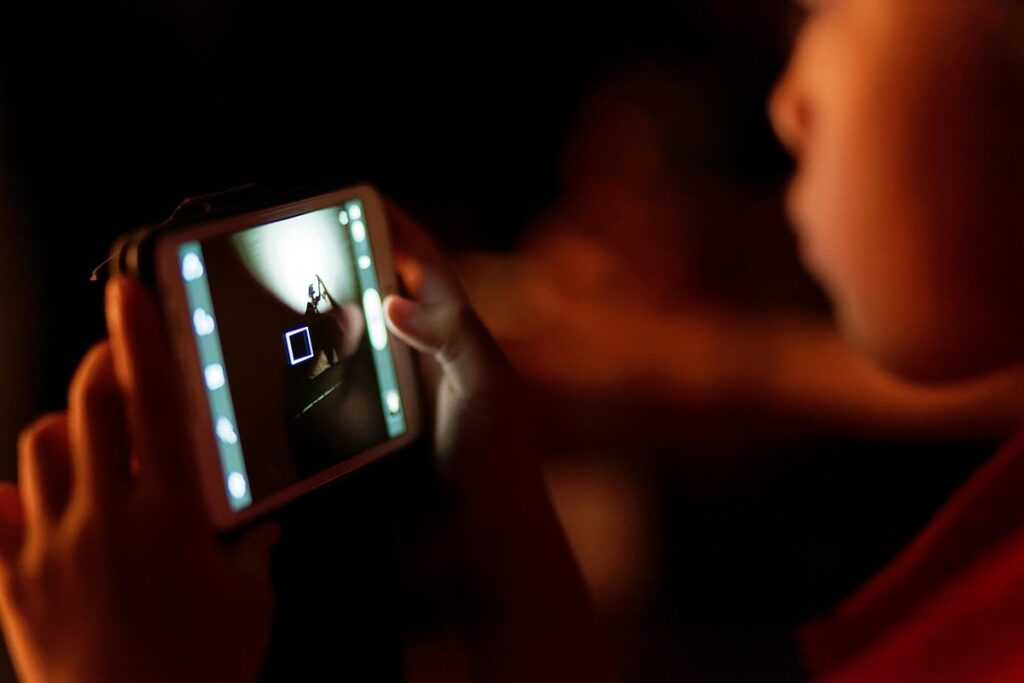
Understanding Phone Addiction
We all know someone who can’t seem to put down their phone, but what exactly is driving this behavior? Let’s examine the psychological factors behind phone addiction.
Defining Phone Addiction
Excessive phone use has been linked to a range of physical health problems. For instance, hunching over a phone for extended periods can lead to back and neck pain, as well as eye strain from staring at screens for too long. Moreover, a sedentary lifestyle that comes with excessive phone usage can increase the risk of obesity and diabetes.
In terms of mental health, phone addiction has been associated with anxiety, depression, and loneliness. Constantly comparing oneself to others on social media can lead to feelings of inadequacy and low self-esteem. Furthermore, the constant ping of notifications can activate the brain’s reward system, releasing feel-good chemicals like dopamine, but also perpetuating a cycle of craving and dissatisfaction.
It’s worth noting that phone addiction is not just about excessive screen time, but also about the impact it has on relationships and daily routines. For example, spending more time scrolling through phones than engaging with family members or friends can lead to social isolation. By being aware of these effects, individuals can take steps to mitigate their own phone usage and adopt healthier habits.
Signs and Symptoms of Phone Addiction
Phone addiction can manifest in various ways, making it challenging to recognize. One common sign is withdrawal symptoms when attempting to put down the phone. This can include anxiety, irritability, and restlessness, similar to those experienced by individuals going through detox from a substance.
Decreased productivity is another symptom of phone addiction. When constantly checking notifications and social media, it’s easy to become sidetracked from tasks at hand. Research has shown that employees spend up to two hours per day on non-work-related activities during work hours, resulting in significant lost productivity.
Social isolation is also a sign of phone addiction. Spending excessive time on phones can lead to decreased face-to-face interactions and deepened feelings of loneliness. A small minority of people may even experience FOMO (fear of missing out) after putting down their phone, only to be overwhelmed by the prospect of returning to it.
Recognizing these symptoms is crucial for taking steps towards recovery. Setting boundaries around phone use can help mitigate the effects of addiction, such as designating specific times for checking notifications or implementing screen-free zones in the home.
Consequences of Phone Addiction on Relationships
Phone addiction can lead to feelings of loneliness and disconnection from loved ones. When individuals are glued to their screens, they may neglect important events, conversations, and quality time with family and friends. This can result in strained relationships, hurt feelings, and a sense of isolation.
For instance, if you’re constantly checking your phone during dinner or while spending time with children, it sends a message that screen time is more important than human interaction. This can lead to resentment and frustration from loved ones, causing them to feel unimportant or neglected.
Furthermore, phone addiction can also affect romantic relationships. Excessive phone use can create an environment of distrust, as partners may assume the other is cheating or lying about their online activities. In extreme cases, it can even contribute to feelings of abandonment or rejection.
To mitigate these effects, set clear boundaries around phone use in social situations. Designate “phone-free” times and places, such as during meals or when spending time with children. Practice active listening by putting away your phone and engaging fully with others. By being more mindful of our phone usage, we can nurture healthier relationships and build stronger connections with those around us.
The Psychology Behind Phone Usage
Our phone usage habits are influenced by a complex mix of psychological factors, including addiction, social pressures, and emotional attachment. Understanding these underlying motivations can provide valuable insights into why we use our phones in certain ways.
How Phones Affect Our Brain Chemistry
Phone usage affects our brain chemistry in significant ways, particularly when it comes to dopamine release. When we engage with our phones, our brains experience a boost of dopamine, often referred to as the “reward” neurotransmitter. This surge is typically associated with activities that bring us pleasure or satisfaction, such as eating, sex, or socializing. However, phone usage has become a primary source of this rewarding sensation for many people.
As we scroll through social media, play games, or watch videos on our phones, our brains adapt to the constant availability of dopamine by changing their internal chemistry. This can lead to overstimulation and decreased production of other neurotransmitters like serotonin, which helps regulate mood and motivation. In extreme cases, excessive phone usage can contribute to addiction, as individuals become reliant on the instant gratification provided by their devices.
To mitigate this effect, it’s essential to maintain a balance between phone use and other activities that promote dopamine release through more natural means, such as exercise, creative pursuits, or socializing in person. By doing so, we can reduce our reliance on phones for instant pleasure and minimize the negative impact of phone usage on our brain chemistry.
The Role of Social Media in Phone Addiction
Social media platforms are designed to be highly engaging and addictive, often prioritizing user retention over well-being. This is evident in features such as infinite scrolling, algorithm-driven feeds, and notifications that trigger a constant stream of dopamine releases. These mechanisms are intentionally crafted to keep users hooked, encouraging them to spend more time on the platform.
The consequences of this design can be seen in the way social media perpetuates comparison and validation-seeking behaviors. Users constantly compare their lives to curated highlight reels, fostering feelings of inadequacy and low self-esteem. To alleviate these negative emotions, individuals turn to social media for validation, seeking likes and comments as a measure of self-worth.
The cycle continues with FOMO (fear of missing out), as users worry they’ll miss important events or updates if they’re not constantly connected. This anxiety drives people to stay online, even when it negatively impacts their mental health and relationships. To break this cycle, consider implementing social media-free hours or days, and focus on real-life connections and experiences for validation and fulfillment.
Understanding the Concept of “Phubbing”
Phubbing refers to the act of snubbing others by focusing on one’s phone during social interactions. This phenomenon is a manifestation of the excessive phone usage that pervades modern society, where people are increasingly comfortable interacting with their devices rather than other humans. When individuals phub, they often do so without realizing the impact it has on those around them.
In social situations, phubbing can lead to feelings of exclusion and rejection. Imagine attending a dinner party and having your host spend the entire evening glued to their phone, constantly checking notifications and responding to messages. You might feel ignored or unimportant, which could even affect your self-esteem.
Phubbing can be intentional or unintentional. Some people may phub due to anxiety about missing important updates or notifications, while others might do so out of habit or because they’re trying to avoid awkward conversations. Either way, the result is a breakdown in social connections and a sense of disconnection from others. By recognizing the harm caused by phubbing, we can take steps to mitigate its effects, such as setting boundaries around phone use during social engagements or making a conscious effort to engage with those around us.
Phone Usage in Different Contexts
We use our phones in various settings, from schools and workplaces to social gatherings and personal time, each context having its own unique dynamics. Let’s examine how phone usage varies across these different environments.
Work-Life Balance and Phone Usage
Phones can significantly blur the lines between work and personal life, leading to burnout and decreased productivity. Many people check their work emails and messages outside of regular working hours, feeling pressure to be constantly available. This can lead to an overwork culture where employees are expected to put in long hours without adequate rest.
To maintain a healthy work-life balance, it’s essential to establish clear boundaries between your professional and personal life. Set specific times for checking work emails and messages, and stick to those times as much as possible. For example, some people find it helpful to check their work emails only once a day during designated breaks, while others prefer to do so immediately after waking up or before bed.
It’s also crucial to learn how to disconnect from work-related tasks outside of working hours. Avoid multitasking by not allowing work-related activities to seep into your personal time. Instead, prioritize self-care and engage in activities that bring you joy and relaxation. By setting boundaries and prioritizing downtime, you can maintain a healthy work-life balance and reduce the negative impacts of phone usage on your mental and physical well-being.
Phones in Education: The Pros and Cons
Phones can serve as valuable tools for students, providing instant access to vast amounts of information and online resources. This benefit is especially significant in subjects like science, history, and languages, where up-to-date data and research are often essential for success. For instance, a student researching the water cycle can quickly look up diagrams, definitions, and examples on their phone, facilitating deeper understanding.
However, excessive phone use in the classroom can have drawbacks. Distractions from social media, text messages, and online games can significantly impede learning, as students become sidetracked by notifications or succumb to peer pressure. Furthermore, phones create opportunities for cheating and academic dishonesty, as students may access unauthorized resources or communicate with classmates during exams.
To mitigate these risks, educators often implement phone-free zones within the classroom or designate specific times when devices can be used. Some schools also use phone-blocking software or employ other measures to minimize distractions. Students themselves must also take responsibility for their phone habits, learning self-regulation techniques and developing healthier relationships with technology to ensure it enhances rather than hinders their academic experience.
Phone Usage in Public Spaces
Public spaces are increasingly becoming areas where phone usage is both ubiquitous and problematic. In parks, for example, excessive phone use can lead to a sense of isolation among individuals who are physically present but mentally absent from their surroundings. This can be especially concerning when children are involved, as they often look up to adults as role models for responsible behavior.
In restaurants, the issue is more about disrupting the dining experience for others. Loud conversations, camera flashes, and constant notifications can be frustrating for those trying to enjoy a meal in peace. Furthermore, phone usage in restaurants can also contribute to a culture of distracted eating, where individuals prioritize their screens over social interaction or even basic table manners.
Public transportation is another context where phone usage has significant implications. Not only does it lead to increased aggression and confrontations among commuters competing for space, but it also poses safety risks when pedestrians are distracted while crossing streets. By being more mindful of our phone use in these spaces, we can help create a more considerate and respectful environment for everyone involved.
Strategies for Reducing Phone Usage
You’ve taken the first step towards a healthier relationship with your phone by acknowledging its impact on society. Now, let’s explore practical ways to reduce excessive usage and establish a better balance in your daily life.
Setting Boundaries and Establishing Phone-Free Zones
Setting boundaries around phone use is crucial for maintaining a healthy relationship with technology. One effective strategy is creating phone-free zones within the home, such as the bedroom or dining table. This can be achieved by removing devices from these areas or implementing screen-free policies during meals.
Establishing device-free hours is another approach to setting boundaries. Designate specific times of the day when phones are not allowed, such as during dinner or an hour before bedtime. Communicate this policy with family members and make sure everyone is on board. This can be particularly beneficial for children, who often struggle with putting their devices down.
To take it a step further, consider implementing phone-free days or weekends. This allows you to disconnect from the constant stream of notifications and social media updates, giving you time to recharge and engage in other activities. Be mindful of your own habits and make adjustments as needed. For example, if you find yourself consistently checking your phone during meals, try placing it on silent mode or keeping it in a designated spot outside the dining area.
Alternative Activities to Replace Phone Time
Replace phone time with activities like reading, journaling, or drawing. Engage in creative pursuits to stimulate your mind and bring you a sense of accomplishment. For example, try cooking a new recipe from scratch or learning a new language through online courses.
If you’re someone who thrives on physical activity, swap phone time for sports, yoga, or simply taking a walk outside. Even 10-15 minutes of exercise can be beneficial in breaking the phone habit. You could also try gardening, which not only provides physical activity but also allows you to connect with nature and grow something.
Other alternatives include practicing mindfulness through meditation, playing an instrument, or writing short stories. These activities require your full attention and engagement, making them perfect substitutes for mindless scrolling. Consider setting aside a specific time each day or week to engage in one of these activities, free from distractions. This will help you establish new habits and gradually reduce your phone usage over time.
Implementing Technology-Free Days
Implementing technology-free days can be a transformative experience for individuals seeking to break free from the shackles of constant connectivity. By designating specific periods without phone usage, you allow yourself time to unplug and recharge. This simple yet powerful practice has been adopted by numerous organizations and individuals worldwide. Research suggests that incorporating regular breaks from technology leads to improved mental health outcomes, including reduced stress levels and enhanced cognitive function.
Incorporating technology-free days can be as straightforward as choosing a specific day or week each month to abstain from phone usage. Some people find it helpful to schedule these days in their calendars and treat them like any other non-negotiable appointment. Others prefer to involve family members or friends, making it a communal effort that fosters connection and understanding.
To start implementing technology-free days effectively, consider beginning with small commitments, such as dedicating one weekend day per month without phone usage. Gradually increasing the duration and frequency can help you build resilience against the constant allure of screens and notifications, ultimately leading to improved productivity and well-being.
The Future of Phone Usage: Trends and Predictions
As we look ahead, it’s clear that phone usage will continue to shape our lives in profound ways, from how we interact with each other to how we access information. Emerging trends are already paving the way for this future.
Emerging Technologies and Their Impact
Augmented reality (AR) will continue to transform phone usage by blurring the lines between the physical and digital worlds. With AR, users can interact with virtual objects and information overlaid onto their real-world surroundings. This technology has already begun to influence industries such as retail, education, and entertainment. For example, IKEA’s AR app allows customers to visualize furniture in their homes before making a purchase.
Voice assistants will also play a significant role in shaping the future of phone usage. As AI improves, voice assistants like Siri and Alexa will become increasingly sophisticated, enabling users to interact with their devices using natural language. This shift towards voice-based interfaces is expected to lead to increased productivity and convenience for users. However, it may also raise concerns about data collection and privacy.
The integration of artificial intelligence (AI) in phones will further change the way we use our devices. AI-powered features such as predictive text, automatic photo editing, and personalized recommendations will become more prevalent, making our phone experience more streamlined and efficient.
Changes in Phone Design and Functionality
Phone manufacturers are exploring design changes to reduce distractions and promote healthier phone usage. One potential development is the implementation of “nudges” – subtle visual cues that encourage users to take breaks from their screens. For instance, some phones could display a message reminding you to stretch or go for a walk after a certain period of screen time.
Another area of focus is reducing phone addiction through design limitations. Some companies are experimenting with features like grayscale mode, which reduces the appeal of social media and other visually stimulating apps by desaturating colors. This can help users stay focused on tasks at hand and avoid mindless scrolling. Additionally, some phones may incorporate “time well spent” analytics, providing users with insights into their screen time habits.
These design changes are not a one-size-fits-all solution, but they can contribute to a healthier phone usage culture by making it easier for individuals to set boundaries and prioritize self-care. By exploring innovative design approaches, manufacturers can help mitigate the negative impacts of excessive phone use on society.
Frequently Asked Questions
Can I reduce my phone usage without feeling like I’m missing out on important events?
Yes, setting boundaries and establishing phone-free zones can help you reduce phone usage without feeling left behind. Prioritize face-to-face interactions with friends and family, and consider implementing technology-free days or weeks to minimize FOMO.
How do I deal with the stress of being constantly connected to my phone?
Recognize that your phone is not a source of stress relief but rather a contributor to it. Engage in alternative activities like meditation, reading, or exercise to manage stress. When you feel overwhelmed, take a break from your phone and focus on self-care.
Can I use my phone’s built-in features to track and reduce my screen time?
Yes, most smartphones come with built-in tools that allow you to monitor and control your screen time. Utilize these features to set limits, schedule downtime, and receive reminders to stay on track.
What if I have a job or education-related need to be constantly connected to my phone? Are there any exceptions to reducing phone usage?
While it’s essential to maintain a healthy work-life balance, some jobs or educational pursuits do require frequent phone use. In these cases, consider implementing specific phone-free zones or hours and using tools like website blockers or app timers to minimize distractions.
How can I help my children develop healthier phone habits from an early age?
Model the behavior you want your children to adopt by setting a good example yourself. Establish rules and consequences for excessive phone use, and engage in activities that promote face-to-face interaction, such as playing games, cooking, or simply spending quality time together.

