
Paper clutter is a pervasive problem that can creep up on even the most organized individuals. You might think you’re doing just fine, but piles of paperwork, bills to pay, and documents to file can quickly accumulate and wreak havoc on your mental and physical health. Research has shown that living in a cluttered environment can lead to increased stress levels, decreased productivity, and even exacerbate conditions like anxiety and depression. For those who feel overwhelmed by the sheer volume of paper clutter, digital tools offer a lifeline – but knowing where to start and how to integrate them into your existing system can be daunting. In this article, we’ll explore effective strategies for categorization, storage, and digitizing documents, so you can create a clutter-free environment that promotes mental and physical well-being.
Understanding Paper Clutter
Paper clutter is a common problem that can be overwhelming, but taking a closer look at its causes and effects can help you understand why it’s so hard to get rid of. Let’s examine what contributes to paper clutter in our daily lives.
What is Paper Clutter?
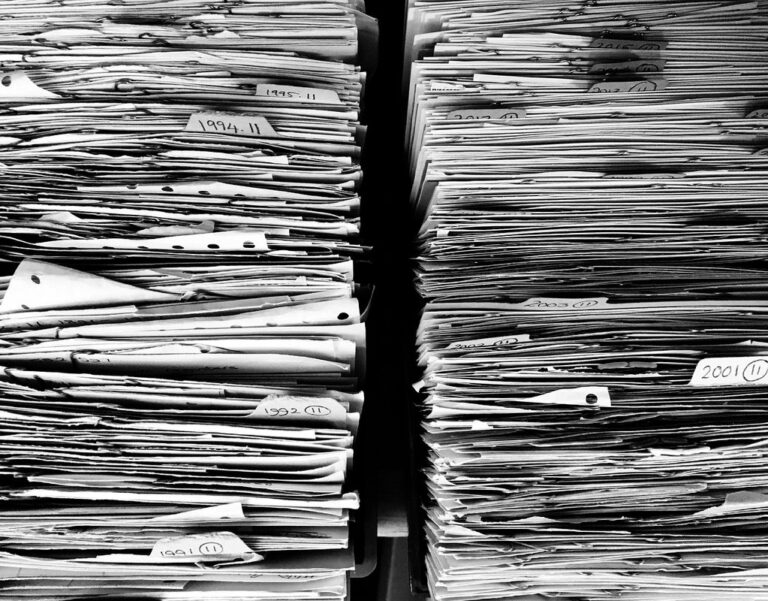
Paper clutter is a common problem that affects both personal and professional spaces. It’s not just about piling up papers; it’s a symptom of a deeper issue – a lack of organization, inefficient habits, or even stress. A typical example of paper clutter is the stack of old bills, receipts, and documents that you’ve been meaning to sort through but haven’t gotten around to.
In reality, most people have no idea how much unnecessary paper they accumulate over time. Think about it: each month, you receive a plethora of papers from banks, utility companies, credit card providers, and more. You might think that keeping them all is essential for tracking expenses or maintaining records, but the truth is, many of these documents can be safely digitized or discarded.
The key to understanding paper clutter is recognizing its causes – not just the physical presence of papers, but also the emotional attachment we often develop towards them. By acknowledging this and adopting simple habits like regularly reviewing your mail, using a scanner for important documents, and implementing a filing system, you can start reducing the amount of unnecessary paper in your life.
Causes of Paper Clutter
Busy schedules often contribute to paper clutter as individuals struggle to keep up with paperwork. Without a reliable system for handling documents, important papers can pile up and become disorganized. For instance, a person with multiple projects might have bills, receipts, and meeting notes scattered across their desk or in various files.
Lack of organization systems is another significant cause of paper clutter. When documents are not sorted into categories or filed away properly, it’s easy for them to get lost or misplaced. This can be especially true for people who work from home or have limited office space. Even simple habits like setting aside time each week to sort through papers can make a big difference.
Environmental factors also play a role in paper clutter. Inclement weather, moving to a new home, or unexpected life events can cause an influx of paperwork that’s difficult to manage. In these situations, it helps to have a clear plan for handling the increased volume of documents and to maintain open communication with relevant parties, such as insurance companies or creditors.
The Effects of Paper Clutter on Mental Health
Living with excessive paper clutter can have a profound impact on your mental well-being, leading to feelings of anxiety and overwhelm. We’ll explore how paper clutter affects our mental health in this crucial section.
Increased Stress Levels
When surrounded by cluttered papers, you may feel a sense of being “drowning” under a mountain of tasks and responsibilities. This emotional response is not just anecdotal – research suggests that people experience increased levels of cortisol (the stress hormone) when exposed to disorganized environments.
The physical space around us plays a significant role in shaping our mental states. Cluttered spaces can lead to feelings of anxiety, as the brain struggles to focus on any one task amidst the visual chaos. Imagine trying to concentrate on a project while being constantly distracted by stacks of paperwork, reminders, or misplaced items – it’s no wonder that mental fatigue sets in.
To combat paper clutter’s effects on stress levels, try implementing a “touch once” policy: when handling a piece of paper, deal with it immediately – either toss it, file it, or tackle the task associated with it. This can help reduce decision fatigue and minimize the emotional burden of cluttered spaces.
Decreased Productivity
Searching for misplaced documents or navigating through disorganized papers can be a significant time-waster. When you’re surrounded by clutter, it’s easy to lose track of important documents and lose focus on the task at hand. In fact, studies have shown that people spend an average of 30 minutes per day searching for lost documents or dealing with paper clutter.
To put this into perspective, consider a typical office worker who spends around 8 hours a day working. If they’re spending even just 15 minutes per hour searching for misplaced papers, that’s over an hour and a half each day wasted on paperwork alone. Multiply this by 5 days a week, and you’ve got a total of 7.5 hours lost to paper clutter each week.
To combat decreased productivity caused by paper clutter, consider implementing a few simple strategies. Designate a specific space for paperwork and keep it organized with clear labels and categorization. Go through your papers regularly and weed out unnecessary documents to reduce the amount of clutter you have to deal with.
The Impact on Physical Health
Prolonged exposure to paper clutter can lead to a range of physical health issues, from fatigue and headaches to respiratory problems. Let’s examine these effects in more detail.
Allergies and Respiratory Issues
Exposure to paper dust can worsen respiratory problems such as asthma. This is because paper fibers and other particles become airborne when papers are disturbed or handled, increasing particulate matter in the air. Individuals with pre-existing conditions like bronchitis or chronic obstructive pulmonary disease (COPD) may experience exacerbated symptoms.
When handling cluttered areas, it’s essential to take precautions to minimize exposure to allergens. Use gloves when sorting through dusty documents and consider using a HEPA-filter vacuum cleaner to reduce airborne particles. Regularly cleaning high-traffic areas, such as doorways or hallways leading to storage rooms, can help prevent the buildup of dust.
In addition to minimizing physical interactions with clutter, consider implementing strategies for reducing paper waste overall. Invest in digital alternatives for important documents whenever possible, and maintain a minimalist approach to paperwork. This may require adjusting habits, like setting up automatic bill payments or switching from print-based newsletters to digital subscriptions.
Reduced Space and Safety Concerns
Cluttered spaces are a recipe for disaster. In homes or offices overwhelmed by paper clutter, it’s not uncommon to see tripping hazards like stacks of documents, files, and papers scattered across the floor. A single misstep can lead to injuries, ranging from minor scrapes to more serious falls.
The risk of fire is another critical concern in areas with high levels of paper clutter. Papers, files, and cardboard boxes can be highly combustible, especially when exposed to heat sources like lamps, computers, or even kitchen appliances. When papers are stacked haphazardly, it’s only a matter of time before they ignite.
To mitigate these risks, take steps to clear your space regularly. Set aside dedicated time each week for tidying up and organizing your paper clutter. Use storage bins and shelving units to keep important documents off the floor and out of reach. Consider implementing a “touch once” policy when handling papers, where you deal with each item immediately rather than putting it down and dealing with it later.
Designate a specific area for shredding sensitive documents and make sure to dispose of them properly. This will not only reduce fire hazards but also protect your identity and maintain confidentiality.
Organizing Paper Clutter: Strategies and Techniques
To tackle paper clutter, you’ll want to start by implementing strategies that help you sort, prioritize, and categorize your documents. Effective organizing techniques will streamline your workspace and reduce stress.
Categorization and Purging
Categorization is key to tackling paper clutter effectively. Start by designating a specific area for sorting papers, such as a desk or table. Gather all documents from around the house and sort them into categories like bills, receipts, financial statements, and personal correspondence. This process helps identify which types of papers need immediate attention.
For each category, ask yourself: “Do I need to keep this document?” Be honest about whether it’s essential for future reference or simply serves as a keepsake. If a bill is paid in full, consider tossing the receipt. Similarly, if you’ve already digitized your financial statements, there’s no need to keep physical copies.
Consider implementing the “1-year rule”: discard documents that are over a year old unless they’re tax-related or have specific legal retention requirements. For instance, save receipts for big purchases like electronics or home appliances in case you need warranty support. Prioritize keeping essential papers, like insurance policies and identification documents, and safely store them in a secure location.
Storage Solutions
File cabinets are a popular storage solution for paper clutter. They come in various sizes, from compact two-drawer units to large four-poster models. Consider investing in a lockable cabinet to prevent unauthorized access to sensitive documents. When selecting a file cabinet, think about the type of files you’ll store and how often they’ll be accessed.
Drawers can also be an effective storage solution for paper clutter. Lateral filing drawers are great for storing frequently used documents, while vertical drawers are ideal for infrequently used items like tax returns or old receipts. When using drawers, keep the front face of each drawer tidy by labeling it and keeping only a few essential documents on top.
Digital solutions can also help maintain an organized space. Cloud storage services like Google Drive or Dropbox allow you to scan and digitize your paper clutter, freeing up physical storage space. You can then access your documents from anywhere with an internet connection. Consider setting up automatic backups to ensure your files are safe in case of a technical issue.
Digital Tools for Managing Paper Clutter
Are you tired of digging through stacks of papers to find what you need? Let’s explore some digital tools that can help streamline your paper management and reduce clutter.
Cloud-Based Services
Google Drive and Dropbox are two popular cloud-based services that can aid in digitizing and storing important documents. When you store digital copies of your papers, you free up physical space in your home or office, reducing the risk of lost or damaged documents.
To get started with Google Drive, for instance, you’ll need to download the app on your computer or mobile device. Then, simply drag and drop your files into the Drive folder, where they will be synced across all your devices. You can also share folders or individual documents with others, making it easy to collaborate on projects.
Using cloud-based services like these also means you can access your documents from anywhere, at any time, as long as you have an internet connection. This is especially useful if you work remotely or travel frequently. What’s more, many of these services offer automatic backups and versioning, so you’ll never lose a draft or need to worry about overwritten files.
Digital Note-Taking Apps
Using digital note-taking apps like Evernote or OneNote can significantly reduce paper clutter by providing a centralized location for storing and organizing notes. These apps allow you to create notebooks, tag entries, and add attachments, making it easy to categorize and retrieve specific information.
One of the primary benefits of these apps is their ability to integrate with other digital tools, such as calendars and email clients. This integration enables seamless synchronization across devices, ensuring that your notes are always up-to-date and accessible. For instance, you can use OneNote’s clipping feature to save articles from the web for later review.
To get started, simply download the app of your choice, create an account, and begin setting up notebooks and tags. You can also import existing notes from paper or other digital sources, allowing you to transition smoothly into the app-based system. By leveraging these features, you’ll be able to declutter your workspace, reduce unnecessary printing, and improve overall productivity.
Maintaining a Clutter-Free Environment
Now that you’ve identified areas where paper clutter accumulates, let’s focus on maintaining a space where everything has its designated place and is easily accessible. This involves creating habits to prevent future clutter buildup.
Establishing Habits
Developing habits that support paper clutter reduction and maintenance is crucial for long-term success. One effective approach is to start small by establishing a daily habit of handling incoming papers immediately. This could be as simple as sorting bills into a designated folder or tossing junk mail without hesitation.
Another strategy is to designate a specific time each week, such as Sunday evening, for reviewing and processing accumulated paperwork. Set a timer for 30 minutes and focus on tackling one task at a time, like paying bills or responding to letters. This consistent schedule helps maintain momentum and prevents clutter from building up again.
Consider implementing the “one in, one out” rule, where you get rid of an old piece of paper every time you bring a new one into your space. This habit encourages mindful consumption and reduces the likelihood of duplicate documents or unnecessary papers accumulating over time. Regularly reviewing and adjusting your system is also essential to ensure it remains functional and aligned with your needs.
Avoiding New Paper Clutter
When digitizing receipts, use a dedicated scanner or mobile app like Shoeboxed or Expensify to capture images of paper documents and store them securely online. This way, you’ll avoid accumulating physical papers in a designated “to be filed” area. Many businesses also offer digital invoices or receipts via email, so it’s essential to keep track of these electronic documents as well.
To avoid accumulating clutter from bills, set up automatic payments through your bank or the service provider’s website, utilizing paperless billing whenever possible. You can also opt for e-bills and receive notifications when new statements are available online. Some banks even allow you to download and organize PDF statements in a cloud storage folder.
Another strategy is to designate a single spot for all incoming papers – like a tray near the entrance – where documents can be sorted and dealt with immediately, rather than scattered throughout your living or working space. This helps maintain a clear path of entry and prevents clutter from building up. By implementing these systems, you’ll reduce the likelihood of new paper clutter accumulating in the future.
Frequently Asked Questions
Can I Digitize Everything at Once?
You can start digitizing your paper clutter in chunks, focusing on one area or category of documents at a time. This approach helps maintain momentum and prevents overwhelm. Start by scanning or photographing the most essential documents, such as identification papers or financial records.
How Long Does it Take to Notice Benefits from Paper Clutter Reduction?
Reducing paper clutter can lead to noticeable benefits within days or weeks, depending on your current level of clutter and stress levels. As you maintain a more organized space, you may experience decreased anxiety and increased productivity in just a short period. Be patient and celebrate small victories along the way.
Is it Necessary to Keep Everything Digitized?
While digital storage can be convenient, it’s not always necessary to keep everything digitized. Consider scanning or photographing documents that serve as references, such as receipts for warranties or contracts. However, you may choose to maintain physical copies of sensitive documents like identification papers or tax returns.
What Happens When I Accidentally Delete an Essential Document?
If you accidentally delete an essential document while digitizing your paper clutter, remain calm and act quickly. Try recovering the deleted file from your device’s trash or recycle bin. If that fails, consult with the service provider (e.g., Google Drive or Dropbox) for assistance in retrieving your files.
How Can I Balance Digital Organization with Physical Storage Needs?
Balancing digital organization with physical storage needs requires intentional planning and flexibility. Allocate specific spaces for physical documents that you need to maintain, such as a fireproof safe for important papers. For the rest, prioritize digitization and regularly review and update your digital storage systems to ensure they remain efficient and accessible.
Is it Difficult to Maintain an Organized Space Once I’ve Started?
Maintaining an organized space requires ongoing effort but can become second nature with practice. Establish habits that promote organization, such as regular tidying sessions or daily tasks to keep clutter at bay. Be prepared to adjust your strategies as needed to accommodate changing needs and circumstances.

