
Summer is just around the corner, and for many families, that means trade-in long days cooped up indoors for endless adventures in the great outdoors. Whether you’re a seasoned hiker or a kayaking newbie, getting out into nature is a great way to beat the summer heat and create lifelong memories with your loved ones. But before you lace up those hiking boots or grab your paddle, it’s essential to plan ahead and take some crucial safety precautions. That’s why we’ve put together this guide on outdoor summer activities for families – from camping and swimming to kayaking and more. In the following pages, we’ll share expert tips on how to plan a fun and stress-free day out, ensure everyone stays safe, and discover new ways to make the most of your time in the great outdoors. By the end of this article, you’ll be ready to hit the trails, lakes, and beaches with confidence.
Choosing the Perfect Location
When planning a summer outdoor adventure, selecting a great location can make all the difference. Let’s look at some key factors to consider when choosing where to go.
National Parks and Forests
National parks and forests offer a wealth of opportunities for outdoor summer activities. These protected areas provide a chance to experience nature’s beauty firsthand, with hiking trails, camping sites, and diverse wildlife viewing. In particular, national parks like Yellowstone, Yosemite, and the Grand Canyon are renowned for their stunning landscapes and abundant wildlife.
When choosing a park or forest, consider factors such as accessibility, terrain difficulty, and amenities. For example, some parks offer guided tours or shuttle services to help visitors navigate trails. Others provide campsites with amenities like picnic tables, grills, and potable water.
Wildlife watching is another popular activity in national parks and forests. Keep a safe distance from animals, and bring binoculars for optimal viewing. Look for designated wildlife-viewing areas or join a guided tour to increase your chances of spotting iconic species like elk, bison, or bears. By following park regulations and respecting the environment, you can have a safe and enjoyable experience in these natural wonders.
Beaches and Lakeshores
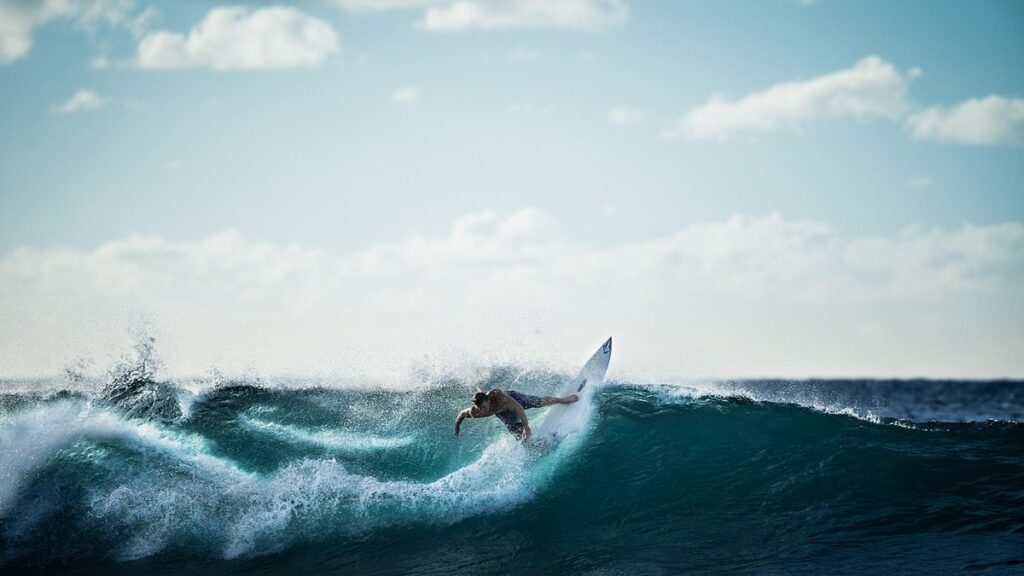
Beaches and lakeshores offer a wealth of opportunities for summer fun outdoors. Warm sand, crystal-clear water, and scenic views make these areas ideal for swimming, kayaking, paddleboarding, and other water sports. When choosing a beach or lakeshore spot, consider the activities you want to enjoy and look for areas with calm waters, gentle slopes, and accessible facilities.
For swimmers, beaches with designated swimming areas are often the best bet. These areas typically have lifeguards on duty and may offer amenities like showers and restrooms. Some popular beach destinations include Cape Cod in Massachusetts, San Diego’s La Jolla Cove, and Florida’s Clearwater Beach. For kayakers and paddleboarders, lakeshore spots with calm waters and scenic views are ideal.
Some key considerations when selecting a beach or lakeshore spot include water quality, accessibility, and amenities. Look for areas with clear signage indicating swimming conditions and any potential hazards like strong currents or wildlife habitats. Additionally, consider the time of day and try to avoid areas that may be crowded during peak sun hours.
A few popular beaches and lakeshores worth exploring include:
- Lake Tahoe in California/Nevada
- Ogunquit Beach in Maine
- Lake George in New York
Summer Sports and Games
Whether you’re looking for a competitive challenge or a fun way to stay active, this section highlights some of the most popular summer sports and games perfect for outdoor enthusiasts. From classic lawn games to high-energy team sports, there’s something for everyone!
Team Sports: Volleyball and Frisbee
Setting up a volleyball or frisbee game is a great way to get some exercise and have fun with friends and family. To start, choose a flat open space in a backyard or park with enough room for the game to be played comfortably. For volleyball, you’ll need a net that’s at least 6 feet high and has a sturdy base to prevent it from tipping over.
For frisbee games, you can play variations like Ultimate Frisbee or just toss the disc back and forth. A popular variation is “Glow-in-the-Dark” frisbee, where players wear glow sticks and throw the frisbee in low light conditions. For volleyball, you’ll need two teams of six players each, with one team serving and trying to hit the ball over the net while the other team tries to block or return it.
Some common rules for volleyball include: serving from behind the back line, rotating players after each serve, and keeping track of points won by each team. You can also set up variations like “beach volleyball” with smaller nets and a focus on speed and agility over height. For frisbee games, you can play with teams or in a casual toss-and-catch style.
Individual Sports: Cycling and Running
When cycling or running outdoors during the summer months, it’s essential to take extra precautions to stay safe and hydrated. One of the most critical factors is hydration. Aim to drink at least 8-10 glasses of water per day, especially on long rides or runs. Consider bringing a refillable bottle or hydration pack with you to ensure you have enough water throughout your activity.
In addition to staying hydrated, be mindful of the heat index and plan your workout accordingly. Avoid exercising during the hottest part of the day (usually between 11am-3pm) when the sun is strongest. If possible, schedule your ride or run for early morning or late evening when temperatures are cooler.
Other safety considerations include wearing reflective gear or bright clothing to increase visibility, especially if you’ll be riding or running in low-light conditions. Additionally, inform someone about your route and estimated return time, so they know where to expect you. By taking these simple precautions, you can enjoy cycling and running outdoors while minimizing the risks associated with summer heat and sun exposure.
Outdoor Adventures: Hiking and Camping
For those who crave adventure, exploring nature on foot is a great way to spend summer days, whether you’re hiking through scenic trails or pitching a tent for a night under the stars.
Planning a Day Hike
Before lacing up your hiking boots, take some time to plan a successful day hike. Start by choosing a trail that suits your fitness level and interests. Consider factors like distance, elevation gain, and terrain difficulty. For example, if you’re new to hiking or short on time, opt for a shorter loop trail in a nearby park.
Next, pack essential supplies: plenty of water (at least 2-3 liters per person), snacks, sunscreen, and a map or GPS device. Don’t forget a first aid kit, extra layers for changing weather conditions, and a headlamp or flashlight in case you’re hiking late into the day. In terms of navigation, study your route before setting out and consider bringing a compass or using a GPS app on your phone.
A few more things to keep in mind: check the weather forecast beforehand and adjust your plans accordingly; let someone know your itinerary and estimated return time; and be mindful of any local regulations or restrictions on certain trails. By taking these simple precautions, you’ll be well-prepared for an enjoyable day hike that leaves you feeling refreshed and invigorated.
Setting Up a Campsite
When selecting a campsite, look for a flat area with minimal slope and proximity to water sources. Avoid low-lying areas where water may collect during rainfall, as well as spots near flood-prone rivers or streams. Consider the wind direction to minimize exposure to harsh conditions.
Building a fire requires careful planning to avoid accidents. Choose a safe distance from flammable materials, such as dry leaves or branches. Use a ring of rocks to contain the flames and create a fire pit. Keep a bucket of water nearby in case the fire gets out of control.
Proper food storage is essential to prevent attracting wildlife. Store all food and trash in airtight containers and hang them from a tree at least 10 feet off the ground using bear-resistant bags or rope. This will help maintain a clean campsite and protect both humans and animals.
When storing food, remember that bears can climb trees, so it’s crucial to hang items securely. Consider storing all food and trash in one area to avoid scattering them throughout the campsite.
Water Activities: Swimming, Kayaking, and Paddleboarding
Whether you’re a seasoned water enthusiast or just looking for a fun summer activity, swimming, kayaking, and paddleboarding are great ways to enjoy the outdoors. These popular water activities offer something for everyone!
Learning to Swim or Kayak
For beginners looking to learn how to swim or kayak, it’s essential to find a qualified instructor who can provide personalized guidance and support. Local community centers, YMCAs, and outdoor recreation groups often offer swimming and kayaking lessons specifically designed for beginners. These programs typically include instruction on water safety, equipment usage, and basic strokes or paddling techniques.
Before renting equipment, make sure you understand the basics of boat handling and safety procedures. Many rental shops offer introductory sessions or guided tours to help newbies get familiar with their gear. When it comes to kayaking, practice getting in and out of the kayak on land before heading into the water. This will save you from struggling with the equipment while trying to stay afloat.
To stay safe while learning, always wear a properly fitted life jacket or personal flotation device (PFD). Practice your new skills in calm waters, such as a lake or slow-moving river, and avoid swimming or kayaking alone until you’ve gained more experience.
Stand-Up Paddleboard (SUP) Basics
To get started on a stand-up paddleboard (SUP), you’ll want to begin with proper stance. Stand with your feet shoulder-width apart, toes pointing slightly outward. Your dominant foot should be forward, with your knees bent and weight evenly distributed between both feet. Keep your back straight and engage your core.
When it comes to paddling technique, hold the paddle with a relaxed grip, keeping your elbows slightly bent. Place the blade in the water at a 45-degree angle, then pull it towards you while keeping the shaft close to the board. Avoid using just your arms; instead, use your entire body to propel the board forward.
Navigating involves shifting your weight and adjusting your paddle stroke. To turn, shift your weight onto one foot and adjust the direction of your paddle stroke accordingly. Practice turning in both directions to get a feel for how the board responds. When stopping or slowing down, simply pivot on one foot while keeping the other foot as a stabilizer, then bring the paddle out of the water and hold it vertically to help steady the board.
Summer Entertainment: Picnics, Barbecues, and Outdoor Movies
Summer is the perfect time to get outside and enjoy good food, good company, and some outdoor entertainment. From picnics in the park to backyard barbecues and movie nights under the stars, we’ve got you covered.
Planning a Backyard BBQ
When planning a backyard BBQ, the menu is often the first thing on your mind. Consider a variety of options to cater to different tastes and dietary needs. Grilled meats like burgers and hot dogs are always a hit, but don’t forget to offer vegetarian alternatives such as skewers or sandwiches. Salads, sides, and fresh fruit can provide a refreshing contrast to rich BBQ favorites.
In addition to food, create an inviting atmosphere by setting up comfortable seating areas. Use outdoor furniture with cushions or blankets for added comfort, and arrange them in conversational clusters to encourage socializing. Don’t forget to include plenty of space for mingling around the grill or at the buffet table.
Ambiance also comes into play when planning a backyard BBQ. String lights, lanterns, or fairy lights can add a warm glow after dark, while outdoor speakers can provide background music that’s not too overpowering. Consider setting up a few lawn games, such as cornhole or horseshoes, to keep guests entertained during downtime. By paying attention to these details, you’ll create an enjoyable and memorable experience for your guests.
Setting Up an Outdoor Movie Screen
Choosing a flat surface for the screen is essential. Avoid areas with uneven terrain or slopes, as they can cause the image to distort. If you’re setting up on grass, use stakes and ropes to secure the screen frame in place, ensuring it’s level. You can also weigh down the edges with sandbags or heavy objects.
Next, decide on a projector type: manual focus or automatic keystone correction. Manual focus is suitable for small screens, while auto-keystone correctors are ideal for larger setups. Consider investing in an outdoor-rated screen material that blocks out 90% of UV rays to prevent image degradation from sunlight exposure.
To minimize electrical cord clutter, use a power strip with built-in outlets and a long cable management system. Position the projector at least 10 feet above the screen to avoid glare and ensure optimal image quality. A higher vantage point also reduces eye-level heat radiation from the projector itself.
Safety Precautions: Sun Protection and Insect Repellent
When spending time outdoors during the summer, it’s essential to protect yourself from the sun and insects to ensure a fun and safe experience. Here are some tips on how to keep yourself shielded from the elements.
Staying Safe in the Sun
When spending time outdoors during the summer months, it’s essential to protect yourself from the harsh effects of the sun. Sunburn and heat exhaustion can be serious concerns, especially for children and older adults. To stay safe in the sun, start by applying a broad-spectrum sunscreen with at least SPF 30 about 15-20 minutes before heading outside. Reapply every two hours or after swimming or sweating.
A hat with a wide brim is also crucial, covering your face, neck, and ears to prevent sunburn. Look for hats made from breathable materials like cotton or straw, which will keep you cool in the summer heat. Sunglasses are another must-have, protecting your eyes from UV rays. Choose sunglasses that block 99-100% of UVA and UVB rays.
It’s also important to stay hydrated by drinking plenty of water throughout the day. Aim for at least eight cups (64 ounces) daily, especially if you’re engaging in physical activities like hiking or swimming. Consider packing a refillable water bottle when heading outdoors to make staying hydrated easy and convenient. By taking these simple precautions, you can enjoy your summer fun outdoors while minimizing the risks associated with sun exposure.
Protecting Against Insects
When venturing outdoors during summer, it’s essential to take steps to protect yourself against insect bites and stings. The most effective way to do this is by using a reliable insect repellent. Look for products containing DEET, picaridin, or oil of lemon eucalyptus, as these have been proven to be highly effective in repelling insects.
In addition to applying insect repellent, covering exposed skin can also help minimize the risk of bites and stings. Wear long-sleeved shirts, pants, and socks when engaging in outdoor activities, especially during peak insect hours (dawn and dusk). Tucking pant legs into socks can also prevent insects from crawling up your legs.
Some areas are notorious for high insect activity, such as near standing water or in dense vegetation. Avoid these areas whenever possible to minimize the risk of bites and stings. If you must enter these areas, take extra precautions by applying more frequent applications of insect repellent and wearing protective clothing.
When outdoors, keep a close eye out for signs of insect activity, such as swarms of insects around food or trash. Take prompt action to eliminate any attractants and seal off entry points to prevent further infestations.
Frequently Asked Questions
Can I Bring My Dog on a Day Hike?
Yes. Many national parks and forests allow dogs on trails, but it’s essential to check with park rangers or websites before heading out. Make sure your dog is well-trained, has identification tags, and can handle the terrain.
How Do I Keep Kids Safe Near Water?
When engaging in water activities like swimming, kayaking, or paddleboarding with kids, ensure they wear properly fitting life jackets at all times. Also, establish clear boundaries and watch them closely to avoid accidents. If you’re not a strong swimmer yourself, consider taking lessons or having an experienced adult nearby.
What if I Get Lost While Hiking?
If you become lost while hiking, stay calm and follow the article’s advice on planning and preparing for a day hike. Bring a map, compass, and extra food in case of emergencies. If you’re unable to find your way back, try to signal for help using a whistle or any other visible means.
Can I Set Up a Campsite Near a River?
While it might be tempting to set up camp near a river, choose areas with designated campsites and access to clean water, food storage facilities, and latrines. Avoid setting up camp in low-lying areas that may flood or have standing water. Research your location beforehand and follow park rules for responsible camping practices.
How Do I Pack for a Multiday Camping Trip?
When planning a multiday camping trip, research the weather forecast and pack accordingly. Bring layers for changing temperatures, waterproof gear, and extra clothing in case of unexpected wet conditions. Don’t forget to bring enough food and water for each day, as well as any specific medications or personal items you may need.

