
Camping trips can quickly turn from tranquil getaways to frustrating experiences if you’re stuck with bland, unappetizing meals. Outdoor cooking recipes are essential for elevating your camping experience and making mealtime a highlight of your trip. While it’s easy to get caught up in the excitement of setting up camp and exploring nature, neglecting outdoor cooking techniques can leave you feeling unsatisfied and missing out on the full potential of your adventure.
You’ve likely encountered dry, tasteless burgers or overcooked vegetables while camping before – but it doesn’t have to be that way. By mastering a few simple outdoor cooking techniques and incorporating some essential recipes into your repertoire, you’ll be able to create delicious meals even in the most remote areas. This comprehensive guide will cover everything from basic safety tips to advanced outdoor cooking methods and provide you with the knowledge to cook like a pro on your next camping trip – by the time you finish reading, you’ll know exactly how to plan and execute mouth-watering meals no matter where you are.
Essential Gear and Safety Precautions
Before you fire up the grill, make sure you have the right gear and know how to stay safe while cooking outdoors. Proper equipment and precautions will help ensure a fun and enjoyable experience.
Choosing the Right Outdoor Cookware
When it comes to outdoor cooking, choosing the right cookware is crucial for a successful and enjoyable experience. There are several types of cookware suitable for outdoor cooking, each with its own set of benefits and drawbacks.
Cast iron cookware, for example, retains heat exceptionally well and can be used for a variety of dishes, from skillet meals to baking desserts. However, it’s heavy and requires seasoning to prevent rust. Stainless steel cookware, on the other hand, is lightweight and easy to clean but may not distribute heat as evenly.
Portable options like aluminum or titanium pots and pans are ideal for backpacking or car camping trips where weight is a concern. They’re also great for one-person meals, as they can be easily packed and carried. When choosing cookware, consider the type of outdoor cooking you’ll be doing most often. If you plan on grilling frequently, a cast iron grill pan might be a good investment. For backpacking trips, a lightweight aluminum pot is a better choice.
When selecting cookware, also think about durability and heat distribution. A well-insulated stainless steel pot can keep food warm for hours, while a poorly insulated one may lose heat quickly.
Understanding Basic Outdoor Cooking Safety
When cooking outdoors, it’s essential to prioritize food safety and handling. Always store raw meat, poultry, and seafood separately from cooked and ready-to-eat foods to prevent cross-contamination. Keep raw meat refrigerated at 40°F (4°C) or below until you’re ready to cook it.
Proper fuel usage is also crucial. Always follow the manufacturer’s instructions for your cooking equipment, as some fuels can be hazardous if not handled correctly. Make sure to store fuel in a well-ventilated area and keep it away from children and pets.
Fire management is another critical aspect of outdoor cooking safety. Choose a safe location for your campfire or grill, away from flammable materials and overhanging branches. Keep a fire extinguisher or a bucket of sand nearby in case of emergencies. Never leave a lit flame unattended, and ensure that all children are supervised when playing near the fire.
When using charcoal or gas grills, always follow the manufacturer’s instructions for lighting and maintaining the flames. Never use accelerants like lighter fluid, as they can cause unpredictable fires. By following these basic safety tips, you’ll be well on your way to enjoying delicious outdoor meals while minimizing the risk of accidents.
Classic Campfire Recipes
Classic campfires aren’t just for s’mores and storytelling anymore, but also for cooking up delicious meals under the stars. Let’s get started with some tried-and-true recipes that are perfect for your next camping trip.
Grilling the Perfect Steak
To achieve a perfect sear on your steak over an open flame, start by seasoning it liberally with salt and pepper on both sides. This will enhance the natural flavors of the meat without overpowering them. Next, heat up your grill or cooking grate to high heat – you want a sizzling hot surface for that ideal crust.
Now, add a small amount of oil to the grates to prevent sticking. You can use any neutral-tasting oil like canola or vegetable oil. Once the oil is hot and shimmering, place your steak on the grill and sear for 3-4 minutes per side, depending on the thickness of the meat. Don’t press down on the steak with your spatula – this will squeeze out juices and make it tough.
To ensure a perfect internal temperature, use a meat thermometer to check for doneness. For medium-rare, aim for an internal temperature of 130-135°F (54-57°C), while medium should be around 140-145°F (60-63°C). Let the steak rest for a few minutes after grilling before slicing and serving – this allows the juices to redistribute and the meat to retain its tenderness.
One-Pot Wonders: Hearty Stews and Soups
When cooking one-pot wonders over a campfire or portable stove, the possibilities are endless. Hearty stews and soups can be tailored to suit various tastes by experimenting with different ingredients and flavor combinations.
A classic combination is a beef stew made with tender chunks of beef, potatoes, carrots, and onions in a rich broth seasoned with thyme and rosemary. For a vegetarian option, try swapping the beef for lentils or chickpeas and adding some diced bell peppers and mushrooms. You can also add a splash of red wine or beer to give it a depth of flavor.
Some other ingredients to consider include diced tomatoes for added acidity and sweetness, smoked paprika for a smoky flavor, or chipotle peppers in adobo sauce for a spicy kick. When cooking over an open flame, be mindful of the heat and adjust your seasoning accordingly. For example, if you’re using a portable stove, reduce the amount of salt and pepper to avoid over-seasoning.
Some popular one-pot soup recipes include French onion soup made with caramelized onions and topped with croutons and melted cheese, or a creamy tomato soup made with fresh tomatoes and basil.
Global Inspirations for Outdoor Cooking
As you fire up your grill, consider exploring international flavors from around the world, such as Japanese yakitori and Indian tandoori. Let’s take a culinary journey together!
Korean-Style BBQ Tacos
When exploring global inspirations for outdoor cooking, one unique fusion recipe stands out: Korean-Style BBQ Tacos. This innovative dish combines the bold flavors of Korean BBQ with the casual convenience of tacos.
Start by marinating thinly sliced beef (such as bulgogi or ribeye) in a mixture of soy sauce, Gochujang (Korean chili paste), brown sugar, garlic, and sesame oil for at least 30 minutes. Meanwhile, prepare your outdoor grill for high heat, using either gas or charcoal.
Assemble the tacos by grilling the marinated beef until it’s nicely charred, then serve it in a warm taco shell with kimchi slaw (made from Korean chili flakes, lime juice, fish sauce, and chopped cilantro) and cilantro-lime crema. To add an extra layer of flavor, try using Japanese-style yuzu or citrus zest in the marinade.
This recipe offers a fun twist on traditional tacos, while still being easy to prepare outdoors. By combining Korean BBQ flavors with taco convenience, you can create a delicious and adventurous meal that’s perfect for your next outdoor gathering.
Mexican Fiesta: Grilled Skewers and Salsas
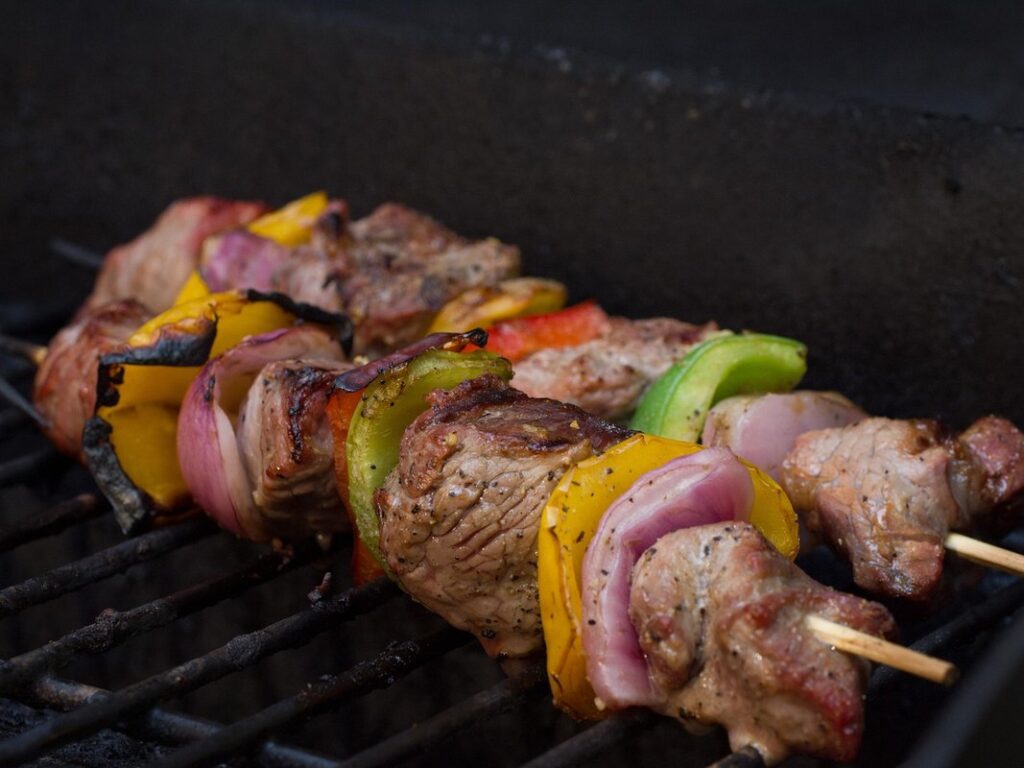
Grilled skewers are a staple of Mexican cuisine, and with just a few simple ingredients, you can recreate the flavors of a bustling street market in your own backyard. Start by threading chicken, beef, or vegetables like cherry tomatoes and bell peppers onto metal or bamboo skewers. Brush the skewers with a mixture of olive oil, lime juice, chili powder, and cumin for added depth.
For an authentic touch, serve the grilled skewers alongside homemade salsas and sauces. A simple pico de gallo made from diced onions, jalapeños, cilantro, and lime juice is a great starting point. For a smokier flavor, try making a chipotle salsa by combining roasted chipotles in adobo sauce with some chopped tomatoes and onion.
To take your Mexican fiesta to the next level, consider adding a few more authentic touches. Try using different types of chilies or spices like ancho powder or epazote to add complexity to your dishes. You can also make homemade tortillas or tostadas to serve alongside your skewers and salsas. With these simple recipes and tips, you’ll be well on your way to hosting a delicious and festive Mexican-themed outdoor cooking experience.
Outdoor Cooking on a Budget
Cooking outdoors doesn’t have to break the bank, and we’re sharing our top tips for whipping up delicious meals without overspending. From affordable ingredients to DIY cooking equipment, we’ve got you covered!
Frugal Favorites: Simple Meals for Large Groups
When planning meals for large outdoor gatherings, it’s easy to get caught up in elaborate recipes and expensive ingredients. But with a little creativity, you can serve delicious food without breaking the bank. One strategy is to focus on simple, versatile dishes that can be scaled up or down depending on the number of people.
Consider making a big pot of chili, which can feed a crowd for days and is incredibly budget-friendly. You can also stretch your ingredients by adding beans, vegetables, and grains to your meals. For example, try serving grilled chicken or fish with a side of roasted vegetables and quinoa.
To reduce food waste, plan your menu around what you already have on hand. Use up leftover vegetables in soups or stews, and repurpose last night’s dinner as tomorrow’s lunch. With a little planning and creativity, you can serve mouth-watering meals that won’t break the bank. Some other budget-friendly options include:
- Grilled sandwiches with a variety of fillings
- Pasta salads with marinara sauce and vegetables
- Tacos with store-bought or homemade tortillas, ground beef, and toppings
DIY Condiments and Sauces
Making your own condiments and sauces is a cost-effective way to elevate your outdoor cooking experience. It’s also surprisingly easy – all you need is some basic ingredients and minimal equipment. For example, homemade ketchup requires just two main ingredients: ripe tomatoes and vinegar. Simply cook down the tomatoes with some onions and spices until they reach a thick, syrupy consistency, then mix in the vinegar.
To make your own mustard, combine brown or yellow mustard seeds with white wine, water, and a pinch of salt. Let it sit for a few hours to allow the flavors to meld together. BBQ sauce is another crowd-pleaser that’s easy to whip up using ketchup, apple cider vinegar, Worcestershire sauce, and spices.
When making condiments outdoors, keep in mind that you’ll need to cook them over low heat or on a cooler surface to prevent scorching. You can use a portable camping stove or even just simmer them over the campfire coals. To ensure they last throughout your trip, store them in airtight containers and keep them refrigerated when not in use.
Some popular condiment options include homemade mayonnaise (made with egg yolks, oil, and lemon juice) and salsa (a mix of diced tomatoes, onions, jalapeños, cilantro, and lime juice).
Vegetarian and Vegan Options for Outdoor Cooking
When it comes to outdoor cooking, you don’t have to sacrifice flavor or dietary preferences. We’ll show you how to prepare mouth-watering vegetarian and vegan dishes over an open flame.
Plant-Based Delights: Stuffed Bell Peppers and Quinoa Bowls
When it comes to outdoor cooking, vegetarian and vegan options are often overlooked, but they’re perfect for a variety of reasons. For one, plant-based meals tend to be lighter and easier to digest, making them ideal for active outdoor pursuits like hiking or camping.
Stuffed bell peppers, in particular, are a great choice for outdoor cooking. Simply fill bell peppers with a mixture of cooked rice, black beans, diced tomatoes, and shredded cheese, and roast over the campfire until tender. The sweetness of the bell peppers pairs well with the savory flavors of the filling, making for a satisfying and filling meal.
Another option is quinoa bowls, which can be made in advance and reheated over the campsite’s portable stove or even on a camping grill. Cook quinoa according to package instructions, then top with roasted vegetables like broccoli, sweet potatoes, and avocado. Add a drizzle of olive oil and a sprinkle of nutritional yeast for extra flavor.
In addition to these recipes, hearty stews are another great option for outdoor cooking. They’re easy to make in large batches and can be reheated throughout the day. Simply brown some onions and garlic over the campfire, then add your choice of vegetables, beans, or tofu, along with a broth or stock. Simmer until the flavors have melded together and serve hot.
Meatless Marvels: Grilled Portobello Mushroom Burgers
Grilled Portobello mushroom burgers are a game-changer for outdoor cooks who want to serve up meatless marvels. These tender, earthy mushrooms have a meaty texture that’s perfect for replicating the classic burger experience. To start, look for large portobellos with a rich, velvety cap and a sturdy stem.
When grilling portobello mushroom burgers, it’s essential to prepare them ahead of time. Simply brush the caps with olive oil, season with salt, pepper, and your favorite herbs (such as thyme or rosemary), and let them marinate for at least 30 minutes to an hour before cooking. This will help bring out their natural flavors and tenderize the flesh.
To adapt recipes for vegetarian or vegan diets, focus on plant-based condiments and toppings. Swap traditional ketchup or mayonnaise for hummus or guacamole, and load up your burgers with roasted vegetables like bell peppers, onions, and mushrooms. Consider using a dairy-free cheese alternative or nutritional yeast to replicate the cheesy flavor. Experiment with different combinations to find your perfect meatless marvel.
Advanced Outdoor Cooking Techniques
Taking your outdoor cooking skills to the next level, we’ll cover expert techniques for smoking meats, grilling at high heat, and cooking over an open flame. Master these methods and elevate your campsite cuisine.
Sous Vide and Smoker Combos
When using sous vide machines and smokers together, you can achieve perfectly cooked meats and seafood. The key is to combine the precision temperature control of sous vide with the smoky flavor of a smoker. Start by sealing your meat or seafood in a sous vide bag, then cook it in the water bath at a precise temperature. Once cooked, remove the item from the bag and place it directly onto the smoker’s grates.
This technique is ideal for delicate fish like salmon or trout. Seal the fillets in sous vide bags and cook them to an internal temperature of 120°F (49°C). Then, finish them on the smoker at a low temperature, around 100°F (38°C), to add a subtle smokiness without overpowering the fish’s natural flavor.
For thicker cuts of meat like brisket or pork belly, sous vide and smoke in tandem. Cook the meat in the water bath at 130°F (54°C) for several hours, then finish it on the smoker at 225-250°F (110-120°C) to add a rich, velvety texture and deep smoky flavor. This combination yields tender, fall-apart results every time.
Infrared Grilling: A Game-Changer for Outdoor Chefs
Infrared grilling technology has revolutionized outdoor cooking by providing an unparalleled level of control over heat and searing. Unlike traditional gas or charcoal grills, infrared grills use specialized emitters to convert heat into infrared radiation, which is then directed at the food. This results in a crispy crust on the outside while maintaining a juicy interior.
One of the primary benefits of infrared grilling is its ability to achieve perfect sears. By focusing intense heat onto a specific area, you can create a caramelized crust that’s both visually appealing and flavorful. However, it’s essential to note that infrared grills require a bit more finesse than traditional grills. For optimal results, make sure to preheat the grill for at least 10 minutes before cooking.
When using an infrared grill, it’s crucial to pay attention to internal temperatures. To achieve a perfect medium-rare steak, aim for an internal temperature of 130°F – 135°F (54°C – 57°C). Use a meat thermometer to ensure accuracy and adjust your cooking time accordingly. By mastering the art of infrared grilling, you’ll be able to take your outdoor cooking game to the next level.
Conclusion and Final Tips
As you wrap up your outdoor cooking adventures for the season, remember to always prioritize food safety. This means storing cooked leftovers at a safe temperature and discarding perishable items after three days. Be mindful of your fire’s fuel source and keep a bucket of water nearby in case of emergencies.
When planning next year’s outdoor cooking excursions, consider investing in a portable grill or smoker to expand your culinary options. Don’t forget to check local regulations regarding outdoor cooking in public spaces.
To make the most of your outdoor cooking experiences, experiment with new recipes and ingredients each season. Try grilling exotic fruits like pineapple or peaches for a sweet twist on traditional dishes.
Frequently Asked Questions
Can I use outdoor cooking recipes in cold weather?
Yes, many outdoor cooking techniques can be adapted for colder temperatures, but it’s essential to consider the type of fuel and cookware you’re using. For instance, cast iron cookware retains heat well, making it suitable for cold-weather cooking.
How do I scale up or down outdoor cooking recipes for large groups?
To adjust recipes for larger groups, multiply ingredients proportionally while considering the cooking time and fuel consumption. It’s also crucial to have a plan in place for food storage and waste management when cooking for a crowd.
What if I’m new to infrared grilling – can I still achieve perfect results?
Infrared grilling requires practice, but with patience and attention to temperature control, you can achieve excellent results even as a beginner. Start by experimenting with smaller cuts of meat and gradually move to larger ones as you gain experience.
Can I use sous vide machines for cooking vegetables instead of meats?
Yes, sous vide machines are perfect for cooking a variety of vegetables, including delicate herbs and leafy greens. Simply season your vegetables before sealing them in a sous vide bag and cook at the desired temperature.
What if I’m short on storage space – how can I organize my outdoor cooking gear?
Invest in compact, multi-functional cookware and consider storing frequently used items in easy-to-reach locations. Consider also investing in portable utensils and a hanging rack for maximizing your limited space.

