
Planning an epic camping trip requires more than just a tent and some snacks. A well-rounded experience involves mixing adventure with relaxation, and that’s where outdoor camp activities come in. You’ve probably found yourself staring up at the stars on a clear night, wondering what lies beyond the reaches of your campsite. Outdoor games, exciting sports, and stargazing tips can turn a simple camping trip into an unforgettable adventure. From hiking to team-building games, there are countless ways to make your time in nature both fun and memorable. In this guide, we’ll walk you through the best outdoor camp activities to plan for a stress-free and enjoyable trip. By the end of it, you’ll be equipped with the knowledge to create an unforgettable experience for yourself and your fellow campers.
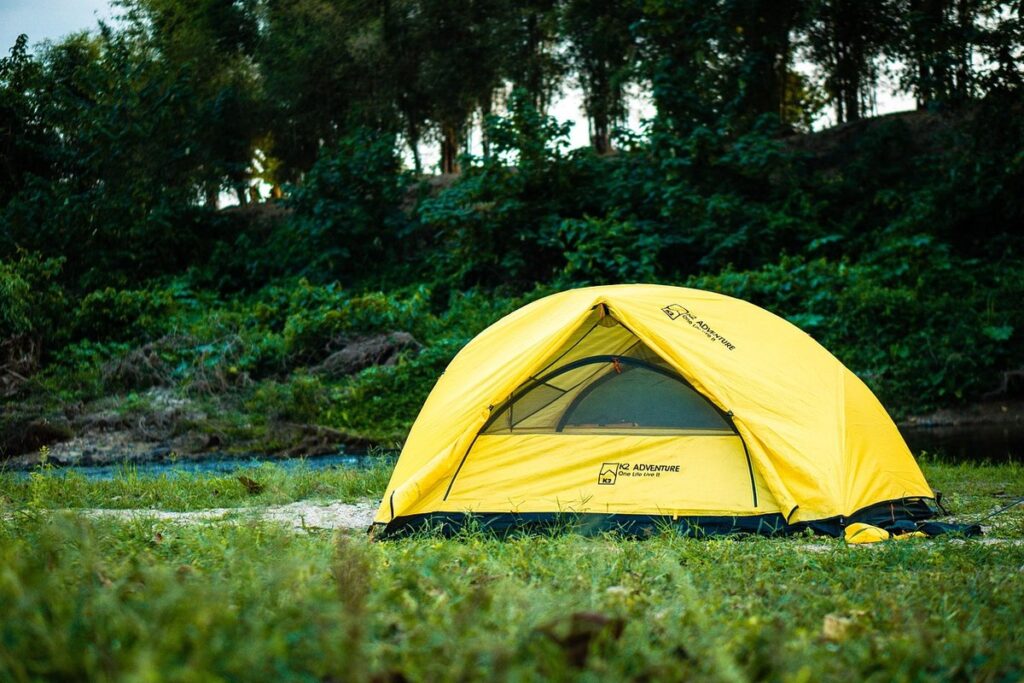
Planning Your Perfect Camping Trip
Before you hit the great outdoors, let’s talk logistics: where will you go, how long will you stay, and what kind of gear do you need to bring along? Planning ahead is key.
Choosing the Right Location
When selecting a campsite, several factors come into play. Accessibility is crucial, as you’ll want a site with a clear entrance and exit route for vehicles and trailers. Consider sites near major highways or roads to minimize driving time and effort. However, keep in mind that these areas may be noisier and more crowded.
Terrain is also vital, especially if you’re planning activities like hiking or biking. Look for flat, even ground with minimal obstacles and sufficient space for pitching your tent. Some campsites offer designated bike trails or hiking paths, which can add an extra layer of fun to your trip.
Amenities are another essential consideration. Think about what you need – clean restrooms, potable water, picnic tables, or a camp store nearby. Some campsites may have more luxury amenities like showers, laundry facilities, or even Wi-Fi. Research and compare different sites to find one that meets your needs and budget.
When researching campsites, start by checking government websites or online directories like recreation.gov or reserveamerica.com. These platforms often allow you to filter search results based on location, price range, and amenities. You can also read reviews from other campers to get a sense of the site’s pros and cons. Once you’ve narrowed down your options, make sure to book in advance – especially during peak season – to ensure availability.
Preparing for the Weather
When embarking on a camping trip, it’s essential to check weather forecasts before setting out. A sudden storm can quickly turn a fun adventure into a safety concern, so stay informed about the forecast for your destination and the duration of your trip.
Pack layers of clothing suitable for different weather conditions. For instance, include warm clothing like fleece jackets or thermal tops for chilly mornings and evenings, as well as lightweight rain gear to keep you dry in case of unexpected showers. It’s also a good idea to bring waterproof bags or dry sacks to protect your gear from the elements.
Consider the terrain and altitude when packing clothing. If you’ll be hiking in high-altitude areas with unpredictable weather patterns, pack extra warm layers and a windbreaker. Similarly, if you’re planning to camp near water or in coastal areas, prepare for potential rain showers by bringing a compact umbrella or waterproof jacket.
Some other essential items to include in your packing list are:
- A portable sun shelter or canopy
- Water-resistant matches or a fire starter
- Extra batteries for flashlights and lanterns
- A first aid kit with supplies for treating minor injuries
Fun Outdoor Games and Activities
Outdoor games are a great way to get your campers moving, laughing, and having fun together. From classic team-building activities to exciting challenges, we’ve got you covered!
Team-Building Exercises
Capture the flag, scavenger hunts, and group sports like soccer or volleyball are excellent team-building exercises for outdoor camps. These games encourage collaboration, strategy, and communication among participants. To play capture the flag, divide the campers into two teams and assign each a flag to defend and steal. This game promotes teamwork as players must work together to outsmart their opponents.
Scavenger hunts can be tailored to fit the specific needs of your group. Create a list of items that can be found in nature, such as different types of leaves or rocks, and divide the campers into teams to see who can find everything on the list first. This game encourages teamwork and problem-solving skills.
Group sports like soccer and volleyball are easy to set up and require minimal equipment. Divide the campers into teams and have them play a friendly match. These games promote physical activity, teamwork, and healthy competition. To make these activities more engaging, consider setting up a tournament with a small prize for the winning team.
Nature-Inspired Games
Nature scavenger hunts are a classic example of nature-inspired games. Create a list of items for campers to find, such as specific leaves, rocks, or birds, and challenge them to spot as many as possible within a set time frame. This activity encourages exploration and attention to detail.
Bird-watching is another great option. Provide binoculars and field guides for each camper, and have them record the different species they spot in a journal. This can be a calming and educational experience, especially if campers are encouraged to learn about the habitats and behaviors of the birds they observe.
Geocaching is a modern twist on traditional treasure hunting. Create a list of coordinates for hidden caches within the campsite or nearby area, and have campers work in teams to find them. This activity promotes problem-solving and teamwork while encouraging exploration of the surrounding environment.
For added challenge, consider incorporating “geo-art” into your geocaching game. Have campers create small sculptures or art pieces using natural materials found on site, which they can then leave for future campers to discover.
Adventure Activities for All Skill Levels
Whether you’re a seasoned adventurer or just looking for some fun, we’ve got outdoor activities that cater to all skill levels and preferences. From relaxation to high-adrenaline pursuits, there’s something for everyone!
Rock Climbing and Rappelling
When it comes to adventure activities at camp, rock climbing and rappelling are excellent options for those seeking a thrilling experience. However, these activities require careful planning and attention to safety guidelines. One of the most critical aspects is equipment – climbers need sturdy ropes, harnesses, and carabiners that can withstand various weather conditions.
To get started with rock climbing, find a qualified instructor or experienced climber who can teach proper techniques and provide guidance on choosing suitable routes for beginners. Start with shorter climbs and gradually move to more challenging ones as you gain confidence and skills.
When rappelling, make sure to use the correct equipment, including a rope that’s specifically designed for this activity. Ensure your harness is securely attached and practice controlled descent techniques before attempting any steep or long rappels. A few essential safety measures include checking the weather forecast, inspecting equipment regularly, and having a first aid kit on hand.
Some camps offer guided rock climbing and rappelling sessions; these are ideal for those new to the activities. If you’re planning to attempt either of these adventure activities independently, ensure your group is well-versed in basic safety procedures and has access to essential gear.
Water Sports and Activities
Kayaking, canoeing, stand-up paddleboarding, and even swimming are just a few water sports and activities that can be enjoyed at a campsite. These activities provide an excellent way to stay cool during hot summer days while also offering opportunities for exercise and bonding with fellow campers.
When it comes to kayaking or canoeing, consider renting equipment from a local outfitter if you don’t have your own. This ensures you get the right size and type of boat for your needs. Most campsites offer calm waters perfect for beginners, such as lakes or slow-moving rivers. Stand-up paddleboarding is another option that’s easy to learn and provides a great core workout.
Before heading out on the water, make sure to follow basic safety guidelines: always wear a properly fitting life jacket, bring sunscreen and insect repellent, and stay hydrated by drinking plenty of water. If you’re new to these activities, consider taking a beginner’s lesson or joining a guided tour to get started safely.
Stargazing and Nighttime Activities
As night falls, campers often gather around a fire to gaze up at the stars, sparking imagination and wonder. This magical experience is just one of many nighttime activities you can enjoy on your next outdoor adventure.
Setting Up for Stargazing
When setting up for stargazing, you’ll want to start by finding a dark location with minimal light pollution. This will allow you to see more stars and constellations clearly. Choose a flat spot on the ground or set up a tripod to stabilize your telescope or binoculars.
Begin by identifying the basic parts of a telescope or binoculars, including the eyepiece, objective lens, and focus wheel. Understand how to adjust these components to achieve clear views. Familiarize yourself with the constellation maps provided in stargazing guides or apps. Start with easily recognizable constellations like the Big Dipper or Orion.
To understand basic astronomy concepts, consider a few key points: the Earth rotates from west to east, causing the stars to appear to move; there are two main types of telescopes – reflector and refractor – each with its own strengths and limitations. Don’t be afraid to experiment and try different settings on your telescope or binoculars to see what works best for you.
In terms of specific tools, consider investing in a star chart app or using a planisphere to help locate constellations. These resources can help you navigate the night sky with ease.
Campfire Fun and Safety
When it comes to campfire fun, safety should always be top of mind. Building a safe fire pit is crucial – look for a spot away from flammable materials and overhanging branches. Clear a circle about three feet in diameter of any leaves or debris, and if you’re on a wooden platform or deck, check that it’s rated for campfires.
Proper ventilation is also essential to prevent carbon monoxide buildup. Make sure your fire pit has good airflow by leaving space between the pit and any surrounding structures. Never place a tent or sleeping quarters near the campfire, as toxic fumes can accumulate quickly. Always follow local regulations regarding campfires – check with park rangers or campground staff for specific rules on burning hours, sizes, and materials.
To keep your fire contained and controlled, use rocks to create a fire ring and store water nearby for dousing if needed. Bring a portable fire extinguisher as an added precaution. When building the fire, start with small twigs and gradually add larger logs – never leave it unattended. With these simple precautions in place, you can enjoy a warm and cozy campfire while minimizing risks to yourself and others.
Cooking and Food Preparation in the Great Outdoors
When venturing into the great outdoors, a well-stocked camp kitchen is essential for a satisfying outdoor experience. Preparing meals over an open flame requires some basic skills and knowledge of food safety guidelines.
Camping Cuisine 101
When venturing into the wilderness for a camping trip, meal planning is crucial. Pack lightweight, high-calorie foods like trail mix with nuts and dried fruits, jerky, and energy bars to keep you fueled throughout the day. Consider a cooler with ice packs to store perishable items like meat, dairy products, and fresh produce.
To prepare your campsite for cooking, choose a flat area away from standing water and overhanging branches. Clear any flammable materials and create a fire pit using rocks or by digging a shallow hole. For camp stoves, ensure you have a secure anchoring system to prevent the stove from toppling over in windy conditions.
Dutch oven cooking is a popular method for outdoor enthusiasts. These heavy pots retain heat well and can be used on campfires or with portable stoves. To prepare a Dutch oven meal, preheat the pot by placing hot coals or embers inside, then add your ingredients and cover the pot. Cooking times will vary depending on the recipe and heat source.
When using camp stoves or Dutch ovens, follow basic safety guidelines: keep a bucket of water nearby to extinguish flames quickly, never leave cooking unattended, and ensure all cooking equipment is cleaned and stored properly after use.
Foraging for Wild Edibles
Foraging for wild edibles can be a fun and rewarding experience when done safely. To identify safe plants, familiarize yourself with common edible species like dandelion greens, wild garlic, and berries such as blueberries or raspberries. However, never assume a plant is safe to eat without proper identification.
Before heading out to forage, research local regulations regarding the harvesting of wild edibles in your area. Some parks or protected areas may have restrictions on picking certain plants, so it’s essential to check with park rangers or local authorities beforehand.
When preparing wild edibles for consumption, make sure to properly clean and chop them before cooking. Wash the plants thoroughly with water to remove dirt and debris. Then, use a sharp knife to chop them into bite-sized pieces.
Some key things to keep in mind when foraging: only pick what you need, avoid areas that may have been sprayed with pesticides or other chemicals, and be mindful of any allergies or sensitivities you or others in your group may have.
Frequently Asked Questions
What if it rains on my camping trip?
Yes, it can still be enjoyable! Bring a waterproof tent and gear, and plan some indoor activities like board games or card games. You can also use the rain as an opportunity to learn about water collection and filtration.
How do I safely store food and trash at a campsite?
Store food and trash in airtight containers and keep them away from your living area. Use bear-resistant containers if necessary, and follow local regulations for waste disposal. Keep a clean campsite by packing out all trash and food scraps when you leave.
Can I bring my pet on a camping trip?
It depends on the campsite’s pet policy. Research the campsite beforehand to ensure they allow pets. If allowed, make sure your pet is well-behaved and doesn’t disrupt other campers. Keep them on a leash and clean up after them.
What if I’m not an experienced rock climber? Can I still try rappelling?
Yes! Start with beginner-friendly routes and equipment, and consider taking a guided tour or lesson to learn the basics. Practice climbing and rappelling techniques before attempting more challenging routes. Focus on safety and proper technique to minimize risk.
How do I know if my stargazing setup is suitable for the night’s weather conditions?
Check the forecast beforehand to ensure clear skies. Bring a backup plan, such as binoculars or a handheld telescope, in case the main equipment isn’t suitable for the conditions. Set up your stargazing area in a safe and accessible location with minimal light pollution.

