Creating an origami flower card is a thoughtful way to show someone you care, whether it’s for a birthday, anniversary, or just because. These delicate paper flowers can add a personal touch to any gift, making it truly special and memorable. You might be wondering how to create one of these beautiful cards without spending hours in front of the craft table – the good news is that with our step-by-step guide, you’ll be able to make stunning origami flower cards in no time. What’s more, this project is perfect for both adults and children, making it a great activity to enjoy together or as an individual creative pursuit. In this article, we’ll walk you through the process of creating your own origami flower card, from basic folding techniques to decorating your finished design – by the end of it, you’ll be able to create beautiful paper flowers that are sure to impress.
Understanding Origami Basics
To create a beautiful origami flower card, you’ll first need to grasp the fundamental principles of origami folding. Let’s start by covering the basic techniques that will serve as the foundation for your design.
What is Origami?
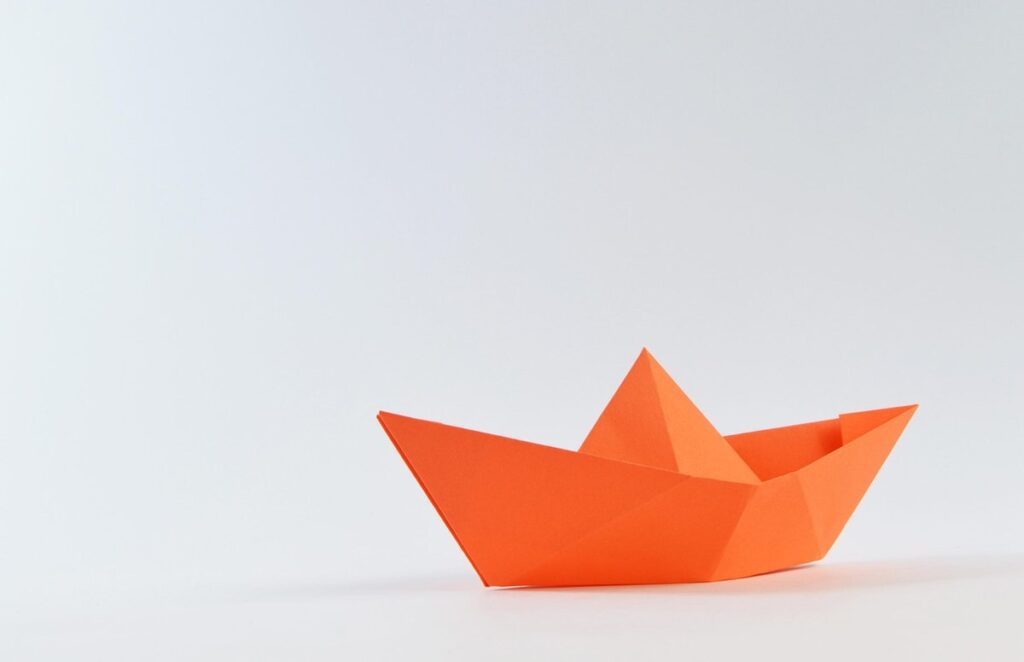
To master the art of creating origami flower cards, it’s essential to understand the fundamental principles of origami itself. Origami is an ancient Japanese art form that involves folding paper to create various shapes, designs, and objects. At its core, origami requires patience, attention to detail, and practice.
The process of folding paper in origami is not just about creating a physical object; it’s also a meditative experience that encourages focus and precision. As you fold the paper, you develop fine motor skills and hand-eye coordination, which are essential for achieving intricate designs. Origami is often described as a form of “paper sculpture,” where the folds and creases transform a flat sheet into a three-dimensional creation.
To begin your origami journey, start with simple models that require minimal folds and paper consumption. As you progress, experiment with different folding techniques and patterns to develop your skills. Remember, practice is key in origami. The more you fold, the better you’ll become at visualizing and executing complex designs. This foundation will serve you well when creating beautiful and meaningful origami flower cards for special occasions.
Benefits of Origami for Adults and Children
Engaging in origami can have a profound impact on both adults and children. For one, it serves as a calming and creative outlet, allowing individuals to express themselves freely without the constraints of traditional art forms. Origami requires focus and attention to detail, which can be particularly beneficial for individuals dealing with stress or anxiety. By concentrating on the intricate folds and patterns, participants can quiet their minds and achieve a meditative state.
In terms of cognitive development, origami exercises fine motor skills, hand-eye coordination, and concentration. These skills are essential for children’s overall growth and development, while adults can benefit from improved dexterity and mental clarity. As you work on creating your origami flower card, remember to take your time and focus on the process – it’s not just about the end result, but also the journey.
To get started, try incorporating simple origami exercises into your daily routine. Begin with basic folds and gradually progress to more complex designs. This will help you develop the necessary skills and build confidence in your abilities. By doing so, you’ll be well on your way to creating beautiful and meaningful gifts for loved ones.
Choosing the Right Paper for Your Origami Flower Card
Choosing the right paper is crucial for creating a beautiful origami flower card, as it will greatly impact the final appearance of your design. Let’s discuss the key factors to consider when selecting the perfect paper.
Types of Paper Suitable for Origami
When it comes to origami, not all paper is created equal. The type of paper you choose can greatly impact the final result of your origami flower card. One popular option for origami is kami paper, which has a smooth texture and a subtle sheen. Kami paper is lightweight, making it ideal for delicate designs and intricate folds. Its weight range typically falls between 50-80 gsm.
Washi paper is another suitable choice for origami, known for its translucent quality and decorative patterns. Washi paper can add an extra layer of visual interest to your design, but be aware that it may not hold its shape as well as kami or other papers.
Origami-specific papers are also designed with folding in mind, often featuring a unique texture or pattern that enhances the finished model’s appearance. These papers usually have a higher weight range (around 100-150 gsm) to allow for more precise folds and sharper creases. When selecting an origami paper, consider both its texture and color to ensure it complements your design. A lighter-weight paper may be better suited for intricate patterns, while a heavier paper can support bolder designs.
Tips for Selecting the Perfect Paper Color and Pattern
When choosing a paper color and pattern for your origami flower card, consider the occasion, recipient’s preferences, and the desired effect. For instance, pastel colors are often associated with spring and new beginnings, making them suitable for Easter or Mother’s Day cards.
If you’re creating a wedding or anniversary card, opt for more elegant and classic designs such as subtle florals or stripes. In contrast, bold and vibrant patterns like geometric shapes or bright florals can add a playful touch to children’s birthday cards.
Think about the recipient’s personal style and interests when selecting a paper color or pattern. If you’re creating a card for someone who loves nature, consider using earthy tones and botanical prints. On the other hand, if your recipient has a fondness for art deco, choose papers with intricate patterns and metallic accents.
Keep in mind that the paper’s texture can also impact the overall appearance of your origami flower card. For example, smooth papers will produce a more delicate look, while textured papers can add depth and visual interest to your design.
Basic Origami Techniques for Creating Flower Designs
To create beautiful origami flower designs, you’ll need to master a few fundamental techniques that will serve as the building blocks for your intricate cards. Let’s start with basic folds and creases.
Understanding Petals and Stems
When creating an origami flower design, understanding petals and stems is crucial. Petals are typically formed using a series of small folds, which create layers of paper. The most common technique for making petals involves folding the paper into accordion-like pleats, allowing for smooth, rounded edges. To create realistic-looking flowers, it’s essential to achieve uniform petal sizes and shapes.
Stems, on the other hand, provide structural support for the petals. They are usually created by folding a single sheet of paper in half lengthwise, then folding out small flaps at regular intervals to form a series of connected tubes. Attaching elements such as leaves or buds is often done using small folds or tucks that secure them to the stem.
When attaching petals to stems, consider the balance between securing the petal and maintaining its natural shape. A gentle touch and precise folding can help achieve this balance. For instance, you can fold a small tab at the base of each petal to allow it to adhere securely to the stem while still retaining its pliability.
Common Folding Techniques Used in Origami Flowers
To create smooth petals for your origami flower card, it’s essential to master three fundamental folding techniques: valley folds, mountain folds, and sink folds. Valley folds are created by folding the paper inward toward the center of the design, while mountain folds involve folding the paper outward from the center. These two types of folds will form the foundation of your petals.
A sink fold is a more subtle technique where you fold the paper downward, creating a gentle curve. This type of fold helps to add depth and dimension to your petals. Practice each of these techniques separately before combining them in your origami design. Start with simple exercises like folding a sheet of paper to create a single valley fold or mountain fold.
As you become more comfortable with these folds, apply them to your flower petal creation. Use the valley folds to shape the outer edges and the mountain folds to form the center of the petal. Experiment with different sink folds to achieve the desired level of curvature for each petal.
Advanced Techniques for Creating Realistic Flower Details
As you master the basics of origami flower card making, it’s time to take your creations to the next level by adding intricate details that will make them look and feel incredibly realistic. We’ll show you how to craft lifelike petals, stamens, and textures.
Adding Texture and Dimension to Your Flowers
To add texture and dimension to your origami flowers, you can employ various advanced techniques. Layering is one such method where you create multiple layers of petals to achieve a more realistic appearance. This involves folding and creasing the paper in a way that allows the layers to be easily separated and manipulated.
Another technique is deep creasing, which involves creating sharp folds in the paper to give it a more defined texture. You can use a bone folder or your fingernail to create these creases, depending on the thickness of the paper. To take this further, you can embellish your flowers with techniques like beveling or scoring.
For example, you can create a realistic rose by layering multiple petals and adding deep creases between them. Beveling adds a subtle texture that catches the light, while scoring creates a more delicate appearance. Experiment with different paper types and folding patterns to achieve unique textures and dimensions in your origami flowers. By mastering these advanced techniques, you can create even more realistic and visually striking designs for your origami flower cards.
Tips for Achieving Accurate Petal Placement and Symmetry
When working on an origami flower card, achieving accurate petal placement and symmetry can be challenging. To master this skill, focus on the relationship between individual petals and the overall shape of the flower. Start by ensuring that each petal is identical in size and shape. To do this, try creating a few practice petals and measuring their dimensions to establish a standard.
To maintain symmetry, fold each petal along the same crease line, and use a ruler or other straightedge to draw a guideline for even spacing. This will help you create a balanced flower design with consistent petal placement.
In addition to individual petal alignment, consider the overall shape of the flower. Origami flowers often have a central axis around which petals unfold. To achieve symmetry, ensure that this axis is centered and that petals are evenly spaced on either side. For added accuracy, use a small dot or crease marker to mark the center point of each petal before folding.
By paying attention to these details, you can create origami flower cards with professional-looking petals and balanced shapes that add a beautiful touch to your gifts.
Designing Your Origami Flower Card: Tips and Ideas
Now that you have a beautiful origami flower base, it’s time to add some finishing touches and turn it into a stunning card. Let’s explore ways to personalize your design and make it extra special.
Composing Your Design with Origami Elements
When arranging origami elements on your card, consider the principles of composition. Balance is key: distribute visual weight evenly across the design to create a harmonious arrangement. This can be achieved by mirroring or alternating shapes and colors. For example, pair a large flower with smaller ones or use contrasting paper colors to add depth.
Contrast adds visual interest to your design. Use different textures, patterns, or folding styles to create visual tension. Combine smooth petals with intricately folded details or mix matte and glossy papers for added dimension. A focal point can be created by placing the most prominent element in the center of the card or using size and scale to draw attention.
To add a sense of movement, consider curving your design elements or creating a diagonal line. This can also help guide the viewer’s eye through the composition. Balance simplicity with complexity: too many intricate details can overwhelm the design. Leave some negative space to create breathing room and allow individual origami pieces to shine.
Inspiration from Nature and Cultural Influences
Nature’s beauty and cultural influences can serve as a rich source of inspiration for origami flower card designs. Observe how flowers bloom in various colors and shapes to inform the variety of petals you fold. For instance, cherry blossoms have delicate pink petals with subtle texture, while sunflowers boast bright yellow petals with prominent ridges.
Consider incorporating motifs from different cultures, such as Japanese kanji symbols or Indian henna patterns, into your design. You can also draw inspiration from architecture, like the intricate tilework found in Moroccan riads or the ornate details on Gothic cathedrals. When combining these elements, balance contrasting styles with a cohesive color palette and layout.
To incorporate personal style, experiment with unique paper textures, such as washi or hand-painted designs. You can also add embellishments like sequins, ribbons, or beads to reflect your personality. For example, a spring-inspired design might feature pastel colors, floral patterns, and delicate lace details.
Tips for Writing a Personalized Message and Assembling the Card
Once you’ve mastered the art of folding your origami flower, it’s time to add a personal touch with a heartfelt message inside the card. Here’s how to craft a thoughtful note that makes the gift truly special.
Creating a Heartfelt Message Inside Your Origami Card
When crafting a heartfelt message inside your origami card, consider the occasion and the recipient’s personality. Think about their interests, hobbies, or favorite colors to make the message more personal. If it’s a birthday gift, you could write something like “Wishing you a blooming year ahead!” to tie in with the flower design.
For a special anniversary or milestone event, express your gratitude and appreciation for the recipient’s presence in your life. You might say something as simple yet sincere as “You’re the missing petal that makes my life complete.” Be mindful of the message’s tone and ensure it aligns with the occasion’s emotions.
Keep your message concise and easy to read. Avoid using overly complex language or long paragraphs, which can make the card feel cluttered. Instead, opt for short, heartfelt sentences that convey your thoughtfulness. If you’re still unsure what to write, try brainstorming ideas inspired by the recipient’s favorite quotes, songs, or poems.
Assembly and Finishing Touches: Folding, Gluing, and Embellishments
When it comes to assembling your origami flower card, the final steps are just as important as the initial folding and design. Begin by carefully folding the petals of your flower into place, making sure they align evenly with the stem. Use a gentle touch to avoid creasing or bending the delicate paper.
Next, apply a small amount of adhesive, such as glue or a decoupage medium, to secure the petals in place. Start at the center of the flower and work your way outwards, ensuring each petal is securely attached before moving on to the next. Be mindful of excess glue, which can leave unsightly drips or marks.
Once the petals are set, you can add final embellishments such as beads, sequins, or ribbons to enhance your design. Choose items that complement the color and pattern of your paper, and arrange them thoughtfully to avoid overwhelming the delicate flower. A small sprig of greenery or a few strategically placed gems can add depth and visual interest to your origami card.
Troubleshooting Common Origami Challenges
We’ve all been there – struggling to fold a delicate petal or fix a misaligned stem. Don’t worry, we’ll walk you through common origami challenges and their easy fixes in this section.
Overcoming Petal Irregularities and Fold Marks
When creating an origami flower card, it’s common to encounter irregular petals or unsightly fold marks. These imperfections can be frustrating, but there are solutions to achieve smoother results. To begin with, make sure you’re using paper that is suitable for origami, as some papers may not hold their shape well.
If you find that your petals are uneven or have a rough edge, try using a technique called “petal rounding.” This involves gently curving the petal inward to create a more natural-looking shape. Alternatively, you can use a small tool like a chopstick or pencil to smooth out the edges of the petal.
For fold marks, try ironing your paper lightly before folding it. This will help relax any fibers that may be causing the folds to become visible. Another approach is to use a technique called “folding on the grain,” which involves aligning your folds with the paper’s natural grain direction. By following these tips, you can minimize the appearance of irregular petals and fold marks in your origami flower card.
Tips for Handling Crumpled Paper and Improvising with Unfolding Mistakes
When working with delicate origami paper, it’s not uncommon for sheets to become crumpled or creased during the folding process. To minimize waste and salvage usable areas, try the “cutting around” technique. Place a flat sheet of scrap paper on top of the crumpled area and use scissors to carefully cut out the damaged section. You can then re-use the remaining intact portion for your origami design.
Another approach is to work with the crumpled paper as is, using it to create unique texture and visual interest in your flower card. For example, you could intentionally fold the creased areas into the design, creating a stylized or abstract effect. This method requires some creative flexibility and experimentation, but can result in a one-of-a-kind piece with character.
In cases where unfolding mistakes lead to irreparably damaged paper, consider repurposing small fragments as embellishments or accents within your origami design. You can glue them onto the card’s background or use them to create intricate details like stamens or leaves. By embracing imperfections and finding ways to incorporate them into your art, you can turn what might otherwise be discarded material into a meaningful element of your handmade gift.
Frequently Asked Questions
Can I Use Origami Flower Cards for Formal Occasions?
Yes, with careful selection of paper and design, origami flower cards can be suitable for formal occasions like weddings or anniversaries. Consider using high-quality paper in elegant colors and simple designs to convey sophistication.
How Do I Store My Origami Paper and Finished Cards to Keep Them Fresh?
Store your origami paper in a cool, dry place away from direct sunlight. Finish your cards just before giving them out, as exposure to air can cause the paper to yellow or become brittle. Consider using acid-free materials for long-term preservation.
What If I Run Out of Time and Need to Complete My Origami Card Quickly?
If you’re short on time, focus on completing the basic folds and design elements. Use a simpler origami flower pattern or omit some details to save time without compromising the overall look. You can also practice your folding skills beforehand to build up speed.
Can I Create 3D Origami Flowers with My Cards, Making Them More Dimensional?
Yes, you can create 3D origami flowers by using advanced techniques like layering and creasing. To add dimension, use a combination of folds and cuts strategically placed on your paper design. This will give the impression that your flower is raised above the card’s surface.
How Do I Adapt Origami Flower Card Designs for Children with Special Needs or Limited Hand-Eye Coordination?
When creating origami flowers for children with special needs, consider using simpler designs, larger folding patterns, and softer paper textures to make it easier to handle. You can also break down complex folds into smaller steps or provide assistance during the folding process to ensure their success.