
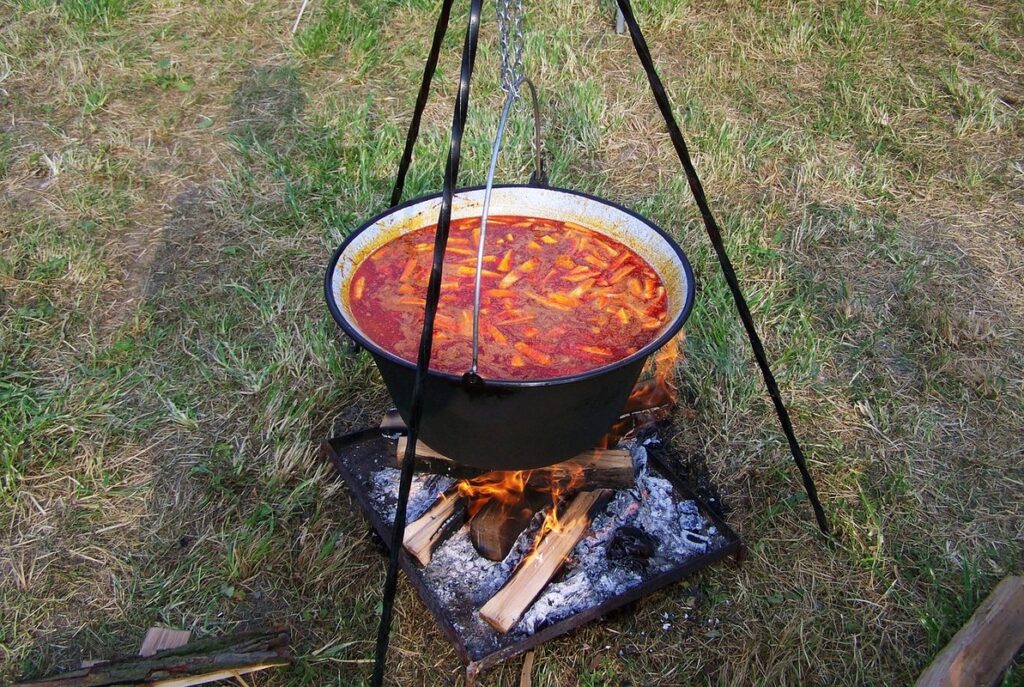
Open fire cooking is an art that’s been passed down through generations, and for good reason: there’s something special about cooking over an open flame. Whether you’re a seasoned outdoor chef or just starting to experiment with cooking over wood, the possibilities are endless. But let’s face it – when you’re out in the wilderness or at your favorite campsite, it can be hard to think on your feet and come up with delicious recipes that showcase the simplicity of open fire cooking. In this article, we’ll share expert techniques for grilling meats, seafood, and vegetables over an open flame, drawing from traditional recipes that have been perfected by outdoor cooks around the world. By the end of this article, you’ll be able to create mouth-watering dishes using nothing more than a grill grate or a cast-iron skillet over your campfire.
Choosing the Right Ingredients
When cooking over an open flame, selecting the right ingredients can make all the difference in achieving authentic flavors. Let’s explore how to choose the freshest meats and produce for your next outdoor feast.
Understanding Flavor Profiles
When cooking over an open flame, understanding flavor profiles is essential for creating balanced and delicious dishes. Flavor profiles refer to the combination of tastes that come together in a specific dish. The four main flavor profiles are sweet, savory, smoky, and spicy.
Sweet flavors are often associated with ingredients like fruits, honey, and sugar. They add depth and richness to a dish without overpowering other flavors. Savory flavors, on the other hand, come from ingredients like meats, vegetables, and herbs. These flavors enhance the overall taste experience and provide a sense of umami.
Smoky flavors are created by cooking over an open flame, which imbues food with a distinct smokiness. This can be intensified by using wood chips or chunks to add more smoke flavor. Spicy flavors come from ingredients like chili peppers, garlic, and ginger. They add a bold and pungent taste that can elevate a dish.
When balancing flavors in open fire cooking, consider the following: start with a strong foundation of savory flavors, then add sweet and smoky notes as needed. Use spicy flavors sparingly to avoid overpowering other tastes. For example, grilled meats like lamb or beef pair well with sweet and smoky flavors, while vegetables like bell peppers and onions are better suited for savory and slightly spicy flavors.
Selecting Meats for Open Fire Cooking
When selecting meats for open fire cooking, you’ll want to choose cuts that are well-suited for high-heat cooking. Beef, such as flank steak and skirt steak, are popular choices due to their tender texture and rich flavor. Pork is also a great option, particularly pork chops and baby back ribs.
Lamb, with its bold flavor and firm texture, pairs exceptionally well with the smoky taste of open fire cooking. Chicken thighs and legs are another excellent choice, as they retain moisture even when cooked over high heat. When selecting meats, look for fresh cuts that have not been previously frozen, as this will help ensure optimal flavor.
It’s essential to handle meat safely before cooking to prevent cross-contamination and foodborne illness. This includes storing raw meat in a sealed container at the bottom of your fridge, separating it from cooked and ready-to-eat foods. When transporting meat to the open fire, make sure to keep it in a covered container or zip-top bag to maintain freshness.
For optimal results, choose cuts with a thickness of about 1-2 inches (2.5-5 cm), as this allows for even cooking over the open flame. Avoid overly thin cuts that may cook too quickly and become dry.
Basic Techniques and Safety Precautions
To cook over an open flame safely, it’s crucial to understand basic techniques for handling heat and fuel, as well as common safety precautions to avoid accidents.
Setting Up Your Open Fire Pit or Grill
When setting up an open fire pit or grill for cooking, it’s essential to choose a safe and accessible location. Look for a spot with level ground, away from flammable materials like leaves, branches, and buildings. Consider the proximity to water sources, as you’ll need access to a hose or bucket of water in case of emergencies.
Before starting to cook, prepare your cooking area by clearing any debris and applying a non-stick cooking surface if necessary. If using a grill, ensure it’s clean and well-oiled to prevent food from sticking.
To protect yourself while cooking over an open flame, use heat-resistant gloves and tongs to handle hot utensils and food. A fire pit screen or spark guard can also help contain sparks and embers.
When working with open flames, keep a fire extinguisher or a bucket of sand nearby in case of emergencies. Regularly inspect your grill or fire pit for damage or wear, and maintain it according to the manufacturer’s instructions.
Understanding Heat Zones
When cooking over an open flame, understanding heat zones is crucial for achieving even cooking results. Heat zones refer to areas of varying temperatures within a grill or cooking pit, often caused by uneven airflow, fuel distribution, or the natural draft created by the fire itself. To manage heat effectively, you need to identify these zones and position food accordingly.
Typically, a well-designed open fire pit or grill will have three main heat zones: hot, medium-hot, and cool. The hottest zone is usually directly over the flames, while the cooler zones are farther away from the direct heat source. To adjust airflow, you can use tools like grill dams or adjustable vents to control oxygen flow, thereby influencing temperature.
When moving food around the cooking area, keep in mind that high-heat foods like seared steaks should be placed near the hottest zone, while lower-heat dishes like roasted vegetables benefit from the medium-hot or cool zones. Consider also rotating your food regularly to prevent hot spots and ensure even cooking. By understanding heat zones and adjusting airflow, you’ll be able to cook a wide range of open fire recipes with precision and consistency.
Traditional Open Fire Cooking Recipes
When cooking over open flames, there’s nothing quite like the rich flavors and aromas that come from traditional recipes passed down through generations. This next section shares classic techniques for mouthwatering dishes made with simplicity and love.
Grilled Skewers and Kabobs
When preparing grilled skewers and kabobs for open fire cooking, it’s essential to select ingredients that complement each other in terms of flavor profile. A classic Greek souvlaki recipe, for example, typically features lamb or pork cubes marinated in a mixture of olive oil, lemon juice, garlic, and oregano. In contrast, Middle Eastern shawarma often uses thinly sliced chicken or beef, mixed with spices like cumin, coriander, and paprika.
To achieve the perfect balance of flavors, consider the following marinade preparation tips: Use a combination of acidic ingredients like lemon juice or vinegar to help break down proteins and enhance flavor penetration. Add aromatics such as garlic, ginger, or onions for added depth. Finally, choose herbs that complement the main protein – parsley pairs well with lamb, while cilantro is a good match for chicken.
When grilling skewers and kabobs, it’s crucial to achieve an even sear on all sides. To do this, make sure to oil your grill or open fire pit before adding the skewers. You can also brush them with oil during cooking to prevent sticking and promote caramelization.
Smoked Meats and Brisket
When it comes to smoking meats over an open flame, patience is key. The slow, low-heat process of smoking breaks down connective tissues and infuses flavors into the meat, resulting in tender and delicious results.
To achieve this, you’ll need a type of wood that’s well-suited for smoking. Hickory, oak, and mesquite are popular choices, each imparting their own unique flavor profiles to the meat. For example, hickory is often used for traditional barbecue flavors, while mesquite adds a strong, earthy taste.
Temperature control is also crucial in smoking meats. A temperature range of 225-250°F (110-120°C) is ideal for slow-cooking meats like beef brisket and pork shoulder. This allows the meat to cook slowly over several hours, resulting in tender and juicy results.
For a classic example, try smoking a beef brisket over hickory wood. Season the meat with salt, pepper, and any other desired spices, then place it in the smoker for 4-5 hours. The key is to keep the temperature consistent and not open the lid too often, allowing the smoke to penetrate deep into the meat.
A good rule of thumb is to plan for at least 30 minutes of resting time per pound of meat after smoking. This allows the juices to redistribute, making the meat even more tender and flavorful when sliced.
Advanced Open Fire Cooking Techniques
Advanced open fire cooking techniques take practice, but mastering them can elevate your outdoor cooking game to new heights of flavor and presentation. We’ll walk you through expert methods for achieving perfect sears and tender results.
Wood-Fired Ovens and Pizza Making
To create authentic Neapolitan-style pizza in a wood-fired oven, you need to understand its unique characteristics. Wood-fired ovens can reach temperatures of up to 1000°F (538°C), which allows for a perfectly cooked crust in just a few minutes. The intense heat and quick cooking time are key to achieving the characteristic char and crispy texture.
To make Neapolitan-style pizza, start by selecting a type of flour that is high in protein, such as Caputo or All-Purpose Flour. This will help your dough develop the right balance of chew and crunch. Next, choose a sauce made from crushed San Marzano tomatoes, which have less acidity than other tomato varieties.
When shaping your dough, keep it thin to allow for even cooking. Top with ingredients like fresh mozzarella cheese, basil leaves, and a drizzle of extra-virgin olive oil. To cook the pizza, place it in the wood-fired oven for 2-3 minutes, or until the crust is golden brown and the toppings are heated through.
Pan-Frying and Searing on an Open Flame
When cooking on an open flame, pan-frying and searing can be a game-changer for adding crispy textures and smoky flavors to your dishes. To start, you’ll need a heat-resistant pan that’s specifically designed for high-heat cooking over an open flame. Look for pans made from cast iron or hard-anodized aluminum – these materials can withstand extremely high temperatures.
When selecting a pan, consider the size and shape of your cooking surface. A smaller pan is ideal for searing small portions of meat or vegetables, while a larger pan allows you to cook more substantial dishes like stir-fries or one-pot meals. To manage heat effectively, position the pan at an angle over the flames, allowing the heat to distribute evenly.
To achieve crispy textures, use a small amount of oil in the pan and wait for it to reach its smoking point before adding your ingredients. For searing meat, make sure the pan is scorching hot – this will create a nice crust on the surface. When cooking vegetables, aim for a medium-high heat that allows them to brown slightly without burning.
Specialty Open Fire Cooking Recipes
Whether you’re cooking up a hearty stew or searing a perfectly grilled steak, these specialty recipes will take your open fire cooking to the next level. From game meats to seafood, we’ve got you covered.
Seafood and Fish Recipes
When working with delicate seafood and fish proteins on an open flame, it’s essential to balance flavor enhancement with gentle cooking techniques. For instance, when grilling salmon fillets, a simple marinade of olive oil, lemon juice, garlic, and herbs like thyme or rosemary can add depth without overpowering the fish.
For sea bass, try a mixture of butter, parsley, and capers for added richness. When preparing seafood skewers with shrimp, scallops, and fish, alternate protein types to ensure even cooking. This also allows you to cook more substantial pieces like shrimp alongside smaller fish or scallops.
To prevent overcooking delicate proteins, monitor the heat zones closely and adjust cooking times accordingly. For seafood and fish, a medium-low heat setting (around 350-400°F) is usually ideal for achieving a tender, flaky texture. Keep an eye on internal temperatures to ensure food safety: most fish should be cooked to at least 145°F, while shrimp are done when opaque and firm.
Some popular seafood options for open fire cooking include mussels, clams, and whole fish like trout or snapper. Experiment with different marinades and seasoning combinations to find your favorite pairings – the key is to enhance rather than overpower the natural flavors of the ingredients.
Vegetarian and Vegan Options
Plant-based options are thriving on open fire cooking scenes, with chefs and home cooks alike experimenting with creative ways to balance flavors without meat. Roasted vegetables like Brussels sprouts and sweet potatoes pair beautifully with a drizzle of balsamic glaze or olive oil infused with herbs from your garden. Portobello mushroom burgers, marinated in a mixture of soy sauce, maple syrup, and thyme, develop a rich, savory flavor when grilled to perfection.
Eggplant parmesan is another crowd-pleaser, with the tender flesh of eggplant complemented by melted mozzarella cheese and a tangy tomato sauce. To elevate this dish, use a flavorful oil like truffle or chili-infused olive oil for brushing the eggplant slices before grilling. When it comes to vegan-friendly ingredients, don’t be afraid to get creative with spices and seasonings – try using smoked paprika to add depth to your vegetable skewers.
Some key tips for balancing flavors in plant-based open fire cooking include:
- Using a combination of sweet, sour, salty, and umami flavors
- Experimenting with different marinades and rubs to enhance the natural flavors of ingredients
- Don’t be afraid to add acidity, such as lemon juice or vinegar, to cut through richness
- Let your ingredients shine – focus on showcasing their natural flavors rather than relying on heavy sauces.
Troubleshooting Common Issues
We’ve all been there – struggling to get that perfect sear or dealing with a burnt offering. Let’s tackle some common issues you might encounter when cooking over an open flame.
Dealing with Inconsistent Heat
When cooking over an open flame, inconsistent heat can be a major challenge. One common issue is temperature fluctuations due to changing wind conditions or uneven fuel distribution. To mitigate this, try using a reflector or a windbreak to shield the fire from gusts and maintain a more consistent heat source.
Another approach is to adjust your cooking schedule accordingly. If you notice that the temperature drops during certain times of day, plan your cooking for when the heat is more stable. For example, if you’re experiencing cooler morning temperatures, save your high-heat dishes like searing steaks or cooking sausages for later in the day.
Additionally, pay attention to the type and amount of fuel you use. A well-tended fire with a steady supply of oxygen can help maintain a more consistent temperature. Experiment with different types of wood and charcoal to find what works best for your setup. By being mindful of these factors, you can better control the heat and achieve more consistent results in your open fire cooking endeavors.
Achieving Perfectly Cooked Food Every Time
When cooking over an open flame, it’s common for temperatures to fluctuate, making it challenging to achieve perfectly cooked food every time. To overcome this issue, invest in a high-quality thermometer, such as a digital instant-read thermometer or a wireless smart thermometer. These devices provide accurate temperature readings, allowing you to monitor the internal temperature of your meat.
Use these readings to adjust cooking times accordingly. For example, if you’re cooking a steak over medium-high heat, aim for an internal temperature of 130°F (54°C) for rare and 140°F (60°C) for medium-rare. Remember that thick or fatty cuts will take longer to cook than thinner ones.
Monitoring cooking times is equally crucial. Keep track of how long you’ve been grilling or roasting each item, and adjust the seasoning accordingly. Overcooked food can be salvaged by adding fresh herbs or citrus juice, but undercooked meat is often irreparable. To avoid this risk, use a timer and keep an eye on your food’s texture, color, and aroma.
By combining accurate temperature readings with mindful cooking times, you’ll be well on your way to achieving perfectly cooked food every time over an open flame.
Frequently Asked Questions
Can I use open fire cooking techniques for large gatherings or events?
Yes, open fire cooking is perfect for big groups and events, as it allows for efficient cooking of large quantities of food while also providing a unique and immersive experience for guests. With proper planning and setup, you can easily scale up your open fire cooking to feed dozens or even hundreds of people.
How do I adapt traditional recipes for my own personal flavor preferences?
To adapt traditional open fire recipes to your taste, start by understanding the core flavors and ingredients involved. Then, experiment with substituting or adding new ingredients that align with your flavor profile. Don’t be afraid to try new combinations – it’s all part of the creative process in open fire cooking.
What if I don’t have access to a large outdoor space for setting up an open fire pit?
You can still enjoy open fire cooking even without a large outdoor space. Consider investing in a portable gas grill or electric smoker, which can provide similar flavors and textures to traditional open fire cooking. Alternatively, look into community gardens, parks, or other public spaces that may offer open fire cooking facilities for use.
Can I use wood chips or chunks instead of logs for smoking meats?
Yes, you can use wood chips or chunks for smoking meats, but keep in mind that they will impart a different flavor profile compared to using logs. Wood chips and chunks are better suited for smaller, more delicate cuts of meat, while logs provide a richer, deeper smoke flavor.
What’s the best way to store leftover open fire-cooked food to maintain its flavors?
To preserve the unique flavors of your open fire-cooked dishes, focus on cooling them quickly and storing them in airtight containers. Avoid overcrowding containers or covering foods with plastic wrap, as this can trap moisture and alter flavors. Refrigerate leftovers promptly and reheat using low-temperature methods to prevent flavor loss.

