
Many of us rely on our trusty lunch boxes to carry food from home to work or school, but have you ever stopped to think about the potential risks associated with traditional plastic containers? Non-toxic lunch boxes are becoming increasingly important as we become more aware of the chemicals and materials used in everyday products. BPA-lined plastics, for example, can leach into our food and pose serious health concerns.
When choosing a non-toxic lunch box, it’s essential to consider the materials used in its construction. Look for options made from stainless steel, bamboo, or silicone, which are generally safer than plastic. You’ll also want to pay attention to safety features such as thermal insulation and spill-proof designs. By the end of this article, you will be able to confidently select a non-toxic lunch box that not only keeps your food safe but also aligns with eco-friendly values.
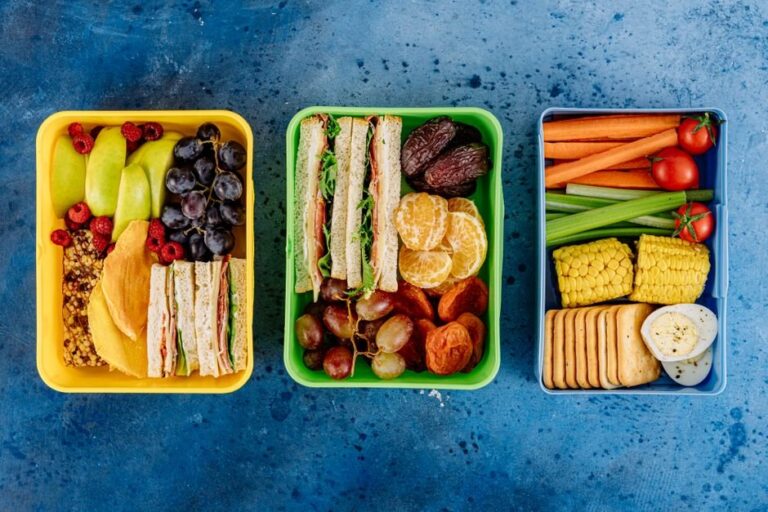
Choosing the Right Materials
When selecting materials for your non-toxic lunch box, it’s crucial to consider the type of food and liquid storage you need, as well as any special features that matter most to you. From silicone to stainless steel, let’s explore your options.
Understanding BPA-Free and Phthalate-Free Options
When shopping for a non-toxic lunch box, you may come across labels like “BPA-free” and “phthalate-free.” These terms refer to the absence of certain chemicals commonly used in food packaging and manufacturing. BPA (bisphenol A) is a synthetic estrogen that can leach into food from plastic containers, while phthalates are a group of chemicals used as plasticizers to make materials more flexible.
BPA and phthalates have been linked to various health concerns, including cancer, reproductive issues, and developmental problems. To minimize exposure, look for lunch boxes made with BPA-free and phthalate-free materials. Many stainless steel and bamboo lunch boxes meet these standards. Some notable certifications include those from the International Organization for Standardization (ISO) and the US Environmental Protection Agency’s Safer Choice program.
When evaluating a product’s claims, consider the following: if a material is labeled as “BPA-free,” it doesn’t necessarily mean it’s phthalate-free. Conversely, some products might be phthalate-free but still contain other toxic chemicals. Always check the manufacturer’s website or contact their customer service for more information on their materials and production processes. By making informed choices, you can reduce your family’s exposure to hazardous substances in their lunch boxes.
The Importance of Stainless Steel
Stainless steel lunch boxes are a top choice for non-toxic enthusiasts due to their exceptional durability and non-reactive properties. Unlike other materials that may leach chemicals into food, stainless steel is a safe bet for storing and transporting meals.
One key benefit of stainless steel is its resistance to corrosion and rust. This means you can wash your lunch box with harsh cleaners or even put it through the dishwasher without worrying about it deteriorating. In contrast, some non-stainless steel containers may require gentle hand-washing and special cleaning products to prevent damage.
Stainless steel also doesn’t react with acidic foods like citrus fruits or tomatoes, which can cause leaching in other materials. This makes it an excellent choice for storing soups, salads, or other dishes that might compromise the integrity of a non-stainless steel container.
When shopping for a stainless steel lunch box, look for high-quality 18/8 or 18/10 grades, which contain a higher percentage of chromium and nickel for added corrosion resistance. Avoid containers with flimsy construction or thin coatings, as these may not provide adequate protection against scratches and corrosion.
Lunch Box Safety Features
When it comes to packing a safe and healthy lunch, one crucial aspect is ensuring your child’s lunch box doesn’t harbor any hidden dangers. Let’s look at some essential safety features you should prioritize in your non-toxic lunch box.
Look for Certifications: What to Know
When shopping for a non-toxic lunch box, look for certifications from reputable organizations to ensure it meets safety standards. The FDA is one such certification body, but you may also see ETL (Intertek) or UL (Underwriters Laboratories) labels. These organizations test products against rigorous safety protocols, including materials and manufacturing processes.
For example, the FDA’s testing process involves evaluating the leaching of chemicals from plastic containers into food. This includes BPA and phthalates, which we discussed in our previous section on understanding safe materials. ETL, on the other hand, focuses on electrical safety, but also tests for chemical emissions and material durability.
It’s worth noting that not all certifications are created equal. Some organizations may have more stringent testing procedures than others. Look for certifications from organizations with a proven track record of protecting consumer health and safety. You can usually find this information on the manufacturer’s website or packaging. When in doubt, reach out to the manufacturer directly to ask about their testing and certification process.
In particular, keep an eye out for products that have achieved compliance with relevant standards like NSF/ANSI 51, which addresses chemical emissions from food contact surfaces. By seeking out these certifications, you can have greater confidence in your lunch box’s safety and non-toxicity.
Safe Materials for Insulation and Coatings
Silicone and Thermoplastic Polyurethane (TPU) are two popular non-toxic materials used for insulation and coatings in lunch boxes. Silicone is a flexible material that provides effective temperature retention, while TPU offers excellent durability and resistance to scratches.
When shopping for silicone-coated or TPU-lined lunch boxes, look for products with a high concentration of these materials. Some manufacturers use a combination of the two to achieve optimal performance. A 3-5mm thickness of silicone is usually sufficient for most lunch boxes, but some may require more depending on their size and design.
It’s essential to note that not all silicone or TPU products are created equal. Some may contain additives or by-products that can compromise their non-toxic status. Opt for brands that use pure, food-grade silicone or TPU and provide transparent information about their manufacturing process.
When choosing between silicone and TPU, consider the specific needs of your lunch box. Silicone is a better option for those who prioritize flexibility and ease of cleaning, while TPU offers improved durability and resistance to wear. Ultimately, selecting non-toxic insulation and coatings sets the foundation for a safe and healthy food storage experience.
Designing Your Non-Toxic Lunch Box
When it comes to packing a non-toxic lunch, your container is just as important as what’s inside. Choosing the right materials will make all the difference in keeping your food fresh and your health safe.
Compact and Leak-Proof Designs
When selecting a non-toxic lunch box, compact and leak-proof designs are crucial considerations. These features not only make your lunch box more convenient to use but also reduce the risk of accidents and spills.
A compact design ensures that your lunch box fits comfortably in your bag or backpack without taking up too much space. Look for lunch boxes with a slim profile and foldable containers, which can be easily stowed away when not in use. For example, some lunch boxes feature collapsible bento-style containers that can be folded flat against the inside of the lid.
Leak-proof designs are also essential to prevent spills and messes. Some lunch boxes come equipped with a leak-proof lining or coating on the interior of the containers. These linings are often made from non-toxic materials like silicone or TPU (thermoplastic polyurethane). When shopping for a leak-proof lunch box, check if the manufacturer has specifically designed the containers to prevent liquids from seeping through.
When choosing a compact and leak-proof design, consider your personal needs and preferences. If you’re always on-the-go, a compact lunch box with leak-proof features may be the perfect solution for you.
Aesthetics: Durable and Easy-to-Clean Finishes
When selecting a non-toxic lunch box, durable and easy-to-clean finishes are essential for maintaining hygiene and reducing waste. A finish that resists scratches and fading will ensure your lunch box looks like new even after repeated use.
Consider a lunch box with a powder-coated or anodized aluminum finish, which is highly resistant to corrosion and can withstand rough handling. These finishes also provide a smooth surface that’s easy to wipe clean with a damp cloth.
Some manufacturers offer lunch boxes with special coatings that inhibit bacterial growth, such as antimicrobial linings. These coatings can be particularly useful for families or individuals who pack food in their lunch box daily.
When evaluating the finish of your non-toxic lunch box, look for materials like stainless steel and silicone, which are often used together to create a durable and easy-to-clean exterior. A well-designed lunch box with a thoughtfully chosen finish can make all the difference in keeping your food fresh and your environment clean.
Additional Safety Considerations
When it comes to packing a safe and healthy lunch, there are some crucial factors to consider beyond just non-toxic containers. Let’s take a closer look at these often-overlooked safety considerations for your little ones’ lunches.
Cleaning and Maintenance Best Practices
Cleaning a non-toxic lunch box is not just about removing food residue; it’s also crucial to prevent the buildup of bacteria and other microorganisms. For hard plastic and stainless steel containers, wash them with mild soap and warm water after every use. Avoid using abrasive materials or harsh chemicals, as these can damage the surface and compromise its non-toxic properties.
For more delicate items like silicone lids or rubber seals, gently scrub them with a soft-bristled brush and dry thoroughly to prevent moisture buildup. Regular cleaning will also help maintain the lunch box’s insulation and keep it performing optimally.
When storing your non-toxic lunch box, make sure it’s completely dry before placing it in its storage container. Avoid stacking multiple containers on top of each other, as this can cause pressure points that may lead to scratches or damage.
For long-term maintenance, consider cleaning the lunch box with a mixture of equal parts water and white vinegar every 1-2 weeks. This will help maintain its non-toxic coating and prevent any potential buildup of bacteria.
Storage and Transportation Guidelines
When storing food in a non-toxic lunch box, it’s essential to keep perishable items separate from dry goods. Consider using small compartments or containers within the lunch box to prevent cross-contamination and maintain freshness. For example, you can store fruits and vegetables in one section, while keeping sandwiches and snacks in another.
When transporting your lunch, make sure the container is securely closed to prevent leaks and spills. If your lunch box has a leak-proof design, use it to minimize messes. Consider packing food items that are less likely to spoil quickly, such as nuts, dried fruits, or energy bars.
When storing the lunch box itself, keep it away from direct sunlight and moisture. Avoid stacking containers on top of each other, as this can cause damage to the non-toxic materials used in the construction of the lunch box. When cleaning the lunch box, use a soft cloth and mild soap to prevent scratching or damaging the surface.
When storing food for an extended period, consider using ice packs to keep perishable items cool. This is especially important when transporting lunches during warmer months or for long trips. Always check the temperature of your stored food before consuming it to ensure safety.
Eco-Friendly Lunch Box Options
When it comes to packing a healthy and sustainable lunch, choosing an eco-friendly lunch box is a great place to start. Let’s take a look at some of our favorite non-toxic options that are perfect for daily use.
Sustainable Materials and Brands
When selecting an eco-friendly lunch box, it’s essential to consider the materials used and opt for brands that prioritize sustainability. Look for products made from recycled stainless steel, bamboo, or plant-based plastics, which are biodegradable and non-toxic. Some notable brands incorporating sustainable materials include Bentgo, LunchBots, and PlanetBox.
Recycled stainless steel is a popular choice among eco-friendly lunch box manufacturers due to its durability and resistance to scratches. These products often have a high percentage of post-consumer recycled content (PCRC), making them an attractive option for environmentally conscious consumers. Brands like Zomee and KidBasics also offer stainless steel options with PCRC.
When shopping for sustainable materials, check the product labels or manufacturer’s website for certifications such as B Corp or Cradle to Cradle. These labels indicate that the brand has met rigorous standards for sustainability and social responsibility. Consider brands that prioritize transparency in their manufacturing processes and supply chains, ensuring a reduced environmental footprint throughout the production cycle.
Buying Second-Hand or Refurbished Lunch Boxes
Buying second-hand or refurbished lunch boxes is a sustainable alternative to traditional new purchases. Not only does it reduce waste and minimize environmental impact, but it also provides an affordable option for those on a budget. When shopping for pre-owned lunch boxes, look for items that are made from non-toxic materials, such as stainless steel, glass, or BPA-free plastics.
Consider visiting local thrift stores, online marketplaces like eBay or Craigslist, or specialty stores that sell second-hand kitchenware. Be sure to inspect the condition of the item carefully before making a purchase, checking for any signs of damage or wear. When possible, choose items with a known history and documentation, such as a manufacturer’s warranty or repair records.
Some popular brands also offer refurbished or certified pre-owned lunch boxes that have been thoroughly inspected and cleaned. These options can provide added peace of mind for those seeking a reliable and eco-friendly alternative. By considering second-hand or refurbished lunch boxes, you can reduce your environmental footprint while still enjoying the benefits of a high-quality non-toxic lunch box.
Advanced Non-Toxic Lunch Box Features
Some lunch boxes go above and beyond with advanced features that make mealtime even healthier, such as built-in utensil storage. We’ll highlight some of these innovative designs to consider for your next non-toxic purchase.
Smart Technology Integration
Advanced non-toxic lunch boxes often integrate smart technology to enhance user experience. Temperature control is a notable feature, allowing you to set a desired temperature range for your food. This can be especially useful when transporting perishable items like sandwiches or salads. Some models come equipped with built-in thermometers that monitor internal temperatures, alerting you if the contents exceed safe limits.
Smart tracking features enable users to monitor the status of their lunch box’s contents remotely. This might include temperature readings, humidity levels, or even notifications when the food is ready to eat. For instance, a smart lunch box might send an alert to your phone when your sandwich has reached optimal eating temperature.
Look for models that offer customizable presets and alerts. Some may also integrate with popular fitness trackers or health apps, providing a more holistic view of your daily habits. When shopping for a smart non-toxic lunch box, consider the specific features you need and how they align with your lifestyle. This will help ensure you find the right balance between functionality and safety.
Innovative Materials and Designs
Advanced non-toxic lunch boxes often incorporate innovative materials and designs that prioritize sustainability. For instance, some brands use recycled plastic or plant-based materials for their containers. These eco-friendly alternatives not only reduce waste but also minimize the risk of toxic chemicals leaching into food.
Some companies are experimenting with bioplastics made from renewable resources such as corn starch or sugarcane. These bioplastics have shown promise in reducing greenhouse gas emissions and minimizing environmental impact. Additionally, some lunch boxes feature clever designs that eliminate the need for separate containers, reducing packaging waste.
Other cutting-edge materials include ceramic-coated stainless steel and silicone-free insulation. Ceramic coatings offer a non-toxic alternative to traditional plastics, while silicone-free insulation ensures that heat transfer is optimized without compromising on safety. Some brands also incorporate design elements like built-in utensil holders or compartments to organize food, making mealtime more efficient.
When shopping for an advanced non-toxic lunch box, look for products featuring these innovative materials and designs. Consider the brand’s commitment to sustainability and transparency regarding their manufacturing processes. By prioritizing eco-friendly materials and clever designs, you can enjoy a safe and sustainable eating experience on-the-go.
Frequently Asked Questions
Can I use my non-toxic lunch box in the microwave?
Yes, many non-toxic lunch boxes are designed for safe microwaving. However, always check your specific lunch box’s instructions to ensure it can withstand microwave heat.
How often should I replace my non-toxic lunch box to maintain its performance and prevent bacterial growth?
It’s recommended to replace your non-toxic lunch box every 1-2 years or when you notice a significant decline in its performance. Regular cleaning and maintenance can also help extend the life of your lunch box.
What if I accidentally leave my food in the non-toxic lunch box for an extended period? Will it still be safe to use?
While non-toxic materials are generally safe, leaving food in a closed container for too long can create an ideal environment for bacterial growth. If you notice any unusual odors or mold, discard the contents and thoroughly clean your lunch box before reuse.
How do I choose between different eco-friendly brands when they all seem to offer non-toxic options?
When selecting an eco-friendly brand, look for certifications like B Corp or 1% for the Planet, which ensure that companies meet rigorous environmental standards. You can also research reviews and ratings from other customers to get a sense of each brand’s commitment to sustainability.
Can I use my non-toxic lunch box in extreme temperatures, such as freezing or scorching heat?
While most non-toxic lunch boxes are designed for normal temperature ranges (32°F to 140°F), some models may be more resistant to extreme temperatures. Always check your specific lunch box’s instructions and manufacturer recommendations for guidance on handling unusual temperature conditions.

