
You might be surprised by the incredible adaptations that have evolved in various species to survive on our planet. The monarch butterfly, for example, migrates thousands of miles each year, while the Arctic tern travels an astonishing 44,000 miles annually, making it one of the most traveled animals on Earth. Marine life is also full of fascinating facts, such as the giant squid’s massive eyes that can detect light from over a mile away or the anglerfish’s bioluminescent lure that attracts prey in the dark depths of the ocean. Conservation efforts are crucial to protect these natural wonders, and understanding the intricate relationships between plants, mammals, birds, insects, and marine life is essential for preserving biodiversity. In this article, you’ll discover surprising facts about nature and wildlife, exploring the remarkable adaptations and conservation efforts that will leave you in awe of our planet’s incredible diversity.
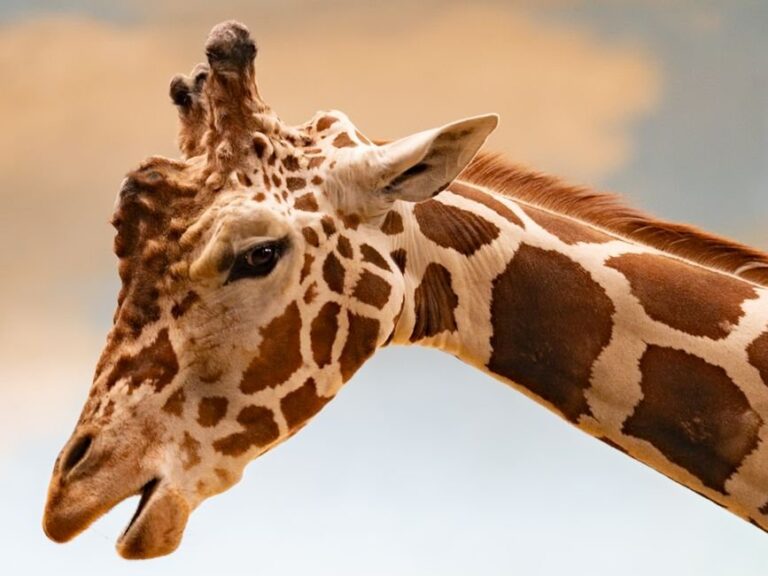
The Wonders of the Animal Kingdom
From majestic elephants to tiny hummingbirds, we’ll explore some incredible examples of unique animal features that have evolved over time. These remarkable adaptations will amaze and inspire you.
Mammals: Surprising Adaptations
Mammals have evolved an astonishing array of adaptations to survive and thrive in diverse environments. One remarkable example is echolocation, a biological sonar system employed by bats and dolphins. These animals emit high-frequency sounds that bounce off objects, allowing them to navigate and hunt in complete darkness.
Some mammals have also developed exceptional camouflage abilities. The Arctic fox’s white coat blends seamlessly into the snowy landscape, while the okapi’s striped pattern allows it to blend in with its forest surroundings. In contrast, the chameleon-like ability of some species, such as the walking catfish, enables them to change color and texture to match their environment.
Another fascinating aspect of mammalian adaptations is their incredible diversity. From the towering giraffes that roam African savannas to the tiny, shrew-like rodents found in forests worldwide, mammals come in an astonishing range of shapes and sizes. This remarkable adaptability has allowed them to colonize almost every habitat on Earth, from scorching deserts to icy tundras.
Marine Life: Oceanic Oddities
Deep-sea dwellers like the giant squid and anglerfish have evolved to thrive in conditions that would be hostile to most other creatures. Their bioluminescent capabilities allow them to communicate, find prey, and evade predators in the dark depths of the ocean. The giant squid’s massive eyes are said to be the largest of any animal on Earth, capable of detecting the faint glow of a distant jellyfish.
One of the most fascinating aspects of these creatures is their ability to defy expectations about what it means to be “normal” or “typical.” For example, the anglerfish has a fleshy growth on its head that’s used as a lure to attract prey. This unique feature is not just a curious adaptation – it’s also a testament to the incredible diversity of life in our oceans.
Despite their bizarre appearance, these deep-sea creatures are incredibly resilient and can survive in conditions with near-freezing temperatures and intense pressure. Understanding how they’ve adapted to these extreme environments can provide valuable insights into the evolution of life on Earth.
Birds: Aerial Acrobats
Birds have evolved an array of remarkable abilities that allow them to thrive in diverse environments. Migration patterns are a prime example of this adaptability. Each year, billions of birds embark on epic journeys, traveling thousands of miles between breeding and wintering grounds. The Arctic tern, for instance, migrates from the Arctic to the Antarctic and back again every year, a journey of over 44,000 miles.
Birds’ unique beak shapes play a crucial role in their survival. Different species have developed specialized beaks that enable them to feed on specific food sources. The hummingbird’s long, extendable tongue is perfect for sipping nectar from flowers, while the pelican’s massive bill allows it to scoop up fish from the water.
Some birds also engage in extraordinary courtship displays to attract a mate. The peacock’s elaborate plumage and impressive dance are famous examples of this behavior. By showcasing their vibrant colors and acrobatic skills, male peacocks demonstrate their fitness and increase their chances of successful mating. These displays not only highlight the diversity of bird behavior but also underscore the importance of visual communication in the animal kingdom.
The Natural World’s Hidden Gems
From the majestic giant squid lurking in the depths of the ocean to the adorable aye-aye lemur found only on Madagascar, discover the fascinating creatures that often go unnoticed. Let’s uncover their secrets together!
Insect Intelligence
Insects are often underestimated as simple, single-minded creatures. However, their complex societies and communication systems are far from simplistic. Ants, for example, use chemical signals to convey information about food sources, danger, and even the quality of potential mates. These pheromones allow ants to make informed decisions, such as choosing the most efficient route to a food source or warning others of a threat.
Bees also exhibit remarkable social intelligence, with their colonies functioning like miniature cities. Bees communicate through complex dance patterns, which convey information about the location and quality of nectar-rich flowers. This precision allows bees to optimize their foraging efforts, ensuring that each flower is visited efficiently.
In both ants and bees, these intricate communication systems are crucial to the survival of the colony. The loss of a single important individual can have far-reaching consequences, highlighting the importance of cooperation and teamwork in insect societies. By studying these complex behaviors, scientists gain valuable insights into social organization and collective decision-making – skills that could be applied to human endeavors as well.
Plant Adaptations: Defying Expectations
Carnivorous plants have mastered the art of obtaining essential nutrients by capturing and digesting small animals. The Venus flytrap, for instance, snaps shut its leaves to trap unsuspecting insects, which are then broken down into a nutrient-rich soup. Meanwhile, pitcher plants use a slippery slope and digestive enzymes to liquefy their prey.
Some plants have evolved remarkable mimicry skills to attract pollinators or protect themselves from herbivores. For example, the coralroot orchid looks uncannily like a female insect, complete with fake antennae and scent markings that mimic those of its target species. This clever disguise allows the plant to trick male insects into attempting pollination.
Other plants have developed innovative seed dispersal methods to spread their offspring far and wide. The cottonwood tree, for example, produces fluffy seeds that are carried away by the wind, while others rely on animals like birds or monkeys to transport their seeds in their digestive systems. This unique strategy ensures the plant’s survival and propagation in diverse environments.
Weather Phenomena: Extreme Forces of Nature
Hurricanes are a prime example of extreme forces of nature. These rotating storm systems can bring catastrophic winds and rainfall to coastal areas, causing widespread destruction and loss of life. To put their power into perspective, consider that the strongest hurricane on record, Hurricane Patricia, had sustained winds of over 215 miles per hour. This intense energy is fueled by warm ocean waters, which heat the air above them, causing it to rise and create a low-pressure system.
A blizzard, meanwhile, is a type of winter storm characterized by heavy snowfall and high winds. These conditions can lead to hazardous travel conditions, making it difficult for people to venture outside. The Great Blizzard of 1888 is a notable example of this phenomenon, which dumped over two feet of snow on the northeastern United States in just one day.
Understanding these extreme forces of nature requires acknowledging their unpredictability and potential severity. When traveling to areas prone to natural disasters, stay informed about local weather conditions and follow evacuation orders if necessary. Additionally, be prepared for emergencies by keeping a disaster kit stocked with essential supplies. By respecting the power of these phenomena, we can take steps to mitigate their impact and protect ourselves and our communities.
The Evolutionary History of Life on Earth
From single-celled organisms to complex ecosystems, life on Earth has undergone an incredible journey shaped by millions of years of evolution. Let’s take a step back and explore how this remarkable history came to be.
Ancient Fossils: Clues to the Past
Fossil records have long been a crucial tool for understanding the evolutionary history of life on Earth. By studying ancient fossils, scientists can gain valuable insights into the lives and habitats of extinct species. One notable example is the discovery of Tiktaalik, a four-legged fish that lived around 375 million years ago. This transitional fossil reveals the step-by-step process by which fish evolved into tetrapods, providing a fascinating glimpse into the evolution of limbs.
Another significant find is the Burgess Shale formation in Canada, which contains an impressive array of Cambrian-era fossils. These ancient creatures, including Anomalocaris and Opabinia, showcase the diversity of life on Earth during this pivotal period. Fossilized tracks and burrows also provide evidence of complex ecosystems, suggesting that even in the distant past, species interacted with their environments in intricate ways.
The study of fossil records has far-reaching implications for our understanding of evolution. By examining the history of life on Earth, scientists can infer how different species adapted to changing environments, ultimately informing conservation efforts and management strategies.
Human Impact: Threats to Biodiversity
Human activities have a profound impact on ecosystems worldwide. Deforestation, for instance, can lead to soil erosion and disrupt local water cycles, ultimately affecting plant and animal populations. The Amazon rainforest, often referred to as the “lungs of the Earth,” has experienced significant deforestation in recent decades. This has led to increased greenhouse gas emissions and a decline in biodiversity.
Pollution is another critical concern, with plastic waste and chemical runoff posing a threat to marine life. In the Great Pacific Garbage Patch, an estimated 1.8 trillion pieces of plastic are present, harming sea creatures and contaminating the food chain. Climate change, driven by human activities such as burning fossil fuels and deforestation, is also altering ecosystems worldwide.
Human impact on biodiversity is a pressing concern that requires immediate attention. The loss of species accelerates extinction rates, potentially leading to irreparable damage to ecosystems. By adopting more sustainable practices, reducing our carbon footprint, and supporting conservation efforts, individuals can contribute to mitigating these threats. A simple yet effective approach is reducing meat consumption, which can decrease greenhouse gas emissions and promote more efficient land use.
Conservation Efforts: Hope for the Future
Conservation efforts are underway globally to preserve and protect threatened species and their habitats. The World Wildlife Fund (WWF) has made significant strides in protecting endangered animals like the mountain gorilla, whose population has increased from 600 individuals in the 1980s to over 1,000 today. Habitat preservation is also crucial; organizations like the Nature Conservancy have protected millions of acres of land and water worldwide.
In addition to large-scale initiatives, individual actions can make a tangible difference. For instance, reducing meat consumption can help mitigate deforestation and greenhouse gas emissions associated with livestock farming. Many cities now offer community-supported agriculture programs, allowing residents to purchase locally sourced produce while supporting sustainable farming practices.
Some notable examples of conservation success stories include the recovery of the bald eagle population in North America, which was once listed as an endangered species but has since made a remarkable comeback due to concerted conservation efforts and regulations protecting its habitat. Similarly, the gray wolf’s reintroduction to Yellowstone National Park has helped maintain a balanced ecosystem within the park.
By supporting organizations that work on conservation projects and making environmentally conscious choices in our daily lives, we can contribute to a more sustainable future for our planet’s natural wonders.
Frequently Asked Questions
What can I do with this new knowledge about nature and wildlife?
You can use the fascinating facts to spark conversations, inspire curiosity in others, or even apply them to your own work as a conservationist. Consider sharing your newfound understanding on social media or through educational programs to spread awareness about the natural world.
How can I help combat the loss of biodiversity due to human activities?
Start by making small changes in your daily life, such as reducing plastic use, conserving energy, and supporting organizations that work towards reforestation. You can also volunteer for local conservation efforts or participate in citizen science projects to contribute directly to protecting ecosystems.
Can I apply the principles of adaptation and evolution to my own life?
While not a direct application, understanding how species adapt to their environments can inspire creative problem-solving and resilience in your personal and professional endeavors. Consider how you can incorporate elements of flexibility and innovation into your daily routine.
What if I want to go beyond just learning about nature and wildlife – what’s the next step for me?
If you’re interested in pursuing a career in conservation or related fields, research local universities, internships, or volunteer opportunities that align with your skills and interests. Networking with professionals in the field can also provide valuable insights and guidance on further education.
Are there any specific types of plants or animals I should focus on for conservation efforts?
Focus on species facing significant threats due to habitat destruction, climate change, or human activities like deforestation. Research organizations dedicated to protecting these species and consider supporting their work through donations or spreading awareness about the importance of preserving biodiversity.

