
Creating a haven for local wildlife in your own backyard is easier than you think. A naturalistic garden, where plants are allowed to grow freely and flourish without strict pruning or shaping, can become a thriving oasis that’s not only beautiful but also beneficial for the environment. By mimicking the way plants naturally occur in nature, these gardens create a haven for birds, bees, and butterflies, supporting local biodiversity while requiring minimal maintenance. As more of us look to reduce our impact on the planet, designing and maintaining our own naturalistic gardens has become an attractive option. This article will guide you through the process, covering the principles of naturalistic gardening, how to design your own wildlife-friendly space, and tips for keeping it thriving with minimal upkeep, so by the end of this post, you’ll have a clear understanding of how to create your very own natural oasis.
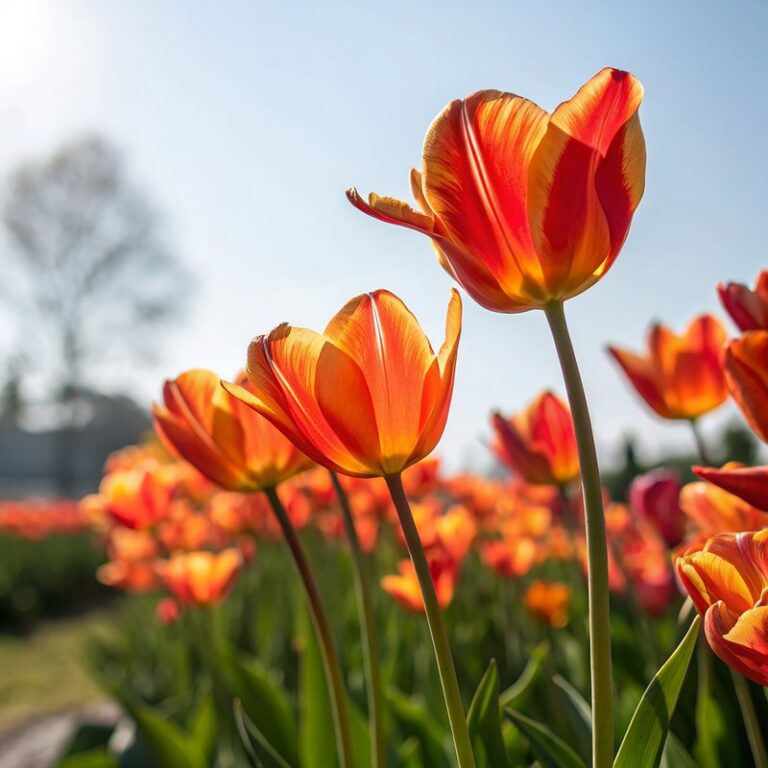
The Benefits of Naturalistic Gardening
Naturalistic gardening offers a unique set of benefits, from reduced maintenance needs to increased biodiversity. Let’s take a closer look at how these gardens can enhance your outdoor space.
Attracting Local Wildlife
Attracting local wildlife to your garden is crucial for creating a thriving ecosystem. By incorporating naturalistic gardening principles, you can provide birds, bees, butterflies, and other beneficial insects with essential resources like food, shelter, and habitat.
When it comes to feeding these creatures, consider including native plants that produce nectar-rich flowers, berries, or seeds. For example, milkweed is a vital food source for monarch butterfly caterpillars, while coneflowers attract hummingbirds and bees. Incorporating plants with varied bloom times ensures a constant supply of nutrients throughout the growing season.
Provide shelter by incorporating dense shrubs, trees, and native grasses that offer protection from harsh weather conditions and predators. Consider adding rock piles or log stacks to create hiding spots for small animals like lizards, snakes, and frogs.
To create a welcoming habitat, avoid using pesticides and herbicides, which can harm or kill beneficial insects. Instead, adopt integrated pest management techniques that promote ecological balance within your garden ecosystem. By making these simple adjustments, you’ll be well on your way to creating a thriving wildlife-friendly oasis in your naturalistic garden.
Reducing Maintenance Efforts
In contrast to traditional gardens, naturalistic gardening often requires less maintenance. One reason for this is the selection of low-maintenance plants that are native to the region and can thrive with minimal care. These plants have adapted over time to local conditions and are better equipped to handle fluctuations in temperature, rainfall, and other environmental factors.
By choosing plants that are well-suited to your climate and soil type, you’ll reduce the need for frequent watering, fertilizing, and pruning. In fact, many naturalistic gardens deliberately avoid excessive pruning or grooming, allowing plants to grow and thrive more naturally.
This approach not only saves time but also promotes a healthier ecosystem. By minimizing human intervention, you’re giving native wildlife the space they need to flourish. Consider incorporating groundcovers, shrubs, and perennials that require minimal maintenance and can tolerate some neglect. Some examples of low-maintenance plants include coneflowers, black-eyed Susans, and Russian sage.
Remember, a naturalistic garden is not about creating a perfect, manicured landscape but rather about cultivating a thriving ecosystem that requires minimal human intervention.
Enhancing Biodiversity
When it comes to enhancing biodiversity in your naturalistic garden, using native plant species is crucial. These plants have co-evolved with local wildlife and provide essential food, shelter, and breeding grounds for a wide range of species. In contrast, non-native plants can outcompete native species for resources and alter ecosystem processes.
A diverse range of habitats within the garden is also vital for promoting biodiversity. This can be achieved by incorporating different types of vegetation, such as grasslands, woodlands, and wetlands, into the design. For example, a small pond or bog area can provide habitat for amphibians and insects, while a rock pile or log pile can offer shelter for reptiles and small mammals.
To create a haven for biodiversity, consider the following:
- Incorporate native trees, shrubs, and perennials that provide berries, seeds, and nectar.
- Leave some areas of the garden unmanicured, allowing plants to grow naturally and creating habitat for beneficial insects and animals.
- Avoid using invasive species or plants with high water requirements, which can harm local ecosystems.
Designing Your Naturalistic Garden
When designing your naturalistic garden, it’s essential to consider the specific needs and preferences of your local wildlife, including plants that provide food and shelter. This will help create a thriving oasis.
Assessing Your Site Conditions
When designing your naturalistic garden, it’s essential to assess your site conditions carefully. Start by observing how sunlight falls on your property throughout the day. Consider the orientation of your garden and how it will impact plant growth and wildlife activity. Will certain areas receive intense afternoon sun or remain shaded for most of the day?
Next, evaluate the soil type and drainage in your garden. Test your soil to determine its pH level and nutrient content. This information will help you choose plants that thrive in your specific conditions. Also, note any areas with poor drainage or standing water, as these can create an unhealthy environment for both plants and wildlife.
Take stock of existing vegetation on your property, including trees, shrubs, and perennials. Consider how you can incorporate native species into your design, rather than introducing non-native plants that may outcompete them. By understanding your site’s unique characteristics, you’ll be able to create a naturalistic garden that truly reflects its surroundings and supports the local wildlife.
Choosing Native Plant Species
Native plant species are essential for creating a thriving wildlife-friendly oasis. These plants have evolved over time to adapt to local climate conditions, soil types, and pest populations, making them ideal for naturalistic gardens. By selecting native species, you’ll save yourself from the challenges of introducing non-native plants that may not thrive in your area.
Native plants provide food, shelter, and habitat for local wildlife, supporting the entire ecosystem’s balance. They attract pollinators like bees and butterflies, as well as birds and insects that rely on them for sustenance. For example, native wildflowers like coneflowers and black-eyed susans are a staple in many naturalistic gardens, providing vital resources for monarch butterflies.
When choosing native plant species, consider factors such as moisture levels, sunlight exposure, and soil pH. Native plants typically have deep root systems that allow them to access water deep within the soil, reducing the need for frequent watering. They also tend to be more resistant to pests and diseases, minimizing the risk of infestations. By selecting native plant species, you’ll create a self-sustaining ecosystem that requires minimal maintenance and upkeep.
Incorporating Water Features
Incorporating water features into your naturalistic garden can be a game-changer for both biodiversity and aesthetics. A small pond, stream, or even a shallow dish of water can provide a vital source of hydration for local wildlife, such as birds, bees, and butterflies.
The benefits extend beyond just the animals, too. Water features can create visual interest and movement in your garden, drawing the eye to different areas and creating a sense of depth. A small waterfall or babbling brook can even help to mask background noise from nearby roads or buildings.
When choosing a water feature, consider the space you have available and the type of wildlife you want to attract. For example, a pond with shallow edges is perfect for dragonflies and damselflies, while a stream with rocks and pools will provide a haven for amphibians like frogs and newts.
To get started, keep in mind that even small water features can make a big impact. A 4×2 meter pond, for instance, can support a surprising array of plant and animal life. By incorporating water into your design, you’ll be creating a thriving oasis that will attract wildlife and delight the senses.
Creating a Thriving Ecosystem
To create a thriving ecosystem, you’ll want to focus on designing spaces that mimic nature’s patterns and rhythms, allowing native plants to thrive. This involves thinking beyond individual species and considering entire ecosystems.
Layering Vegetation
Layering vegetation is essential for creating a thriving wildlife-friendly oasis in your naturalistic garden. By incorporating a diverse range of plant species at different heights and densities, you can provide a variety of habitats for local wildlife to inhabit.
Groundcovers are an excellent starting point for layering vegetation. These low-growing plants spread quickly to cover the ground, suppressing weeds and retaining moisture. Examples of effective groundcovers include creeping thyme, vinca minor, and sedum. As these plants mature, they can be gradually replaced with shrubs and trees to create a layered effect.
Shrubs offer valuable shelter and food sources for wildlife, while also providing structure and texture to the garden. Choose species that are native to your region and suitable for your climate, such as butterfly bush or lavender. Trees, including deciduous and evergreen varieties, provide a canopy for birds and insects to nest and roost.
Incorporating trees with varying growth rates can create a dynamic layering effect. For example, fast-growing saplings like willow or poplar can be planted beneath slower-growing species like oak or beech. This layered approach ensures a constant supply of resources and shelter for wildlife throughout the year.
Incorporating Deadwood and Logs
Incorporating deadwood and logs into your naturalistic garden provides a unique opportunity to create habitat for a variety of organisms. Dead branches, stumps, and trees can become homes for insects like beetles, ants, and wasps. Fungi, such as bracket fungi and polypores, thrive on dead wood, breaking it down and recycling nutrients.
When choosing deadwood, select pieces with character, including knots, twists, and splits. These features provide hiding spots and perches for small animals and insects. Consider incorporating a mix of deciduous and coniferous trees to attract different types of wildlife.
To add visual interest, arrange deadwood in a way that creates depth and texture. Group smaller logs together to create a “log jam,” while placing larger stumps or branches as focal points. Leave some areas unmanicured, allowing native plants to grow up through the logs and creating a sense of history and age.
When selecting logs, prioritize those with minimal bark damage and no signs of rot. Avoid using treated wood, which can leach chemicals into the soil. By incorporating deadwood and logs thoughtfully, you’ll create a diverse habitat that supports a wide range of organisms while adding visual interest to your garden.
Managing Weeds and Pests
In naturalistic gardens, weeds and pests can be managed using a combination of physical barriers, biological control methods, and integrated pest management. Physical barriers such as mulch, gravel, or wood chips can prevent weeds from germinating by blocking light and preventing seed dispersal.
Biological control methods involve introducing beneficial insects or microorganisms that prey on pests or break down organic matter. For example, ladybugs feed on aphids, while earthworms aerate soil and improve its fertility. However, these methods should be used in conjunction with other strategies to prevent pest populations from building up.
Integrated pest management (IPM) is a holistic approach that considers the entire ecosystem when managing pests. This involves identifying the underlying causes of pest problems, such as nutrient deficiencies or waterlogged conditions, and addressing them through changes to garden design or maintenance practices. IPM also involves using targeted control methods, such as introducing beneficial insects or applying selective pesticides, rather than resorting to broad-spectrum chemicals that can harm wildlife.
Effective weed management is crucial in naturalistic gardens, where a diverse range of plants are often grown together. Regular monitoring and hand-weeding are essential for preventing weeds from competing with native species for resources.
Maintenance and Upkeep
To keep your naturalistic garden thriving, regular maintenance is essential, from pruning overgrown plants to cleaning out ponds and water features.
Minimizing Water Usage
When designing a naturalistic garden, minimizing water usage is crucial to creating a sustainable and thriving ecosystem. One of the most effective ways to achieve this is by incorporating drought-tolerant plants into your design. These plants have evolved to survive with minimal water input and can thrive in a variety of conditions. Look for native species that are adapted to your local climate, such as succulents, sedges, or wildflowers.
In addition to selecting the right plants, efficient irrigation systems are essential for minimizing water waste. Consider using rainwater harvesting systems to collect and store rainwater for irrigation purposes. This not only reduces the demand on municipal water supplies but also provides a natural source of water for your garden. You can also install drip irrigation or soaker hoses, which deliver water directly to the roots of plants, reducing evaporation and runoff.
When implementing an efficient irrigation system, it’s essential to monitor soil moisture levels regularly. This will help you adjust watering schedules as needed, preventing overwatering and minimizing waste. By combining drought-tolerant plants with efficient irrigation systems, you can create a naturalistic garden that not only conserves water but also supports local wildlife and biodiversity.
Reducing Chemical Use
When creating a naturalistic garden, it’s essential to minimize chemical use to maintain a healthy ecosystem. One of the most significant contributors to environmental degradation is the overuse of synthetic fertilizers and pesticides. In contrast, organic methods can provide a safer alternative for maintaining plant health.
Consider using compost as a fertilizer, which not only adds nutrients to the soil but also improves its structure and fertility. Composting involves breaking down kitchen waste and yard trimmings into a rich, natural soil amendment that benefits plants without harming beneficial insects or wildlife. You can also use fish emulsion or bone meal as alternative fertilizers.
To control pests, adopt integrated pest management (IPM) strategies. This approach combines physical barriers, biological controls, and cultural practices to prevent infestations. For example, introducing beneficial insects like ladybugs or lacewings can help regulate pest populations. You can also use neem oil, a natural insecticide derived from the seeds of the neem tree.
When choosing organic fertilizers and pest control methods, look for products that are specifically labeled as “organic” or “natural.” These products have been certified by organizations such as OMRI (Organic Materials Review Institute).
Monitoring and Adapting
Monitoring and adapting are crucial components of maintaining a thriving naturalistic garden. As your garden matures, it will inevitably undergo changes due to factors like seasonal fluctuations, pest populations, and weather patterns. To ensure its continued health and biodiversity, you must remain attentive to these shifts.
Start by regularly observing your garden’s ecosystem. Note which plants are performing well, which ones are struggling, and what types of wildlife are visiting or inhabiting the space. This information will help you identify areas that require adjustments in plant selection, maintenance practices, or both. For instance, if you notice a particular species is attracting an abundance of beneficial pollinators, consider incorporating more of its kind into your garden design.
Adjustments might include introducing new plants to address nutrient deficiencies, altering watering schedules based on weather patterns, or implementing integrated pest management strategies. Consider the following steps when adapting to changes in your garden:
- Reassess your plant selection and replace non-performing species
- Revise maintenance practices to better suit changing conditions
- Introduce beneficial insects or other wildlife-friendly features as needed
By embracing a dynamic approach to gardening, you can foster an ecosystem that thrives over time.
Inspiration and Examples
Now that we’ve discussed the principles of naturalistic gardening, let’s take a look at some inspiring examples of wildlife-friendly gardens that showcase what’s possible in your own backyard.
Real-World Case Studies
In the United Kingdom, the Llangollen Canal Trust transformed a neglected canal basin into a thriving naturalistic garden. The project incorporated native plant species, such as water lilies and irises, which attract pollinators and provide shade for aquatic life. A small pond was created using reclaimed stone, allowing fish to inhabit the area.
In Australia’s Byron Bay region, a local resident transformed her backyard into an exemplary naturalistic garden. She used rocks and logs to create a meandering path, while native plants like banksia and eucalyptus trees provide food and shelter for local wildlife. A small rainwater tank supplies water for the plants, reducing the need for municipal water.
Another notable example is the Oudolf Garden in New York’s Coney Island Botanical Garden. Designed by Piet Oudolf, this naturalistic garden features a diverse array of native grasses and wildflowers that attract a variety of pollinators and birds. The garden also incorporates reclaimed wood and stone to create meandering paths, mimicking the natural landscape.
The success of these gardens lies in their incorporation of native species, water sources, and minimal maintenance requirements, allowing them to thrive with minimal human intervention.
Designing for Specific Regions
When designing a naturalistic garden, it’s essential to consider the specific region and climate you’re working with. This will not only ensure that your garden thrives but also provides the best possible habitat for local wildlife. For example, in arid regions like the Southwest, drought-tolerant plants such as succulents and cacti are ideal choices. These plants store water in their leaves or stems, reducing the need for frequent watering.
In contrast, areas with mild winters and cool summers, like the Pacific Northwest, can support a wider variety of plant species. Consider incorporating native shrubs like Oregon grape (Mahonia aquifolium) or salmonberry (Rubus spectabilis), which provide berries for wildlife and attractive foliage year-round. When designing your garden in these regions, be sure to incorporate layers of vegetation to create a diverse ecosystem.
In coastal areas, consider the impact of salt spray on plants and use species that are tolerant of high salt levels. For instance, beach sunflower (Helianthus debilis) or seablite (Salsola kali) can thrive in these conditions. By adapting your naturalistic garden design to suit your region’s unique characteristics, you’ll create a thriving oasis that benefits both wildlife and the environment.
Conclusion
As you’ve now planted and nurtured a thriving wildlife-friendly oasis, it’s time to reflect on what makes your naturalistic garden truly special. Let’s summarize key takeaways from this journey together.
Recap of Key Points
When creating a thriving wildlife-friendly oasis through naturalistic gardening, it’s essential to recall the key takeaways from our journey together. By embracing naturalistic gardening principles, you can attract local wildlife by incorporating native plant species and providing a source of water. This approach also reduces maintenance efforts, as plants are more resilient and require less care.
A well-designed naturalistic garden is layered with vegetation, including trees, shrubs, perennials, and groundcovers, which provides habitat for various species. Incorporating deadwood and logs adds structure and supports beneficial insects and microorganisms. Effective management of weeds and pests involves implementing strategies like mulching and companion planting.
When it comes to maintenance and upkeep, minimizing water usage is crucial through the use of drought-tolerant plants and efficient irrigation systems. Reducing chemical use also means adopting integrated pest management techniques and monitoring your garden’s ecosystem.
Real-world case studies demonstrate that naturalistic gardening can be tailored to specific regions and climates, making it accessible to gardeners worldwide. By embracing these principles and adapting them to your unique situation, you can create a thriving wildlife-friendly oasis in your own backyard.
Encouragement to Get Started
Starting your own naturalistic garden journey can be both intimidating and exhilarating. You’ve learned about the benefits of attracting local wildlife, reducing maintenance efforts, and enhancing biodiversity – now it’s time to bring these principles to life. Don’t worry if you’re not sure where to begin; every great garden starts with a single step.
To help you get started, consider visiting online resources like the National Wildlife Federation or the Audubon Society for tips on designing wildlife-friendly gardens. You can also explore local nurseries and gardening clubs for advice from experienced naturalistic gardeners in your region. These communities are a wealth of knowledge and can provide valuable insights into what works best for your specific climate and soil type.
As you embark on this journey, remember that naturalistic gardening is all about embracing imperfection and allowing nature to take its course. It’s okay to make mistakes – they’re an essential part of the learning process! Begin by identifying areas in your yard where you can create a more naturalistic landscape, even if it’s just a small corner or a single feature like a bird-friendly water source.
Frequently Asked Questions
Can I start small and create a naturalistic garden in a tiny space?
Yes, it’s entirely possible to create a thriving naturalistic garden even in a small space, such as a balcony or patio. Focus on using compact native plant species and incorporating vertical elements like trellises or wall-mounted planters.
How do I know which plants are suitable for my local climate and conditions?
Choose plants that are native to your region and have similar growing requirements to the existing vegetation in your garden. Check with local nurseries, gardening clubs, or online resources for recommendations on species that will thrive in your specific climate and soil type.
What if I have a lot of shade in my yard – can I still create a naturalistic garden?
Yes, you can definitely create a naturalistic garden even with a lot of shade. Focus on using plants that tolerate shade, such as ferns, astilbe, or hostas. Also, consider incorporating water features like a pond or stream to enhance the biodiversity and aesthetic appeal of your garden.
How do I deal with weeds in my naturalistic garden?
Weeds can be a challenge in any garden, but in a naturalistic setting, it’s essential to minimize their impact on the ecosystem. Use physical barriers like mulch or landscaping fabric to suppress weeds, and consider using biological control methods like introducing beneficial insects that prey on weed seeds.
Can I incorporate existing features from my old garden into my new naturalistic design?
While it’s great to repurpose materials from your old garden, it’s essential to assess whether those elements will fit with the naturalistic aesthetic and functionality you’re aiming for. Consider how the existing features can be integrated or reused in a way that enhances the overall biodiversity and visual appeal of your garden.

