Choosing a few high-quality pieces over a large collection can make all the difference in how you feel about your clothes. Decision fatigue from an overcrowded closet is real, and it’s not just about aesthetics – it has a significant impact on our mental energy. A minimalist wardrobe, however, offers a refreshing escape from this problem by simplifying your daily routine and reducing stress.
This isn’t about sacrificing style for minimalism; rather, it’s about curating a thoughtful selection of pieces that fit well and are worn frequently. By streamlining your wardrobe to the essentials, you’ll not only save time but also contribute less waste to landfills. This article will guide you through essential items to include in your minimalist wardrobe, as well as provide tips for tailoring it to your personal taste and needs – allowing you to adopt a more intentional approach to fashion that benefits both you and the environment.
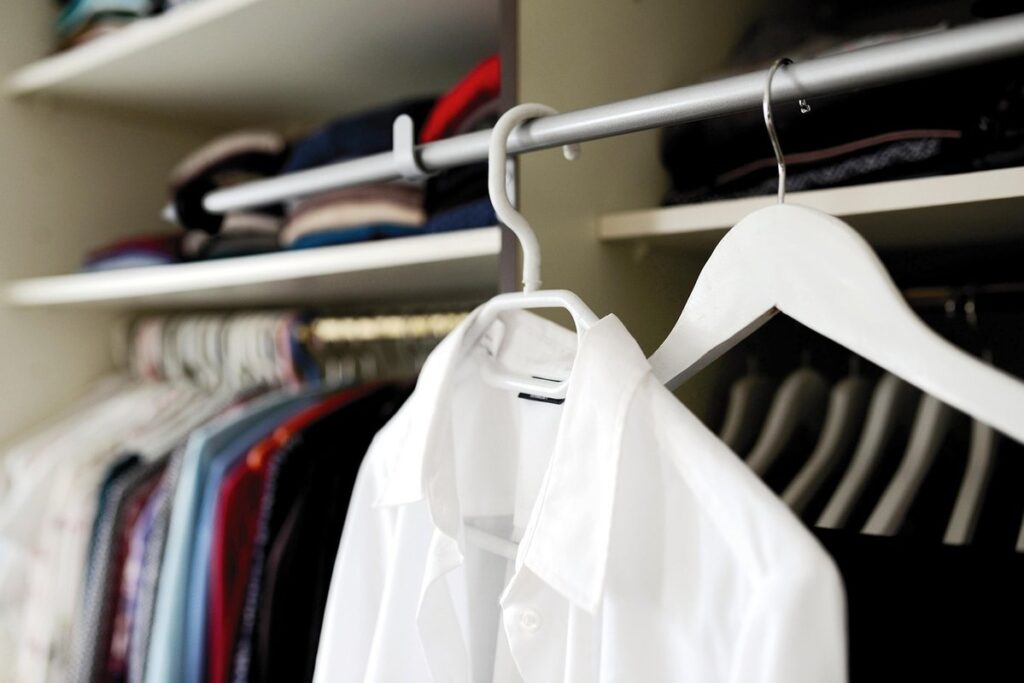
Defining a Minimalist Wardrobe
Defining a minimalist wardrobe means stripping back your clothing choices and only keeping pieces that truly reflect your personal style. Let’s break down what it means to have a curated wardrobe that works for you.
Understanding the Concept of Minimalism in Fashion
In the context of fashion, minimalism is about stripping back excess and focusing on a curated selection of essential items. This approach prioritizes quality over quantity, valuing timeless pieces that can be mixed and matched to create multiple outfits. By embracing minimalism, you’re not only reducing your wardrobe’s environmental impact but also saving time and money in the long run.
One of the key benefits of minimalist fashion is its ability to simplify decision-making. With a smaller wardrobe, you’ll no longer feel overwhelmed by choice or burdened by the pressure to keep up with trends. Instead, you’ll develop a keen sense of personal style, knowing exactly which pieces work best for your body and lifestyle.
While the concept of capsule wardrobes shares some similarities with minimalism, it’s worth noting that they’re not one and the same. A capsule wardrobe typically involves committing to a fixed number of items for a specific period, whereas minimalist fashion is more of an ongoing approach to dressing. By adopting a minimalist mindset, you’ll be able to make intentional purchasing decisions and avoid impulse buys, ultimately resulting in a more streamlined and cohesive personal style.
The Pros of Adopting a Minimalist Wardrobe
Having a minimalist wardrobe comes with several advantages. For one, it reduces decision fatigue – the mental exhaustion caused by too many choices. When you have fewer clothes to choose from, you can get dressed faster and spend less time deliberating over what to wear.
In addition to saving time, a minimalist wardrobe is also more efficient. Without the burden of a large collection, you’ll be less likely to waste money on impulse purchases or forget about items that no longer fit or suit your style. This means you’ll be able to invest in higher-quality pieces that will last longer and serve you better.
A smaller wardrobe also has environmental benefits. The fashion industry is one of the largest polluters globally, with fast fashion contributing significantly to this problem. By owning fewer clothes, you’re reducing your contribution to this issue. You can further minimize waste by adopting a capsule wardrobe strategy, where you curate a set number of essential items that can be mixed and matched throughout the year.
Building Your Minimalist Wardrobe
Now that you’ve got a solid foundation, let’s talk about building out your minimalist wardrobe by selecting the absolute essentials and creating a cohesive capsule collection. This process starts with identifying your personal style.
Identifying Essential Items for Men
A well-stocked minimalist wardrobe for men should begin with a solid foundation of essential items. These basics include a few high-quality dress shirts in neutral colors like white, light blue, and gray. A good rule of thumb is to have at least three of these versatile shirts that can be mixed and matched with other pieces.
Next, consider investing in a pair or two of dark-washed jeans that can be dressed up or down. These will serve as a solid foundation for casual wear. For dressier occasions, look for a navy or charcoal gray blazer to layer over a dress shirt and pants. A simple leather belt and a quality watch are also essential accessories.
In terms of pants, prioritize a pair of well-fitting dark-washed trousers that can be worn with the aforementioned dress shirts and blazers. Avoid trendy or patterned items, as these will quickly go out of style. For footwear, opt for a pair of classic loafers or dress shoes in a neutral color that can be easily paired with other pieces in your wardrobe.
Essential Pieces for Women’s Minimalist Wardrobes
A versatile top can be a simple white or black tank, a lightweight knit sweater, or a tailored button-down shirt. These tops are often inexpensive and can be mixed-and-matched with other pieces in your wardrobe to create multiple outfits. For bottoms, consider investing in a pair of well-fitting jeans, leggings, or tailored trousers that can be dressed up or down.
Statement pieces can include a statement handbag, a bold coat, or a fun hat. While these items may not be worn daily, they add visual interest and personality to your outfit when paired with more basic pieces. When building your minimalist wardrobe, it’s essential to prioritize high-quality, timeless pieces over trendy ones that will quickly go out of style.
When selecting tops and bottoms, look for neutral colors that can be easily mixed-and-matched with other items in your wardrobe. A small collection of quality basics will serve as the foundation for creating a variety of outfits. For example, a simple white tank top can be dressed up or down depending on what you pair it with – try pairing it with distressed denim jeans and sneakers for a casual look, or with tailored trousers and heels for a more polished appearance.
Tips for Curating a Perfect Minimalist Wardrobe
As you start building your minimalist wardrobe, one of the most crucial steps is learning how to curate a collection that truly reflects your personal style and needs. This means letting go of what doesn’t serve you.
Editing Your Current Wardrobe
Start by taking everything out of your closet and laying it out on a bed or floor. This will give you a clear view of what you have and make it easier to identify patterns and areas where you can edit. Go through each item, asking yourself if you’ve worn it in the past year. If not, consider letting it go – the fewer items you own, the less likely you are to waste money on something that will sit unused.
Be ruthless about getting rid of clothes that no longer fit or are worn out. This is a great opportunity to donate or recycle items and free up space for things that bring you joy. Identify gaps in your wardrobe by thinking about what’s missing – do you have a lack of dresses, or a deficiency in trousers? Make a note of these areas so you can plan future purchases.
When reviewing your shoes, consider the occasion each pair is best suited for. For example, high heels are generally only necessary for formal events, while sneakers and loafers can be dressed up or down. Be honest with yourself about which items you truly need, and don’t feel pressured to keep something just because it was expensive or hard to get.
Understanding Color Palettes and Neutrals in Minimalism
When building a minimalist wardrobe, color palettes and neutrals play a crucial role in creating a cohesive look. Neutrals provide a foundation for mixing and matching pieces, allowing you to create multiple outfits with ease. Consider the 80/20 rule: 80% of your wardrobe should be neutral, while 20% can be statement pieces that add personality.
A well-curated color palette ensures that your clothing items work together seamlessly. Start by identifying a core set of colors – typically two to three hues – and build your wardrobe around them. Stick to shades that complement each other and avoid clashing colors. For example, pairing navy blue with olive green creates a harmonious contrast, while combining red and turquoise can be overwhelming.
Incorporate neutrals like beige, white, or gray as the base of your outfits, then add pops of color through accessories or statement pieces. This approach allows for versatility without visual overload. When selecting colors, think about their undertones: cool-toned neutrals like navy blue pair well with warm tones like olive green, while cool-toned colors like turquoise work better with neutral beige. By mastering this balance, you’ll create a cohesive minimalist wardrobe that simplifies your style.
Accessorizing Your Minimalist Wardrobe
Now that you have a streamlined wardrobe, let’s focus on adding some finishing touches – learning how to accessorize without compromising your minimalist aesthetic. We’ll explore simple yet stylish ways to elevate your outfits.
The Role of Accessories in Adding Personality
Accessories can make or break an outfit, and in a minimalist wardrobe, they play a crucial role in adding personality without overwhelming the overall look. A simple scarf can instantly elevate a plain white shirt, while a statement piece of jewelry can add visual interest to a solid-colored dress.
When it comes to accessorizing, focus on one or two statement pieces that complement your outfit rather than over-accessorizing with multiple items. For instance, pair a bold cocktail ring with a minimalist dress or a simple necklace with a patterned top. This balance is key to maintaining the principles of minimalism while still expressing your personal style.
Consider investing in a few high-quality accessories that can be mixed and matched with your existing wardrobe staples. A classic watch, a quality handbag, or a pair of elegant earrings can instantly elevate your look without taking up too much space in your closet. Remember, accessorizing is not just about adding more items to your outfit; it’s about curating a few thoughtful pieces that reflect your personality and style.
Essential Accessories Every Minimalist Should Own
A minimalist wardrobe is not just about the clothes you wear, but also about the accessories that complement them. While it’s tempting to accumulate a large collection of accessories, remember that each one should serve a purpose and add value to your outfit. For a minimalist, essential accessories include high-quality watches, simple hats, and well-designed belts. These items not only elevate your look but also stand the test of time.
When choosing a watch, opt for a clean design with a leather or metal strap. A simple hat can be worn on multiple occasions and adds a touch of sophistication to any outfit. Invest in a high-quality belt that matches your shoes or is neutral enough to pair with anything. Bags are another essential accessory, but avoid overpacking. A small cross-body bag or a sleek backpack can make a big impact without overwhelming your look.
In terms of quality over quantity, consider investing in timeless pieces that won’t go out of style quickly. Look for brands that prioritize clean design and sustainable materials. By incorporating these essentials into your wardrobe, you’ll be able to create polished, put-together looks with ease.
Overcoming Challenges and Common Misconceptions
We all face obstacles when trying a new approach, especially one as radical as simplifying your wardrobe. Let’s tackle some common misconceptions and challenges that might be holding you back from achieving your minimalist style goals.
Addressing Common Concerns About Minimalism in Fashion
One of the most common concerns about minimalist fashion is that it’s boring or restrictive. However, the opposite is often true – a well-curated minimalist wardrobe can be incredibly freeing and stylish. This myth likely stems from the idea that minimalism means getting rid of all patterns, textures, and colors in favor of a sea of neutral tones.
In reality, simplicity doesn’t mean a lack of personality or creativity. A minimalist wardrobe can incorporate subtle pops of color, thoughtful textures, and classic silhouettes to create visually interesting outfits. For example, pair a simple white shirt with a bold patterned scarf or statement earrings for a touch of personality.
Another misconception is that minimalism restricts your ability to express yourself through fashion. On the contrary, embracing a minimalist approach can help you focus on what truly makes you feel confident and stylish. By paring down your wardrobe to only the essentials, you’ll be forced to think more critically about each piece and how it contributes to your overall aesthetic – ultimately leading to more intentional and authentic style choices.
Practical Strategies for Staying on Track with Your Minimalist Wardrobe Goals
Developing a minimalist wardrobe requires discipline and commitment, but it’s not uncommon for individuals to falter when faced with temptations or setbacks. One strategy for staying on track is to establish a “one in, one out” policy, where an old item is discarded or donated whenever a new one is added. This approach helps maintain a balanced wardrobe and prevents clutter from accumulating.
Another practical strategy is to implement a monthly review of your closet contents. Set aside time to go through each item, asking yourself if it’s still worn regularly or holds sentimental value. Be honest with yourself – if an item hasn’t been touched in the past season, consider letting it go.
It’s also essential to cultivate self-awareness around shopping habits and triggers. Identify what drives you to make impulse purchases, whether it’s boredom, stress, or social pressure, and develop strategies to address these underlying issues. For instance, you might replace impulsive shopping with a hobby or creative outlet that brings you joy without breaking the bank.
By implementing these strategies, you can maintain momentum and stay committed to your minimalist wardrobe goals, even when faced with challenges or temptations.
Frequently Asked Questions
Can I still have a personal style with a minimalist wardrobe?
Yes, a minimalist wardrobe doesn’t mean sacrificing your individuality. By focusing on quality over quantity and investing in timeless pieces that fit well, you can create outfits that reflect your personality without overwhelming your closet. For example, pairing simple basics like a white shirt or jeans with unique accessories like a statement watch or scarf can add personality to an outfit.
How do I know when it’s time to replace an essential item?
When an essential item no longer fits well, is worn out, or has lost its shape, it’s likely time to replace it. You can also consider replacing items that have become outdated or are no longer aligned with your personal style. To make the process easier, try creating a rotation system where you set aside old items for repair or repurpose them into new pieces.
Can I apply minimalist principles to my work wardrobe as well?
Yes, minimalism is not just limited to casual wear. You can also apply these principles to your work wardrobe by focusing on high-quality, versatile pieces that fit well and can be mixed-and-matched with other items in your closet. This will help you create a more efficient and streamlined work wardrobe that saves time and reduces decision fatigue.
What if I don’t have the budget to invest in a new minimalist wardrobe?
Investing in a minimalist wardrobe doesn’t mean spending a lot of money all at once. You can start by editing your current wardrobe, letting go of items that no longer fit or suit your style. Then, focus on replacing essential items as needed and look for second-hand options or sales to find quality pieces at affordable prices.
How do I maintain my minimalist wardrobe over time?
To maintain a minimalist wardrobe, try implementing a regular rotation system where you swap out old items with new ones. You can also schedule regular closet clean-outs to keep your space organized and clutter-free. By being mindful of your consumption habits and regularly assessing your needs, you’ll be able to maintain a streamlined and functional wardrobe that serves your lifestyle.