The typical men’s wardrobe is cluttered with unnecessary items, taking up valuable space and draining our wallets. This excess can lead to decision fatigue when getting dressed each morning and contribute to fashion waste. However, a minimalist approach offers a refreshing alternative. By focusing on essential items that are versatile and sustainable, you can simplify your style while reducing your environmental footprint. A well-curated minimalist wardrobe should include high-quality pieces that are timeless rather than trendy, made from eco-friendly materials whenever possible. This article will show you how to create such a wardrobe, covering the key essentials to invest in, tips for mixing-and-matching these items to create multiple outfits, and sustainable fashion practices to adopt. By the end of this guide, you’ll be able to build a streamlined wardrobe that’s both stylish and environmentally responsible.
Understanding the Benefits of Minimalism
Embracing a minimalist wardrobe can bring numerous benefits, from reducing stress to saving time and money. Let’s explore how simplicity can transform your daily routine.
Why Minimalism is Essential for Men’s Fashion
Embracing minimalism can have a profound impact on one’s life, extending far beyond the realm of fashion. By paring down belongings and simplifying daily routines, individuals can experience mental clarity, reduced decision fatigue, and increased productivity. When it comes to men’s fashion, adopting a minimalist approach allows for a more streamlined wardrobe and reduces the time spent deciding what to wear each day. This is particularly beneficial in today’s fast-paced environment where every minute counts.
A cluttered closet can be overwhelming, making it difficult to find what you need quickly. In contrast, a minimalist wardrobe encourages a curated selection of essential pieces that can be mixed and matched with ease. By focusing on timeless, high-quality items rather than trendy pieces, men can break free from the cycle of constant consumption and avoid the mental exhaustion that comes with frequent purchases.
As you begin to simplify your wardrobe, consider implementing a “one in, one out” policy, where you remove or donate an old item each time you acquire a new one. This will help maintain a balanced and sustainable approach to fashion.
Overcoming Obstacles to Adopting a Minimalist Wardrobe
Many men struggle with adopting a minimalist wardrobe due to pressure from social media. Platforms like Instagram showcase perfectly curated outfits, often featuring the latest designer trends and luxury brands. This can create unrealistic expectations about what is necessary for a stylish and put-together look. To resist this pressure, try limiting your Instagram feed to only the accounts that genuinely inspire you, or taking regular breaks from the platform.
Additionally, many men feel compelled to buy new clothes because they believe it’s essential for building a cohesive wardrobe. However, this mindset can lead to an endless cycle of consumption and clutter. Instead, focus on investing in timeless, high-quality pieces that fit well. Consider adopting the “one in, one out” rule, where you get rid of an old item every time you bring something new into your closet.
By recognizing and resisting these common obstacles, you can break free from the cycle of excessive consumption and start building a minimalist wardrobe that aligns with your values and personal style.
Building the Foundation: Essential Items for a Minimalist Wardrobe
Let’s start building your minimalist wardrobe from scratch by identifying the essential items that will serve as the foundation of your capsule collection. This includes versatile pieces that can be mixed and matched easily.
The Basics: T-Shirts and Undergarments
High-quality T-shirts and undergarments are often the foundation upon which a minimalist wardrobe is built. These items are staples because they can be mixed and matched with ease to create multiple outfits, making them an efficient choice for those who value simplicity. A good rule of thumb is to own only 3-5 high-quality T-shirts that fit well and can be dressed up or down.
When it comes to undergarments, a minimalist approach means having a basic collection of essentials rather than a large variety of specialized items. This typically includes one or two pairs of boxer shorts, one pair of briefs, and a few tank tops for warmer weather. Look for high-quality materials that will last, such as cotton or merino wool.
In terms of quality, it’s worth investing in a smaller number of well-made items rather than a large quantity of cheap ones. This approach not only saves money in the long run but also reduces waste and supports sustainable fashion practices. When shopping for essential items like T-shirts and undergarments, focus on timeless designs that won’t go out of style quickly.
Jeans and Chinos: The Perfect Pairing
Well-fitting jeans or chinos are a fundamental building block of a modern man’s wardrobe. They’re versatile, timeless, and can be dressed up or down to suit various occasions. A good pair will see you through countless outfits and is essential for creating a cohesive look.
When it comes to choosing between the two, consider your lifestyle and preferences. If you work outdoors or enjoy activities that involve rough terrain, chinos are often a better option due to their durability and ease of maintenance. Jeans, on the other hand, offer superior comfort and flexibility, making them ideal for everyday wear.
A well-fitting pair is crucial – ill-fitting pants can detract from an otherwise stylish outfit. Invest in a few high-quality pairs that fit you perfectly, rather than buying cheap alternatives that may need to be replaced frequently. This approach promotes sustainability and minimizes waste in your wardrobe. Look for classic styles that won’t go out of fashion quickly and avoid excessive branding or flashy details that can date a pair.
Expanding Your Wardrobe with Versatile Pieces
To build a cohesive and stylish wardrobe, you’ll want to focus on adding versatile pieces that can be mixed and matched across different outfits. This will help you create a sense of depth without overwhelming your minimalist space.
Blazers and Jackets: Adding Depth to Outfits
Incorporating statement pieces like blazers and jackets into a minimalist wardrobe can be a challenge. However, with thoughtful layering techniques, these items can add depth to outfits without overwhelming the overall aesthetic. Start by selecting one or two high-quality, timeless pieces that fit well. These will serve as the foundation for your layered looks.
When layering a jacket over a dress shirt and trousers, keep in mind that the outerwear should be a secondary focus. Balance the bulk of the coat with slimmer pants or a fitted dress shirt. For example, pair a navy blazer with a simple white tee and dark jeans for a versatile, effortless look.
Another approach is to use jackets as a standalone piece, creating a cohesive outfit around it. Try pairing a statement jacket with a crisp white shirt and trousers in a neutral color like beige or gray. This creates a clean, minimalist silhouette while still making the most of your outerwear investment. By incorporating blazers and jackets thoughtfully into your wardrobe, you can add visual interest to outfits without compromising on simplicity or sustainability.
Dress Shoes and Boots: Elevating Everyday Style
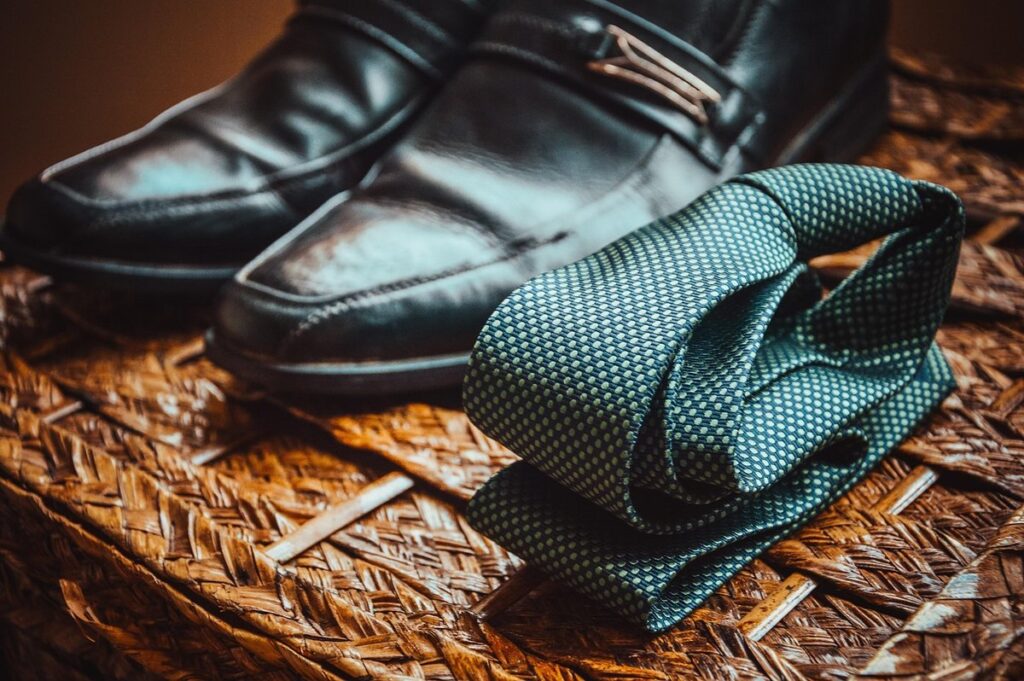
Investing in quality dress shoes or boots is one of the most effective ways to instantly elevate a man’s style without cluttering his wardrobe. Unlike fast-fashion accessories, these timeless pieces can be worn repeatedly and paired with multiple outfits, making them a valuable addition to a minimalist wardrobe.
When choosing dress shoes or boots, consider investing in a classic black pair that can be dressed up or down. A simple yet sleek design will complement most outfits without drawing attention away from the rest of your look. This versatility is key to a minimalist wardrobe, as it eliminates the need for excessive purchases and reduces decision fatigue.
For example, a well-made leather oxford shoe can be paired with a suit and tie for formal events or dressed down with jeans and a t-shirt for a more casual look. Similarly, a pair of rugged boots can add an effortless touch to a button-down shirt and trousers or dress up a weekend outfit with a blazer.
By incorporating one or two high-quality dress shoes or boots into your wardrobe, you’ll be able to create multiple outfits without sacrificing style or sustainability.
Mixing and Matching for Endless Combinations
Now that you’ve curated a solid foundation of essential pieces, it’s time to think creatively about combining them to create an infinite number of outfits. This section will show you how.
Layering Strategies for Men
For men, layering is about balance. It’s not just about throwing on a jacket over a t-shirt, but rather considering how each piece interacts with and enhances the others. A simple rule of thumb is to limit yourself to three layers: a base layer (t-shirt or tank top), an insulating layer (fleece or sweater), and a outer layer (coat or blazer). This allows for easy mixing and matching without overwhelming the senses.
A classic combination is pairing a white or light-colored t-shirt with dark-washed jeans. Add a navy blue blazer to elevate this look, or swap it out for a leather jacket on a colder day. When choosing your outer layer, consider the occasion: a coat is perfect for inclement weather, while a blazer adds a touch of sophistication.
Accessories can also play a significant role in layering. A simple watch and minimalist necklace can add visual interest without overpowering the outfit. Keep hairstyles and grooming to a minimum as well – a clean-shaven face or neatly trimmed beard is often the most versatile option for layering. By focusing on these building blocks, you can create an array of outfits from your existing pieces while maintaining a streamlined look.
The Power of Accessories: Scarves, Hats, and Bags
Accessories can make or break an outfit, but they don’t have to compromise a minimalist aesthetic. In fact, thoughtfully chosen accessories can add personality and depth without overwhelming the senses. A simple scarf in a subtle pattern or texture can instantly elevate a basic tee and jeans combo.
When it comes to adding hats to your wardrobe, opt for classic styles like fedoras or panama hats that won’t compete with other statement pieces. Avoid novelty items or anything too flashy. For bags, choose minimalist designs that don’t scream “look at me.” A simple canvas tote or a sleek leather backpack can add a touch of sophistication without overwhelming the outfit.
Key to incorporating accessories into your minimalist wardrobe is balance. Remember, less is often more. Pair one statement piece with simpler items to avoid visual overload. For instance, pair a bold patterned scarf with a plain white shirt and neutral pants. By doing so, you create a cohesive look that’s both stylish and understated, perfect for the minimalist man who wants to make a quiet yet lasting impression.
Caring for Your Clothes and Extending Their Lifespan
To truly create a minimalist men’s wardrobe, it’s essential to learn how to care for your clothes and extend their lifespan, rather than constantly replacing old favorites. Proper maintenance can breathe new life into tired pieces.
Washing and Maintenance Techniques
Washing clothes properly is often overlooked but plays a significant role in extending their lifespan. When washing, avoid using fabric softeners and bleach, as they can damage fabrics and strip them of their natural moisture-wicking properties. Instead, opt for gentle detergents specifically designed for the type of fabric you’re washing.
When it comes to drying clothes, remove them from the dryer while still slightly damp. Hang them up immediately to prevent wrinkles and creases. This also helps maintain the original texture of your clothes.
For wool and silk items, consider hand-washing in cold water or using a specialized washing machine. Use a delicate cycle with minimal agitation to avoid felting or snagging. Always lay these items flat to dry, reshaping them as needed to prevent creasing.
Regular ironing can also contribute to fabric wear and tear. If possible, use steam instead of direct heat for a more gentle pressing. Remember that prevention is key: consider pre-treating stubborn stains before washing and avoiding over-drying clothes to minimize wrinkles and extend their lifespan.
Mending and Repurposing: The Art of Repairing Clothing
Mending and repurposing old clothes is an essential skill for any minimalist fashion enthusiast. When you choose to mend or repurpose a garment, you’re not just extending its lifespan – you’re also reducing waste and the environmental impact of fast fashion. The average American generates 82 pounds of textile waste per year, with most of it ending up in landfills.
To start mending, begin by assessing what’s damaged or worn out. Is it a torn seam, loose thread, or faded color? Once you’ve identified the issue, gather your tools: needle, thread, scissors, and perhaps some basic sewing skills. For more complex repairs, consider taking a beginner’s sewing class to build confidence. Repurposing involves reimagining an old garment into something new – think upcycling a worn-out t-shirt into a reusable bag or turning a faded button-down into a patchwork quilt.
The key is to see value in the existing fabric and design. Focus on preserving what still works, rather than discarding it entirely. This approach will not only save you money but also help you cultivate a more mindful relationship with your clothing, reducing impulse purchases and promoting sustainable consumption.
Creating a System for Sustainable Fashion Consumption
Building on the principles of minimalism, we’ll explore how to create a sustainable wardrobe by establishing habits and routines that promote mindful fashion consumption. This system is all about making conscious choices.
Setting Boundaries with Yourself and Brands
To maintain a minimalist men’s wardrobe, it’s essential to set boundaries with yourself and brands. This means being intentional about what you bring into your life, whether it’s a new piece of clothing or a subscription service. One strategy is to establish a “no-buy” period after major purchases or during times of stress.
When shopping, focus on high-quality, timeless pieces that align with your personal style. Avoid impulse buys and temptation by not engaging with brands directly – no social media likes, no email subscriptions, no push notifications. If you’re drawn to a particular brand’s aesthetic, consider the following: can I replicate their look with what I already own? Am I truly excited about this purchase, or am I just trying to fit in?
Another boundary to set is around consumption triggers – what situations or emotions lead you to buy impulsively? Identify these triggers and develop strategies to cope with them. For example, if you tend to overspend during holiday sales, plan ahead by setting a budget for gifts and avoiding tempting websites during this time.
Mindful Shopping: How to Make Informed Purchases
Research is key when making informed purchasing decisions for your minimalist wardrobe. Start by looking into the brands you’re interested in and their production processes. Check if they use sustainable materials, have transparent supply chains, and adhere to fair labor practices. You can also read reviews from other customers or follow bloggers who share similar values.
Consider the environmental impact of your purchase as well. Think about the lifespan of the item, how often you’ll wear it, and whether it’s something that will be passed down or donated in the future. Ask yourself if you really need another shirt or pair of pants, or if there’s already a similar item in your wardrobe.
When shopping online, use tools like Good On You or Style Check to get an idea of a brand’s sustainability score. If you’re buying second-hand, look for items from reputable consignment stores or platforms that prioritize authenticity and fair pricing. Ultimately, make purchases that align with your values and contribute positively to your minimalist wardrobe.
Frequently Asked Questions
How Long Does It Take to See Results from a Minimalist Wardrobe?
It can take anywhere from a few weeks to a few months to notice the benefits of a minimalist wardrobe. As you focus on what’s essential and eliminate decision fatigue, you’ll start to feel more confident in your everyday style.
What If I Have a Large Collection of Clothes and Don’t Know Where to Start with Downsizing?
Start by categorizing your clothes into three piles: keep, donate/sell, and discard. Be ruthless – if it doesn’t bring you joy or serve a practical purpose, consider letting it go. You can also try the “one in, one out” rule to maintain a balanced wardrobe.
How Can I Balance Style with Sustainability When Shopping for New Clothes?
When shopping, prioritize quality over quantity and look for brands that prioritize sustainability. Research their practices, such as using eco-friendly materials or implementing recycling programs. Consider investing in second-hand or renting clothes for special occasions to reduce waste.
What’s the Best Way to Care for My Clothes So They Last Longer?
To extend the lifespan of your clothes, wash them inside out and in cold water whenever possible. Avoid over-drying – hang them up instead to prevent wrinkles and fading. Regularly inspect your clothes for stains or wear and repair them promptly to prevent further damage.
Can I Apply Minimalist Principles to My Accessories as Well?
Yes! Focus on timeless pieces that complement your wardrobe, such as a simple watch or quality wallet. Avoid trendy accessories that may quickly go out of style. Use your accessories to add personality to outfits without compromising the minimalist aesthetic.