
As you work from home, do you often find yourself struggling to focus amidst cluttered paperwork, scattered notes, and outdated electronics? A messy workspace can not only hinder productivity but also negatively impact mental health and overall well-being. That’s why creating a minimalist home office is essential for anyone who spends most of their time at home working. By stripping away unnecessary items and streamlining your workflow, you’ll be able to concentrate on what truly matters – your work. This article will explore expert tips on designing an efficient workspace that sparks creativity while minimizing distractions. We’ll cover strategies for organization, digital management, and maintaining a clutter-free environment that supports both physical and mental well-being. By the end of this guide, you’ll learn how to set up a minimalist home office that boosts your productivity, reduces stress, and enhances your overall quality of life.
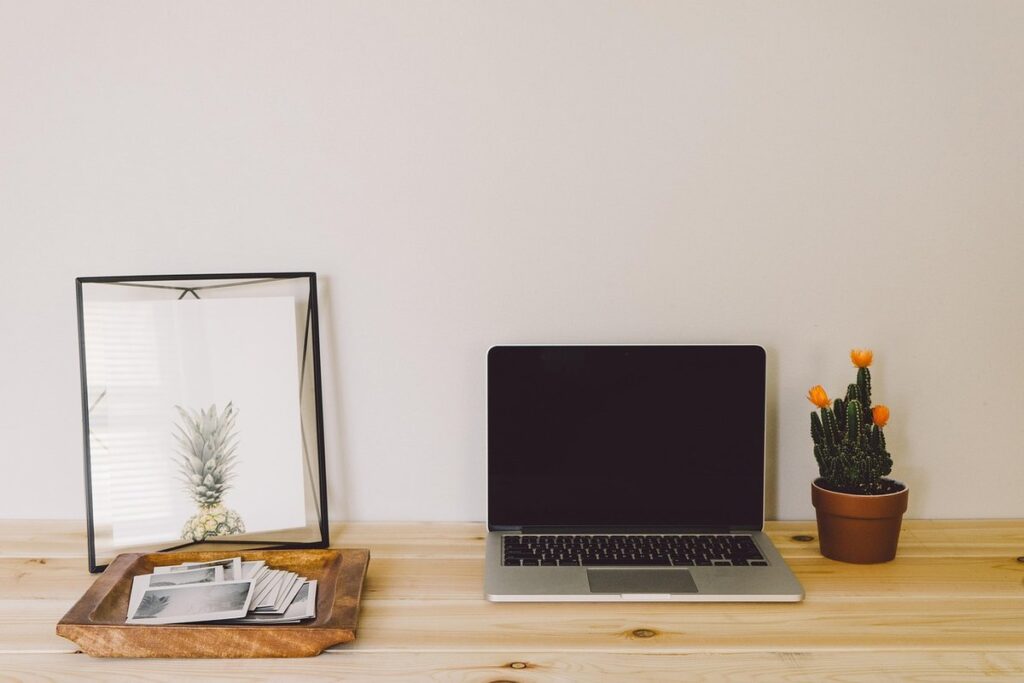
Benefits of a Minimalist Home Office
A minimalist home office offers numerous advantages, including increased productivity and reduced stress caused by clutter. Let’s look at some key benefits you can enjoy with a well-designed minimalist workspace.
Reducing Distractions and Increasing Productivity
Clutter and distractions can be significant productivity killers. When surrounded by mess and noise, it’s challenging to stay focused on tasks at hand. A cluttered workspace can lead to mental fatigue, decreased motivation, and a higher likelihood of burnout.
Common office distractions include background noise from traffic or chatty coworkers, social media notifications, and the temptation to check email constantly. To minimize these distractions, try implementing a “no meeting day” once a week, designating specific times for checking email and social media, and using website blockers like Freedom or SelfControl.
A minimalist approach can help employees stay focused by reducing visual stimulation and minimizing clutter. This allows the mind to concentrate on the task at hand without being sidetracked by unnecessary stimuli. For example, consider removing any decorative items from your workspace, keeping only essential papers and documents within easy reach, and using a desk with built-in storage to keep frequently used items organized.
By implementing these strategies, you can create an environment that supports productivity and helps you stay focused on your goals.
Decluttering for Better Mental Health
A cluttered workspace can be a breeding ground for stress, anxiety, and feelings of overwhelm. When surrounded by disorganized papers, broken equipment, and unnecessary items, it’s easy to feel like you’re drowning in a sea of chaos. In contrast, a tidy environment has been shown to have a profound impact on mental health.
Studies have found that individuals who work in organized spaces experience reduced stress levels and improved mood. This is likely due to the sense of control and clarity that comes with having a well-ordered workspace. When your physical environment is calm and uncluttered, you’re more likely to feel calm and focused.
To reap these benefits, start by tackling small areas at a time. Begin with your desk or a single shelf, and sort items into three categories: keep, donate/sell, and discard. Be ruthless – if you haven’t used something in the past six months, it’s probably safe to let it go. Regularly scheduled decluttering sessions can also help maintain a sense of calm and control. By prioritizing your workspace’s organization, you’ll be better equipped to handle the demands of work and life.
Creating a Minimalist Space
Creating a minimalist space starts with editing your belongings, getting rid of what’s unnecessary and focusing on functionality and aesthetics. By stripping away clutter, you’ll be able to work more efficiently.
Choosing Multifunctional Furniture
When choosing multifunctional furniture for a minimalist home office, consider pieces that serve multiple purposes while minimizing visual clutter. A desk with built-in storage, such as a pedestal desk or a corner workstation, is an excellent option. These desks often feature cabinets or drawers to stash office supplies, keeping your workspace organized and uncluttered.
Another example of versatile furniture is a shelving unit that can double as a room divider. This type of piece not only stores books, files, and office equipment but also separates your work area from the rest of the room, creating a sense of separation between work and personal space.
Some popular options for multifunctional furniture include:
- Desks with built-in cable management systems to keep cords organized
- Storage ottomans that can be used as additional seating or as a footrest
- Foldable tables or Murphy desks that allow you to convert the space into a home office when needed
When selecting multifunctional furniture, remember to prioritize functionality and consider how each piece will contribute to your overall minimalist design. By choosing items that serve multiple purposes, you can create a more efficient and clutter-free workspace.
Incorporating Natural Light and Plants
When designing a minimalist home office, it’s essential to incorporate natural light to create a productive and refreshing workspace. Natural light not only saves energy but also boosts mood and reduces eye strain. To maximize its use, place your desk near a window or install mirrors strategically to reflect the sunlight.
In addition to natural light, incorporating plants into your workspace can greatly improve air quality and aesthetics. Plants like peace lilies and spider plants are known to purify the air by removing toxins and pollutants. They also add a touch of greenery to the space, making it feel more welcoming and calming. Consider placing small potted plants on your desk or shelves to create a natural ambiance.
When selecting plants for your home office, choose low-maintenance options like succulents or cacti that require minimal watering. A few well-placed plants can make a significant difference in the overall look and feel of your workspace, promoting productivity and mental well-being.
Essential Elements of a Minimalist Home Office
A minimalist home office is all about simplicity and functionality, so let’s start by defining the essential elements that bring this concept to life in your workspace. We’ll explore what makes a truly functional minimalist space.
A Well-Designed Desk Setup
A well-designed desk setup is crucial for maintaining a minimalist home office. Start by investing in an ergonomic chair with adjustable height and lumbar support to promote good posture and reduce eye strain. Next, consider a keyboard tray that allows you to position your keyboard and mouse at comfortable heights, keeping your wrists straight and reducing the risk of injury.
In addition to these essential elements, think about incorporating a monitor riser or stand to elevate your screen to a comfortable viewing height. This will help prevent neck strain and improve your overall working posture. You can also consider using a document holder to keep paperwork within easy reach, eliminating the need for frequent paper shuffling.
When setting up your desk, remember that less is often more. Avoid cluttering your workspace with unnecessary items, and instead focus on creating a clean and organized environment that promotes productivity. Consider implementing a “touch once” policy, where you handle each piece of paperwork or task only once to reduce the need for repeated handling and storage.
By incorporating these essential elements into your desk setup, you can create a comfortable and functional workspace that supports your productivity and well-being.
Effective Storage Solutions
A well-designed storage system is essential for maintaining a minimalist home office. When it comes to storing paperwork and office supplies, shelving units are an effective solution. Look for units with adjustable shelves and drawers to maximize space. Consider a modular shelving system that can be customized to fit your specific needs.
Filing cabinets are another important component of a minimalist storage solution. Choose a cabinet with a compact design to save floor space, and consider a cabinet with a lock to protect sensitive documents. When selecting a filing cabinet, think about the types of documents you’ll be storing and how often you’ll need to access them.
Under-desk storage options are also worth considering. These can include drawer units, cabinets, or even a storage ottoman. Look for options that can be mounted under your desk or attached to its legs. This will help keep your floor clear and create more space for movement around your workspace. For example, you could install a drawer unit with a keyboard tray to store office supplies while keeping your desktop clear.
Organizing Your Digital Life
Now that we’ve tackled the physical space, let’s turn our attention to the digital clutter that can just as easily overwhelm a home office. We’ll explore ways to declutter and organize your computer files, emails, and online accounts.
Managing Digital Clutter
Digital clutter can have a significant impact on productivity. A cluttered computer desktop, disorganized email inbox, and overflowing cloud storage can lead to wasted time searching for files, feeling overwhelmed by notifications, and struggling to focus on tasks.
To organize your digital life, start with your computer files. Use clear and descriptive folder names, and create separate folders for work, personal projects, and frequently used documents. Consider implementing a naming convention that includes the date or project name to ensure easy identification.
Your email inbox is another area where clutter can accumulate. Set up filters to automatically sort incoming emails into categories, such as newsletters or promotional emails. Regularly delete or archive unnecessary emails to free up space and reduce visual clutter. Be mindful of your email subscription list and unsubscribe from sources that no longer serve you.
Cloud storage services like Google Drive or Dropbox offer features for organizing digital files, including labeling, tagging, and folders. Use these tools to keep your digital files tidy and easily accessible.
Implementing a Task Management System
Task management systems like Todoist and Trello can be a game-changer for those struggling to stay organized. These tools allow you to prioritize tasks, set deadlines, and track progress all in one place. By using a system like this, you’ll be able to break down large projects into manageable chunks and avoid feeling overwhelmed.
One of the key benefits of Todoist is its ability to integrate with other apps and services, making it easy to access your task list from any device. For example, you can set reminders on your phone or email updates directly to your task list. Trello, on the other hand, uses a Kanban-style board to visualize tasks and projects, allowing you to see what needs to be done at a glance.
When choosing a task management system, consider the specific needs of your workflow. Do you have multiple projects going on simultaneously? A tool like Trello might work well for this scenario, as it allows you to create separate boards for each project. Alternatively, if you’re working on smaller tasks and want a more streamlined experience, Todoist might be the better choice.
To get started with either system, begin by importing your existing tasks or projects into the platform. This will help you establish a baseline of what needs to be done and give you a clear understanding of how the tool works.
Bringing Minimalism into Your Daily Routine
To make minimalist principles a sustainable part of your life, you need to integrate them into daily habits and routines that promote simplicity. Let’s start by looking at how to bring minimalism into your morning routine.
Creating a Morning Routine
Starting your day on a clear note is essential for maintaining a clutter-free workspace. A well-crafted morning routine can set you up for success by establishing a sense of purpose and clarity. By incorporating activities that promote physical and mental well-being, you’ll be better equipped to tackle tasks without feeling overwhelmed.
Exercise, in particular, is an effective way to clear your mind and boost energy levels. Aim for at least 30 minutes of moderate-intensity exercise, such as yoga or a brisk walk, to get your blood flowing. Alternatively, meditation and journaling can help calm the mind and set intentions for the day ahead. Try dedicating just 10-15 minutes to these activities to see the benefits.
When creating a morning routine, focus on consistency rather than perfection. Start small by incorporating one or two activities that resonate with you, and gradually build upon them as needed. Be mindful of your schedule and prioritize tasks accordingly. For example, if you know you have a busy day ahead, allocate extra time for exercise or meditation to ensure you’re feeling focused and energized. By establishing a consistent morning routine, you’ll be better equipped to maintain a clutter-free workspace throughout the day.
Maintaining a Clutter-Free Workspace
Maintaining a clutter-free workspace requires consistent effort and intentional habits. Regular tidying is essential to prevent clutter from building up. Set aside 10-15 minutes each day to quickly put away items, wipe down surfaces, and organize paperwork. This habit can be especially helpful for those who work long hours or have multiple projects simultaneously.
Consider implementing a decluttering schedule to tackle more significant tasks. For example, dedicate one hour on Fridays to reviewing your workspace, sorting papers into categories, and disposing of unnecessary documents. This regular decluttering session will help maintain your space’s tidiness.
Multitasking can quickly lead to clutter buildup as you juggle multiple projects or tasks. To avoid this, focus on a single task at a time, completing it before moving on to the next one. If possible, dedicate a specific workspace for each project, and clear everything from that area when switching between tasks. By establishing these habits, you’ll be able to maintain a clutter-free workspace, reducing distractions and increasing productivity.
Final Tips and Variations
Now that you’ve set up a streamlined home office, let’s discuss some creative ways to customize your space further. Consider adding personal touches without compromising minimalism.
Customizing Your Minimalist Home Office
A minimalist home office can feel sterile without personal touches. To make it truly yours, incorporate decorative elements that promote relaxation and creativity. This might be a vintage typewriter on a shelf, a woven basket for storing papers, or a few choice pieces of artwork.
Consider the colors you surround yourself with – do they evoke a sense of calmness or stimulate your mind? Choose a color palette that reflects your personality and work style. For example, if you’re a writer, you might opt for soothing blues and greens to foster creativity. If you’re a designer, you could choose bold colors to inspire innovation.
Think about textures too – a plush rug underfoot can add warmth, while a smooth wooden desk provides a sense of focus. Don’t forget plants; they not only purify the air but also bring life to your space. A small potted succulent or a vase with fresh flowers can be a beautiful addition.
Ultimately, personalizing your minimalist home office is about creating an environment that supports your unique needs and style. Experiment with different elements until you find a balance that feels right for you.
Overcoming Obstacles to Minimalism
One of the biggest hurdles to minimalist home office design is limited budget. You don’t need to break the bank to achieve a clutter-free workspace. Start by repurposing what you already have – turn an old bookshelf into a storage unit or use a vintage ladder as a room divider. Thrift stores and second-hand shops can be treasure troves for affordable, gently-used furniture.
Lack of storage space is another common obstacle. Consider vertical storage solutions like wall-mounted shelves or hooks to maximize your available space. You can also look into compact, space-saving options like foldable desks or nesting tables that can be easily stowed away when not in use.
In some cases, it may feel daunting to tackle cluttered areas without professional help. However, a few simple DIY projects – such as reorganizing your book collection or decluttering your desk drawers – can make a significant impact on the overall aesthetic of your space. Remember that minimalism is about simplicity and functionality, not perfection. By prioritizing what’s truly essential to your work process, you’ll be well on your way to creating a clutter-free workspace that fosters productivity and focus.
Frequently Asked Questions
Can I apply minimalist principles to a small home office?
Yes. Minimalism is about simplicity and functionality, which can be applied to any space, regardless of its size. Focus on essential elements, multifunctional furniture, and effective storage solutions to create a clutter-free workspace even in a small area.
How do I maintain a minimalist home office with family members or roommates who don’t share the same values?
When living with others who don’t prioritize minimalism, establish clear boundaries and communication. Designate your workspace as a “shared” area for essential tasks only, and politely ask others to respect your space. Consider implementing a shared storage system to maintain organization.
Can I use digital tools to manage clutter, or do I need to focus on physical decluttering?
Both approaches are complementary. Digital tools like Todoist or Trello can help manage digital clutter, while physical decluttering focuses on the workspace itself. Use a combination of both strategies to maintain a balanced and organized environment.
What if I have limited budget for implementing a minimalist home office? Are there any affordable solutions?
Yes. Start with small, incremental changes like repurposing items you already own or shopping second-hand for multifunctional furniture. Utilize free resources online for design inspiration and organization tips. Prioritize essential elements, such as a well-designed desk setup and effective storage solutions.
How do I handle the emotional attachment to sentimental items that may clutter my workspace?
Yes. It’s normal to feel attached to personal items, but they can indeed contribute to clutter and distractions. Set aside time for reflection on what truly matters to you, and consider digitizing or storing sentimental items outside of your workspace to maintain a clear and focused environment.

