Living in a cluttered space can be overwhelming, and it’s especially challenging when it comes to our closets. A cluttered closet not only takes up valuable time but also affects our mental clarity and decision-making abilities. The idea of minimalism has been gaining popularity, and it’s no wonder why – simplicity is often the key to happiness. When applied to a closet, minimalism can bring about a sense of organization, making it easier to find what we need when we need it. In this article, you’ll learn decluttering strategies and storage solutions that cater to your needs, helping you achieve a clutter-free space that reduces decision fatigue and improves mental clarity. By the end of this guide, you’ll be able to create a minimalist closet that suits your lifestyle and preferences.
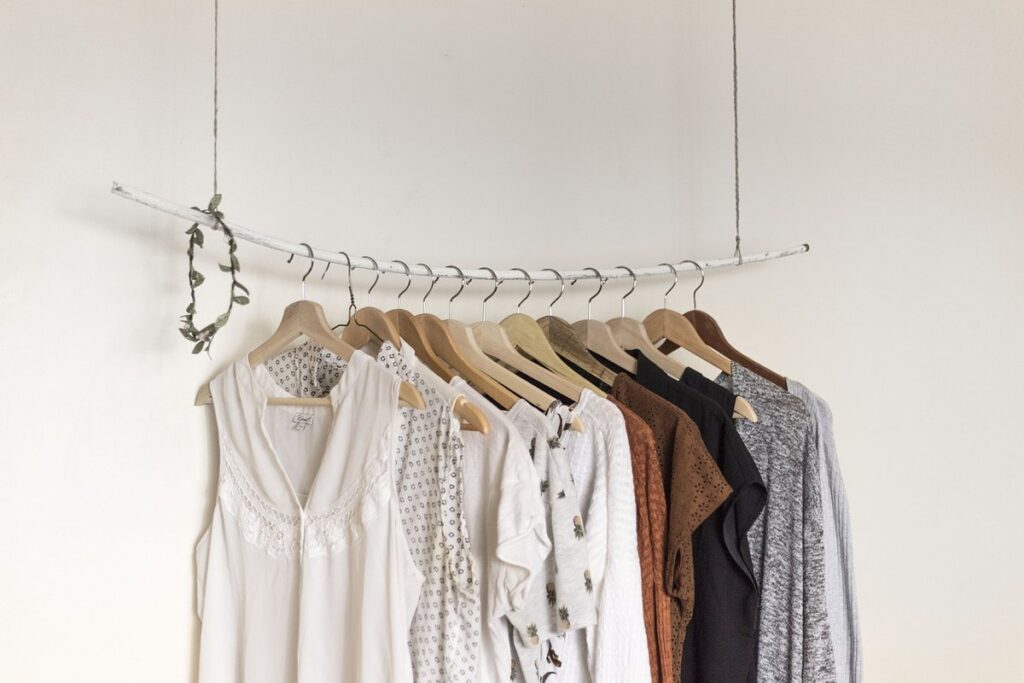
What is a Minimalist Closet?
A minimalist closet isn’t just about clearing out space, it’s also about paring down your wardrobe to only the essentials that truly make you feel confident and stylish. Let’s define what a minimalist closet really looks like up close.
Understanding the Benefits of a Minimalist Closet
A minimalist closet brings organization by categorizing clothes into must-haves, don’t-haves, and maybes. This clarity makes getting dressed faster as you immediately know where to find what you need. Decision fatigue decreases as the constant distraction of an overwhelming wardrobe is eliminated.
Reducing options can also improve mental clarity. With a simplified space, your brain no longer has to work overtime deciding which item to wear or whether you really need that one dressy top for a special occasion. This mental relief translates into energy and time savings elsewhere in your life.
To reap these benefits, start by getting rid of items you haven’t worn in over a year. Be ruthless – if it hasn’t seen the light of day, let someone else enjoy it. Then, sort remaining clothes into categories like tops, bottoms, dresses, outerwear, and accessories, and store them in designated areas using bins or baskets to keep clutter at bay. Consider implementing a “one in, one out” policy to maintain your newly streamlined space.
Debunking Common Myths About Minimalism
Minimalism is often misunderstood as being about extreme simplicity, where every item must be perfect and useful. However, a minimalist closet focuses on intentionality rather than perfection. This means letting go of items that no longer serve you, but not necessarily getting rid of everything. It’s about embracing the idea that less can be more.
Some people think minimalism requires a complete overhaul of their wardrobe, which can be overwhelming and even lead to burnout. But, in reality, it’s about making small changes over time. Start by letting go of items that are no longer worn or loved. Consider the 80/20 rule: 80% of the time you likely wear 20% of your clothes.
Another common myth is that minimalism means depriving yourself of pleasure and comfort. But, a minimalist closet can actually be more efficient and enjoyable to use. Think about it – when everything has its designated place, getting dressed in the morning becomes much easier. It’s also about creating space for what truly brings you joy, whether that’s a favorite piece or a new investment.
A cluttered closet is often a reflection of a cluttered mind. By simplifying your physical space, you may find it easier to simplify other areas of your life as well.
Assessing Your Current Closet Situation
Take a honest look at what you’re working with – literally, every item in your closet – and let’s identify what’s truly worth keeping. This is where the real editing begins!
Taking Inventory: What’s in Your Closet?
To take inventory of your closet, start by gathering all items from the shelves, drawers, and hanging rods. Sort them into categories such as tops, bottoms, dresses, outerwear, and accessories like scarves, hats, and jewelry. Consider creating separate piles for different types of clothing within each category, such as work clothes, formal wear, or loungewear.
As you sort, pay attention to the condition and quality of each item. Ask yourself if it’s still in good shape, fits well, and is something you feel confident wearing. Be honest with yourself – if an item no longer serves a purpose or makes you feel bad about yourself, consider letting it go. Don’t worry too much about sentimental value at this stage; focus on the practicalities.
Remember to include items that may not be immediately visible, such as storage containers, luggage, and personal care products. These can often take up more space than they appear to, so make sure to factor them into your inventory. Once you’ve sorted everything, take a step back and evaluate each category separately – we’ll discuss how to do this effectively in the next section.
Identifying Pain Points and Goals
When assessing your current closet situation, it’s essential to identify the pain points that are driving your desire for a minimalist closet. What are the specific issues that bother you about your existing space? Is it cluttered and disorganized, making it difficult to find what you need? Are clothes scattered all over the floor or hung randomly on hooks? Perhaps you’re tired of wasting time searching for missing items or feeling overwhelmed by the sheer volume of choices.
Consider your goals for the closet transformation. Do you want to free up space in your bedroom or reduce the amount of laundry you do each week? Maybe you’re looking to create a more peaceful and serene atmosphere in your home, or perhaps you simply want to save money on storage solutions. Take some time to reflect on what you hope to achieve with your minimalist closet. Ask yourself questions like: What are my priorities when it comes to style, sustainability, and functionality? What can I realistically let go of, and what do I need to keep? By clearly defining your pain points and goals, you’ll be better equipped to tackle the editing process and create a space that truly serves your needs.
Decluttering Strategies for a Minimalist Closet
To create a functional and stylish minimalist closet, it’s essential to adopt effective decluttering strategies that help you edit your wardrobe and maximize space.
These strategies involve categorizing items, identifying true favorites, and creating a color-coded system for easy organization.
The KonMari Method and Its Applications
Marie Kondo’s decluttering method emphasizes the importance of sparking joy in one’s possessions. In the context of a minimalist closet, this principle can be applied by carefully examining each item and asking if it brings joy or serves a specific purpose. This is more than just a sentimental assessment; it’s about evaluating how an item makes you feel when you look at it or wear it.
Kondo advocates for keeping items that have a clear purpose, such as frequently worn clothing or essential accessories. However, she also encourages letting go of items that no longer fit or serve their intended function. This can be particularly challenging in a closet where sentimental value often outweighs practicality. For example, consider the case of a cherished sweater from childhood that still fits but hasn’t been worn in years. Kondo would likely recommend letting it go, as it’s no longer sparking joy.
By applying these principles to your own closet, you can create a space that not only looks more streamlined but also reflects your personal style and priorities.
Sorting Items into Three Piles: Keep, Donate/Sell, Discard
Sorting items into three piles can be a daunting task, but with a clear plan, you’ll be able to make swift decisions about what to keep, donate/sell, and discard. Begin by examining each item for its sentimental value. If an item holds emotional significance, such as a gift from a loved one or a favorite piece from your childhood, place it in the “Keep” pile. However, be honest with yourself – if you haven’t worn or used it in years, it’s likely time to let go.
Next, assess the condition of each item. Clothes that are torn, stained, or no longer fit should be considered for donation or discard. On the other hand, items that are still in good condition but no longer suit your style can be donated or sold through online marketplaces like eBay or Poshmark. Consider factors such as fabric quality, color, and whether the item is still on-trend.
When deciding what to keep, think about how often you wear each item. If it’s a seasonal piece or only suitable for special occasions, consider storing it in a designated area outside of your main closet space to free up room. By being intentional with your sorting process, you’ll end up with a curated wardrobe that truly reflects your personal style and needs.
Maximizing Closet Space with Storage Solutions
To make the most of your closet space, consider implementing creative storage solutions that double as decorative elements, such as shelves and hanging organizers. These can help keep items off the floor and visible at a glance.
Utilizing Vertical Space with Shelves and Hooks
Using shelves and hooks is an effective way to maximize vertical space in closets. A standard shelf can add up to 30 inches of storage capacity, making it ideal for storing folded items like sweaters or jeans. Consider installing adjustable shelves to accommodate different sizes of clothing and accessories.
Hooks are another versatile option for utilizing vertical space. Over-the-door hooks can be hung from the back of a door or placed on the wall, providing easy access to frequently used items like jackets or handbags. For a more customized look, install wall-mounted hooks made of materials like brass or copper. These add a touch of elegance while keeping clutter at bay.
When selecting shelves and hooks, consider the type of items you want to store. For example, if you have delicate clothing, choose shelves with soft-close mechanisms to prevent damage. Similarly, opt for hooks with a sturdy design to hold heavy bags or coats. By thoughtfully incorporating shelves and hooks into your closet layout, you can create a functional and organized space that makes the most of vertical space.
Investing in Multi-Functional Furniture Pieces
Investing in multi-functional furniture pieces can significantly contribute to a minimalist closet’s success. These space-saving wonders can serve as both storage units and decorative elements, streamlining the room’s aesthetic while maximizing its functionality. A double-duty dresser with built-in drawers or a storage ottoman that doubles as a seat are excellent examples of such pieces.
When selecting multi-functional furniture, consider your specific needs and preferences. Measure your closet space to determine what types of items you can comfortably fit within it. Think about the habits you want to encourage in yourself – for instance, do you want to develop a habit of regularly folding and putting away clothes or storing accessories in a designated area?
Some multi-functional furniture pieces even offer additional features like built-in lighting or USB ports. These convenient additions can make a significant difference in your daily routine. Ultimately, investing in these types of pieces allows you to allocate more space for what truly matters – your edited wardrobe.
Organizing Your Minimalist Closet
Now that you’ve edited down your wardrobe, it’s time to organize what’s left into a functional and stylish space. This includes implementing smart storage solutions and arranging items in a way that makes sense for your daily routine.
Implementing a Color-Coded System
Implementing a color-coded system can significantly improve closet organization and efficiency. This approach involves grouping similar items by their hue, allowing you to quickly identify what’s inside each section of your closet. For example, if you have a collection of blue tops, you can store them together in one area, making it easier to find the exact item you need.
To implement a color-coded system, start by categorizing your clothing into core colors – think neutrals like white, black, and gray, as well as primary colors like red, blue, and yellow. Consider using dividers or bins with colored labels to separate items within each section. This visual separation helps maintain order even when clothes are hung on hooks or folded in drawers.
For a small minority of clothing items that don’t fit neatly into a color category – think patterns or textured pieces – create a separate ” miscellaneous” area where you can store them. By implementing a color-coded system, you’ll reduce time spent searching for specific items and make the most of your closet space.
Using Baskets, Containers, and Dividers for Optimal Storage
When selecting baskets, containers, and dividers for your minimalist closet, consider the specific items you need to store. For shoes, look for stackable containers with breathable mesh panels to maintain airflow and prevent moisture buildup. Adjustable dividers can help maximize vertical space within shelves or cabinets, keeping similar items organized and easy to find.
For folded clothes, wicker baskets or fabric storage cubes work well due to their softness and ability to hold various shapes without creasing. Consider the material and weight capacity of your containers, as they’ll be subject to frequent use. Clear plastic bins are also suitable for storing out-of-season clothing, accessories, or linens, allowing you to see what’s inside without opening them.
Avoid over-accessorizing with too many baskets or containers, which can visually clutter the space. Instead, choose a few well-designed pieces that complement your closet’s aesthetic and make maintenance easier. By thoughtfully selecting and using these organizational tools, you’ll maintain a clutter-free minimalist closet that remains functional and visually pleasing.
Maintaining Your Minimalist Closet
Now that you’ve edited down your wardrobe, it’s time to maintain a minimalist closet that stays clutter-free and organized. This means regularly reviewing your pieces and making adjustments as needed.
Scheduling Regular Purges and Maintenance Sessions
Scheduling regular purges and maintenance sessions is essential for maintaining a minimalist closet. To keep your space organized and clutter-free, set aside time every 2-3 months to review your wardrobe and get rid of items that no longer fit or bring you joy.
During these sessions, go through each section of your closet and ask yourself if each item sparks happiness or serves a practical purpose. Be ruthless – if the answer is no, consider donating or recycling the item. You can also use this opportunity to swap out seasonal clothing, separate delicates from everyday items, and reorganize storage containers.
Remember that maintenance sessions aren’t just about getting rid of clutter; they’re also an opportunity to refine your personal style and optimize your space for maximum efficiency. For example, if you notice you consistently reach for the same 10 tops, consider grouping them together or storing similar items near each other. By staying on top of these regular reviews, you’ll be better equipped to resist impulse purchases and maintain a closet that truly reflects your minimalist values.
Strategies for Avoiding Future Clutter Accumulation
To maintain a clutter-free closet, you need to develop habits that support minimalism. This begins with a mindset shift: instead of buying into fast fashion’s “wear it once” culture, adopt a purchasing approach that prioritizes quality over quantity. When shopping, ask yourself if the item is essential, and if so, whether it aligns with your existing wardrobe.
Implementing a one-in-one-out policy can help regulate consumption. For every new piece you bring into your closet, remove or donate an old one to maintain balance. You can also use the “30-wear rule”: only buy items that you expect to wear at least 30 times before they’re discarded. This encourages thoughtful purchases and reduces impulse buying.
Another strategy is to establish a regular maintenance routine. Set aside time each season to review your wardrobe, assessing which pieces still spark joy or serve a purpose. Be ruthless – if an item no longer meets these criteria, consider letting it go. By integrating these habits into your daily life, you’ll cultivate a sense of intentionality around consumption and avoid future clutter accumulation.
Frequently Asked Questions
How Often Should I Review and Update My Closet’s Organization?
Yes, it’s essential to review and update your closet’s organization regularly to maintain its minimalist state. Schedule regular maintenance sessions every 3-6 months to reassess your belongings, remove items that no longer serve a purpose, and adjust the layout as needed.
Can I Apply Minimalist Principles to Non-Clothing Items in My Closet?
Yes, you can apply minimalist principles to non-clothing items like shoes, accessories, and storage containers. Consider categorizing these items by frequency of use, sentimental value, or usefulness, and store them in designated areas within your closet.
What if I Have a Small Closet with Limited Space – Will Minimalism Still Work?
Yes, minimalism can still work for small closets with limited space. Focus on vertical storage solutions like shelves, hooks, and stackable containers to maximize space efficiency. Consider investing in multi-functional furniture pieces that serve multiple purposes to save floor space.
How Do I Handle Sentimental Items When Decluttering My Closet?
It’s normal to feel attached to sentimental items, but remember that a minimalist closet is about functionality over nostalgia. Take photos of sentimental items and consider keeping only the most meaningful ones. Let go of duplicates or items that no longer serve a purpose.
Can I Implement a Minimalist Closet in a Shared Living Space with Family Members?
Yes, it’s possible to implement a minimalist closet in a shared living space. Communicate your goals and needs with family members and involve them in the decluttering process. Set clear expectations for what will be stored in each person’s designated area to maintain harmony and organization within the space.