You’re likely familiar with the feeling of standing in front of your overflowing closet, wondering where to start. A cluttered space can be overwhelming, but it’s also an opportunity to rethink your relationship with fashion and personal style. Creating a curated micro wardrobe is not just about simplifying your clothes; it’s about investing in essential pieces that make getting dressed easier and more enjoyable. When done thoughtfully, a micro wardrobe can help you develop a sense of style that’s both versatile and intentional. In this article, we’ll explore strategies for building a well-curated collection of clothing, mixing-and-matching outfits to create multiple looks from a single set of pieces, and learning how to care for your new minimalist style. By the end, you’ll be able to craft outfits with ease and appreciate the benefits of a more streamlined wardrobe.
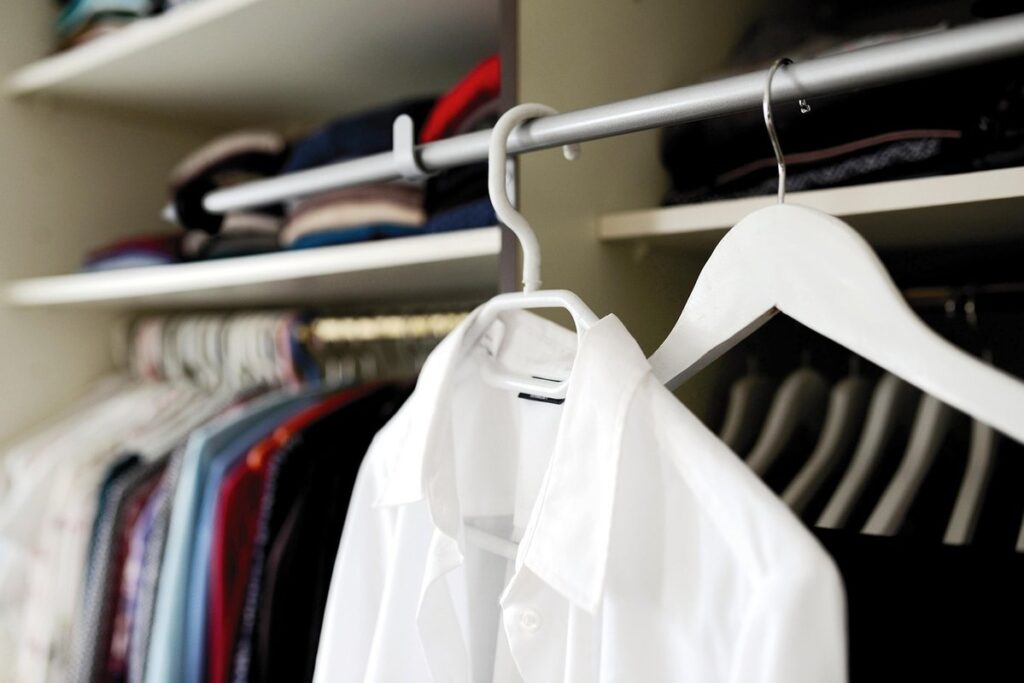
What is a Micro Wardrobe?
A micro wardrobe is essentially a condensed collection of essential clothing pieces that serve as the foundation for your personal style, eliminating decision fatigue and clutter. Let’s break down what makes up this streamlined approach to fashion.
Definition and Benefits
A micro wardrobe is not about depriving yourself of personal style, but rather about curating a thoughtful collection of essential pieces that can be mixed and matched to create multiple outfits. This approach focuses on quality over quantity, encouraging you to let go of items that don’t serve a purpose in your wardrobe.
By adopting a minimalist mindset, you’ll find that the number of items in your closet begins to shrink. But what’s lost in quantity is more than made up for in versatility. A well-curated micro wardrobe is built around timeless pieces that are both versatile and essential. For example, a simple white shirt or a pair of dark wash jeans can be styled in countless ways.
The benefits of a micro wardrobe extend far beyond the aesthetic, however. By paring down your closet to only what’s truly necessary, you’ll save time and money on maintenance and replacements. You’ll also reduce decision fatigue, making it easier to get dressed each morning. Ultimately, a micro wardrobe is about creating a streamlined system that allows you to express yourself through fashion without the burden of excess.
Overcoming Common Misconceptions
Many people assume that micro wardrobes are restrictive and unsuitable for certain lifestyles. They worry that a small collection of clothes will limit their ability to express themselves through fashion. Others believe that a micro wardrobe is only suitable for minimalist or monochromatic styles, where every item complements the next.
However, this couldn’t be further from the truth. A well-curated micro wardrobe can actually offer more freedom and versatility than a large collection of clothes. By focusing on high-quality pieces that fit well and are made from sustainable materials, you can create outfits for multiple occasions without sacrificing style or comfort.
In reality, the key to a successful micro wardrobe is not about restricting your options but about editing them down to what truly matters. This means identifying your personal style and building a collection around it. For example, if you love statement pieces, look for one or two bold items that can be mixed and matched with simpler basics. By doing so, you’ll create a cohesive wardrobe that’s tailored to your needs and preferences, not just a random assortment of clothes.
Assessing Your Current Wardrobe
Let’s start by taking stock of what you already have – begin by pulling out every item from your closet and sorting them into three piles: keep, donate/sell, and discard. Be ruthless!
Sorting and Purging Strategies
When sorting through your existing wardrobe, it’s essential to identify pieces that align with your micro wardrobe goals. Start by categorizing items into three piles: keep, donate, and discard. Begin with the “keep” pile, where you’ll place high-quality, well-fitting pieces that fit within your desired color palette and style aesthetic.
For the “donate” pile, consider items that are still in good condition but no longer suit your needs or preferences. These can be passed along to friends, family members, or local charities. Be ruthless when it comes to the “discard” pile – if an item is stained, torn, or ill-fitting, it’s likely time to let it go.
When deciding what to keep, think about the 80/20 rule: 80% of the time, you likely wear 20% of your clothes. Identify those core pieces and use them as a foundation for building your micro wardrobe. Consider the items that make you feel confident and comfortable, and prioritize those in your sorting process.
Use this opportunity to declutter and streamline your wardrobe, making it easier to maintain and style your micro wardrobe over time.
Identifying Personal Style and Needs
Your personal style is unique to you and serves as the foundation for creating a functional micro wardrobe. To identify yours, start by considering your lifestyle requirements. Think about the activities you regularly engage in – are you often on-the-go or do most of your days involve working from home? This will help you determine what types of clothes are essential.
Reflecting on your preferences is also crucial. Do you prioritize comfort over style, or vice versa? Consider the fabrics and silhouettes that make you feel confident and at ease. If you’re unsure where to begin, try making a list of your favorite clothing items and analyzing their commonalities – what they have in common may indicate patterns in your personal style.
Ask yourself about your occupation and how it affects your dressing needs. Are there specific pieces you need for work or formal events? Take note of the occasions that require dressier attire, as well as those where a more relaxed look is acceptable. Understanding these factors will enable you to curate a micro wardrobe that meets both your practical and aesthetic requirements.
Building Your Micro Wardrobe Foundation
Let’s start building a solid foundation for your micro wardrobe by understanding what pieces you already have, and identifying gaps to fill. This will set you up for success in your minimalist fashion journey.
Essential Piece Categories
A micro wardrobe is built on a foundation of essential piece categories. At its core, these categories consist of tops, bottoms, dresses, and outerwear. Tops encompass blouses, t-shirts, sweaters, and tailored button-downs. They come in various styles to suit individual tastes and needs.
Bottoms include jeans, trousers, shorts, skirts, and dresses that can be worn as standalone pieces or layered over tops. Dresses are a versatile option that serves both as a top and bottom in one. They range from casual sundresses to formal evening wear.
Outerwear is the final essential piece category. It includes coats, jackets, blazers, and cardigans that add depth and texture to outfits while providing warmth and protection from the elements. The key to building a successful micro wardrobe lies not just in acquiring these categories but also in creating combinations of these pieces to create multiple outfits.
Consider starting with a core set of 5-7 tops, 4-6 bottoms, 2-3 dresses, and 1-2 outerwear pieces. This foundation can be expanded as you refine your personal style and develop a deeper understanding of how to mix and match these essential pieces.
Prioritizing Quality Over Quantity
When building a micro wardrobe, it’s tempting to focus on accumulating as many pieces as possible. However, investing in high-quality, timeless items is crucial for a sustainable and functional wardrobe. Cheaply made clothes may be affordable upfront but often fall apart quickly, resulting in wasted money and excess waste.
Consider the difference between a $10 shirt and a $50 one. The higher-end option might last five times longer, saving you from constantly replacing it and reducing your environmental impact. Timeless pieces are those that won’t go out of style quickly, so they can be worn for years to come without looking outdated.
To prioritize quality over quantity, allocate your budget towards investing in a few well-crafted items rather than buying cheaply made alternatives. Look for natural fibers like cotton and wool, which tend to last longer and are often more breathable. When shopping, focus on classic silhouettes that won’t go out of fashion easily, such as simple white shirts or tailored trousers. By doing so, you’ll create a foundation for your micro wardrobe that’s both functional and sustainable.
Mixing-and-Matching Essentials
To get the most out of your micro wardrobe, you’ll want to learn how to mix and match pieces for multiple outfits, without buying a single new item. This is where versatile staples come into play.
Creating Outfit Combinations
When it comes to creating outfit combinations, think of each essential piece as a building block. Consider how you can pair them together to create multiple outfits for different occasions and activities. For example, a simple white shirt can be dressed up or down depending on the pants or skirt you pair with it.
Start by grouping similar items together, such as tops, bottoms, dresses, and outerwear. Then, experiment with mixing and matching these groups to create new combinations. Don’t be afraid to try unexpected pairings – some of the best outfits come from unlikely matches.
Consider the 60-30-10 rule: 60% of your outfit should be a neutral base (like a classic white shirt or a simple black dress), 30% a secondary piece that adds interest (such as a patterned scarf or a bold jacket), and 10% an accent item (like statement jewelry or a brightly colored handbag). This balance creates visually appealing outfits without overwhelming the senses. By thoughtfully combining your essential pieces, you’ll be able to create a diverse wardrobe on a smaller scale.
Incorporating Statement Pieces
When building a micro wardrobe, it’s natural to want to incorporate statement pieces or seasonal items without compromising its integrity. To do this effectively, identify which of these items are truly essential and prioritize them. Consider investing in one or two high-quality, timeless statement pieces that can be mixed-and-matched with existing essentials.
For example, a tailored blazer or a classic handbag can instantly elevate a simple outfit and make it feel more polished. However, be cautious not to overdo it – too many statement pieces can quickly overwhelm the wardrobe and undermine its minimalist principles. Focus on one or two anchor items and use them as the foundation for building out your seasonal wardrobe.
When selecting seasonal items, think about which pieces will get the most wear and are worth investing in for their quality and versatility. This might include a specific coat style that’s perfect for cold winter months or a pair of sandals ideal for warm summer days. By strategically incorporating statement and seasonal pieces into your micro wardrobe, you can add visual interest and personality to your outfits without sacrificing the overall coherence and simplicity of your capsule collection.
Caring for and Maintaining Your Micro Wardrobe
Now that you’ve built your micro wardrobe, it’s time to focus on maintaining its quality and longevity. Learn how to clean, repair, and store each piece for a sustainable fashion routine.
Laundry and Cleaning Tips
When washing delicate items from your micro wardrobe, it’s best to hand wash them in cold water with a mild detergent. Avoid using fabric softener or bleach, as these can damage or discolor certain fabrics. For example, silk and wool require gentle treatment, while cotton and linen are generally more forgiving.
For items that can be machine washed, use a gentle cycle with cold water. Remove any accessories like buttons or zippers before washing to prevent snagging or damage. It’s also a good idea to turn your clothes inside out to protect them from friction and wear.
When it comes to drying, air-drying is usually the best option for delicate items. Lay them flat on a towel to dry, reshaping the fabric as you go. For machine-washable items, use a low heat setting or air-dry if possible. This will help prevent shrinkage and fading.
Specific cleaning techniques apply to certain fabrics. For example, suede and velvet require special care products to clean effectively without damaging the material. Always check the care label on your garment for specific instructions before attempting to clean it.
Storage and Organization Solutions
A well-organized micro wardrobe requires thoughtful storage and organization solutions. Consider investing in a compact clothing rack with multiple tiers to maximize vertical space, keeping frequently worn items at eye level. For less-accessible garments, use stackable storage bins or drawers that fit snugly beneath the bed or in a closet.
Utilize double rods for hanging clothes, allowing you to double your hanging capacity without compromising on floor space. Alternatively, install a slide-out shoe organizer or a hanging shoe bag to keep footwear tidy and within reach. For folded items like sweaters and jeans, employ a stackable drawer divider system to maintain neat piles.
When choosing storage solutions, prioritize those with removable covers or breathable mesh panels to ensure air circulation and prevent moisture buildup. Consider using a shelf divider or a hanging organizer for delicate or specialty items, such as scarves or accessories. By implementing these strategies, you’ll preserve the functionality of your micro wardrobe over time and make maintenance a breeze. Regularly scheduled tidying sessions will become more efficient with these storage solutions in place.
Advanced Micro Wardrobe Strategies
Building on our foundational micro wardrobe principles, we’ll now explore more nuanced strategies for refining your personal style and maximizing your capsule’s impact.
Customizing Your Wardrobe for Specific Needs
When building a micro wardrobe, it’s essential to consider specific needs or preferences that may arise. For instance, during pregnancy, women often experience changes in body shape and size, requiring accommodating clothing choices. One approach is to prioritize flexible pieces such as stretchy tops and leggings, which can adapt to changing measurements. Investing in a good maternity belt can also help adjust the fit of existing pants.
Individuals with disabilities may face unique challenges when it comes to dressing themselves. Adaptive clothing options are becoming increasingly available, but incorporating these items into a micro wardrobe requires thoughtful planning. Consider layering pieces that can be easily put on or taken off without requiring complex fastenings.
In addition to accommodating physical needs, some people may have specific sensory sensitivities or preferences when it comes to fabrics and textures. For example, individuals with sensory processing disorder may prefer clothing made from soft, smooth materials like cotton or bamboo. By incorporating these considerations into the micro wardrobe strategy, individuals can create a personalized system that meets their unique requirements while maintaining a streamlined aesthetic.
Mixing High-Low Fashion
Combining high-end and low-cost pieces can be a double-edged sword when building a micro wardrobe. On one hand, mixing luxury with affordability allows you to create a more interesting and dynamic personal style. For instance, pairing a designer top with a thrift store skirt can add visual interest to an outfit without breaking the bank. Additionally, incorporating high-end items into your capsule collection can elevate its overall aesthetic and make it feel more curated.
On the other hand, blending high and low fashion requires careful consideration to avoid looking like you’re trying too hard or compromising on quality. One key challenge is maintaining a consistent thread of style and sophistication throughout your micro wardrobe. To achieve this balance, focus on investing in a few timeless, well-made high-end pieces that can be mixed and matched with more affordable items. When shopping second-hand or at budget-friendly retailers, opt for clean, simple silhouettes that won’t compete with your investment pieces. By striking the right balance between luxury and affordability, you can create a micro wardrobe that’s both stylish and sustainable.
Frequently Asked Questions
How Often Should I Update My Micro Wardrobe?
Yes, it’s recommended to reassess and update your micro wardrobe every 6-12 months. As your lifestyle and personal style evolve, so should your curated collection of essential pieces.
When updating your micro wardrobe, consider the 80/20 rule: 80% of the time, you likely wear 20% of your clothes. Focus on refreshing these core items rather than drastically overhauling your entire wardrobe.
Can I Still Wear Statement Pieces with a Micro Wardrobe?
Yes, statement pieces can still be incorporated into a micro wardrobe when done thoughtfully. When choosing seasonal or trendy items, consider how they will mix-and-match with existing essential pieces to create new outfits.
To avoid overwhelming the micro wardrobe, limit statement pieces to 1-2 per category (e.g., tops, bottoms) and focus on timeless basics that can be worn multiple times.
How Do I Store and Organize My Micro Wardrobe for Travel?
When traveling with a micro wardrobe, prioritize packing essentials in a carry-on luggage to avoid checking bags. Consider rolling clothes to save space and using packing cubes or compression bags to keep items organized.
In your destination, consider renting a storage unit or utilizing hotel storage facilities to keep your main wardrobe pieces secure while you’re away.
What If I Have Multiple Wardrobe Styles for Different Occasions?
When creating a micro wardrobe that caters to multiple styles or occasions (e.g., work and weekend), start by identifying core, versatile pieces that can be adapted across different contexts. Consider the 3-4 outfit rule: aim to create at least three distinct outfits using just four essential pieces.
To simplify this process, consider color-coding your wardrobe items based on occasion, allowing for easy mixing-and-matching when preparing for a specific event or activity.
Can I Mix High-End and Low-Cost Pieces in My Micro Wardrobe?
When combining high-end and low-cost pieces, focus on balancing quality with quantity. Invest in timeless, high-quality basics that can be mixed-and-matched across different outfits.
For statement pieces or trendier items, opt for lower-cost alternatives while still prioritizing quality. Consider thrift stores, consignment shops, or online marketplaces for affordable, gently used options.