
May Day baskets have been a beloved tradition in many communities for centuries, bringing people together with kindness and generosity. You might remember receiving one as a child, filled with fresh flowers, treats, and small tokens of appreciation from your neighbors. But May Day baskets are more than just a sweet gesture – they’re also an opportunity to build stronger relationships with those around you, support local economies, and spread joy throughout the neighborhood. As we approach the first day of May, many of us are looking for ways to connect with our communities in meaningful ways. In this article, we’ll explore the history and benefits of May Day baskets, share DIY ideas for creating your own, and provide tips on how to use these baskets to foster community relationships while supporting local economies, so that by the end you’ll know exactly how to create a beautiful and thoughtful May Day basket that brings delight to your neighbors.
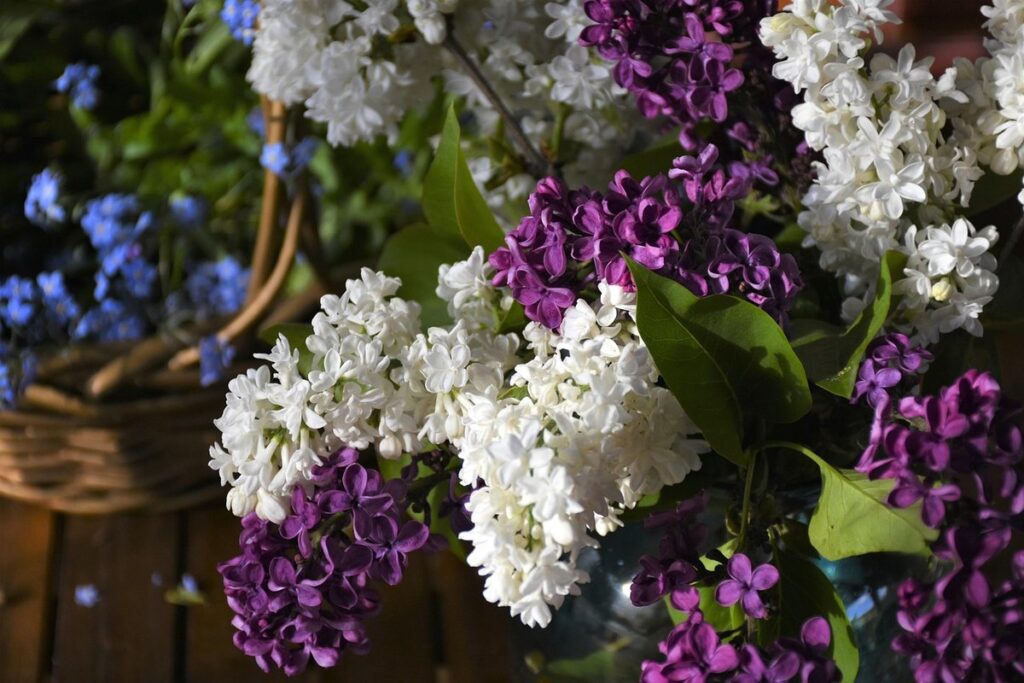
What are May Day Baskets?
May Day baskets have a long history of spreading joy and community, but what exactly is behind this delightful tradition. Let’s take a closer look at their origins and significance.
History and Tradition
May Day baskets have their roots in ancient European festivals celebrating spring’s arrival. In pre-Christian Germany, people would carry bouquets of flowers and herbs to their neighbors’ homes on May 1st, symbolizing good luck, fertility, and renewed life. This tradition was later influenced by the Catholic Church’s celebration of May Day, also known as La Fête du Travail in France.
As European immigrants brought this custom to North America, it evolved into a community-building practice where neighbors would exchange baskets filled with flowers, treats, and other sweet gestures. In some cultures, the baskets were seen as a way to bring good fortune to the recipient’s home, while in others, they represented an opportunity for social interaction and connection.
Today, May Day basket traditions vary across different communities, but their core spirit remains the same – to spread joy, kindness, and community spirit. Many families continue this tradition by creating and exchanging baskets with their neighbors, often using locally sourced flowers and materials. By participating in this time-honored practice, you can help revitalize your neighborhood’s sense of connection and belonging.
Types of May Day Baskets
Traditional May Day baskets are often made from materials like wicker, rattan, or bamboo. These natural fibers provide a rustic charm and can be adorned with ribbons, flowers, and other embellishments to add a touch of elegance. In some cultures, handmade paper or woven baskets are also used to create the traditional May Day basket.
For those looking for modern alternatives, you can opt for more durable materials like plastic or metal containers. These can be dressed up with decorative paint, stickers, or other embellishments to match your desired aesthetic. Consider using reusable containers to reduce waste and make the gift-giving process even more sustainable.
Another option is to repurpose items like old mason jars, tin cans, or wooden crates. This approach not only reduces waste but also adds a unique touch to the traditional May Day basket. Simply fill the container with flowers, greenery, or other treats and decorate it with ribbons or labels.
Benefits of Giving May Day Baskets to Neighbors
May Day baskets bring a smile to our neighbors’ faces, but they also offer so much more than just a kind gesture. They can foster deeper connections and a stronger sense of community in our neighborhoods.
Building Community Relationships
Building relationships with neighbors can be challenging, especially in urban areas where people may not know each other’s names. May Day baskets provide an opportunity to break the ice and start a conversation. When you give a basket to a neighbor, it shows that you’re thinking of them and care about their well-being. This small act of kindness can go a long way in building trust and fostering a sense of community.
In many neighborhoods, May Day basket exchanges have become an annual tradition. Neighbors look forward to receiving baskets and reciprocate with their own creations. This exchange not only brings people together but also encourages them to get to know each other better. You can take it a step further by including a personalized note or card with your basket, sharing a little about yourself and your family.
As you participate in May Day basket exchanges, you’ll find that relationships deepen over time. Neighbors will start to look out for one another, and the sense of community will grow. By giving May Day baskets, you’re not only spreading joy but also creating a ripple effect of kindness that can have lasting impacts on your neighborhood.
Stress Relief and Kindness
Receiving a May Day basket is more than just a kind gesture – it’s a tangible reminder of someone’s thoughtfulness. Studies have shown that small acts of kindness can lower cortisol levels, reduce stress and anxiety, and even boost our mood. When we receive a gift with no expectation of reciprocation, our brains respond positively, releasing feel-good hormones like oxytocin. This phenomenon is often referred to as “helper’s high.” In contrast, giving May Day baskets to neighbors has its own benefits. By focusing on spreading kindness, you shift your attention away from daily worries and onto the joy of connecting with others. As you prepare the basket, select flowers, and arrange decorations, you’re cultivating mindfulness and slowing down in a world that often values speed over presence. The act of giving encourages reciprocity, fostering a sense of community and social bonding among neighbors who might otherwise remain strangers.
Promoting Local Economy
When you create a May Day basket, you have the opportunity to support local businesses by purchasing materials from nearby shops. This not only benefits the community but also adds a personal touch to your gift. Consider buying flowers and plants from a local nursery or florist. These small purchases can make a significant impact when combined with others in your neighborhood.
By shopping locally, you’re investing directly into your community’s economy. This is especially important for small businesses that may rely heavily on customer support. You can find unique and high-quality items at these stores, such as handmade baskets or specialty soaps, which will add an extra layer of thoughtfulness to your gift.
To ensure you’re supporting local businesses, look for signs indicating they are locally owned or check online reviews to verify their ownership status. By making this conscious choice, you’ll be contributing to the growth and vitality of your neighborhood’s economy while spreading kindness through May Day baskets.
Choosing the Perfect May Day Basket
When choosing a may day basket for your neighbor, consider their personal preferences and interests to make it a thoughtful gift. Select flowers, treats, and other items that reflect their tastes and hobbies.
Selecting Flowers and Greens
When selecting flowers and greens for May Day baskets, consider the season and personal taste. In early spring, opt for bulbs like tulips, daffodils, and hyacinths, which are readily available during this time. For a more delicate look, incorporate herbs like lavender, rosemary, or thyme into your arrangement. These fragrant additions not only add visual appeal but also carry symbolic meanings.
For a more vibrant display, choose flowers in pastel shades, such as pale pink, baby blue, and yellow. Consider pairing these with greenery like eucalyptus, ferns, or lemon leaves to create contrast. If you prefer a monochromatic look, focus on one color scheme and stick to it.
When selecting flowers and greens, also consider their meanings and associations. For example, forget-me-nots are often used in May Day baskets as a symbol of love and remembrance. Lily of the valley is another popular choice, representing purity and sweetness. Keep in mind that some flowers may have strong scents or allergens, so choose wisely to accommodate your neighbors’ sensitivities.
A mix of fresh flowers and greenery will add depth and interest to your May Day basket arrangement.
Basket Materials and Decorations
When selecting basket materials and decorations, consider what reflects your personality or theme. A traditional May Day basket often features a woven wicker or rattan container with a handle made from natural fibers like twine or ribbon. You can also opt for more modern materials like paper mache, metal, or even recycled plastic. If you want to add a personal touch, choose decorations that reflect your garden’s blooms or the neighborhood’s character.
For example, if you have a lush greenery-filled garden, consider adding some artificial flowers in complementary colors. Alternatively, if your neighborhood is known for its vibrant street art, incorporate small ceramic tiles or hand-painted wooden decorations into your design. When it comes to flowers, opt for seasonal blooms that add fragrance and color to the basket.
Some popular decoration ideas include:
- Fresh herbs like lavender or rosemary
- Dried flowers like baby’s breath or wheat
- Small potted plants or succulents
- Handmade or store-bought ribbons in spring-inspired colors
DIY May Day Basket Ideas
Looking for a creative way to make your May Day basket even more special? We’ll show you some fun and easy DIY ideas to add a personal touch.
Simple yet Elegant Designs
To create a classic May Day basket design using minimal materials, start with a simple yet elegant combination of flowers and greens. Choose a small bouquet of fresh spring blooms like tulips, daffodils, or forget-me-nots, and pair them with some lush greenery such as ferns or baby’s breath. Consider adding a few sprigs of rosemary or lavender for their fragrance and symbolic meaning.
For the basket itself, opt for a natural material like wicker or rattan. You can also use a paper cone or a small wooden container if you prefer a more rustic look. Leave the basket as is or add some simple decorations like a ribbon or a sprig of greenery tied around the handle. Avoid over-accessorizing – the focus should be on the flowers and the gesture.
For a finishing touch, place a small card or note with a personal message inside the basket. This could be a handwritten note expressing your gratitude for your neighbor’s presence in your life or a simple “Happy May Day!” greeting. The key to creating a beautiful yet understated design is to keep it simple and let the natural beauty of the flowers shine through.
Themed and Seasonal Ideas
Themed May Day baskets can add a personal touch to your gift-giving. Consider making baskets for specific occasions like Mother’s Day, Father’s Day, or even housewarming gifts. For example, create a “Welcome to the Neighborhood” basket with fresh flowers and some local goodies like artisanal cheese or baked goods.
Seasonal themes are also a great way to go. In the spring, focus on bright colors and blooming flowers like tulips or daffodils. Summer baskets can feature sunflowers, lavender, or berries. Autumn baskets might include fall leaves, acorns, or warm spices like cinnamon or nutmeg. For winter, opt for evergreen branches, holly, or red berries.
You can also cater to specific tastes and interests with themed baskets. Think about your neighbor’s hobbies, favorite sports teams, or cultural backgrounds when selecting items to include in the basket. For instance, a book lover might appreciate a basket filled with new releases from their favorite author or genre. A garden enthusiast could receive a basket with seeds, gardening tools, or a beautiful planter.
Remember, the key is to make the gift personal and meaningful to your neighbor. By putting thought into the theme and contents of your May Day basket, you’ll show your neighbors that you care about them as individuals.
Tips for a Successful May Day Basket Exchange
To ensure your May Day basket exchange is a success, consider these practical tips to make it enjoyable and stress-free for you and your neighbors. A little planning can go a long way in making this community-building tradition thrive.
Coordinating with Neighbors
When organizing a group effort or coordinating individual deliveries of May Day baskets, consider setting up a central location for neighbors to pick up their baskets. This could be a designated spot at the local community center, a neighborhood park, or even a volunteer’s home. Having one main hub can help streamline the process and make it easier for recipients to collect their gifts.
Alternatively, you might create a schedule for individual deliveries, allowing neighbors to sign up for specific time slots. This way, each person knows exactly when they’ll receive their basket, and volunteers can plan accordingly. To facilitate communication, consider using online tools like group chats or messaging apps to coordinate with neighbors and share important details.
If you’re planning a larger-scale exchange, consider dividing the neighborhood into smaller teams to distribute baskets. Each team can be responsible for a specific section of the community, making it more manageable and allowing volunteers to focus on a particular area. By organizing these logistics in advance, you’ll ensure that everyone involved has a positive experience and that the May Day basket exchange is a success.
Safety Precautions
When delivering May Day baskets to your neighbors, it’s essential to consider a few key safety precautions. First and foremost, respect their property boundaries. Be mindful of gate locks, fences, and other barriers that may indicate private spaces. If you’re unsure whether someone is home or not, try knocking on the door before leaving the basket at their doorstep.
Avoid overexertion when walking to deliver baskets, especially if you live in a hilly or walkable area. Wear comfortable shoes and consider using a bag or basket with sturdy handles to avoid straining your back. If you have mobility issues or concerns, consider enlisting help from a friend or family member.
Additionally, be aware of any potential hazards on the delivery route, such as slippery sidewalks, uneven pavement, or inclement weather conditions. Take necessary precautions to ensure your safety and the safety of others. By being mindful of these simple considerations, you can enjoy the experience of spreading joy and community through May Day baskets while prioritizing your well-being.
Conclusion: The Power of Small Acts of Kindness
As you’ve now seen how to create and deliver a thoughtful May Day basket, let’s wrap up by exploring the lasting impact of these small acts of kindness on our communities.
Reflecting on the Impact
As you take a step back to admire the May Day baskets exchanged between neighbors, it’s clear that something special has occurred. The small acts of kindness and generosity have not only brought joy to those who received them but also created a sense of community and connection among residents.
One of the most significant impacts of May Day baskets is the way they foster a culture of kindness and empathy in neighborhoods. By showing appreciation for one another’s presence, we create an environment where people feel valued and seen. This ripple effect can be observed as neighbors become more inclined to help each other, whether it’s lending a tool or offering words of encouragement.
The tradition also has a profound impact on mental health. Receiving a May Day basket can be a much-needed pick-me-up during stressful times, providing a tangible reminder that we are not alone. In return, the act of giving a basket can serve as a therapeutic outlet for those who create them, allowing individuals to channel their emotions into something positive.
To continue this tradition and amplify its impact, consider incorporating May Day baskets into your community events or activities. Partner with local businesses to provide materials or resources, or organize a neighborhood potluck where everyone contributes to the baskets’ contents. By making these small acts of kindness a regular occurrence, you can strengthen the bonds between neighbors and create a more compassionate and supportive community.
Ultimately, the significance of May Day baskets lies in their ability to remind us that even the smallest gestures can have a profound impact on those around us. As you look forward to next year’s exchange, remember that it’s not just about the baskets themselves but about the connections they forge and the kindness they inspire.
Frequently Asked Questions
What If I Have Some Neighbors Who Don’t Respond or Seem Uninterested in May Day Baskets?
Yes. This can be disappointing, but it’s essential to remember that May Day baskets are a gesture of kindness, not an obligation. Consider delivering baskets to those who appreciate them and focus on building stronger relationships with neighbors who reciprocate.
Can I Make May Day Baskets for People Who Live in Apartments or Have Limited Outdoor Space?
Yes. You can adapt traditional basket designs to accommodate small spaces by using smaller containers or even repurposing items like mason jars, teacups, or decorative boxes. This way, everyone can participate and enjoy the spirit of May Day.
How Do I Handle a Situation Where Someone Might Be Allergic to Certain Flowers or Materials Used in the Basket?
When preparing baskets, consider any potential allergies or sensitivities your neighbors might have. If you’re unsure about specific materials or flowers, opt for hypoallergenic alternatives like silk flowers or paper-based decorations. You can also include a small note with care instructions or allergy information.
What’s the Best Time to Deliver May Day Baskets, and How Can I Coordinate with Neighbors Who Want to Participate?
The best time to deliver baskets is usually early in the morning, so your neighbors find them when they wake up. To coordinate efforts, consider setting a specific date and time for basket deliveries or creating a shared schedule among participating households.
What If I Live in an Area Where Some Neighbors Might Not Appreciate Receiving Unsolicited Gifts?
When delivering May Day baskets, it’s crucial to respect your neighbors’ boundaries and preferences. Consider discussing the idea of May Day baskets with them beforehand or including a note explaining the gesture behind the gift. This way, you can gauge their interest and adjust your approach accordingly.

